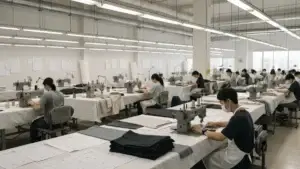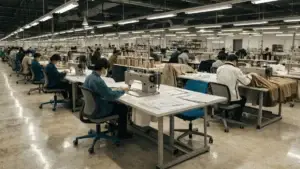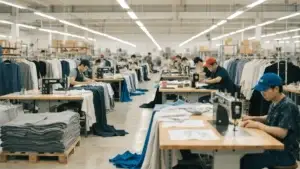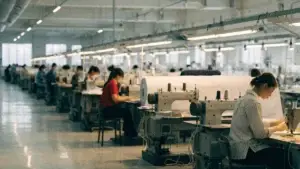
I will never forget the first time I visited a factory as a young buyer. I had been doing business with this supplier for two years. They sent me great samples. Their communication was good. I trusted them. But when I finally walked onto their production floor, I was shocked. The samples they sent me were made in a small, clean sample room. The bulk production was happening in a different building altogether. It was dark, crowded, and the sewing machines were old and poorly maintained. The workers looked exhausted. I realized right then that the quality I was getting in my samples was not the quality I was getting in my shipments. I ended that relationship immediately.
You should visit your clothing manufacturer's factory because it is the only way to verify with your own eyes that they have the capabilities, capacity, quality systems, and ethical practices they claim to have. A visit reveals the truth behind the marketing materials. It builds personal trust, allows you to solve problems face-to-face, and sends a clear message that you are a serious partner who will hold them accountable.
I have been on both sides of this equation for over 20 years. As a buyer early in my career, factory visits saved me from disastrous partnerships. As a factory owner now at Shanghai Fumao, I welcome visits from my clients. I know that when they see our operation, they will trust us more. A visit is not just an expense. It is an investment in a successful long-term relationship. Let me explain why this investment is so valuable.
What can you learn from a factory visit that emails cannot tell you?
Email is a wonderful tool. I use it every day. But email has limits. It can only tell you what the factory wants you to know. It cannot show you the chaos in the corner that they hope you never see. It cannot convey the hum of a well-run production line or the silence of a line that is stopped because of a problem.
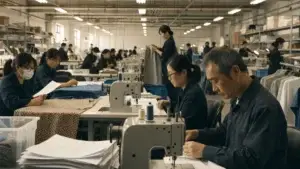
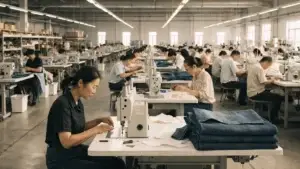
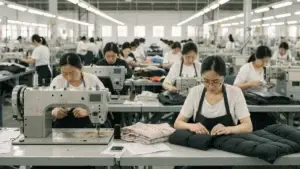
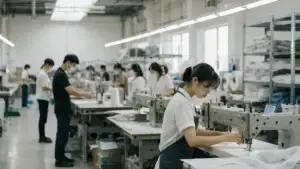
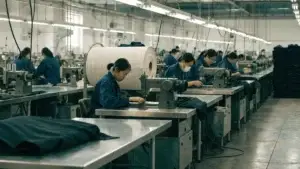
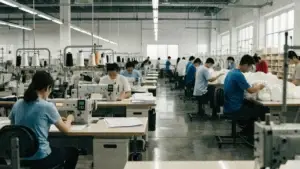
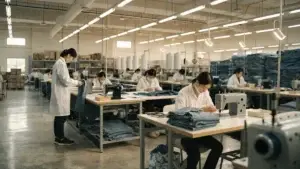
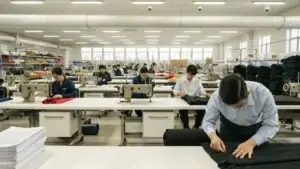
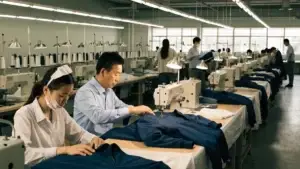
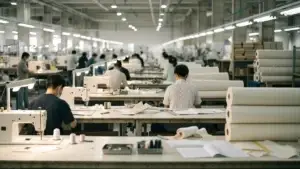
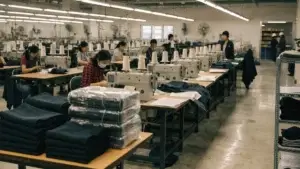
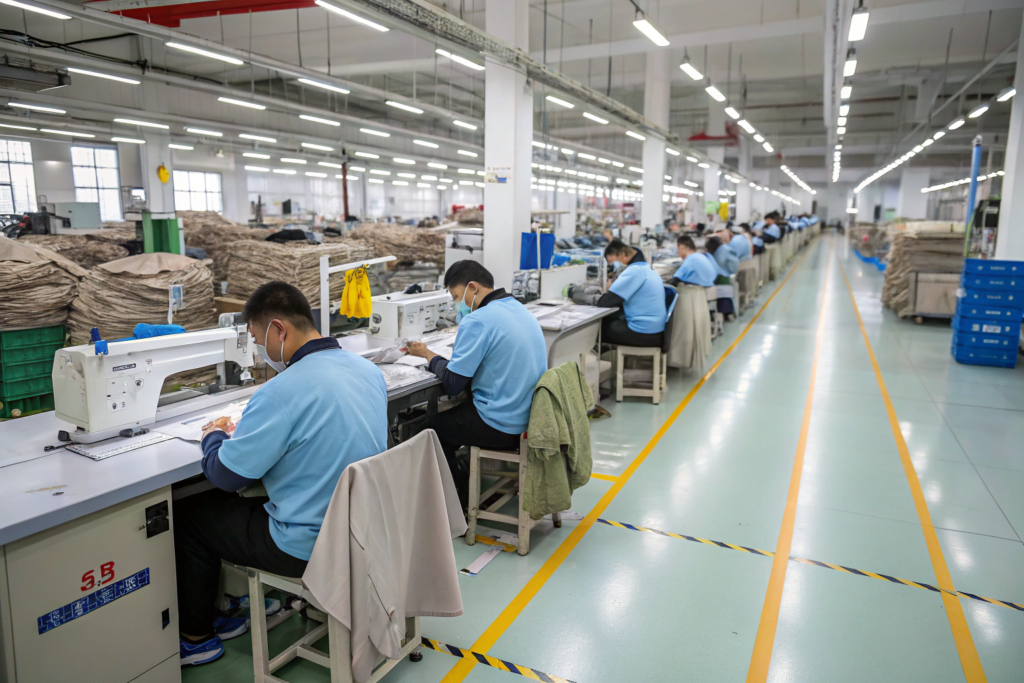
A factory visit reveals the true culture of the organization. You can see if the floor is organized and clean, if the workers are skilled and attentive, if the machines are modern and well-maintained, if there is fabric waste everywhere indicating poor cutting, and if the quality control team is actually inspecting garments or just sitting at a desk. These visual cues are impossible to capture in an email or a video call.
I remember a client from Chicago who visited us for the first time last year. He had been working with us for three years remotely. He trusted us. But when he walked through our facility, he told me later, "I had no idea." He saw our fabric inspection machine in action. He saw our QC team checking garments at the end of every line. He saw the orderliness of our cutting room. He told me, "Now I understand why your quality is consistent. It is built into your process, not just inspected at the end." That visit deepened our relationship in a way that a thousand emails could not.
On the flip side, I have had clients tell me about visits to other factories that went badly. They walked in and saw fabric piled on the floor, attracting dust and dirt. They saw workers eating at their sewing stations, risking stains on the garments. They saw no QC checks happening. They walked out and canceled their orders. A visit saved them from a disaster.
How do you assess a factory's true production capacity?
Every factory will tell you they have capacity for your order. But is that capacity real? Or will they push your order to the back of the line or rush it through at the expense of quality? A visit helps you find out.
When you are at the factory, look at the production floor. Are the machines running? Are they busy? If the factory is half empty, they have capacity, but you have to wonder why. If the factory is bursting at the seams, they might be overbooked, and your order could be delayed.
Ask to see the production schedule. A reputable factory will have a visual planning board or a digital system showing what is being produced and when. Look for your order on that schedule. If it is not there, or if the dates look unrealistic, you have a problem.
Also, look at the number of sewing lines and the number of operators per line. Ask how many pieces they produce per day per line. Do the math. Does their claimed capacity match what you are seeing? A factory that is honest about their capacity is a factory you can trust. At Shanghai Fumao, we are transparent about our production schedule. We show clients exactly when their order will run and on which lines. Seeing it on the board builds confidence.
What signs of poor quality control can you spot in person?
Quality control is not just about a final inspection. It is a system. When you visit a factory, you can see if that system is real or just for show.
First, look for QC stations. Are there dedicated areas where inspectors are checking garments? Are they using checklists? Are they measuring garments against spec sheets? Or are they just glancing at them and throwing them in a box?
Second, look for the relationship between production and QC. Are the QC people independent? Do they have the authority to stop the line? Or are they just workers who also do QC on the side? A separate QC team that reports to a different manager is a sign of a mature system.
Third, look for what happens to defective garments. Is there a designated area for repairs? Are garments being fixed properly, or are they just being thrown back into the finished pile? A system for handling defects shows that the factory takes quality seriously.
I had a client who visited a potential factory. He saw the QC station, but it was empty. The inspectors were nowhere to be seen. He asked where they were. The guide said they were on break. But it was 10 in the morning. That did not make sense. He later learned that the factory only brought in QC people when buyers were visiting. Normally, there was no QC. He did not place the order. For more on what to look for in a factory audit, resources from the Quality Assurance International are very helpful.
How does meeting your factory team in person improve communication?
Email and WeChat are great for quick updates. But they are terrible for building relationships. Tone gets lost. Intentions get misunderstood. A simple question can feel like an accusation. A casual comment can be misinterpreted. When you meet someone in person, you see their face. You hear their voice. You understand them as a human being, not just a name in your inbox.
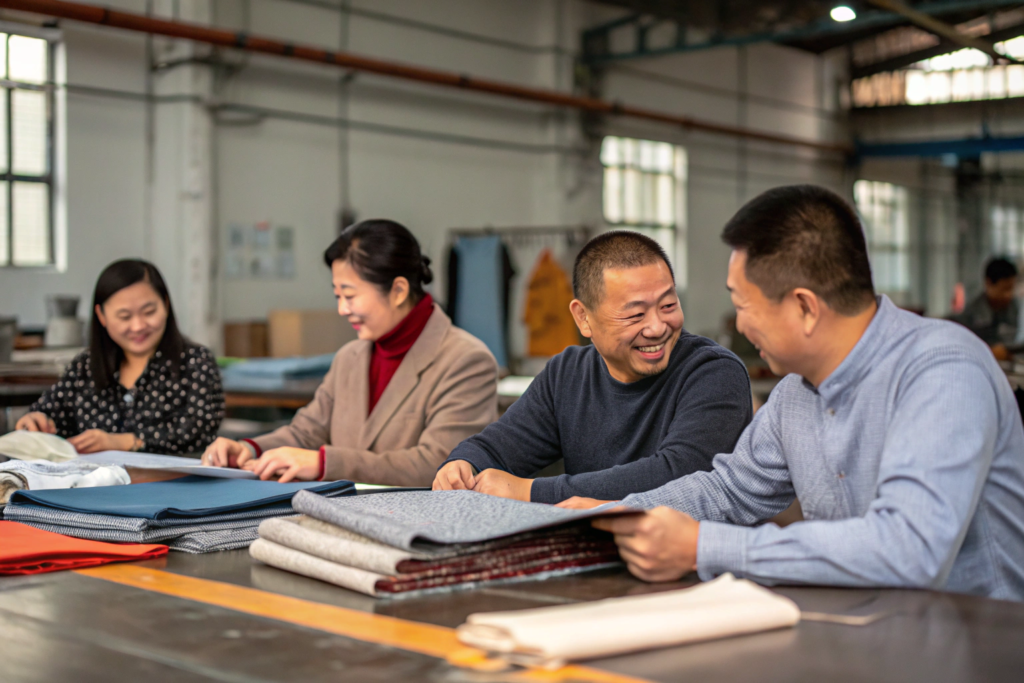
Meeting your factory team in person transforms your relationship from a transactional vendor-buyer dynamic to a partnership. Face-to-face meetings build trust, clarify expectations, and create personal connections that make both sides more willing to go the extra mile when problems arise. People work harder for people they know and like.
I have a client in Los Angeles who I consider a friend. We have worked together for over a decade. We have had dinner together many times. I know about his kids. He knows about mine. When he has a problem, he calls me directly, not customer service. And I move mountains to help him. Why? Because he is not just an order number. He is a person I care about.
That relationship started with a factory visit. He came to Shanghai. We spent two days together. We toured the factory. We had long lunches. We talked about our businesses and our lives. By the time he left, we had a real connection. That connection has survived late shipments, price pressures, and even a global pandemic. It is the foundation of our success together.
You cannot build that kind of relationship over email. You have to invest the time and money to be there in person. It pays off in loyalty, in trust, and in better communication.
Why do face-to-face meetings resolve misunderstandings faster?
Have you ever had an email argument that went on for days? You write something, they misinterpret it, they write back defensively, you get frustrated, and the whole thing spirals. This happens constantly in international business. It happens because email lacks context.
When you meet face to face, you can resolve a misunderstanding in five minutes. You can see their reaction. You can clarify your meaning immediately. You can find a solution together.
I remember a situation with a client in New York. We had a disagreement about a delivery date. He thought we promised one date. We thought we promised another. Emails went back and forth for a week. Frustration grew. Finally, he came to visit. Over lunch, we pulled out the original emails and looked at them together. We realized there was a miscommunication about whether the date was for shipment from China or arrival in the US. In ten minutes, we sorted it out. If we had kept emailing, we might still be arguing.
Face-to-face meetings cut through the noise. They force clarity. They remind both sides that you are on the same team, trying to solve the same problem. That is invaluable.
How can a visit help you understand the factory's company culture?
Company culture is hard to define, but you can feel it when you walk in. Is the atmosphere tense or relaxed? Do workers look engaged or bored? Do people greet you with smiles or just stare?
A factory's culture affects your product. A culture of fear produces rushed, low-quality work. A culture of pride produces careful, high-quality work. A culture of transparency means they will tell you about problems early. A culture of hiding means you will only find out when the shipment arrives late.
When you visit, pay attention to the small things. Are there safety posters on the walls? Is there a clean break area for workers? Do managers speak to workers with respect? These details tell you about the values of the company.
I had a client who visited a factory in another country. He noticed that the workers looked unhappy. No one smiled. The managers shouted. He asked about turnover and learned that workers left every few months. He realized that a factory with unhappy workers could not produce consistent quality. He chose a different partner. That insight came from just watching and feeling, not from any spreadsheet. For more on the importance of company culture in manufacturing, Harvard Business Review has excellent articles on organizational behavior.
What problems can you identify during a production floor walkthrough?
A factory's marketing materials will show you the best parts. The clean showroom. The smiling staff. The modern offices. But the truth of a factory is on the production floor. That is where the real work happens. That is where problems live. A walkthrough of the production floor is your best chance to find those problems before they become your problems.
A production floor walkthrough can reveal issues with material handling, machine maintenance, workflow organization, worker skill levels, and quality control integration. You can see if fabric is stored properly to avoid dirt and damage, if machines are clean and well-calibrated, if work flows smoothly from one station to the next, and if quality checks happen at every step, not just at the end.
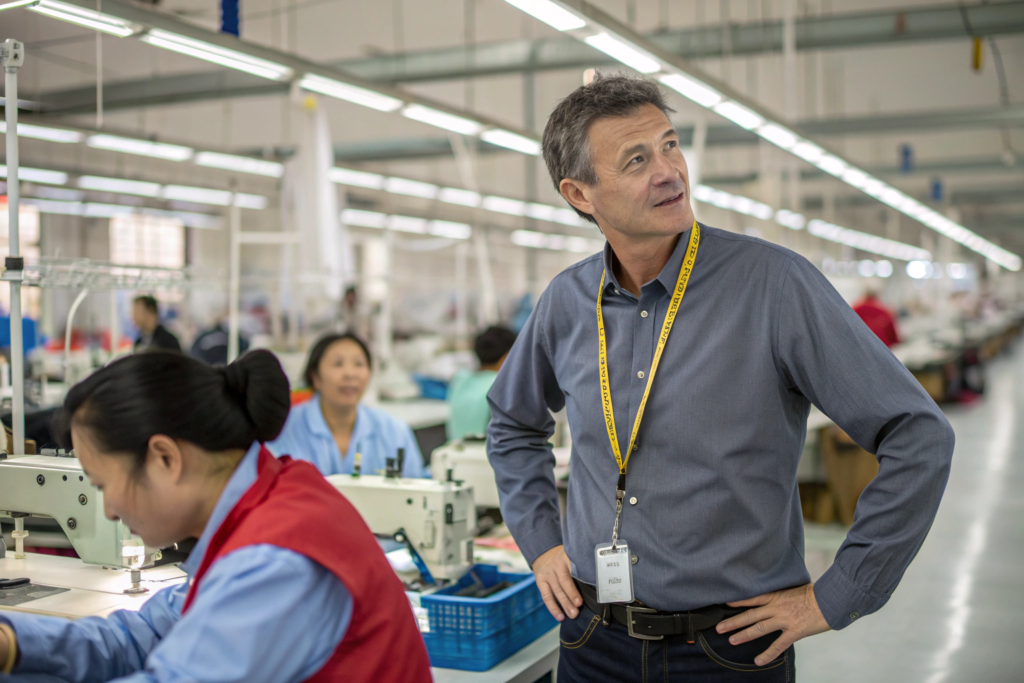
I encourage all my clients to walk the floor. I tell them, "Look anywhere. Ask anyone. I have nothing to hide." The ones who take me up on it always leave more confident. They see the order. They see the cleanliness. They see the skill.
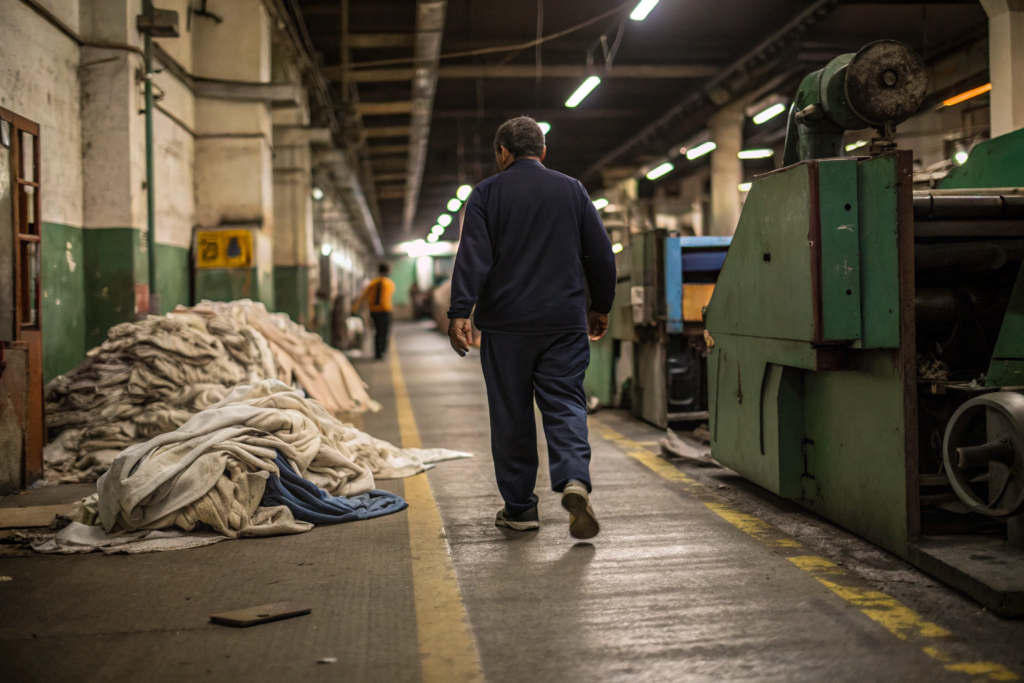
But I also hear stories from clients about other factories. One client told me he walked through a factory and saw fabric rolls stored directly on a dirty concrete floor. The ends of the fabric were filthy. That dirt would end up in the garments. He asked about it, and the guide just shrugged. He left immediately.
Another client saw that the cutting room was disorganized. Pattern pieces were stacked haphazardly. He knew that would lead to cutting errors and wasted fabric. He decided not to place the order. A simple walkthrough saved him thousands of dollars.
What does fabric storage and handling tell you about a factory?
Fabric is the most expensive part of your garment. How a factory treats fabric tells you how much they care about your product. Fabric should be stored off the floor, on racks or pallets. It should be covered to protect it from dust and sunlight. It should be organized by style and color so it is easy to find and easy to track.
When you walk through, look at the fabric storage area. Is it clean and organized? Or is it a mess? Are there fabric rolls with damaged ends? Is there dust and dirt everywhere? If they do not care for the fabric before it is cut, they will not care for your garment after it is sewn.
Also, look at how they handle fabric when it moves to the cutting room. Is it transported on carts or carried by hand, dragging on the floor? A factory that respects your materials will have systems to protect them at every step. We have invested in proper fabric storage and handling at Shanghai Fumao because we know it affects quality. A messy fabric storage area is a major red flag.
How can you spot potential delays by looking at the cutting room?
The cutting room is the start of production. If there are delays in the cutting room, everything else will be delayed. When you walk through, look at the cutting tables. Are they full of fabric, ready to be cut? Or are they empty? An empty cutting room means production has not started, or it has stopped.
Look at the markers, the paper patterns used to guide the cutting. Are they laid out efficiently? Are they for your order? If you see markers for your styles, cutting is happening or about to happen. If you see only markers for other brands, your order may be delayed.
Look at the bundles of cut pieces. Are they neatly stacked and labeled? Are they moving to the sewing lines? A bottleneck at the cutting room will create empty sewing lines later. A factory that is well-managed will have a smooth flow from cutting to sewing. A factory that is struggling will have piles of uncut fabric and idle sewing machines. Seeing this in person lets you ask questions and get real answers before it is too late.
Conclusion
Visiting your clothing manufacturer's factory is not just a nice thing to do. It is a critical part of protecting your brand and your investment. It gives you information that no email, no video call, and no third-party audit can provide. You see the truth with your own eyes. You build relationships with your own hands. You create trust that lasts for years.
At Shanghai Fumao, we welcome visitors. We want you to see our operation. We want you to meet our team. We want you to feel confident that your products are being made with care and skill. We believe that the best partnerships are built face to face.
If you are considering working with us, or if you are already a client and have never visited, I invite you to come. Let us show you around Shanghai. Let us show you our factory. Let us share a meal and talk about your goals. Please contact our Business Director, Elaine, at elaine@fumaoclothing.com to schedule a visit. We would be honored to host you.