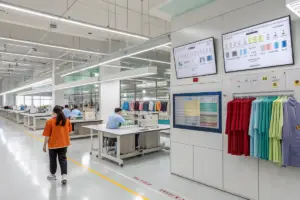
I sat in my office in Shanghai three years ago, taking a call from a buyer in Chicago. He was furious. His container of winter jackets had arrived in Los Angeles, but the zippers were all the wrong color. He had ordered the fabric from one supplier in Vietnam, the zippers from a separate vendor in Korea, and sent both to a cutting factory in Bangladesh. When the pieces arrived at the sewing factory in China, nobody knew who was responsible for the zipper mistake. The fabric supplier blamed the zipper vendor. The zipper vendor blamed the shipping company. The buyer was stuck with 5,000 unusable jackets and a $150,000 loss.
That call stuck with me. It perfectly illustrated why full package production exists. You are a brand owner. Your expertise is in design, marketing, and sales. My expertise is in making clothes. When you try to manage every vendor yourself, you step into my world without my tools or my relationships. The risks multiply faster than you can track them.
Full package production reduces sourcing risks by consolidating responsibility into one single point of accountability. Instead of managing multiple vendors across different countries, you work with one factory that handles fabric sourcing, trim procurement, sampling, production, quality control, and shipping. If something goes wrong, you have one company to fix it. If something is delayed, you have one person to call. This structure eliminates the communication gaps and finger-pointing that destroy timelines and profits.
Let me walk you through exactly how this works and why it protects your business.
What Specific Sourcing Risks Disappear with Full Package Production?
I have been in this industry for over twenty years. I have seen every possible sourcing risk destroy a brand’s season. The risks are not abstract. They are concrete problems that cost real money. When you spread your production across multiple vendors, you invite these risks to your door.
Last year, a brand owner from Miami called me in a panic. He had been sourcing his knit tops from three different countries. The fabric from India was beautiful but arrived late. The sewing in Vietnam was good but the thread colors never matched the samples. The buttons from China were perfect but got held up in customs. He spent four months chasing each piece of the puzzle. By the time everything arrived at his warehouse, the trends had shifted and his customers wanted something else. He sold the inventory at a loss just to clear warehouse space.
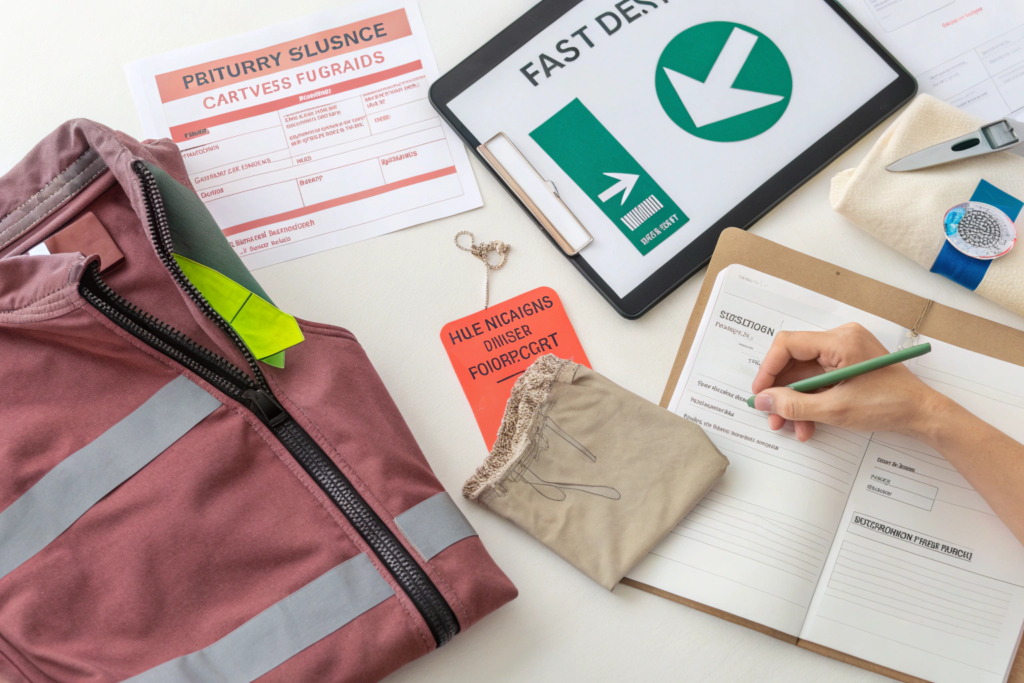
How does fabric sourcing risk disappear?
Fabric is the biggest risk area in apparel production. It represents the largest cost and the longest lead time. When you source fabric yourself, you gamble on quantity. You might order too much and get stuck with expensive dead stock. You might order too little and face production delays while you wait for a second batch.
With full package production, we take that gamble for you. We calculate exactly how much fabric you need based on our pattern markers and cutting efficiency. We order the precise quantity. When a client in Seattle wanted a limited run of 500 jackets using a rare deadstock fabric last fall, we sourced every available yard from the mill, cut it with maximum efficiency, and delivered every jacket without a single yard wasted. The client paid for the jackets, not for unused fabric sitting in his garage.
What happens to quality control risks?
Quality control becomes nearly impossible when your production is spread across different countries. You cannot be in Vietnam checking fabric while also inspecting sewing in Bangladesh. You rely on reports. And reports can lie.
I had a client from Boston who learned this the hard way. He trusted a fabric supplier’s certificate of inspection. The fabric looked fine in the photos. But when it arrived at his cutter in Thailand, it had subtle shading issues. Every panel cut from different parts of the roll had a slightly different color. The finished garments looked mismatched on the rack. He had to discount the entire line.
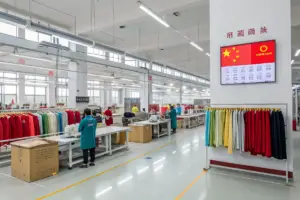
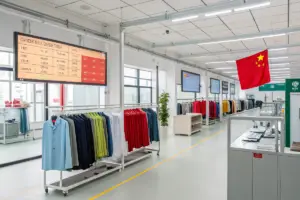
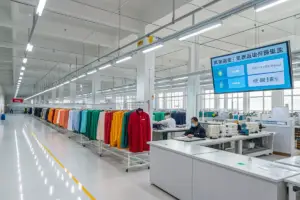
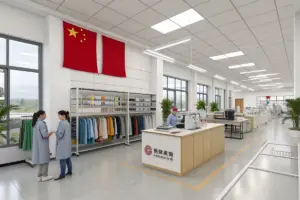
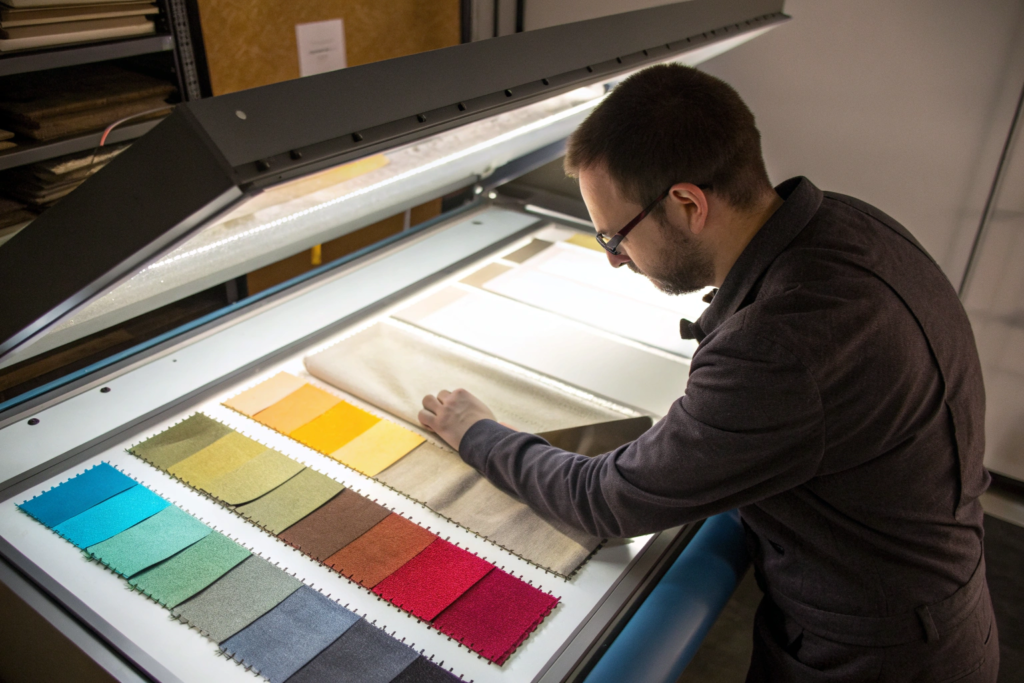
In our factory, quality control happens at every stage. We check the fabric when it arrives from the mill. We check the cut pieces before they go to the sewing line. We check the half-finished garments during assembly. We check the final products before packing. We catch shading issues before they become cutting problems. We fix stitching errors before they become finished goods. You never see the problems because we solve them internally. That is the power of single-point responsibility.
How Does a Single Factory Solve Logistics and Delivery Risks?
Shipping is where good sourcing plans go to die. I have seen it happen too many times. A buyer coordinates perfectly with three different suppliers. Everyone promises to deliver on time. But then the fabric shipment from Thailand gets held up in customs. The cutter in Cambodia cannot start without the fabric. The sewing factory in China sits idle. The ship sails without the cargo. The season is missed.
When you manage multiple vendors, you are responsible for synchronizing their delivery schedules. That is a full-time job. And even if you do it perfectly, you cannot control a customs inspector in Thailand or a truck strike in Cambodia.
How does full package production guarantee on-time delivery?
We control the entire chain. When we promise a delivery date, we are not guessing. We know exactly when our fabric mill will deliver. We have scheduled the cutting line. We have reserved the sewing capacity. We have booked the shipping container.
Two years ago, a sportswear brand from Denver needed a rush order for a major athletic event. They came to us in late February needing delivery by mid-April. Normally, that timeline is impossible. But because we control everything, we could compress the schedule. We sourced the technical fabric from our partner mill in three days instead of two weeks. We ran the samples while the fabric was in transit. We dedicated one full production line to their order. The goods shipped on April 10th and arrived in Denver before the event started. The client told me later that his competitors were still waiting for fabric samples.
What is DDP and why does it eliminate shipping surprises?
DDP stands for Delivered Duty Paid. It is a shipping term that means we handle everything. We pay the freight. We handle the customs clearance in the U.S. We pay the duties and taxes. You simply receive the goods at your warehouse.
For a brand owner, DDP is peace of mind. You know the total cost upfront. There are no surprise bills from customs brokers. There are no delays because documents are missing. There is no last-minute scramble to pay a duty bill you did not budget for.
A client in Atlanta told me he used to dread shipping day. He never knew exactly how much it would cost or when the goods would actually arrive. Customs would hold shipments for reasons he could not understand. Brokers would charge fees he never expected. Now, with our DDP service, he gets one invoice and one delivery date. He sleeps better. So do I.
How Does Communication Improve with One Point of Contact?
Communication breakdowns are the silent killers of sourcing projects. They do not show up on inspection reports. They do not appear in shipping documents. But they destroy relationships and waste money.
I learned this lesson early in my career. I had a client in New York who kept complaining that the samples did not match his vision. I thought we were following his instructions perfectly. But we were not asking the right questions. We were not understanding the why behind his requests. We were just processing orders.
Now, I train my team differently. When you talk to Elaine, she does not just take notes. She asks questions. She wants to understand your customer. She wants to know how the garment will be worn and washed. She wants to know your price target and your quality standards. This understanding prevents mistakes before they happen.

Why do sales reps without factory experience cause problems?
Many factories hire salespeople who only know how to sell. They sit in a nice office far from the production floor. They promise things they cannot deliver because they do not understand the machines or the materials.
I refuse to run my company that way. Every member of my sales team spends time on the factory floor. They know the sewing operators by name. They understand what fabrics are easy to sew and which ones cause trouble. When you ask a technical question, they do not need to check with someone else. They already know the answer or they know exactly who to ask.
A buyer from Texas told me last year that he spent three months going back and forth with a different factory’s sales rep about a specific stitching technique. The rep kept saying yes, but the samples kept coming back wrong. When he finally visited the factory, he discovered the rep had never actually checked if the machines could do the stitch. With us, that conversation would have taken one day. We would have checked the machine capability immediately and given him an honest answer.
How do we handle problems when they arise?
Problems always arise. Fabric has imperfections. Thread breaks. Zippers jam. The difference is how we respond.
When a problem happens in our factory, we do not hide it. We do not wait until the shipment arrives in America for you to discover it. We tell you immediately. We show you photos. We explain what happened and what we are doing to fix it.
Last spring, we had a dye lot issue with a deep navy fabric for a client in San Francisco. The second batch from the mill was slightly different from the first. We caught it during our incoming inspection. We called the client immediately. We showed him the difference on video. We offered three solutions: accept the slight variation with a discount, wait for a new batch from the mill, or switch to a different fabric we had in stock. He chose the discount option. The garments sold perfectly. He told me later that he appreciated being included in the decision instead of just receiving a surprise.
How Does Full Package Production Protect Your Intellectual Property?
I know that sharing your designs with a factory in China can feel scary. You have spent months developing your collection. You have invested in sketches, patterns, and samples. The last thing you want is to see your designs copied by a competitor.
I take this responsibility seriously. My reputation depends on protecting my clients’ trust. If I ever broke that trust, word would spread through the industry and my business would disappear.
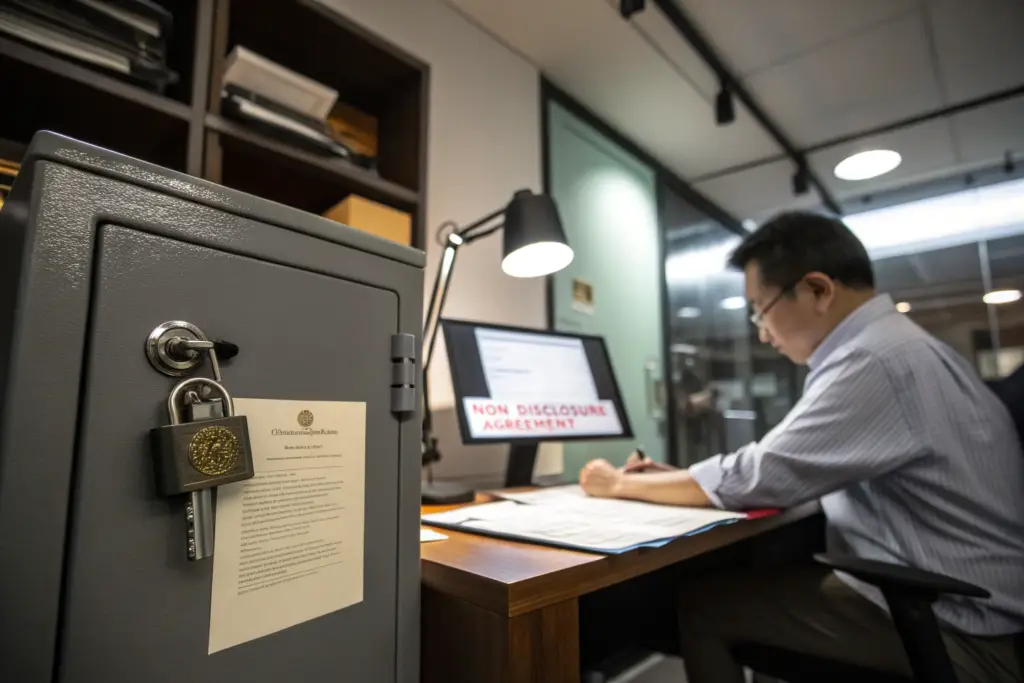
How do we legally protect your designs?
Every client who works with Shanghai Fumao signs a confidentiality agreement. This is not just a piece of paper. It is a binding contract that protects your intellectual property under Chinese law. We do not share your designs with anyone outside our production team. We do not photograph your samples for our portfolio without your permission. We do not use your patterns for other clients.
A client from Portland sent us a revolutionary jacket design last year. It used a new type of insulation and a unique pocket configuration. He was nervous about sending the technical pack. I told him to send it with a watermark and a clear statement that it was confidential. We treated those documents like gold. They were only accessible to the pattern maker and the production manager working on his order. When the samples were finished, we destroyed the extra patterns. His design remained his alone.
What about sample security and pattern storage?
Physical samples also need protection. When we make samples for clients, we store them in a locked sample room. Only authorized staff can access them. When the production run is finished, we ask clients what they want us to do with the samples and patterns. Some want them shipped back. Some want them stored for future reorders. Some want them destroyed.
A client in Chicago always asks us to destroy the patterns after his seasonal production finishes. He does not want anyone reusing his sizes or fits. We do exactly what he asks. We cut the patterns and recycle the paper. His intellectual property dies with the production run.
Conclusion
You do not need to keep juggling multiple suppliers and hoping nothing goes wrong. You do not need to lose sleep wondering if your shipment will arrive on time or if the quality will match the sample. Full package production exists to take those worries off your plate.
I built Shanghai Fumao to be the partner I wished I had when I started in this business. We combine deep manufacturing expertise with clear, honest communication. We take full responsibility for your project from the first sketch to the final delivery. If something goes wrong, we fix it. If something can be improved, we suggest it. We are on your team.
The first step is simple. Send us your idea. It can be a sketch on a napkin. It can be a link to a competitor’s product you want to improve. It can be a detailed technical pack. Whatever you have, send it to Elaine. She will personally review your project and connect you with the right people on our team.
Stop managing risks. Start building your collection. Email Elaine today at elaine@fumaoclothing.com. Let us show you how full package production can transform your business.