I learned about the true cost of poor communication early in my career. We had a client in Seattle who ordered a large run of denim jackets. The tech pack specified a "vintage wash." Our production team interpreted that as a medium stone wash. We didn’t ask for clarification. We assumed. When the client received the samples, they were horrified. The wash was completely wrong. They wanted a much lighter, almost bleached look. We had to redo the samples, delaying the order by three weeks. The client was furious, and rightfully so. We lost money on that order, and we almost lost the client. All because we didn’t communicate. We assumed. We didn’t ask the simple question: "Can you show us a picture of exactly what you mean by vintage wash?"
Transparent communication is the foundation of quality because it eliminates assumptions. When every detail is discussed openly, when questions are asked freely, when problems are shared immediately, there is no room for error. The client knows exactly what we are making. We know exactly what they expect. If there is an issue with fabric availability or a potential delay, we say so immediately, so the client can adjust their plans. This honesty builds trust, and trust allows us to focus on making great products instead of fixing preventable mistakes.
My name is [Your Name], and I own Shanghai Fumao. Over two decades, I have seen how transparent communication can save orders, build long-term partnerships, and elevate quality. And I have seen how its absence can destroy them. Let me share with you the specific ways we build transparency into every interaction and why it matters so much.
How Does Clear Communication Prevent Costly Sampling Errors?
The sampling stage is where most communication breakdowns happen. A client sends a sketch and a few notes. The factory makes a sample based on their interpretation. It comes back wrong. This cycle repeats, wasting time and money. Transparent communication means we don’t guess. We ask until we are sure.
What questions should a factory ask before making a sample?
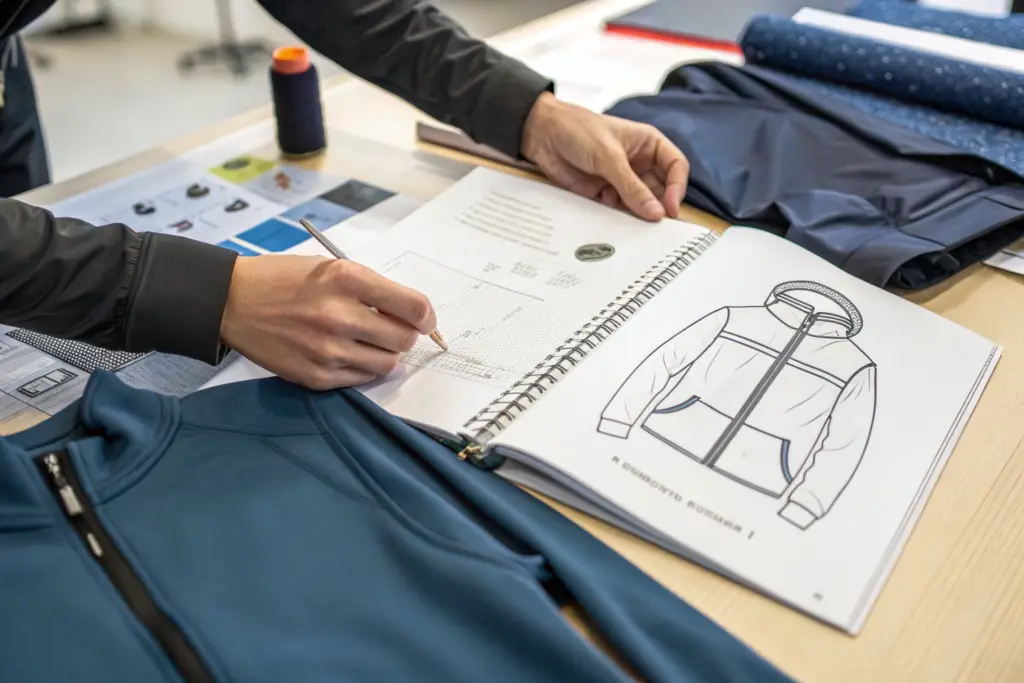
A factory that truly values transparent communication will ask many questions. They will not just say “OK, we can make this.” They will ask: “What is the exact fabric weight you want?” “Can you share a photo of the desired wash?” “What is the tolerance for the chest measurement?” “Do you have a preference for the thread color?” “Who is your target customer for this fit?” These questions show they are thinking, not just doing. At Shanghai Fumao, our sample room team is trained to ask these questions. If something is unclear in the tech pack, we stop and ask. We do not proceed on assumptions. A few years ago, a client from Boston sent us a sketch for a men’s shirt with a “relaxed fit.” That could mean many things. Our pattern maker called the client and asked, “Is this relaxed like an oversized streetwear look, or relaxed like a traditional American cut?” The client sent photos of references. We got it right on the first sample. This saved weeks of back-and-forth. This process of requirements clarification is a basic but critical part of project management, as outlined by the Project Management Institute.
How do we confirm understanding of complex details?
For complex details like washes, prints, or embroidery, we use visual aids. We ask clients to send inspiration images. We send photos of our own reference samples. We create “wash standards” – physical swatches of denim that show the exact color we are targeting. We then send these to the client for approval before we wash the whole garment. This visual communication leaves no room for interpretation. For a client in California who wanted a specific “vintage band t-shirt” look, we created three different wash standards on sample fabric. We sent them photos and then shipped the physical swatches. The client chose one, and we replicated it perfectly on the final shirts. This transparency in the sampling phase prevents the kind of disaster I experienced early in my career.
How Does Open Communication During Production Prevent Defects?
The sampling is done. The order is placed. Production starts. This is where many factories go silent. They don’t communicate until the goods are ready to ship. But problems can happen at any time during production. A machine can break. A batch of fabric can have a defect. A new operator might make a mistake. Transparent communication means we share these issues immediately.

What should a factory tell you during production?
A transparent factory will tell you about problems, but also about progress. They should send you regular updates, perhaps weekly, with photos of the production line. They should tell you if they are on schedule. And if there is a problem, they should tell you immediately, along with a plan to fix it. Last year, during a large order of activewear for a client in Colorado, our cutting room supervisor noticed that a small percentage of the fabric had a subtle shading issue. It was within the tolerance of the mill, but he knew the client had very high standards. He stopped production, called the client, and sent photos. The client agreed that the shading was unacceptable for their premium line. We worked with the mill to replace the affected fabric. The order was delayed by a week, but the client knew about it immediately and could adjust. If we had hidden the issue and shipped the goods, the client would have had a major quality problem and lost trust in us. This is the essence of crisis communication in supply chain management. The Council of Supply Chain Management Professionals offers resources on best practices for supplier communication.
How do we handle changes or corrections during production?
Sometimes, a client realizes they want a small change after production has started. Maybe they want to move a pocket by half an inch. A non-transparent factory might say “too late, it’s already in production.” Or worse, they might ignore the request. A transparent factory will discuss the request honestly. They will say, “We have already cut 500 pieces. Changing the pocket now would mean recutting those pieces, which will cost $X and add Y days. Is that acceptable?” Or they might say, “We have not started cutting yet, so we can make that change easily.” This honesty allows the client to make an informed decision. For a client in New York who was updating a best-selling style, they asked for a small fit adjustment after we had started cutting. We were able to adjust the pattern for the remaining pieces and mix them with the already-cut pieces, saving them from having to reorder. This flexibility is only possible with open, real-time communication.
How Does Transparency About Pricing And Costs Build Long-Term Trust?
Pricing is often a source of tension. Clients worry they are being overcharged. Factories worry they are being squeezed. Transparent communication about costs can eliminate this tension. When a factory explains why something costs what it does, the client understands the value they are getting.

Should a factory explain the cost breakdown?
We believe yes. When a client asks for a price breakdown, we are happy to provide it. We show them the fabric cost, the trim cost, the labor cost, and the factory margin. This transparency builds trust. It shows we are not hiding anything. A few years ago, a client from Texas was comparing our quote to a cheaper supplier. He asked why we were higher. We showed him our cost breakdown. Our fabric was from a better mill and cost 20% more. Our thread was a higher quality, stronger thread. Our labor costs reflected our skilled, experienced workforce. He understood immediately. He chose us because he saw the value, not just the price. He has been a client for five years now. This approach to cost transparency is a key differentiator for ethical, quality-focused manufacturers. Resources like Fashion Revolution advocate for greater transparency throughout the supply chain.
How do we handle unexpected cost increases?
In international business, costs can change. Currency fluctuations. Fabric price hikes. Fuel surcharges. A non-transparent factory might simply add these costs to the next invoice without explanation. A transparent factory will communicate. They will say, “The price of cotton has increased by 10% since we quoted you. Our mill has passed on this increase. We need to adjust the fabric cost for this order by $0.50 per unit. We wanted to let you know before we proceed.” The client may not like the increase, but they will appreciate the honesty. They can then decide whether to absorb the cost, change the fabric, or look elsewhere. This honesty preserves the relationship. For a client in Florida, we had a situation where a sudden tariff change affected their duties. Because we handle DDP shipping, we saw it immediately. We called them, explained the situation, and adjusted the final invoice. They appreciated that we didn’t just surprise them with a higher bill at delivery.
How Does Honest Communication About Lead Times Prevent Disasters?
A missed delivery date can ruin a brand’s season. If your winter coats arrive in March, you have a warehouse full of products you cannot sell. Honest communication about lead times, from the very first conversation, is essential to prevent this. A factory must be realistic about what they can achieve.

What if a factory is at full capacity?
A factory that wants your business might always say “yes, we can do it.” A transparent factory might say, “We are at 90% capacity for the next two months. If you place this order now, we can guarantee a 75-day lead time. If you can wait one month, we can do it in 60 days.” This honesty allows you to make a decision. You might decide to wait for the faster lead time, or you might accept the longer one. A few years ago, a client from Chicago came to us with a large, urgent order. We were very busy. We told him honestly that we could not meet his desired delivery date without risking quality. He appreciated the honesty and adjusted his marketing plan to accommodate a slightly later launch. The order was perfect, and he has trusted us ever since. If we had lied and taken the order, we would have missed the date, ruined his launch, and lost a client. This is about capacity planning and managing expectations, a core topic in operations management.
How do we communicate about delays?
Despite best efforts, delays can happen. A shipment of fabric might be stuck at a port. A machine might break down. When this happens, the key is to communicate before the missed deadline, not after. As soon as we know there is a risk of delay, we tell the client. We explain why, and we provide a new, realistic date. We do not wait for them to ask. For a client in Seattle last year, a typhoon delayed a fabric shipment from a Japanese mill by two weeks. We told the client the day we found out. We adjusted the production schedule and confirmed a new shipment date. The client was able to inform their retail partners of a slight delay. It was manageable. If we had waited until the original ship date to tell them, they would have been furious. This proactive communication is a hallmark of a reliable partner. It is a key element of supply chain risk management.
Conclusion
Transparent communication is not a soft skill. It is a hard requirement for quality. It prevents sampling errors by ensuring everyone understands the goal. It stops defects by surfacing problems early in production. It builds trust by being open about costs and pricing. And it prevents commercial disasters by being honest about lead times and delays. When a factory communicates transparently, they are telling you that they respect you and your business. They are treating you as a partner, not just a purchase order.
At Shanghai Fumao, we have built our entire operation around this principle. Our team is trained to ask questions, not make assumptions. We provide regular production updates, with photos and videos. We are open about our costs and our capacity. And if there is ever a problem, we tell you immediately, with a plan to fix it. This is why a luxury brand from New York has trusted us with their most sensitive collections for over eight years. This is why a startup from Austin felt confident placing their first order with us, even though they had never visited China.
If you are tired of suppliers who go silent after you place an order, or who surprise you with bad news at the last minute, let’s talk. Let us show you how transparent communication can make your life easier and your products better. Please contact our Business Director, Elaine, at strong>elaine@fumaoclothing.com</strong to experience the difference that honesty makes.