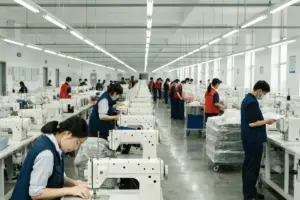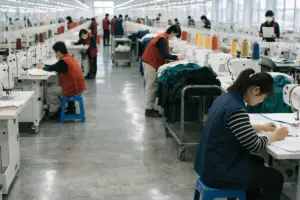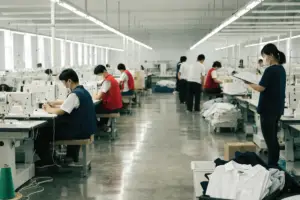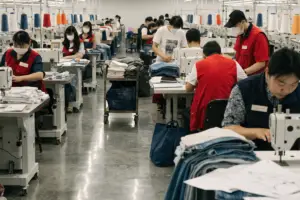
I still remember the phone call from a buyer in Florida about seven years ago. He was frantic. He had just received a return from one of his biggest retail customers. A customer had bought a bright red t-shirt from his brand, worn it once in the summer heat, and sat on a white couch. The red dye transferred onto the couch. The customer was furious. The retailer was threatening to drop his line. He had sourced the shirts from a factory that promised "good quality," but they had never tested the fabric for wet crocking. The dye was not properly set. That one mistake cost him tens of thousands of dollars and a major retail relationship.
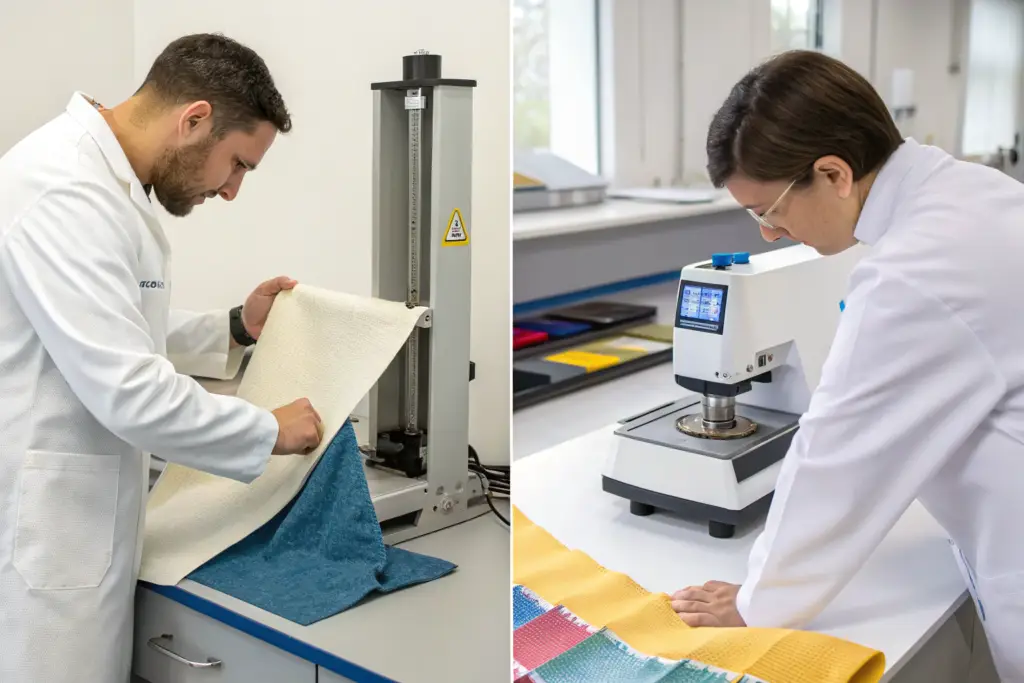
We ensure colorfastness and durability through a rigorous, multi-stage testing protocol that begins with the fabric and ends with the finished garment. We don’t just look at the fabric. We simulate the worst conditions it will face: sweat, sunlight, friction, and repeated washing. We test for color transfer (crocking), color change from light (lightfastness), and color loss from washing (wash fastness). We also test the physical strength of the fabric, including its resistance to tearing, bursting, and seam slippage. Every fabric and every finished garment must pass these tests before it is shipped.
My name is [Your Name], and I own Shanghai Fumao. After hearing that story from the buyer in Florida (who later became a client), I made testing the absolute center of our quality process. We cannot control how a consumer treats a garment. But we can control how the garment responds. Let me walk you through the specific tests and processes we use to make sure your apparel stays beautiful, wash after wash, wear after wear.
What Specific Tests Do We Run For Colorfastness?
Color is emotional. When a customer buys a navy blue polo shirt, they expect it to stay navy blue. They don’t expect it to turn purple after a few washes or to stain their other clothes. To guarantee this, we put every fabric through a battery of standardized tests. These tests are not random. They follow international standards so that our clients know exactly what they are getting.
What is crocking and how do we test for it?
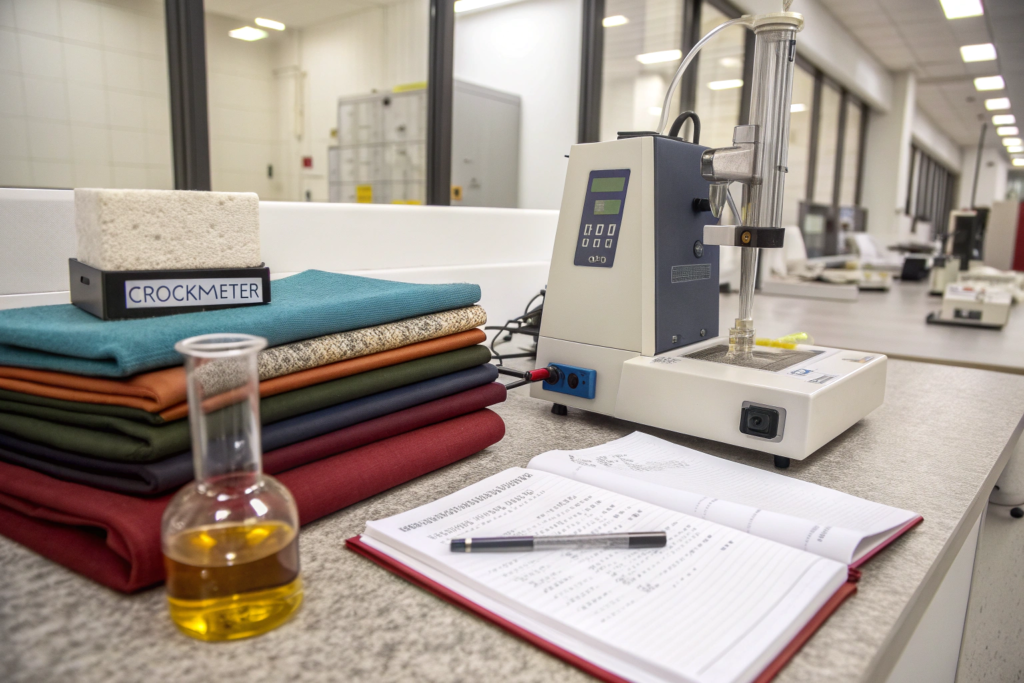
Crocking is the transfer of color from a fabric to another surface through rubbing. There are two types: dry crocking and wet crocking. Wet crocking is often more severe, like the red t-shirt on the white couch. We test for this using a machine called a Crockmeter. We rub a dry and a wet white cloth against the fabric sample with a specific pressure and number of strokes. Then, we compare the staining on the white cloth to a standard grey scale. We grade the result from 1 (terrible) to 5 (excellent). For our premium clients, we require a minimum of 4 for dry crocking and 3.5 for wet crocking. If a fabric fails, we go back to the dye house. We adjust the dye formula or the washing process until it passes. This test is critical for any garment that will experience friction, like collars, cuffs, and jeans. The AATCC provides the official standards for this test (AATCC 8 and 116).
How do we test for lightfastness and wash fastness?
Lightfastness is a fabric’s resistance to fading from sunlight. This is crucial for outdoor wear or garments that will be displayed in sunny store windows. We use a Xenon Arc Lamp machine that simulates years of sunlight exposure in a matter of days or weeks. We expose half of a fabric sample to the light and keep the other half covered. Then we compare the color change. For a client in Colorado who makes high-end hiking shirts, we require a lightfastness grade of 4 or higher. Wash fastness is tested by washing the fabric sample multiple times in a standardized washing machine, under specific temperatures and with specific detergents. We then check for both color loss and staining of other fabrics. We test at different temperatures (40°C, 60°C) based on the garment’s care label. A client from Boston who makes premium children’s wear needs excellent wash fastness at 60°C because parents often wash kids’ clothes in hot water. These tests are defined by organizations like ISO (ISO 105-C06 for wash fastness). At Shanghai Fumao, we maintain a small in-house lab for initial screening and send samples to third-party labs like SGS for final certification.
How Do We Test For Physical Durability?
Color is one thing. But if the fabric rips the first time you snag it on a branch, the color doesn’t matter. Durability is about strength. It is about how much force a fabric can take before it tears, how well it resists pilling, and whether the seams will hold under stress. These are the tests that separate a cheap garment from a premium one.
What is tensile strength and tear strength?
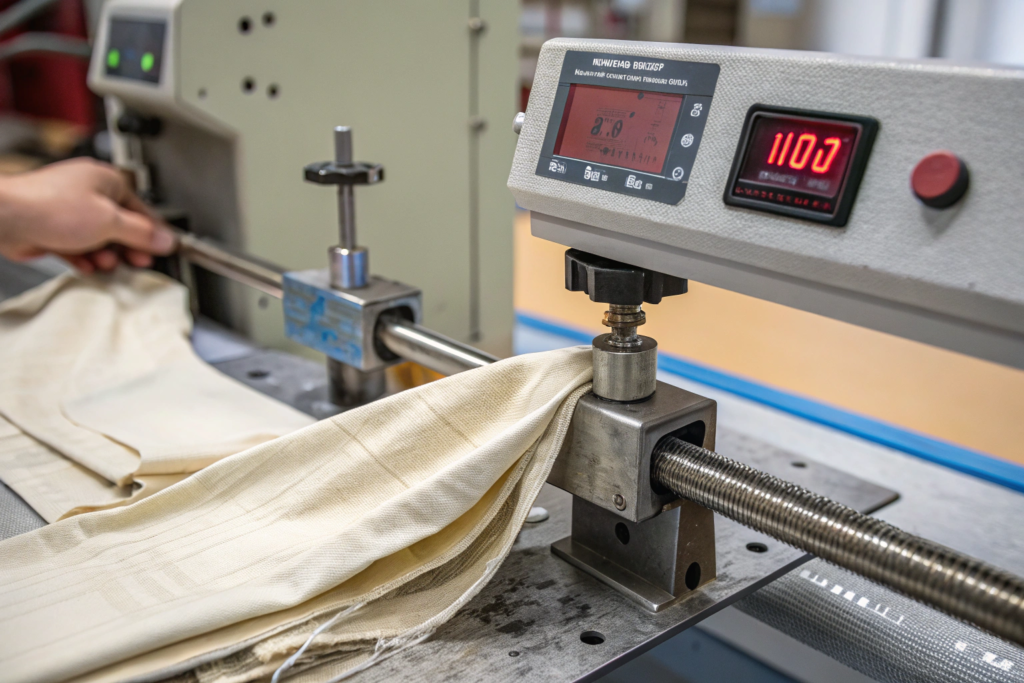
Tensile strength is the force required to pull a fabric apart. It measures the fabric’s overall strength. Tear strength is the force required to continue a tear once it has started. These are different properties. A fabric might be strong in tensile strength (hard to pull apart) but weak in tear strength (once a small hole starts, it rips easily). We test both using specialized machines. For a client in Texas who makes workwear, tear strength is critical. Their garments need to withstand rough use. We use the Elmendorf Tear Test (ASTM D1424) to measure this. If a fabric fails, we might recommend a different weave structure or a stronger yarn. This is the kind of technical advice we provide as part of our fabric sourcing expertise. You can learn more about these physical testing standards from ASTM International.
How do we test for seam strength and slippage?
A seam is the weakest point in any garment. If the seam fails, the garment fails. We test for seam strength by sewing a sample seam and then pulling it apart in a tensile testing machine. We measure how much force it takes to break the seam. Even more important is seam slippage. This happens when the yarns in the fabric next to the seam start to slide apart under stress, creating a gap. This is common in smooth, slippery fabrics like silk or rayon. If you’ve ever seen a gap appear next to a seam on a tight-fitting dress, that’s seam slippage. We test for this by marking a line next to the seam and measuring how much the fabric pulls apart under a specific force. For a client in New York making luxury silk blouses, we had to select a slightly wider seam allowance and a different stitch type to prevent slippage. This solved the problem before production. This is a key part of quality engineering in apparel.
How Do Our Washing And Finishing Processes Lock In Quality?
The dyeing and finishing processes are where colorfastness and durability are either locked in or lost. You can have the best fabric in the world, but if the finishing is poor, the color will fade and the fabric will shrink. We work very closely with our partner dye houses and manage our own finishing processes to ensure that every yard of fabric is treated correctly.
What is the role of washing in setting dye?
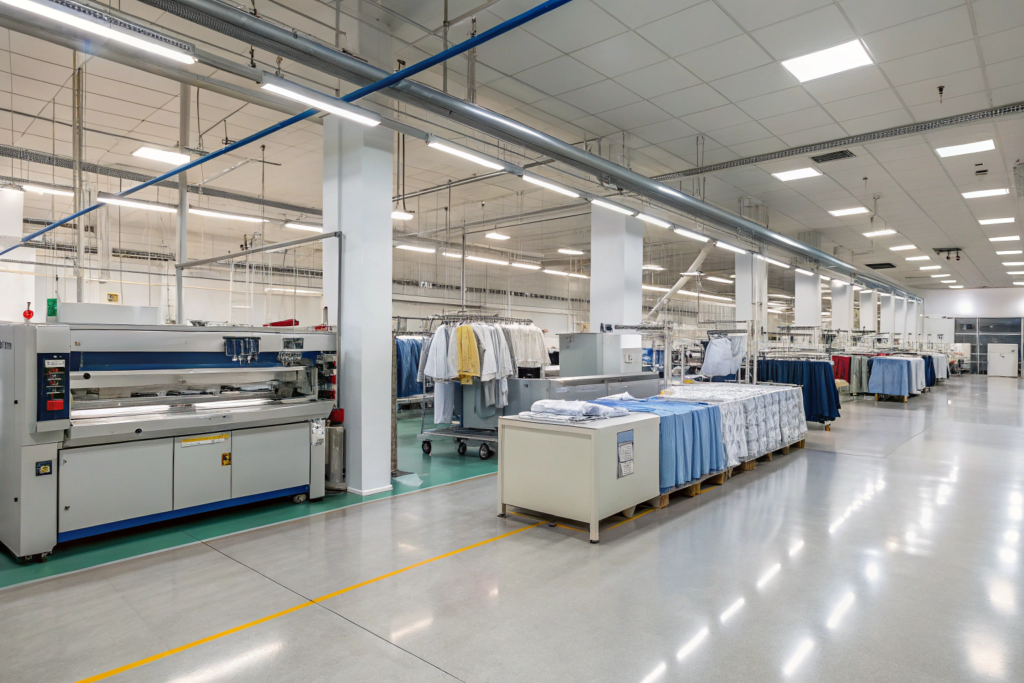
After fabric is dyed, it must be thoroughly washed to remove unfixed dye. This is called "reduction clearing" for some dyes like reactive dyes. If this washing step is rushed or skipped, the excess dye remains on the fabric. It will come off later, during the consumer’s first wash, or worse, on their skin or couch. We insist on proper washing protocols at the dye house. We also do our own sample testing to verify that the washing was effective. For a client in Canada who makes high-end athletic wear, we require an additional "rinse fastness" test to ensure all excess dye is gone. This extra step ensures their bright colors stay bright and don’t run.
How do we control shrinkage?
Shrinkage is a huge complaint in the apparel industry. A customer buys a cotton t-shirt, washes it, and it’s two sizes smaller. To prevent this, we pre-shrink the fabric whenever possible. This process is called compaction or sanforizing for woven fabrics, and it involves mechanically compressing the fabric to reduce its potential to shrink. For knits, we use compacting machines that do a similar job. We also test the shrinkage of every fabric by washing a sample a set number of times (usually 3 or 5 washes) and measuring the change. We then use this data to advise our clients. If a fabric shrinks 3% in length, we might tell the client to cut the pattern pieces 3% longer to compensate. This is called "shrinkage allowance." For a client in Seattle who makes premium organic cotton t-shirts, we build this allowance into every pattern. The shirts arrive at the consumer’s door the right size, and they stay the right size. This is part of our commitment to quality control at every stage. You can find more on shrinkage standards from the Textile Research Journal.
How Do We Simulate Real-World Wear And Tear?
Lab tests are controlled and scientific. But they also need to mimic what real people do to clothes. People sit, they walk, they wash, they dry, they sweat. We use additional tests that simulate these real-world actions to ensure our garments can survive everyday life.
What is the Martindale test?
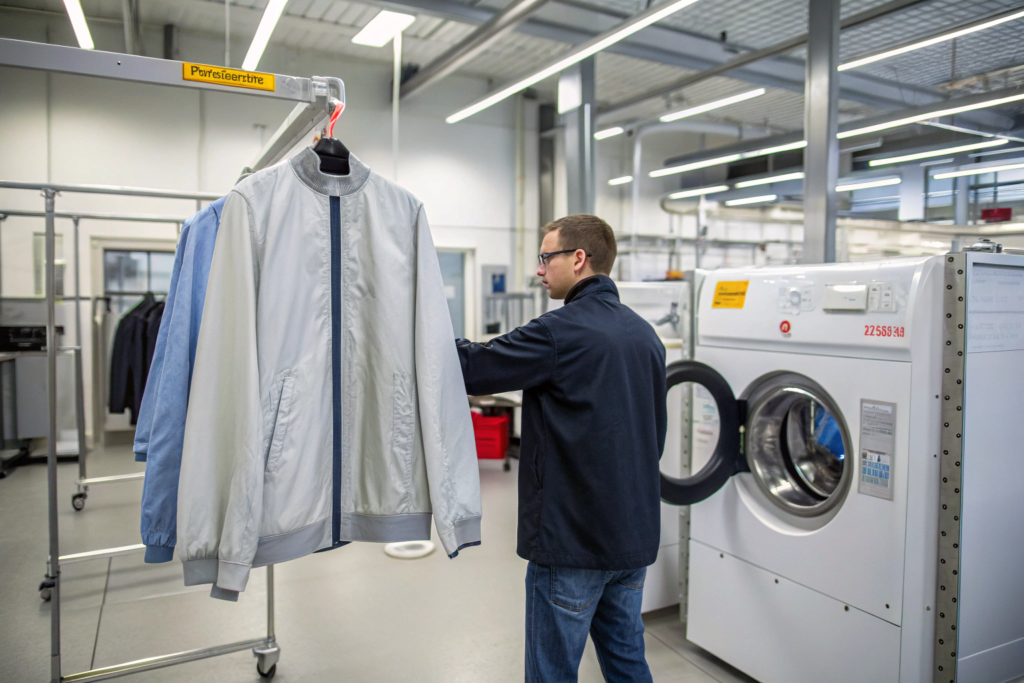
The Martindale test is the gold standard for measuring abrasion resistance. A machine rubs a piece of fabric in a figure-eight pattern against a standard abrasive surface. It rubs it thousands of times. The test continues until the fabric shows signs of wear, like broken threads or holes. The number of rubs before failure is the Martindale rating. For upholstery, you need a very high number (like 50,000 rubs). For apparel, the requirements vary. For a client in California who makes high-performance yoga pants, we require a high Martindale rating because the garment rubs against mats and floors. For a delicate blouse, the requirement is lower. This test gives us a quantitative measure of how well a fabric will hold up to friction over time. It is an essential tool for product development. You can learn about this test from M&S or other retailers who have their own standards.
How do we test for pilling?
Pilling is the formation of small, fuzzy balls of fiber on the surface of a fabric. It is common on knits and fabrics made from shorter fibers. Pilling makes a garment look old and worn out very quickly. We test for pilling using a machine like the ICI Pilling Box or the Martindale tester with a specific attachment. The fabric is rubbed against itself or an abrasive for a set number of cycles. Then, we visually rate the degree of pilling on a scale from 1 (severe pilling) to 5 (no pilling). For our premium lines, we aim for a rating of 4 or higher. If a fabric has a tendency to pill, we might recommend a different yarn twist or a fabric finish that reduces pilling. For a client in Boston who makes high-end cashmere blends, this testing is critical to maintaining their brand’s reputation for quality. This attention to detail is what sets a true manufacturing partner apart. At Shanghai Fumao, we don’t just test to pass; we test to understand how to make the product better.
Conclusion
Ensuring colorfastness and durability is not a single step. It is a system. It starts with testing the raw fabric for crocking, lightfastness, and wash fastness. It continues with physical tests for tensile strength, tear strength, and seam slippage. It relies on proper washing and finishing processes to lock in dyes and control shrinkage. And it is validated by real-world simulations like the Martindale and pilling tests. Every test we run is an investment in your brand’s reputation. It is a promise to your customer that the garment they bought will last.
At Shanghai Fumao, we have built this system into our daily operations. We have an in-house testing lab for quick checks. We have long-term partnerships with certified third-party labs like SGS for final verification. We work with our dye houses to ensure proper washing. We advise our clients on fabric choices and construction techniques that will enhance durability. We helped a workwear brand from Texas reduce their seam failure rate to near zero by selecting stronger thread and reinforcing stress points. We guided an activewear company from California through the selection of a high-performance fabric that passed 50+ washes with minimal color loss.
If you are tired of dealing with faded colors, ripped seams, and unhappy customers, let’s talk. Let us show you how our rigorous testing and quality processes can protect your brand. Please contact our Business Director, Elaine, at elaine@fumaoclothing.com to discuss your next collection and how we can make it truly durable.