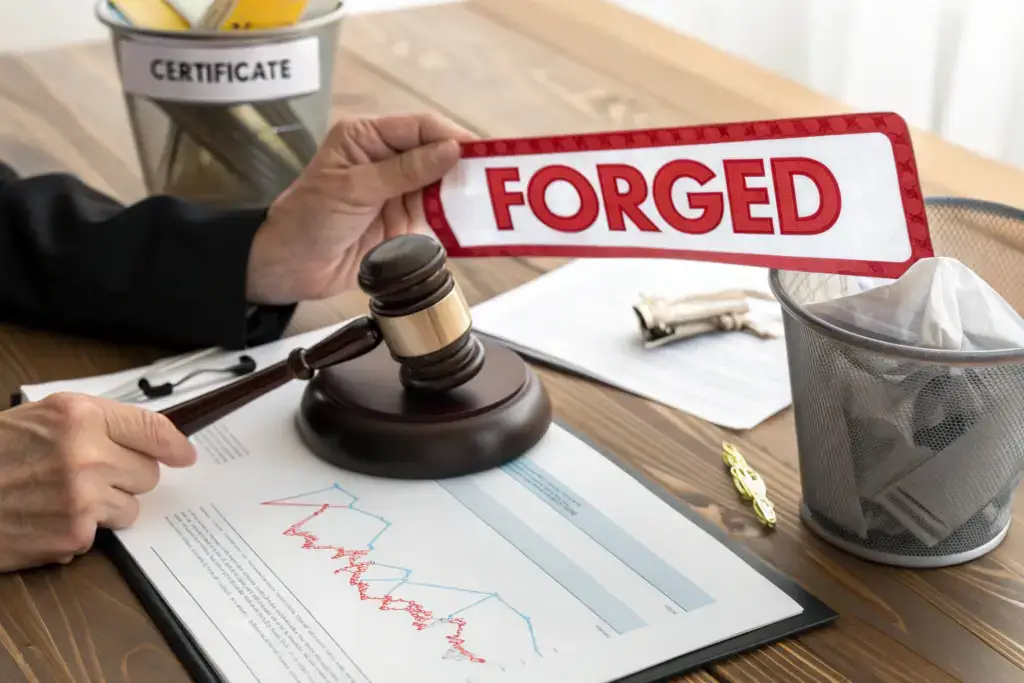
Last year, a U.S. brand discovered a shocking truth: the "OEKO-TEX" labels on their 5,000-unit polo shipment were completely counterfeit. The Chinese supplier had altered an expired certificate from another factory. The brand faced a nightmare—recalling products from retailers, destroying inventory, and settling a class-action lawsuit for false advertising. The total loss exceeded $250,000. The supplier? They simply vanished, re-opening under a new company name. This stark reality underscores the severe, asymmetric risks in the certification ecosystem.
Penalties for suppliers using fraudulent OEKO-TEX certificates are severe but often difficult to enforce across borders. They include legal liability for breach of contract and fraud, financial claims for damages, permanent blacklisting from the OEKO-TEX system, and criminal prosecution in jurisdictions with strong fraud laws. However, the most immediate and devastating penalties typically fall on the unknowing buyer—the brand or importer—who faces product recalls, legal action, destroyed reputation, and financial ruin.
Understanding this penalty landscape is not academic; it's a vital part of your risk management strategy when sourcing. It informs why you must verify, not just trust. Let's dissect the consequences from both the supplier's and the buyer's perspectives.
What Legal and Financial Repercussions Can a Supplier Face?
While a dishonest supplier may attempt to disappear, legitimate legal and commercial frameworks exist to penalize them. The effectiveness depends on the buyer's resources, jurisdiction, and the supplier's asset profile.
First, from a contract law perspective, providing goods with fraudulent certification is a fundamental breach of contract. It misrepresents the core nature of the product. The buyer can sue for:
- Full refund of the purchase price.
- Compensatory damages covering all downstream losses: recall costs, destroyed inventory, lost profits, and legal fees.
- In some cases, punitive damages if fraud is proven, which can be multiples of the actual loss.
Second, the act of forging or misusing a certification trademark like the OEKO-TEX label constitutes trademark infringement and fraud. OEKO-TEX, as an organization, can and does pursue legal action against entities misusing its marks. They have legal teams that issue cease-and-desist orders and file lawsuits to protect the integrity of their system. A supplier caught in this will be permanently barred from obtaining any OEKO-TEX certification in the future.
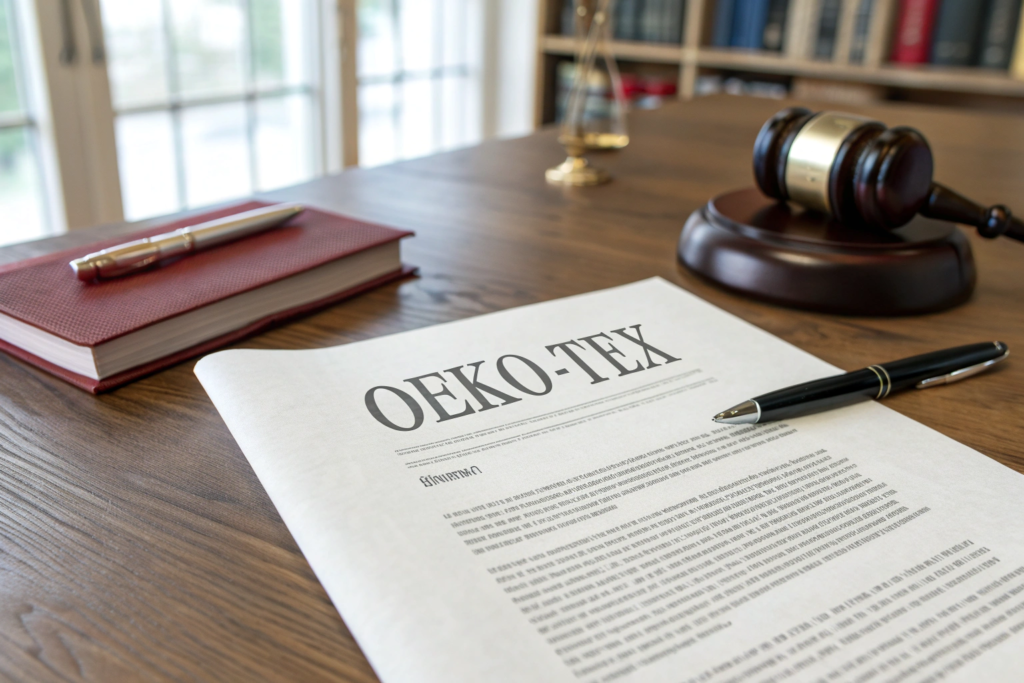
How Does OEKO-TEX Itself Police and Penalize Fraud?
OEKO-TEX operates a multi-layered enforcement system:
- Annual Unannounced Audits: Certified facilities are audited yearly. Auditors check production records, chemical inventories, and verify that certified materials are used for certified products. Inconsistencies lead to immediate suspension.
- Market Surveillance: OEKO-TEX and its member institutes actively monitor the market, including online platforms like Alibaba, for misuse of their labels and certificates.
- Public Database & Verification: Every genuine certificate has a unique number verifiable in their public database. This is the first line of defense for buyers.
- Legal Action: As the trademark owner, OEKO-TEX can sue for infringement in courts where the fraudulent activity occurs. Penalties can include substantial fines and injunctions.
A supplier operating a certified factory who is caught subcontracting certified orders to an uncertified "shadow factory" will have their certification immediately revoked and be publicly listed as terminated.
What Are the Practical Challenges in Enforcing Penalties?
The stark reality is that enforcement across international borders is complex and expensive. A small or medium-sized brand may not have the resources to pursue a supplier in a foreign legal system. The supplier may be a "shell" company with no recoverable assets. This enforcement gap is precisely why preventative due diligence is infinitely more valuable than post-facto legal action. The most effective "penalty" for a supplier is the loss of reputable, long-term clients who do their homework.
What Catastrophic Penalties Does the Buyer (Brand/Importer) Incur?
This is the crux of the issue. The penalties that cascade onto the buyer are often swift, severe, and business-threatening. They operate on three fronts: financial, legal, and reputational.
Financial Penalties:
- Total Inventory Loss: The entire shipment with fraudulent claims is worthless. It cannot be sold legally and must be destroyed.
- Recall Costs: If the goods have reached retailers, the cost of logistics, reverse logistics, and customer refunds is immense.
- Regulatory Fines: Government agencies like the FTC in the U.S. can levy heavy fines for false advertising and consumer deception.
- Legal Defense Costs: Fighting lawsuits from consumers or retailers drains capital.
Legal and Regulatory Penalties:
- Consumer Lawsuits: Class-action suits for false "green" or "safety" claims are increasingly common.
- Breach of Retailer Contracts: Major retailers have strict vendor compliance agreements. Providing mislabeled goods can trigger massive chargebacks and permanent delisting.
- Customs Seizure: If a fraudulent certificate is used for customs clearance and discovered, the shipment can be seized, and the importer can be fined and placed on a heightened inspection list.
Reputational Penalties (The "Death Penalty"):
This is often irreversible. News of a recall or a lawsuit for selling "fake sustainable" products spreads quickly on social media and industry press. Trust, built over years, evaporates overnight. For a golf brand, losing the trust of clubs and pro shops is a fatal blow. A single incident can permanently tarnish a brand as dishonest or negligent.

How Can Brands Proactively Shield Themselves?
The only defense is a robust verification protocol. Your sourcing checklist must include:
- Database Verification: For every shipment, verify the certificate number on the OEKO-TEX website.
- Direct Factory Audit: Visit or hire a third-party to audit the factory. Confirm their certification is on the wall, matches the database, and that they understand its scope.
- Scope Validation: Ensure the certificate specifically covers the product you are buying (e.g., "Golf Dress, Style XYZ"), not just a generic fabric.
- Partner with Vertically-Integrated Manufacturers: Work with factories like Shanghai Fumao where certification is managed in-house from fabric to finish. Our annual audit and transparent process are your insurance policy. We provide direct access to our certification documents and welcome verification.
What Does a Real-World Case Study Reveal?
Let's analyze a non-confidential, anonymized case from our industry network:
| Aspect | The Fraud | The Penalty for Supplier | The Penalty for Brand |
|---|---|---|---|
| Event | Supplier used a bought OEKO-TEX certificate from a defunct factory for a run of yoga pants. | OEKO-TEX initiated a trademark lawsuit in local Chinese court. Case is ongoing (2+ years). | Retailer discovered fraud, initiated a full recall. 10,000 units destroyed. |
| Financial | Supplier's assets were minimal. Likely judgement will be unenforceable. | Legal fees incurred. | Direct Loss: ~$200,000. FTC fine: $50,000. Legal settlement with consumers: $150,000. |
| Reputational | The supplier's new company name is now known among informed buyers as high-risk. | The brand's name was dragged through trade media. Key retail partnerships were terminated. | |
| Operational | Supplier continues operating under new entity. | The brand's entire sourcing and QA team was overhauled; now requires triple-verification for all certifications. |
This case clearly shows the asymmetry: the brand bore nearly all the tangible, immediate cost.
Conclusion
The penalties for suppliers with fraudulent OEKO-TEX certificates are theoretically severe but often practically elusive due to jurisdictional and enforcement challenges. The truly devastating penalties—financial ruin, legal liability, and reputational catastrophe—are overwhelmingly borne by the importing brand.
Therefore, treating certification as a box-ticking exercise is a profound business risk. Your sourcing strategy must be built on verification and partnership, not blind trust. The cost of rigorous due diligence is a fraction of the cost of a single incident of fraud.
At Shanghai Fumao, we understand that our certification is a covenant of trust with our clients. We maintain an open-book policy regarding our OEKO-TEX STeP and STANDARD 100 certifications because our business model is built on longevity and reputation, not short-term deception. Protect your brand by partnering with verifiable, transparent manufacturers. To audit our credentials and discuss a secure sourcing partnership, contact Business Director Elaine at elaine@fumaoclothing.com.