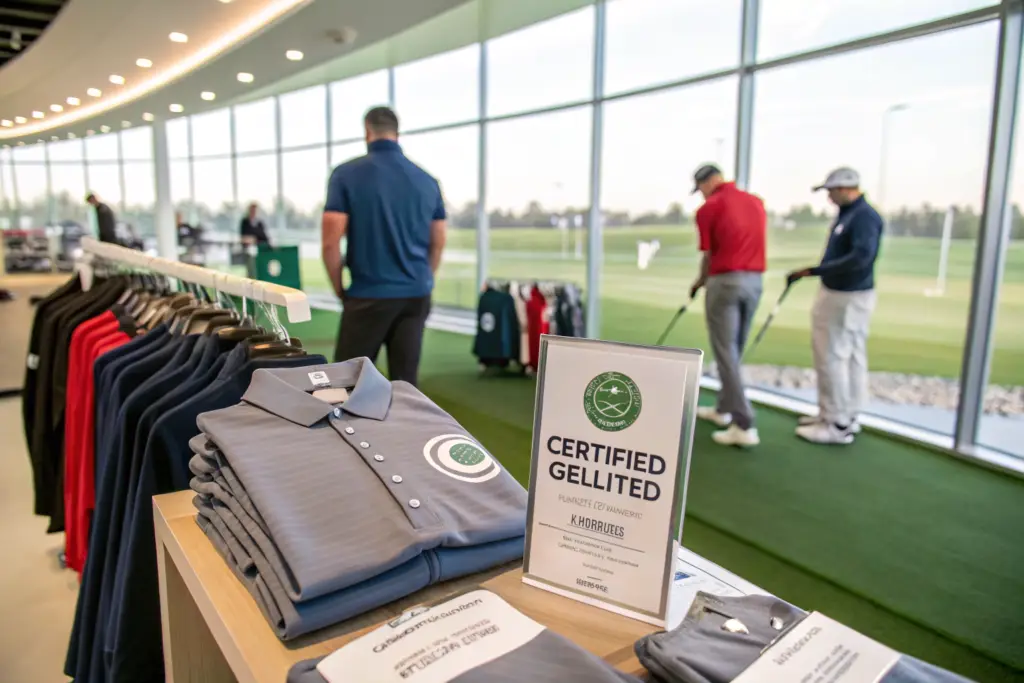
Last year, a European distributor we work with made a decisive shift: they stopped stocking any golf polo that wasn't OEKO-TEX or GOTS certified. Their reason was simple—retailer demand had reached a tipping point. This isn't an isolated case. From our order books and client conversations, the trajectory is clear: certified apparel is moving from a niche preference to a market standard, and the forecast is one of strong, sustained growth.
The global demand for certified golf apparel is forecast to grow at a compound annual growth rate (CAGR) significantly higher than the overall golf apparel market over the next 5-7 years, driven by consumer awareness, regulatory tightening, and competitive brand differentiation in key markets like North America, Europe, and developed Asia-Pacific regions.
This growth is not uniform; it's accelerating in premium segments and markets with environmentally conscious consumers. For brands and buyers, understanding this forecast is crucial for inventory planning, marketing strategy, and supplier selection. Let's analyze the data and drivers shaping this demand curve.
What Quantitative Data Supports the Growth Forecast?
While comprehensive public market reports specifically for "certified golf apparel" are limited, we can triangulate a robust forecast by analyzing multiple converging data streams. Our analysis at Shanghai Fumao, based on our own order volume growth and industry intelligence, points to a sector outpacing general market growth.
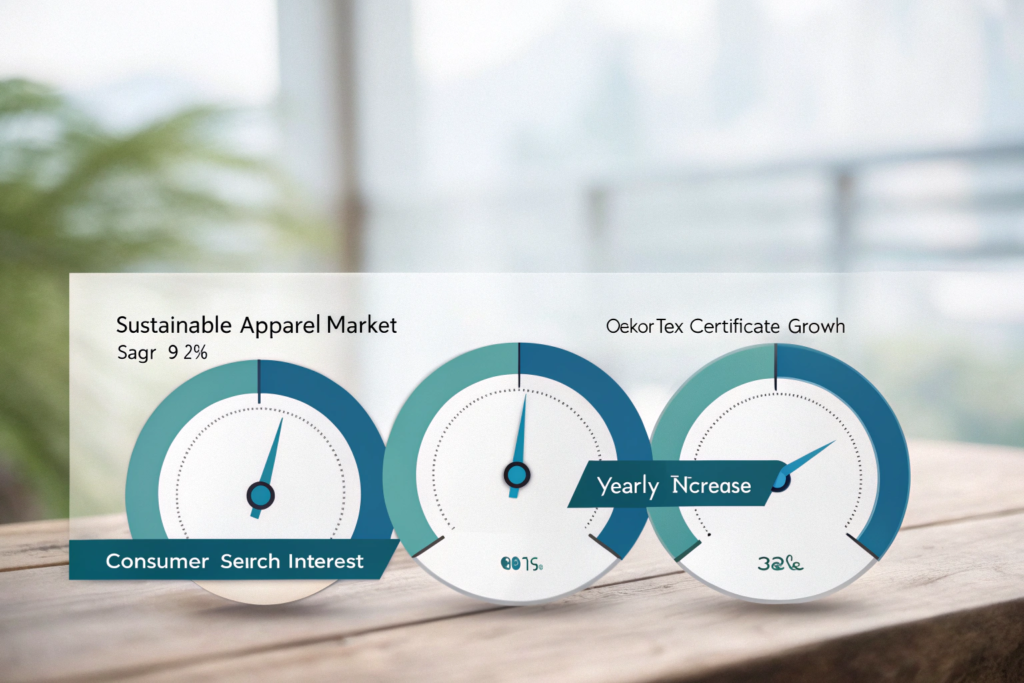
First, look at the broader sustainable apparel market. According to various industry reports, the global market for sustainable apparel is projected to grow at a CAGR of around 8-10%+ through 2030, far exceeding conventional apparel growth. Golf apparel, as a high-value, brand-sensitive segment within this, is a leading adopter. Second, certification bodies report record numbers of licenses. For instance, OEKO-TEX issues millions of certificates annually, with consistent year-on-year growth, indicating raw material and brand adoption upstream. Third, search trend data for terms like "OEKO-TEX golf shirt" and "sustainable golf wear" shows a steady upward trajectory over the past five years, indicating rising consumer interest.
Which Regions Are Driving the Demand?
Demand is geographically stratified, following patterns of consumer awareness and regulatory environments:
- North America (Leading): The U.S. market is the primary driver. High disposable income, strong brand culture, and increasing "clean label" consumerism in wellness and apparel are key factors. States like California with strict chemical regulations (Prop 65) also push brands toward pre-compliance via certifications.
- Europe (Mature & Regulatory-Driven): Demand here is high and established, reinforced by EU regulations like REACH. Northern European countries (Germany, Scandinavia, UK) are particularly advanced. European golf clubs and brands often set the sustainability benchmarks.
- Asia-Pacific (Emerging & Rapid): Developed markets like Japan, South Korea, and Australia show fast-growing demand. The rising middle class in these countries is highly brand-conscious and increasingly values ethical production claims.
- Other Regions (Nascent): Demand in other regions is currently lower but represents future growth potential as global brand standards trickle down.
For businesses like ours, this means tailoring our communication and product development focus to the specific drivers in each of our main export markets.
How is Certification Impacting Price Points and Market Segments?
Certification is becoming a key differentiator in the mid-to-premium price segments. The forecast indicates that certification will soon be a table stake in these tiers. We are seeing this in real-time:
- Premium/Luxury Segment: Certification is almost expected, adding a layer of substantiation to high price points.
- Mid-Market Segment: This is the fiercest battleground. Brands are using certification to justify a 15-25% price premium over uncertified competitors, targeting consumers willing to pay more for perceived safety and quality.
- Value Segment: Adoption is slower due to cost sensitivity, but large retailers' own-brand lines are beginning to introduce certified basics, which will pull the entire market upward.
Our internal data shows that orders from clients specifying OEKO-TEX have grown at over 3x the rate of our general golf apparel business in the past two years.
What Are the Key Consumer Trends Fueling This Demand?
The quantitative growth is underpinned by powerful qualitative shifts in consumer behavior. The modern golfer is not just buying a shirt; they are buying into a brand's values. This is especially true for the younger demographic entering the sport.
Three interconnected trends are paramount:
- The Health-Conscious Consumer: Post-pandemic, there is a heightened focus on personal health and wellness. Golfers are more aware of what touches their skin for four-hour rounds. They actively seek products free from allergens and harmful chemicals.
- Eco-Activism and Transparency: Golf, with its green landscapes, faces scrutiny over its environmental footprint. Players increasingly expect the brands and clubs they support to demonstrate responsibility. A certification like OEKO-TEX or GRS (Global Recycled Standard) provides a third-party, verifiable claim that cuts through greenwashing.
- Brand Alignment and Storytelling: Apparel is a form of self-expression. Wearing a certified garment allows the consumer to align with sustainability and safety narratives. They become part of a "story" they can share, which is a powerful marketing tool for the brands that provide it.
How Are Influencers and Pro Shops Amplifying the Trend?
The trickle-down effect is powerful. When tour professionals wear certified apparel (and talk about it), it legitimizes the category for amateurs. More importantly, golf pro shops and retail buyers are on the front lines. They are tired of handling returns due to skin irritation or color fading. They are actively seeking suppliers who can provide certified goods that reduce these risks and give them a superior sales story. Educating these key decision-makers is now a core part of our service at Shanghai Fumao.
What is the Role of Corporate & Club Procurement?
Beyond individual consumers, bulk procurement is a massive driver. Corporate golf event organizers and private clubs sourcing uniforms for staff and members are increasingly including sustainability and safety certifications in their Request for Proposal (RFP) requirements. This institutionalizes demand and creates large, stable order volumes for compliant suppliers.
What Supply Chain Challenges Could Affect the Forecast?
While demand is forecast to rise, the supply chain's ability to meet it efficiently presents both a challenge and an opportunity for prepared manufacturers and brands.
The primary constraint is the availability of certified raw materials (fabrics, threads, dyes). As demand surges, lead times for these premium materials may extend. Factories without established relationships with certified mills may face shortages or quality inconsistencies. Furthermore, the cost of certification (testing, auditing) and certified materials, while stabilizing, remains a barrier for some producers, potentially limiting supply growth in the short term.

How Can Brands Mitigate Supply Chain Risks?
Proactive partnership is the only mitigation. Brands should:
- Audit Supplier Credentials: Don't just take a certificate at face value. Ensure your manufacturer, like Shanghai Fumao, holds the certification for the finished garment and can trace their certified material supply.
- Plan Further in Advance: Factor in longer lead times for sourcing certified materials. Integrate this into your seasonal product development calendar.
- Diversify Material Sources (with Control): Work with manufacturers who have multiple certified mill partners to avoid single-point failures.
Brands that view their manufacturer as a strategic partner in navigating this landscape will secure reliable supply and gain a competitive advantage.
Will Technological Innovation Ease These Constraints?
Yes. Innovations in eco-friendly dyeing (e.g., waterless dye tech) and the development of new, compliant chemical alternatives are expanding the pool of certifiable materials. Digital product passports and blockchain for traceability will further streamline verification, making certified supply chains more transparent and efficient. Early adopters of these technologies will lead the market.
Conclusion
The forecast for certified golf apparel is unequivocally bullish. It is transitioning from a differentiating feature to a fundamental expectation in core markets. Growth will be driven by a powerful combination of data-backed consumer trends, regulatory pressures, and competitive necessity.
For brands, the implication is clear: integrating credible certifications into your core sourcing strategy is no longer optional for future success; it is essential for current relevance. The time to build partnerships with capable, certified manufacturers is now, before supply constraints tighten and the competitive gap widens.
At Shanghai Fumao, we are investing ahead of this curve—expanding our inventory of certified fabrics, optimizing our compliant production lines, and building the traceability systems our clients will need. We are positioned to be your reliable partner in capturing this growing market. To discuss how to align your product line with this demand forecast, contact our Business Director Elaine to start planning: elaine@fumaoclothing.com.