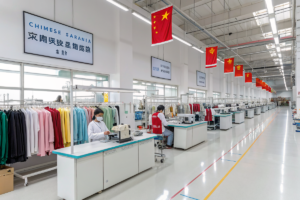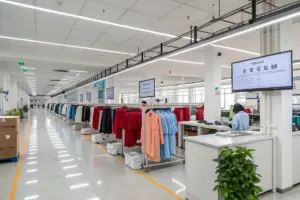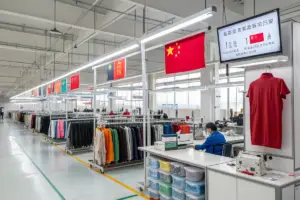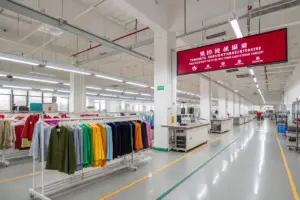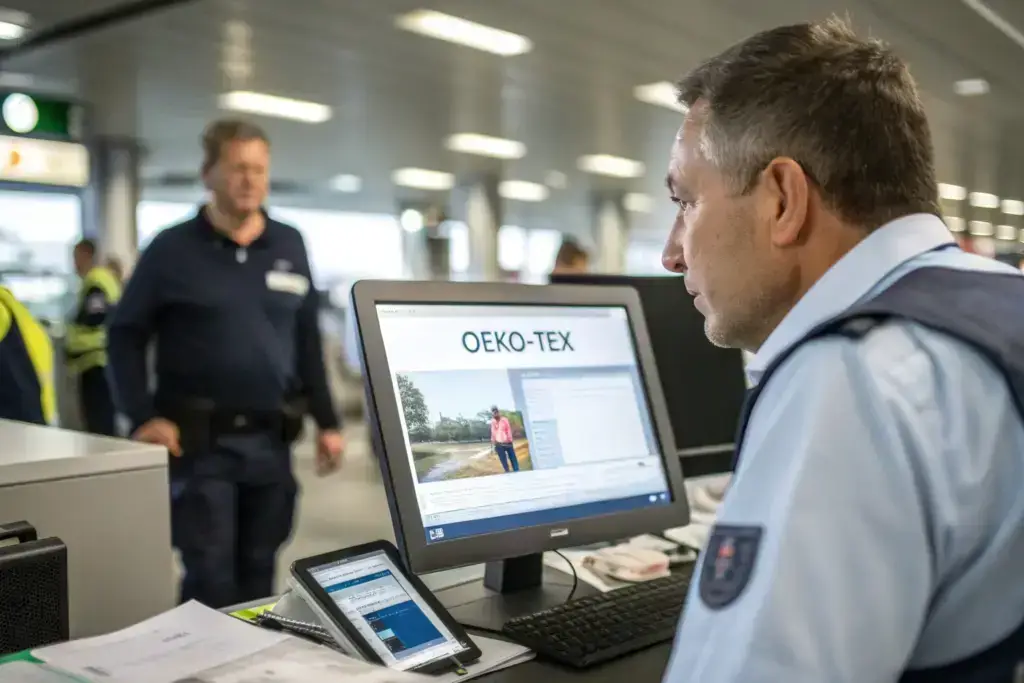
Three months ago, a shipment of our client’s premium golf polos was held at the Port of Los Angeles for a routine "textile safety inspection." While frustrating, our team had the OEKO-TEX STANDARD 100 certificates and test reports digitally linked to the shipment’s documentation. Customs reviewed the files and released the container within 48 hours, avoiding demurrage charges that typically run hundreds of dollars per day. This is the practical, real-world value beyond marketing.
Yes, OEKO-TEX certification can significantly simplify customs clearance for golf apparel imports into markets like the US and EU. It provides a globally recognized, third-party documentary proof that the goods comply with stringent chemical safety standards, which helps customs authorities quickly verify compliance and reduces the risk of costly delays, detentions, or rejections.
While not a "free pass," it functions as a pre-verified compliance dossier that addresses many of the regulatory questions upfront. For importers, this translates into predictability, cost savings, and risk mitigation. Let’s dissect exactly how this works at the border.
How Do Customs Authorities Use OEKO-TEX Documentation?
Customs agencies worldwide are increasingly tasked with enforcing consumer product safety regulations, not just collecting duties. For textiles, this includes monitoring for restricted substances like formaldehyde, heavy metals, and certain dyes. The challenge for customs is verifying compliance quickly without lab-testing every shipment.
This is where a valid OEKO-TEX certificate becomes a powerful tool. It is a pre-audited, standardized document issued by an independent, internationally recognized consortium. From a customs perspective, it shifts the burden of proof from them to a trusted third-party system. When presented as part of the commercial invoice or packing list dossier, it answers many of their chemical safety questions before they are asked.
Think of it as a "fast lane" credential. While random physical inspections can still occur, having the certification makes it far less likely that your shipment will be flagged for compliance-based testing, which is the type of delay that can stretch for weeks.
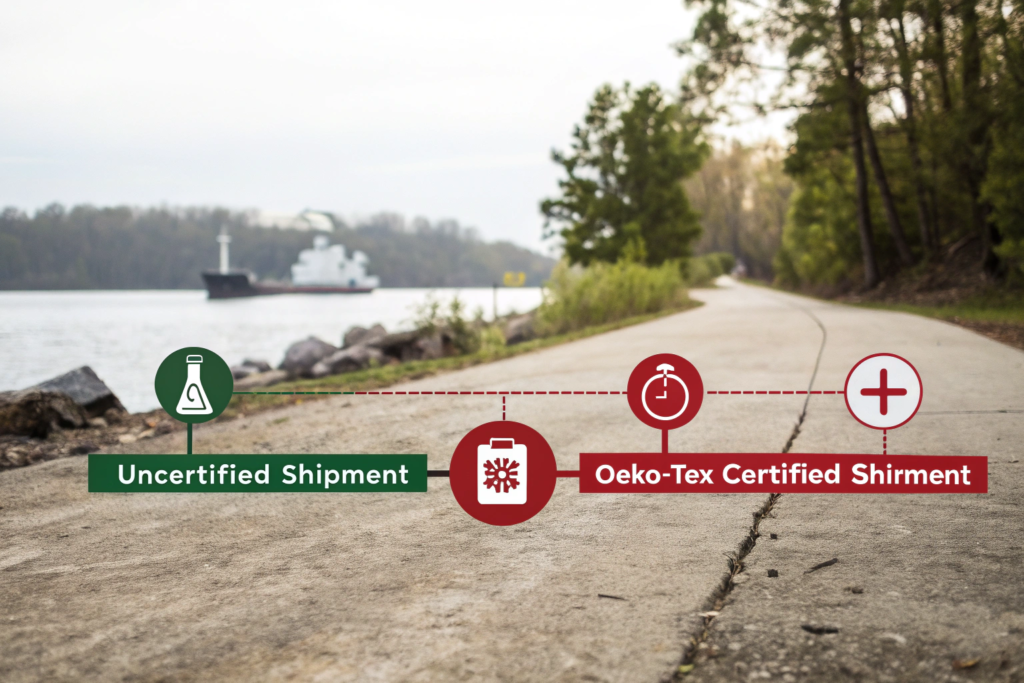
What Specific Information on the Certificate is Key for Customs?
The customs officer needs to verify authenticity and relevance quickly. Ensure your supplier provides a certificate that clearly shows:
- Certificate Holder: The legal name of the manufacturing entity (e.g., Shanghai Fumao Co., Ltd.) must match the exporter on the commercial documents.
- Product Description: Must accurately describe the imported goods (e.g., "Men’s Knitted Golf Polo Shirt"). Vague descriptions can raise doubts.
- Valid Date: The certificate must be current (issued or renewed within the last year).
- Standard and Product Class: Clearly states "STANDARD 100" and the applicable class (Class II for direct skin contact).
- Unique License Number and QR Code: This allows for instant verification in the OEKO-TEX public database.
We advise all our clients to include the certificate number directly on the commercial invoice. This creates an auditable paper trail from the factory floor to the port.
Does it Help with Regulations Like CPSIA or REACH?
Absolutely. While OEKO-TEX is a private standard, its requirements often meet or exceed the legal limits set by regulations like the U.S. Consumer Product Safety Improvement Act (CPSIA) for lead and phthalates, or the EU’s REACH regulations for restricted substances. Presenting an OEKO-TEX certificate is strong prima facie evidence that the product is likely compliant with these laws. It demonstrates due diligence on the part of the importer, which is a critical factor in mitigating liability. For complex supply chains, this simplification is invaluable.
What Are the Logistical and Financial Benefits at Clearance?
The benefit is not just about avoiding problems; it’s about creating efficiency and predictability in your supply chain, which directly protects profitability.
The core financial benefits are:
- Avoiding Demurrage and Detention Fees: These port storage and container hold fees can accumulate rapidly, often exceeding $100-200 per day. A delay of one week can erase the entire margin on a standard container of apparel.
- Eliminating Costly Testing Holds: If customs selects a shipment for testing, the importer is usually responsible for the testing fee (thousands of dollars) and the storage costs during the wait (4-8 weeks). Certification drastically reduces this risk.
- Preventing Stock-Outs and Missed Seasons: For golf apparel, timing is seasonal. A delayed spring/summer shipment arriving in fall is a total loss. Reliable, predictable clearance is as valuable as on-time production.
From a logistics standpoint, it streamlines the work of your freight forwarder and customs broker. They have clear, authoritative documentation to submit, making their job easier and reducing back-and-forth communication.

How Does This Integrate with DDP Shipping Terms?
For buyers who utilize Delivered Duty Paid (DDP) terms, the value is even higher. Under DDP, the seller (us, as the manufacturer) assumes all risks and costs until the goods are delivered to your warehouse. A certified supplier like Shanghai Fumao has a vested interest in smooth customs clearance because we bear the financial risk of delays. Therefore, we proactively manage the entire documentation process, ensuring certificates are correctly formatted, submitted electronically where possible, and immediately available upon request. This integrated service turns a potential pain point into a seamless part of the full-package manufacturing offering.
Can It Reduce Insurance Premiums or Liability?
While direct insurance premium reductions are case-specific, demonstrating a proactive risk management strategy—like sourcing only certified goods—can positively influence your business’s overall risk profile with insurers. More importantly, it significantly reduces your liability risk. If a consumer were to raise a safety issue, having OEKO-TEX certification provides a robust defense, showing you took reasonable steps to ensure product safety. This protects your brand from costly litigation and recalls.
What Are the Limitations and Common Pitfalls?
Certification is a powerful tool, but it is not a magic wand. Understanding its limitations is crucial to avoid complacency.
First, OEKO-TEX primarily addresses chemical safety. It does not cover other customs concerns such as:
- Duty Classification and Valuation: Correct Harmonized System (HS) codes and declared value are separate issues.
- Country of Origin Labeling: The physical "Made in" labels must still comply with marking rules.
- Flammability Standards: For certain apparel items, separate flammability tests (like for the US) may still be required.
- Intellectual Property Rights: Customs can detain goods for trademark or copyright infringement independently.
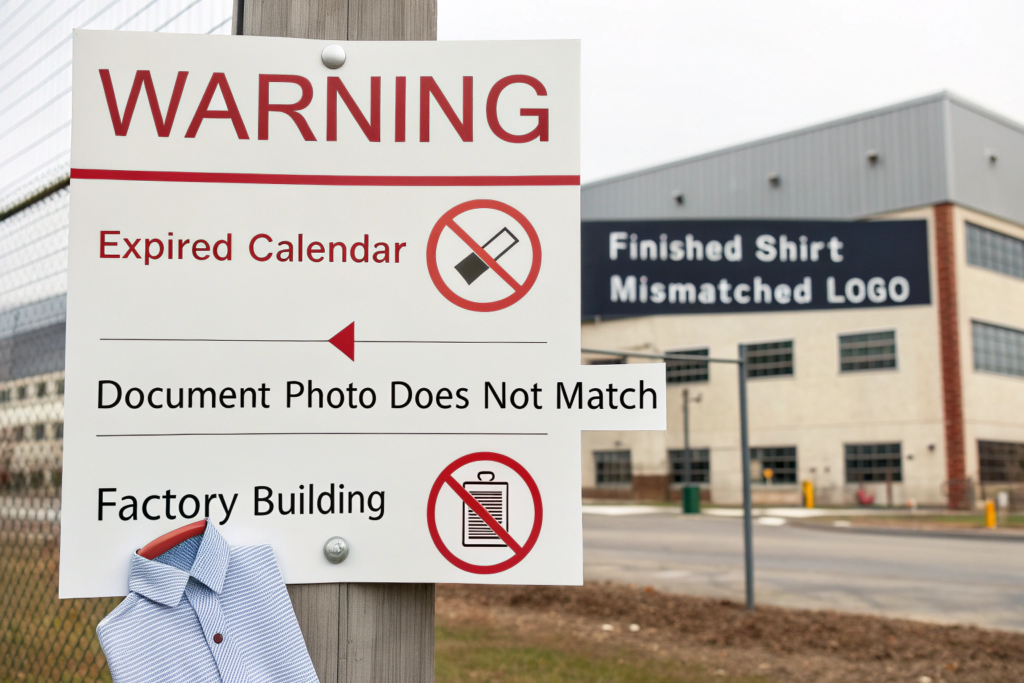
Second, the biggest pitfall is invalid or misapplied certification. This occurs when:
- The certificate is for the fabric but not the final, embroidered garment.
- The certificate has expired.
- The product shipped differs from the product described on the certificate.
- The certificate is from a different, unrelated factory (a form of falsification).
How Can Importers Verify and Mitigate These Risks?
Due diligence is non-negotiable. You must:
- Verify Online: Use the unique license number on the OEKO-TEX public database to check the certificate’s status, scope, and holder.
- Request Scope Letters: For large or complex orders, ask your manufacturer for a formal letter confirming the certification covers the exact items, quantities, and production dates of your shipment.
- Work with Reputable Manufacturers: Partner with established factories like ours that have a long-term investment in maintaining their certification integrity. We undergo annual unannounced audits, which serve as an independent check on our processes.
Trust, but verify. This approach directly tackles the common buyer pain point of suppliers occasionally falsifying certificates.
Conclusion
OEKO-TEX certification is a strategic logistics and compliance asset, not merely a marketing claim. For importers of golf apparel, it simplifies customs clearance by providing authoritative, pre-verified documentation that satisfies key regulatory concerns, leading to faster release times, lower risk of costly delays, and stronger liability protection.
The key to leveraging this benefit is partnership with a transparent, certified manufacturer who integrates documentation into the shipping process and stands behind the validity of their certificates. It turns a potential border checkpoint into a smooth gateway.
At Shanghai Fumao, we build this assurance into every order. Our quality control system ensures the product matches the certificate, and our logistics team expertly handles the documentation for seamless export to the U.S. and Europe. To ensure your next shipment clears customs with ease, let’s discuss your certified apparel needs. Contact Business Director Elaine at elaine@fumaoclothing.com.