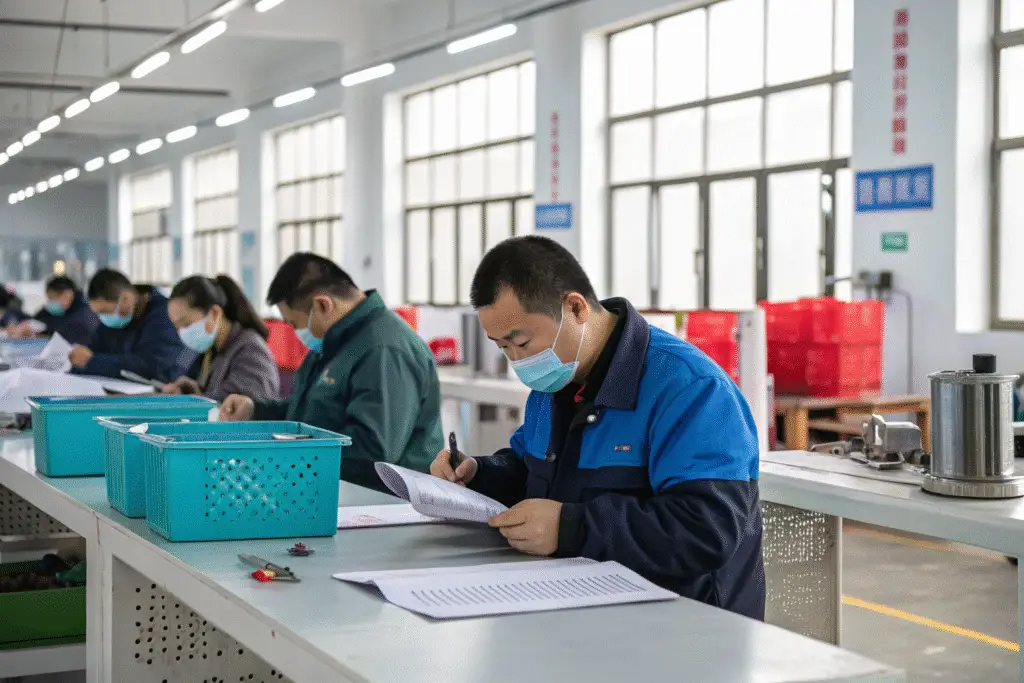
Auditing wages is one of the most sensitive and important aspects of responsible apparel manufacturing. Many buyers, regulators, and certification bodies pay close attention to whether factories are paying fair wages. Problems like underpayment, excessive overtime, or falsified payroll records can damage trust, cause compliance failures, and hurt long-term business.
The best practices for fair wage audits focus on transparency, proper record-keeping, independent verification, and worker engagement. These practices help ensure compliance with international labor standards and also strengthen partnerships with global buyers.
When applied consistently, fair wage audits protect both workers and manufacturers. They ensure compliance with U.S. and European buyers’ codes of conduct, reduce the risk of penalties, and help manufacturers build credibility as trusted suppliers.
Ensure Transparent Payroll Systems
Manufacturers often fail audits because payroll systems lack transparency. Problems such as double books, cash payments, or unclear overtime records are common risks.
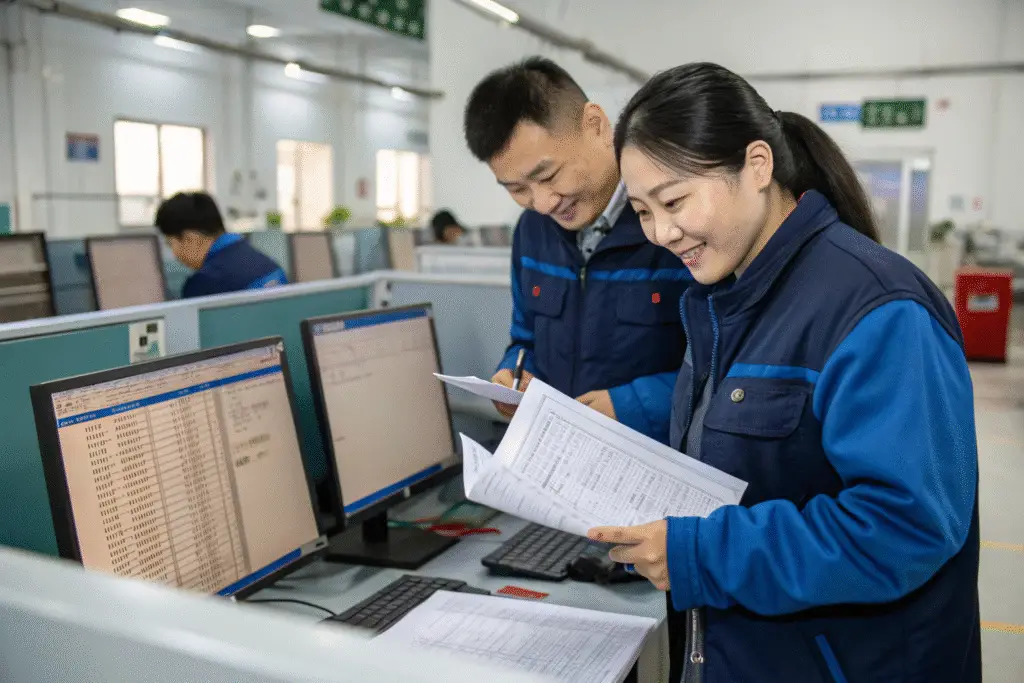
A transparent payroll system requires accurate documentation of wages, hours worked, and deductions. It also means using digital systems where possible, so that audit trails are harder to falsify.
How can digital payroll systems improve compliance?
Digital payroll platforms reduce human error and manipulation. They create secure records that can be compared with time logs. Solutions like ADP Workforce Now or SAP SuccessFactors are widely used by global companies. For factories in China, integrating payroll with biometric attendance systems ensures accuracy and prevents ghost employees.
Why should payroll records match attendance data?
Auditors usually cross-check payroll slips with attendance logs. If workers sign attendance manually but wages are calculated separately, gaps appear. Best practice is to synchronize both. For example, tools like Kronos Workforce Management allow companies to connect time tracking with payroll, ensuring alignment and reducing disputes.
Conduct Worker Interviews Professionally
Worker interviews are the heart of wage audits. Payroll records may look correct, but worker testimonies often reveal unpaid overtime or deductions.
Best practice is to conduct private, anonymous, and well-structured interviews, ensuring workers feel safe to speak honestly without fear of retaliation.

What makes worker interviews effective?
Auditors should use random sampling, covering different departments, genders, and job roles. Using structured questionnaires such as those in SA8000 audits ensures consistency. Workers should be interviewed outside the production line to minimize pressure.
How can manufacturers build worker trust?
Trust comes from confidentiality and visible fairness. For instance, offering workers a hotline for anonymous wage concerns, managed by a third party like Sedex, helps improve confidence. When workers see management taking complaints seriously, interviews during audits become more accurate.
Align With International Wage Standards
Global buyers expect suppliers to align wages with international standards, not just local laws. This includes respecting living wage benchmarks, overtime limits, and benefits.
Auditors often use global frameworks such as the ILO conventions or the Fair Labor Association guidelines to measure wage practices.

Why are living wage benchmarks important?
A legal minimum wage may not cover basic needs. Many buyers now demand wages that allow workers to live decently. Organizations like Global Living Wage Coalition publish benchmarks for different countries. Factories aligning with these standards gain a stronger reputation.
How can suppliers prove compliance with global standards?
Suppliers should keep documentation showing how their wages compare with benchmarks. They should also maintain certifications such as WRAP or BSCI. Having updated records reduces audit risks and builds buyer confidence.
Implement Continuous Monitoring And Training
Passing a wage audit once is not enough. Continuous improvement and training are required to ensure long-term compliance.
The best practice is to set up internal audit teams, provide training for HR staff, and regularly review wage structures before external audits.
How can factories prepare staff for wage audits?
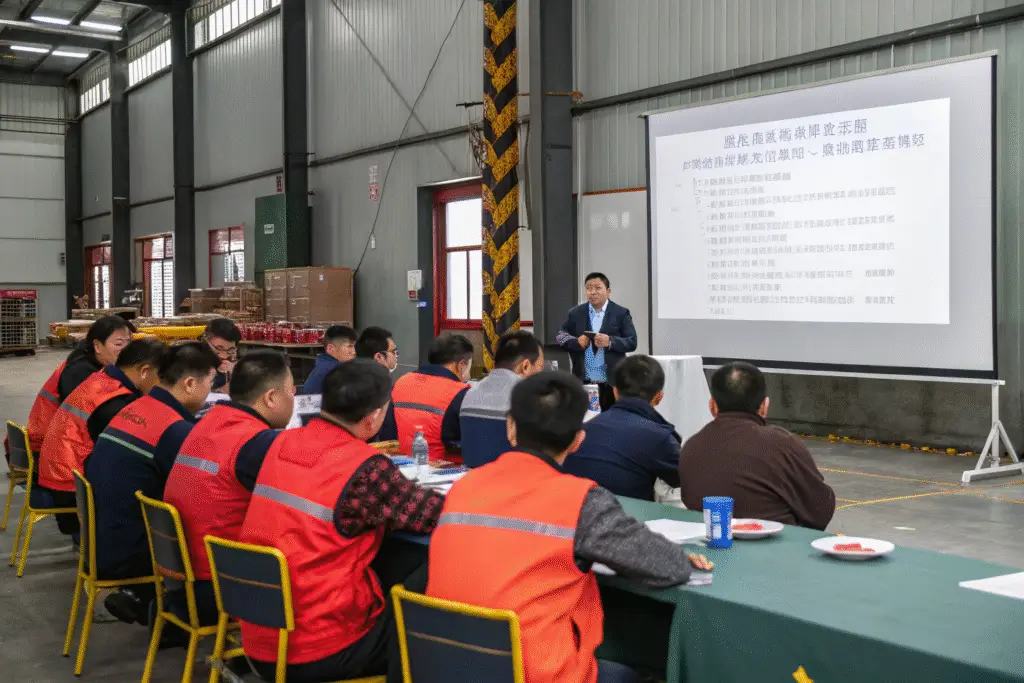
HR and payroll staff need training in record-keeping, compliance laws, and buyer requirements. Using training resources from Better Work helps staff understand expectations. Regular internal audits also reduce surprises during official checks.
Why is ongoing monitoring critical?
Markets and laws change. Buyers update their codes of conduct. By setting up continuous monitoring systems such as SMETA audits, factories can adapt quickly. Regular monitoring prevents last-minute corrections and ensures stable partnerships with buyers.
Conclusion
Fair wage audits are not just compliance exercises. They are opportunities to improve worker satisfaction, strengthen buyer trust, and demonstrate long-term sustainability. By ensuring transparent payroll systems, conducting worker interviews respectfully, aligning with international standards, and training staff regularly, factories can pass audits confidently.
If you are a U.S. apparel buyer looking for a reliable partner that respects fair wage practices, we at Shanghai Fumao Clothing are ready to support you. Contact our Business Director Elaine at elaine@fumaoclothing.com to discuss how we can manufacture your apparel orders with quality, compliance, and on-time delivery.