You found the perfect product. The factory price is great. You wire the deposit and wait. Then the nightmare begins. Your freight forwarder calls about a customs hold. You need a customs bond you don't understand. The port charges pile up daily. Your cheap FOB unit cost has just ballooned by 18%, and your stock is stuck on a dock, missing your launch date. This is the hidden cost of buying on "standard" terms. I have seen too many American clothing brand owners burn their cash and their nerves this way. You did not start a brand to become a logistics expert. You started it to sell great clothes.
Shanghai Fumao's DDP mode is reliable because we shift the financial and legal burden of importing from you to us. We become the Importer of Record into the United States. You receive one transparent, all-inclusive price per unit delivered to your warehouse. No customs bonds, no surprise port storage fees, no clearance delays are your problem. We manage the entire chain from our factory floor to your loading dock.
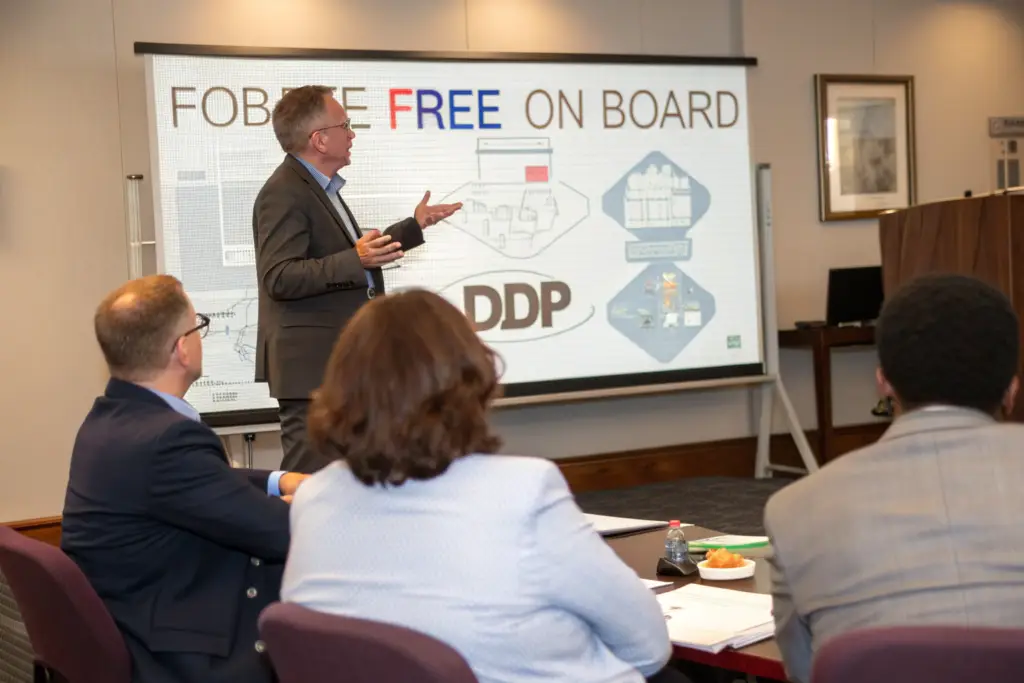
Why do we push DDP so strongly for American clients? Because FOB terms are an illusion of control that actually loads massive risk onto your balance sheet. I want to explain exactly how our DDP model works, how we solve the hard parts of US customs, and why it makes your business more predictable and more profitable.
The True Cost Advantage of Delivered Duty Paid Shipping
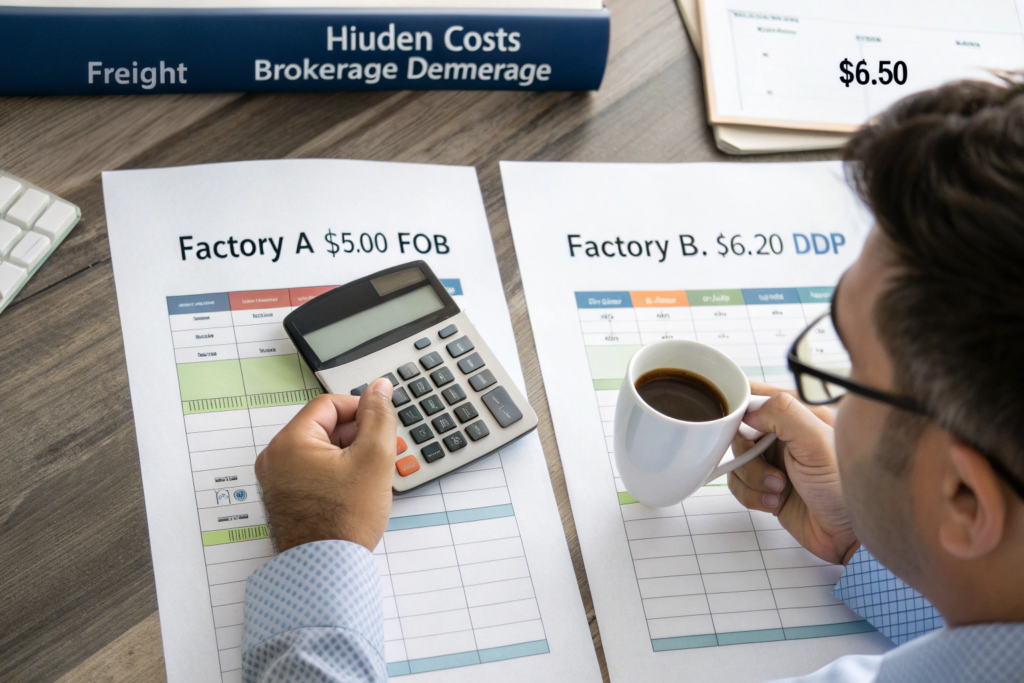
Price is the language of business. But the price you compare on a spreadsheet is often a lie. Factory A quotes you $5.00 FOB. Factory B quotes you $6.20 DDP. You instinctively choose Factory A because you see a saving. Six weeks later, you have paid $1.50 per unit in hidden freight, brokerage, and demurrage. The real landed cost was $6.50. You lost money and sleep. DDP pricing reveals the true cost upfront. It forces an honest comparison.
Our DDP pricing model gives American owners total financial predictability. The price we quote is the price you pay to your door. It includes the garment cost, ocean or air freight, US customs duties, brokerage fees, and final trucking. You eliminate the variable costs that make cash flow forecasting a guessing game.
Why Is FOB a Hidden Trap for First-Time Importers?
FOB means Free On Board. The factory's responsibility ends when the container hits the ship's rail in Shanghai. After that, you own the problem. You need to hire a US customs broker. You need to post a customs bond. You pay the ocean freight separately. When the ship arrives at Long Beach, you pay the port terminal handling charges. If customs examines your container, you pay the exam fee and the trucking diversion cost. Every day the container sits unclaimed, you pay demurrage.
I recall a first-time brand owner from Austin, Texas, who insisted on FOB terms despite our warning. His 2,000-unit order of woven shirts had an FOB price of $8.00. He thought he had a bargain. After all the destination charges and a two-week customs exam delay because his broker filed the wrong HTS code, his actual landed cost reached $11.20 per unit. He told me later it was the most expensive cheap price he ever accepted. If you want to understand the complexities you face under FOB, you can read more on importing requirements. With our DDP model, you never touch any of that.
How Does a Single Landed Cost Price Protect Your Margins?
Your retail price is based on your margin. If your landing cost is a moving target, your margin shrinks without warning. Our DDP quote locks your cost of goods sold. We calculate the US duty rate based on the correct Harmonized Tariff Schedule code for your product. We book the freight. We pay the MPF (Merchandise Processing Fee) and the HMF (Harbor Maintenance Fee) where applicable.
Because we consolidate shipments for multiple brands, our freight rates are significantly better than what a single brand can negotiate for a less-than-container load. We pass these economies of scale through to your landed price. The single invoice you receive from us is a fixed cost you can enter directly into your financial model. This is how you price your products confidently for wholesale and retail without fearing a surprise bill three months later. You can read more about these cost advantages on trade resources like Trade.gov.
Customs clearance sounds scary. It is a formal, legal process where a US government officer decides whether your goods can enter the country. If your paperwork is wrong, your goods are denied entry. This is not a theoretical risk. I have seen entire containers of apparel flagged for weeks because a supplier misdeclared the fiber content or undervalued the goods to save a few dollars on duties. We do not play games with US Customs. Our compliance is absolute. That is why our DDP shipments clear cleanly and predictably.
We navigate US Customs reliably because we file accurate, detailed entry documentation for every shipment. We use your correct brand Importer Number (IOR) and declare the true transaction value and fiber composition. Our compliance record means our containers are rarely flagged for random exams. When they are, our US-based customs broker handles it immediately, with zero input needed from you.
Can a Foreign Factory Really Be a Trusted US Importer of Record?
Yes, but only if the factory is willing to take on real financial liability. When we ship DDP, we contract a licensed US Customs broker who operates under a continuous customs bond. We legally enter the goods under our own shipper's bond or a designated consignee bond. We pay the duties directly to US Customs and Border Protection. We are auditable by CBP.
This means if a duty rate was calculated wrong or a classification was challenged, the financial penalty falls on us, not on you. I made this strategic decision because I know it builds an enormous wall of trust. A client from Los Angeles was audited by CBP last year for shipments that had entered over a twelve-month period. Because we had handled the clearance, we provided the complete entry package. The audit found zero errors. The client didn't even need to hire a trade attorney. This level of legal protection is a core reason why our DDP service is trusted by serious US brand owners. You can verify the requirements for acting as an IOR through CBP Importer of Record guidance.
What Happens If US Customs Examines a DDP Shipment?
Even with perfect paperwork, a container can be selected for a random VACIS X-ray scan or a physical tailgate exam. Under FOB, this is your crisis. You are calling the broker, negotiating with the exam site, and paying the freight diversion costs. Under our DDP service, this is our problem. We have a standard operating procedure for CBP exams.
Our logistics team in the US contacts the exam site immediately to schedule the inspection. We pay the exam fees and the trucking to the Centralized Examination Station. Because our commercial invoices are meticulously detailed with correct HTS codes and fiber breakdowns, the physical exam usually confirms the paperwork quickly. The container is released. You receive a notification of the slight delay from us, but you do not lift a finger. This proactive supply chain risk management is baked into our model. You pay for certainty. We deliver it.
Streamlined Logistics for Door-to-Door Wholesale
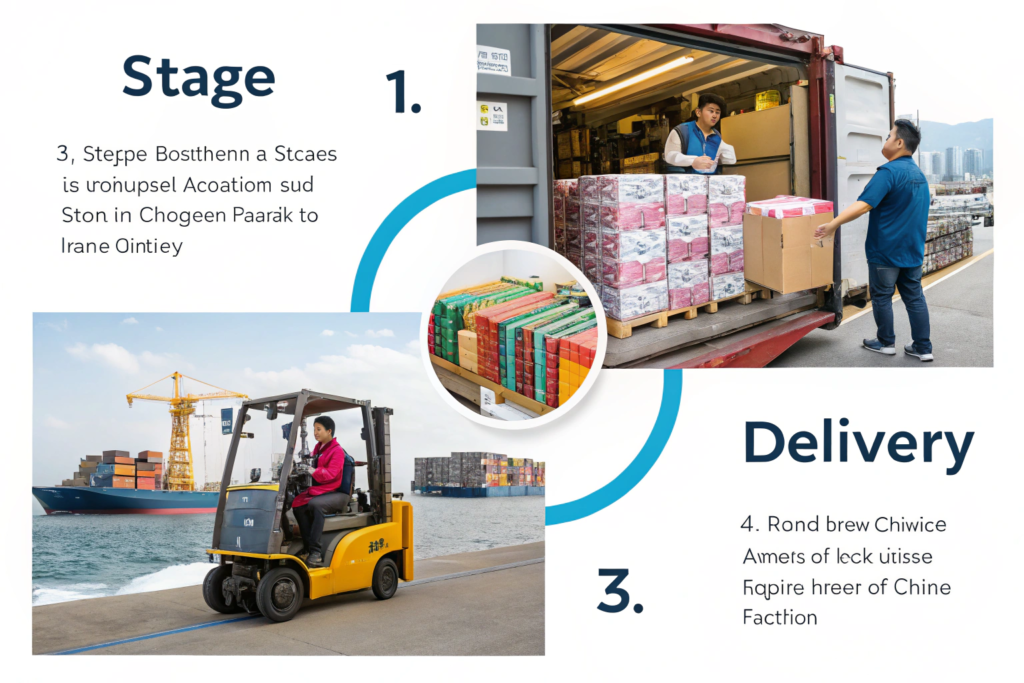
The physical movement of goods from Shanghai to your door involves a dozen handoffs. Port truckers, ocean carriers, rail operators, and last-mile delivery services all touch your product. A break in communication at any single point causes a delay. Our DDP reliability is built on controlling these touchpoints, not just hoping they work. We do not hand your goods to a random forwarder and wish you luck. We use a managed, integrated logistics pipeline.
Our door-to-door logistics network is tightly integrated with our production planning. We book vessel space weeks in advance and coordinate the trucking at both origin and destination. You receive a real-time tracking link. From pickup at our loading bay to delivery at your US warehouse, the entire chain is monitored and controlled under a single contract.
How Does Pre-Booked Vessel Space Prevent Seasonal Delays?
During the peak back-to-school and holiday shipping seasons, vessel space from Asia to the US West Coast vanishes. Factories that operate purely FOB often fail to secure space. Their containers sit at the port for two weeks waiting for a ship. Our logistics department forecasts our DDP container volume three months in advance. We contract space allocation with our carrier partners.
This guarantees a sailing date. When your order passes the final inspection, the container is already scheduled. It moves to the port and is loaded onto the booked vessel within days, not weeks. For a Chicago-based streetwear brand last fall, this pre-booking was the difference between a Black Friday launch and a December clearance sale. The goods arrived on the exact date promised. This is not luck. It is logistics planning.
What Is Last-Mile Visibility and Why Does It Reduce Anxiety?
The worst part of waiting for a shipment is the information black hole. You don't know if the container is on a train in Nebraska or still sitting at the port. We provide last-mile visibility through our logistics partner's digital platform. Once the container clears the port, it is scanned onto a truck or train. You get the carrier name and the estimated delivery appointment at your warehouse.
You can plan your receiving staff. You can update your sales team. For a Florida-based resort wear distributor, this tracking link became their most-used URL during the season. They aligned their warehouse slot booking with our delivery schedule perfectly. This is the kind of digital supply chain transparency that a standard FOB relationship rarely provides. It makes our DDP mode not just a shipping term, but a full-service logistics experience.
Conclusion
Is our DDP mode reliable? It is built to be the most reliable part of your supply chain. It replaces a chaotic, multi-vendor process of freight forwarders, brokers, and port agents with a single point of responsibility: us. You no longer gamble on hidden fees. You no longer learn customs law through painful mistakes. You pay one price. You get your goods delivered to your door.
This model works because we have invested in the legal infrastructure to be the Importer of Record, the carrier relationships to secure vessel space, and the on-ground brokerage to clear customs without drama. We designed DDP to give American clothing owners the same simple buying experience as purchasing from a domestic supplier. Except the manufacturing happens in our world-class factory in China, at a cost that protects your retail margin.
If you have been burned by hidden freight costs before, or if you are launching your first line and want to remove import risk from your stress list, I want to make this simple for you. Send us the specs of a style you are currently sourcing. We will send you back a single, all-inclusive DDP cost to your door.
Contact our Business Director, Elaine, at elaine@fumaoclothing.com. She can prepare a side-by-side cost comparison showing exactly how our DDP terms eliminate the risks and hidden costs you face with a standard FOB quote. Let us take the logistics weight off your shoulders so you can focus on building your brand.