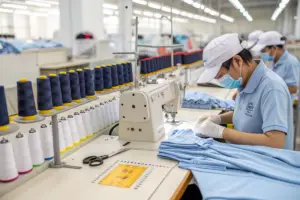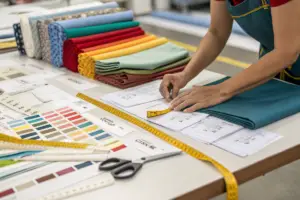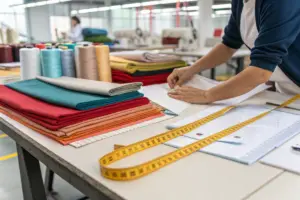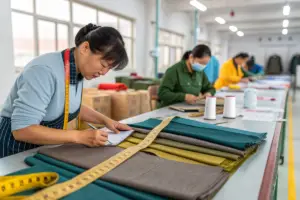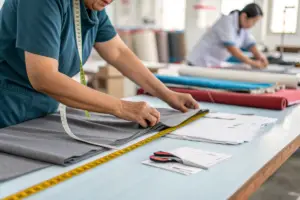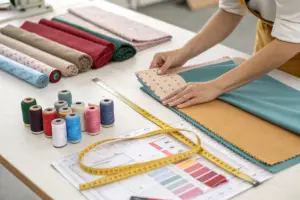
Compostable clothing is becoming one of the most exciting developments in sustainable fashion. For decades, the fashion industry has been criticized for its environmental impact, particularly with synthetic fibers and chemical-heavy processes. Today, compostable clothing innovations are providing a way forward by creating garments that can safely return to the earth at the end of their lifecycle. This article explores the key breakthroughs that are shaping this eco-friendly movement.
Compostable clothing refers to apparel made from natural, biodegradable fibers and processes that allow the garment to decompose into organic matter under proper composting conditions. These innovations focus on replacing harmful synthetics, eliminating toxic dyes, and reducing landfill waste while still delivering high-quality, durable, and stylish apparel.
The industry is in the middle of a big shift. Brands, researchers, and manufacturers are experimenting with plant-based fibers, lab-grown textiles, and safe natural dyes. This movement not only answers consumer demand for sustainability but also positions compostable clothing as a competitive edge in the global fashion market.
Plant-Based Fabrics for Compostable Fashion
The textile industry is experimenting with plant-based raw materials to create fully compostable fabrics.
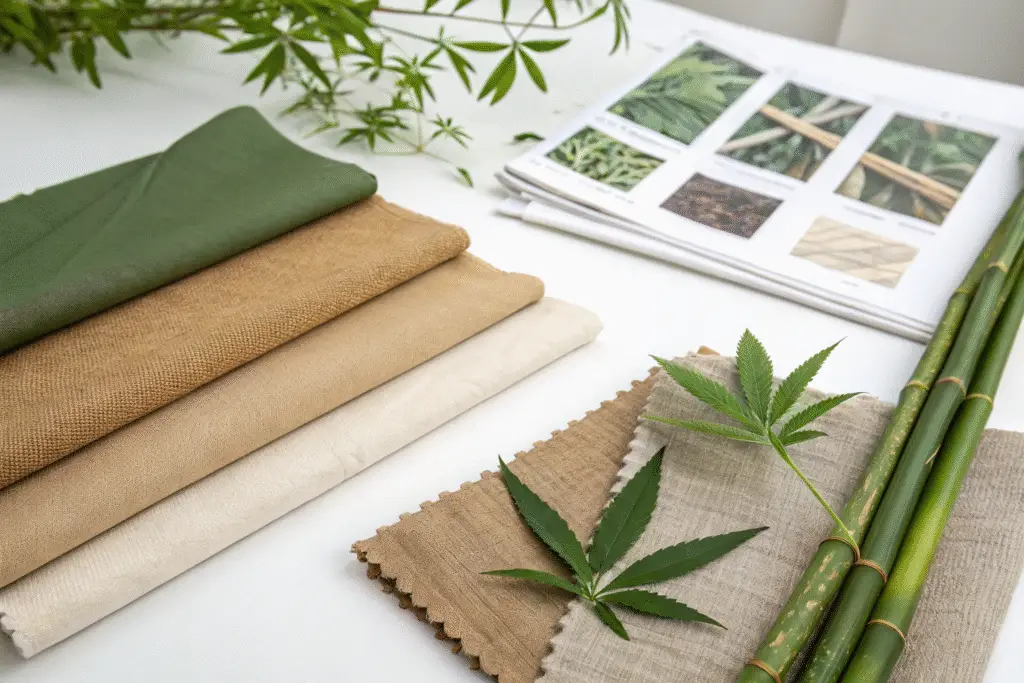
Plant-based fabrics such as organic cotton, hemp, bamboo, and banana fibers are increasingly being used because they are biodegradable and do not require harmful chemical treatments. Innovations in processing are making these fibers softer, stronger, and more versatile for different styles of clothing.
How Are Banana and Pineapple Fibers Changing Textiles?
Banana and pineapple leaf fibers, once considered agricultural waste, are now turned into high-strength fabrics. These fibers are durable, lightweight, and naturally compostable. For example, Piñatex developed from pineapple leaves is now used by fashion brands worldwide. This reduces both agricultural waste and dependence on plastics.
Another example is Bananatex, a fabric made from banana plants grown in the Philippines. It is not only compostable but also water-resistant and sturdy, making it suitable for bags, jackets, and shoes.
Why Is Hemp Making a Comeback in Sustainable Apparel?
Hemp has been used for centuries, but recent innovations make it softer and more adaptable for modern fashion. Unlike cotton, hemp grows quickly, requires little water, and restores soil health. When woven into textiles, hemp fabrics decompose naturally. Companies such as Hemp Traders are supplying industries with hemp-based fabrics that replace synthetic fibers.
Natural Dyes and Chemical-Free Processing
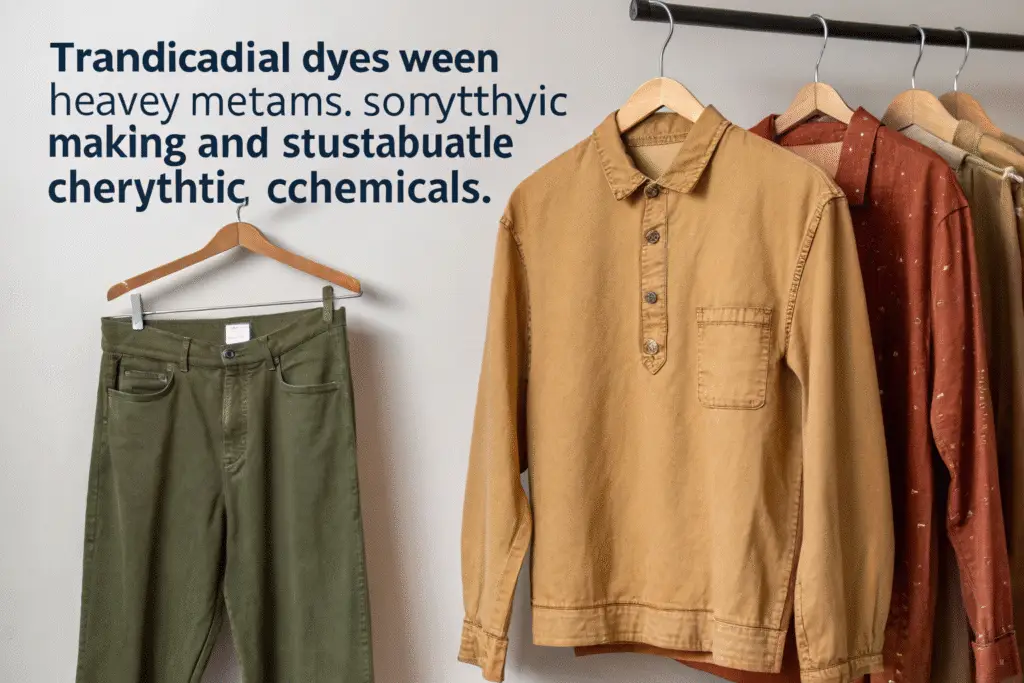
Color has been a challenge for compostable clothing, since traditional dyes often contain heavy metals and synthetic chemicals.
Recent innovations in natural dyes are helping fashion manufacturers move away from toxic chemicals while still achieving vibrant, long-lasting colors. Plant-based pigments from indigo, turmeric, and madder root are some of the oldest known dyes, now being rediscovered with advanced techniques.
Are Natural Dyes Durable Enough for Modern Fashion?
Advances in natural dyeing methods improve colorfastness, making them resistant to fading during washing and wearing. Companies like Maiwa specialize in natural dyes and techniques that allow brands to create garments without synthetic toxins.
In addition, researchers are developing bioengineered dyes from bacteria and algae. For example, Colorifix uses microorganisms to transfer pigments onto textiles, offering compostable garments without chemical waste.
How Does Chemical-Free Processing Reduce Waste?
Beyond dyeing, chemical-free processing methods such as enzyme-based scouring and waterless finishing are becoming popular. These methods reduce toxic wastewater and allow fabrics to fully compost. Brands using such processes not only produce safer garments but also lower their environmental footprint.
Biodegradable Accessories and Trims
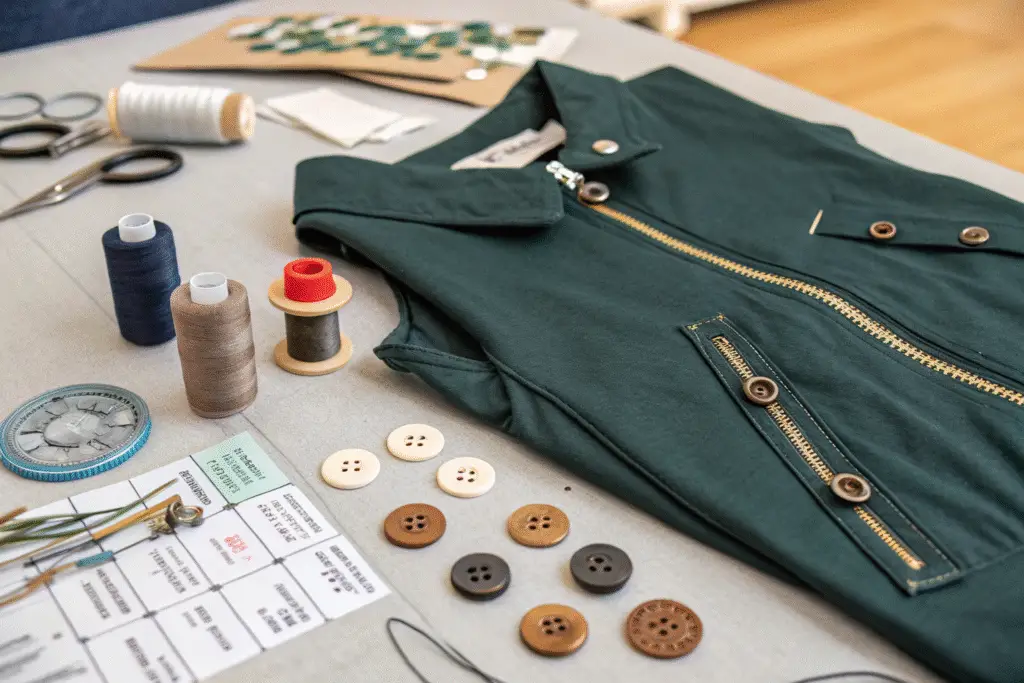
One of the biggest challenges in compostable clothing is not the fabric itself but the accessories—zippers, buttons, threads, and labels.
Innovators are now developing biodegradable versions of these small but essential parts of clothing, ensuring the whole garment can decompose naturally.
Can Buttons and Zippers Really Be Compostable?
Yes. Buttons made from corozo nuts and zippers made with biodegradable plastics or plant-based resins are already entering the market. These trims are strong during use but break down safely under composting conditions.
Another exciting example is YKK’s Natulon® zipper line, which includes recycled and biodegradable versions. Such innovations make it possible to create fully compostable apparel without compromise.
Why Do Threads and Labels Matter in Compostability?
Conventional polyester threads and plastic labels can ruin an otherwise compostable garment. Now, brands are switching to cotton threads, hemp threads, and compostable labels made from paper or plant-based films. Companies like EcoEnclose provide compostable packaging and labeling solutions that extend to fashion.
Future of Compostable Clothing in the Fashion Industry
The innovations in compostable clothing are only the beginning.
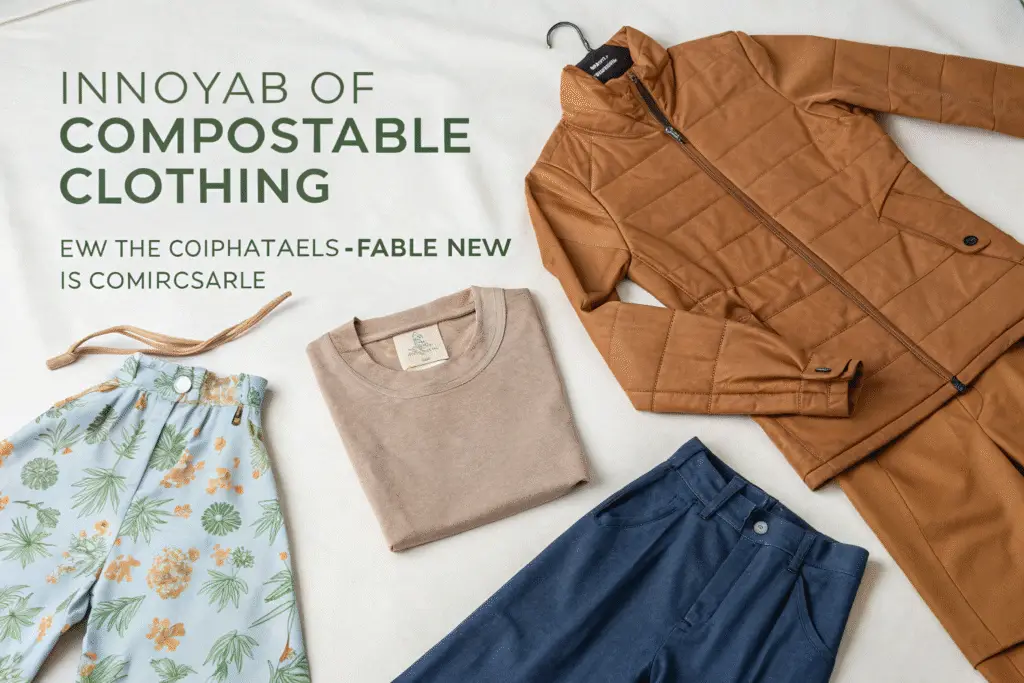
The fashion industry is moving towards a closed-loop system where garments can be designed, used, and then safely returned to the earth without waste. This vision requires collaboration across fiber producers, manufacturers, and brands.
Will Compostable Fashion Replace Fast Fashion?
While compostable clothing is still more expensive to produce, growing consumer demand for sustainability suggests it will gain market share. Companies such as Stella McCartney are already adopting compostable and biodegradable textiles in their collections.
As governments increase regulations on waste and carbon emissions, compostable fashion will likely shift from niche to mainstream.
What Role Do Consumers Play in Compostable Clothing?
Consumers are key to making compostable clothing successful. They must understand composting processes, support sustainable brands, and properly dispose of garments. Organizations like Fashion Revolution help educate buyers on how choices impact the planet.
When customers choose compostable clothing, they create demand that encourages brands to innovate further.
Conclusion
Compostable clothing innovations are transforming the apparel industry. From plant-based fibers like hemp and pineapple leaves to natural dyes, biodegradable trims, and chemical-free processes, the movement is redefining what sustainable fashion means. The future lies in closing the loop, where every garment can safely return to nature.
As a manufacturer in China with strong export capacity, we at Shanghai Fumao are closely following these trends and adapting our production lines to meet the needs of U.S. apparel brands that want to explore compostable solutions. If you are a company owner, distributor, or brand buyer looking to source sustainable apparel, we invite you to partner with us. Contact our Business Director, Elaine, at elaine@fumaoclothing.com to start building your next eco-friendly clothing collection.