The fashion industry has become more competitive and faster than ever. Global brands are no longer just competing on price; they must also capture local cultural tastes and respond quickly to emerging micro-trends. Many buyers and brand owners struggle with missed opportunities when trends rise in specific regions but never get translated into collections in time.
Sourcing hyper-localized fashion trends is the key to staying ahead, ensuring that your collections reflect cultural authenticity, consumer demand, and regional uniqueness. This approach requires combining digital tools, direct local connections, and efficient supplier communication.
I have worked with U.S. and European buyers who realized that hyper-localized sourcing is not just about finding new ideas, but about building competitive advantages. Let me share the strategies that work.
What Does Hyper-Localized Fashion Sourcing Mean?
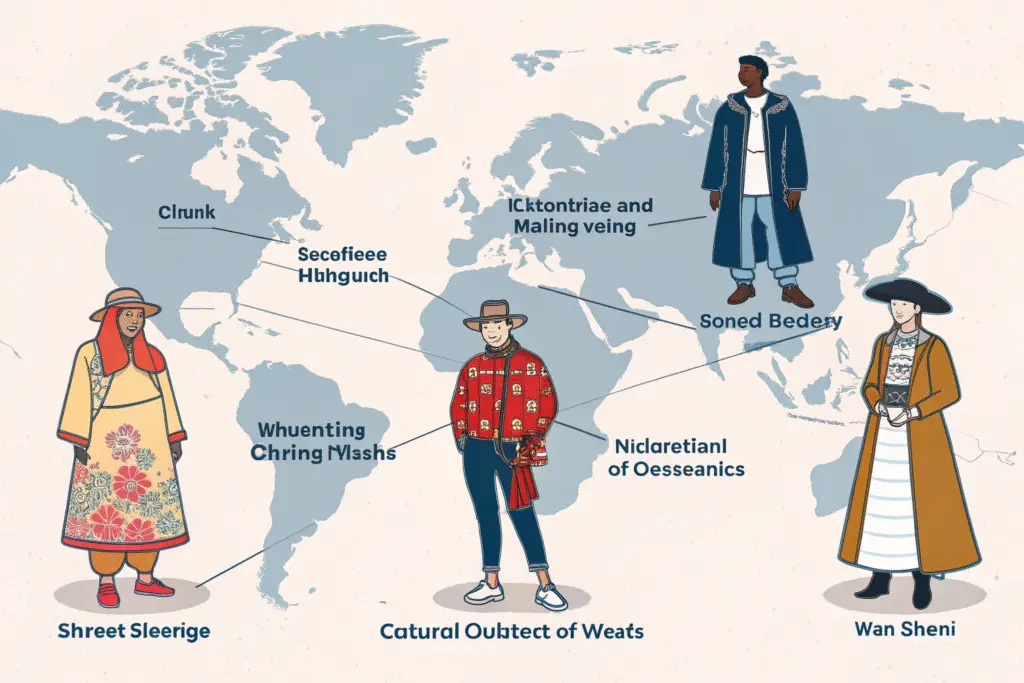
When we talk about hyper-localized fashion sourcing, we mean identifying styles and designs that are unique to specific communities, cities, or cultural groups, and then integrating them into scalable apparel production.
Hyper-localized sourcing is the practice of monitoring micro-trends, streetwear styles, and cultural expressions in small but influential markets, and transforming them into market-ready apparel.
How Does It Differ From Global Trend Sourcing?
Global trend sourcing focuses on mainstream directions promoted by forecasting agencies and big fashion weeks. Hyper-localized sourcing, however, digs into smaller markets—like Tokyo streetwear, Lagos prints, or Los Angeles skate culture. Just as WGSN predicts global shifts, hyper-localized research requires on-the-ground observation and street style blogs to capture early signals.
Why Do Brands Need Hyper-Localized Trends?
Because consumers demand authenticity. A collection that reflects specific cultural styles often resonates stronger than a generic global look. Retailers using hyper-local inspiration stand out, reduce trend fatigue, and build brand identity. Leading companies that tap into Business of Fashion insights often report higher engagement and loyalty.
What Tools Help Discover Localized Fashion Trends?
Modern technology is transforming how we track local fashion movements. Buyers and sourcing managers no longer rely only on in-person trips; digital tools now play a major role.
Digital analytics, AI-powered tools, and localized fashion platforms are essential for spotting hyper-localized trends in real time.

Which Digital Platforms Are Most Effective?
Platforms like Heuritech use AI to analyze social media images and detect rising trends before they hit mainstream. Similarly, Edited provides pricing and assortment data from local markets. These tools give apparel buyers a data-driven edge in sourcing.
Can Social Media Reveal Regional Trends?
Yes. Instagram hashtags, TikTok challenges, and Pinterest boards often highlight micro-trends that may only exist in specific regions. For example, Los Angeles thrift-inspired aesthetics or Seoul’s minimalist street looks first appeared on social feeds before entering collections. Monitoring TikTok Trends and Pinterest Predicts can provide sourcing inspiration.
How Can Suppliers Support Localized Trend Integration?
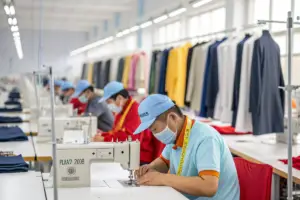
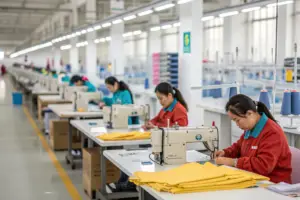
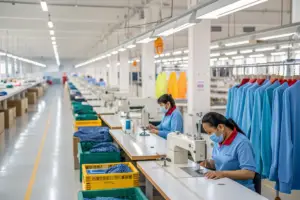
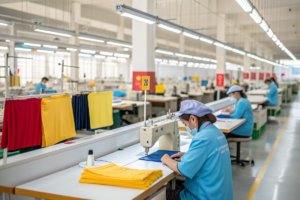
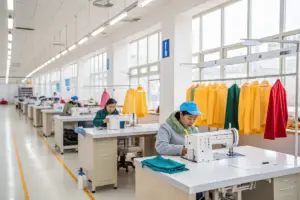
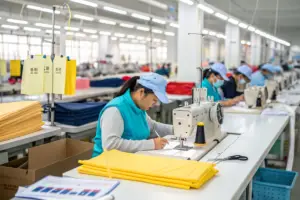
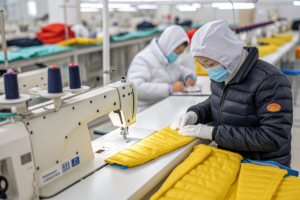
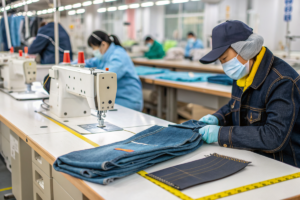
Sourcing trends is only the first step. The challenge for many buyers is turning a local idea into scalable, quality-controlled production. This is where suppliers like us become essential.
Reliable suppliers help translate hyper-local inspirations into market-ready collections with efficiency, customization, and strong quality assurance.

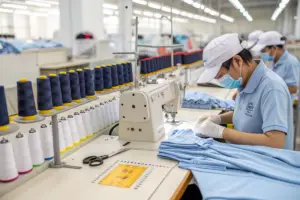
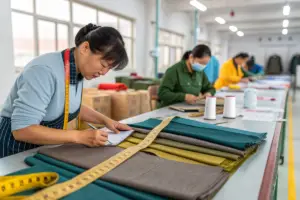
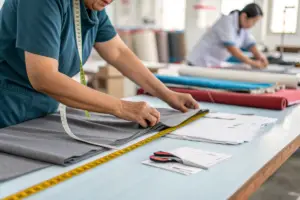
How Do Factories Adapt Local Styles for Mass Production?
Factories work with tech packs and design teams to ensure local elements are preserved while adjusting for mass production. For example, African wax prints or Japanese indigo dyeing may need modified processes for export. References from Textile World and Apparel Resources show how this adaptation happens.
Why Is Communication With Suppliers Critical?
Many sourcing failures come from poor communication. Buyers like Ron often face delays or quality mismatches. Working with a supplier who offers transparent updates, certifications, and DDP logistics ensures localized trends arrive on time. Standards like OEKO-TEX and compliance with ISO textile guidelines guarantee buyer confidence.
What Is the Future of Hyper-Localized Fashion Sourcing?
Hyper-localized fashion sourcing is not a passing trend; it is shaping the future of global apparel supply chains.
The future lies in AI-driven forecasting, faster production cycles, and stronger supplier-buyer partnerships to bring local trends to global markets.
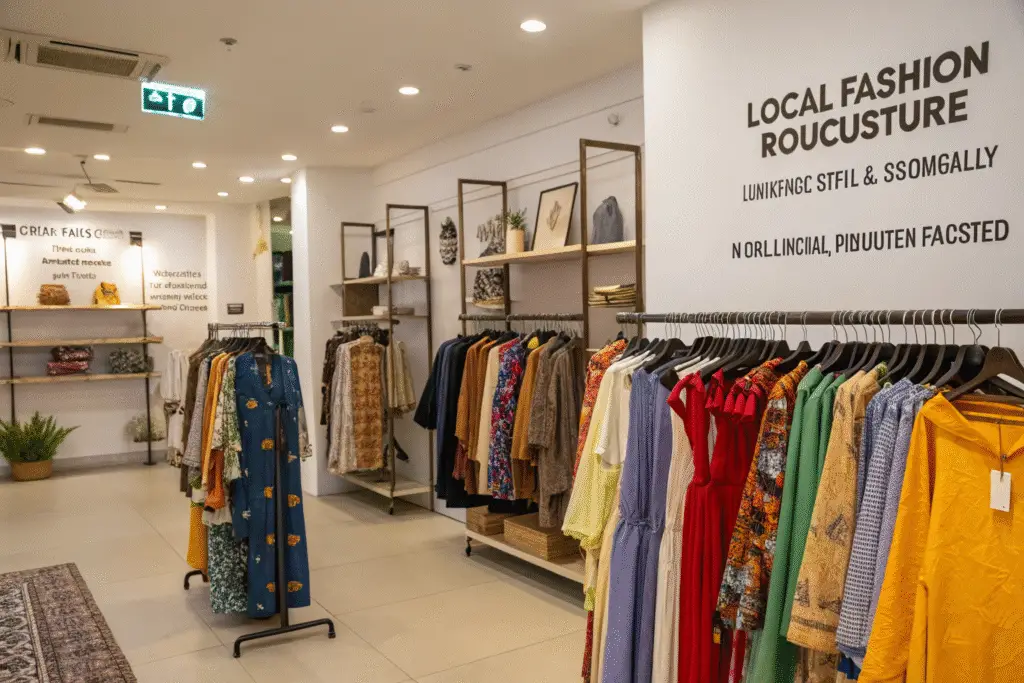
Will AI Make Hyper-Localized Trends Easier to Source?
Yes. AI platforms can now scan millions of images, categorize looks, and suggest trend adoption timelines. This allows brands to respond faster than ever. Research from McKinsey State of Fashion confirms that AI will dominate sourcing strategies in the next decade.
How Will Buyers Build Stronger Partnerships?
Successful hyper-localized sourcing depends on collaboration. Buyers will work closely with suppliers who provide speed, flexibility, and market knowledge. Those who invest in transparent, tech-enabled supply chains will gain first-mover advantage. Reports from Fibre2Fashion also highlight that early adopters are already outperforming their competitors.
Conclusion
Hyper-localized fashion sourcing is the bridge between cultural authenticity and global scalability. Brands that monitor micro-trends, use digital tools, and work with reliable suppliers gain a clear advantage in the market.
As a factory owner in China, I have helped many U.S. and European buyers capture regional trends and turn them into successful product lines. The key is not just identifying trends, but producing them with quality and reliability. If you are looking to bring localized fashion ideas to life, we at Shanghai Fumao are ready to partner with you. Please contact our Business Director Elaine at strong>elaine@fumaoclothing.com</strong to discuss your next collection.