In my years as a clothing manufacturer, I have seen the plus-size fashion market evolve from a niche category to a booming segment with serious profit potential. By 2025, it’s not just about offering larger sizes — it’s about delivering stylish, comfortable, and high-quality garments that customers are proud to wear.
Sourcing plus-size fashion profitably in 2025 requires understanding market trends, selecting the right fabrics, partnering with reliable suppliers, and optimizing your profit margins without sacrificing quality.
In this article, I’ll share the strategies we use at Fumao Clothing to help brands source plus-size apparel that sells fast, earns high margins, and keeps customers coming back.
Understanding the Plus-Size Market in 2025
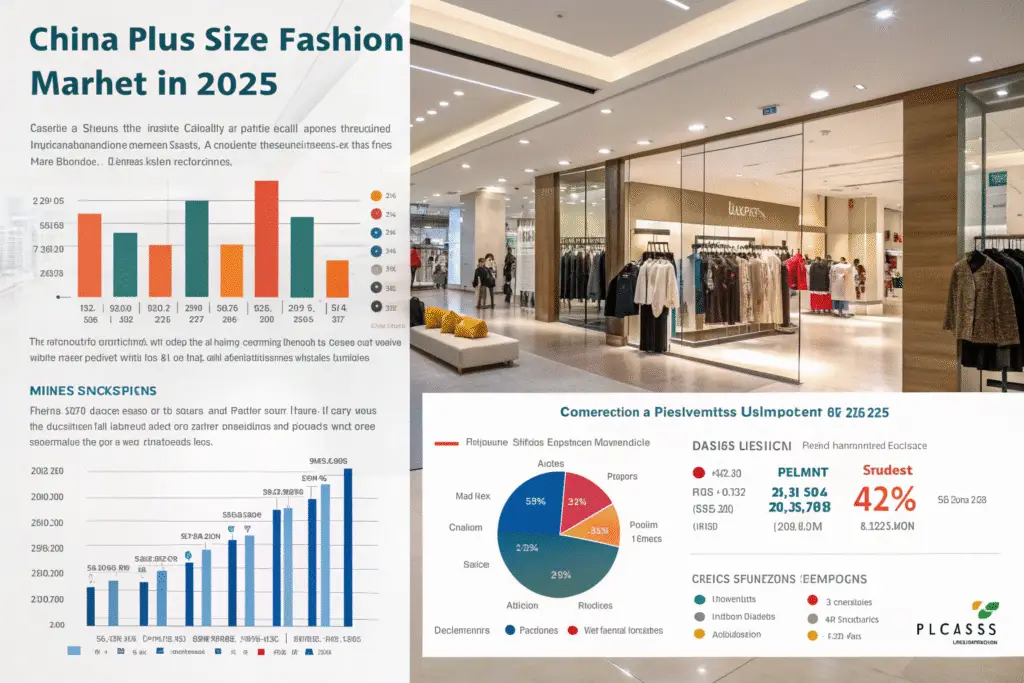
The global plus-size fashion market is projected to reach new heights in 2025. Customers expect inclusive sizing with the same level of style and quality as standard-size fashion.
Understanding the market means analyzing consumer preferences, regional differences, and seasonal trends. Brands that succeed treat plus-size fashion as a core category, not an afterthought.
For example, in North America, casual chic and activewear dominate the plus-size category, while in Europe, tailored plus-size workwear is in demand. Data from Statista shows that the younger demographic is driving demand for trend-forward plus-size apparel.
What demographic shifts are influencing plus-size demand?
Reports from McKinsey & Company suggest that by 2025, Gen Z and Millennials will represent the largest share of plus-size buyers. They expect fashion-forward designs, sustainable production, and transparent brand values.
How can brands adapt quickly to plus-size trends?
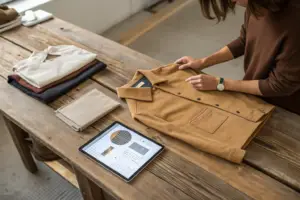
By working with manufacturers who monitor global fashion shows and retail data, brands can release collections faster. Platforms like Edited track real-time product trends, helping brands stay ahead.
Choosing the Right Fabrics and Styles
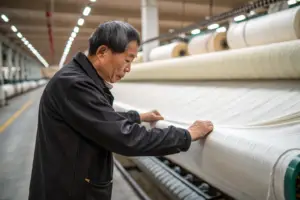
Fabric choice is crucial in plus-size apparel because comfort, durability, and fit define customer satisfaction.
Choosing the right fabrics means balancing comfort with structure, ensuring the garment flatters and lasts.
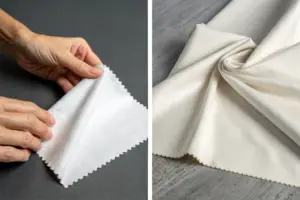
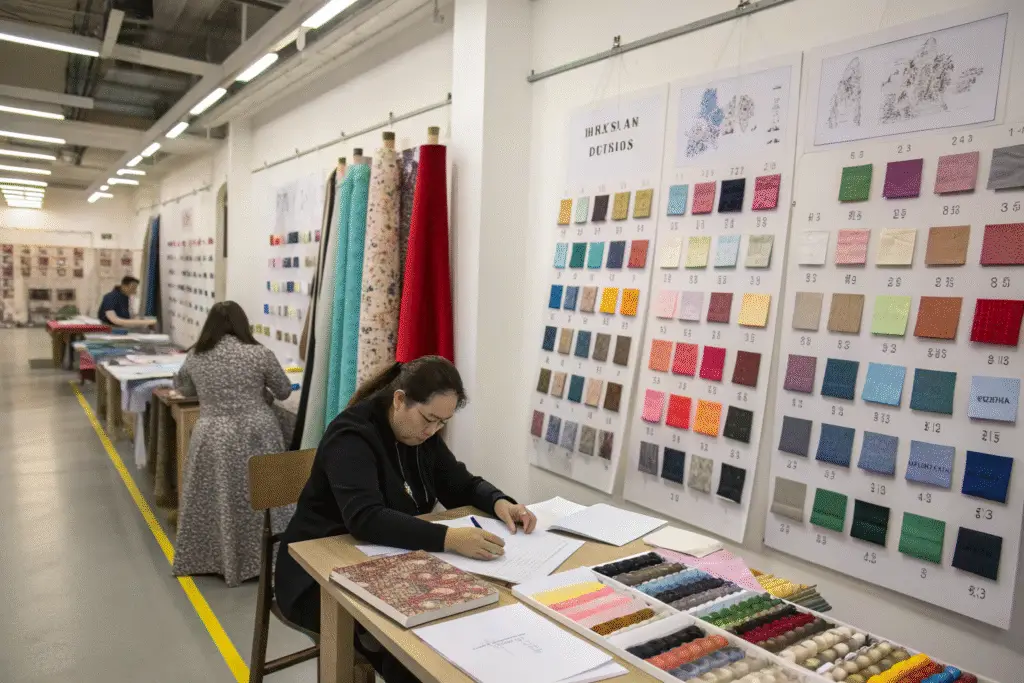
We recommend fabrics with stretch, such as spandex blends, for flexibility, and breathable materials like cotton or bamboo for comfort. Structured fabrics like ponte knit or twill provide shape without feeling restrictive.
What fabrics work best for plus-size designs?
According to Textile World, fabrics with 3–5% spandex content balance stretch and shape retention. Sustainable fabrics like Tencel are also gaining popularity for eco-conscious buyers.
How can style lines enhance plus-size garments?
Strategic design details like vertical seams, wrap silhouettes, and structured shoulders can create a flattering fit. Brands like Eloquii have successfully applied these principles in their collections.
Finding Reliable Plus-Size Clothing Suppliers
In 2025, sourcing from the right supplier is the difference between profitability and loss.
A reliable supplier understands the fit, grading, and construction techniques unique to plus-size garments.
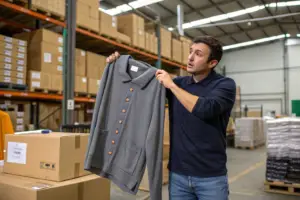
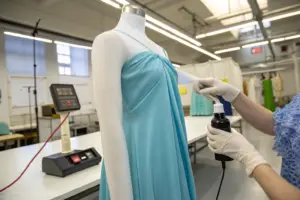
Fit is especially critical because ill-fitting garments lead to high returns. At Fumao Clothing, we use customized plus-size fit models to ensure accuracy before bulk production.

What should you ask a potential supplier?
Request references, visit their production lines, and check their experience with plus-size patterns. Resources like Alibaba.com and Global Sources can help identify factories with proven track records.
How do you ensure consistent quality in plus-size production?
Use third-party inspections from companies like SGS or QIMA to verify fabric quality, stitching, and sizing before shipment.
Maximizing Profit Margins in Plus-Size Fashion
Profitability in plus-size fashion comes from optimizing sourcing, minimizing waste, and pricing strategically.
Brands that succeed manage costs without compromising style or quality.
Bulk ordering core styles with seasonal updates helps lower costs while keeping the assortment fresh.
What pricing strategy works best?
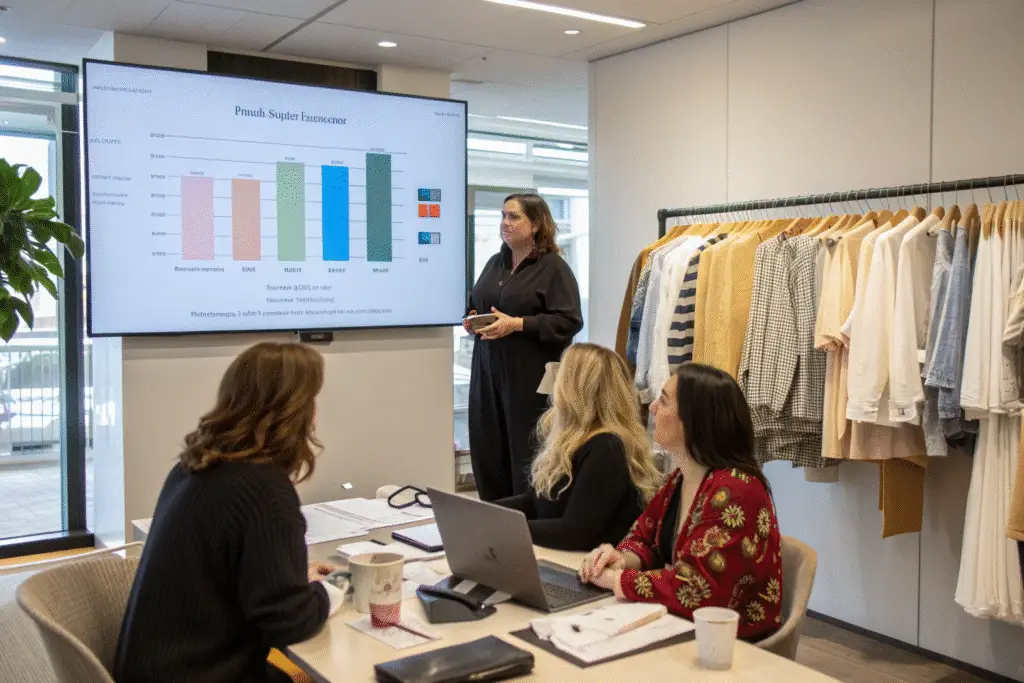
According to Harvard Business Review, value-based pricing — where price reflects perceived value rather than cost alone — can improve margins in niche fashion markets.
How can logistics impact profitability?
Choosing DDP (Delivered Duty Paid) terms with experienced freight partners like Flexport ensures predictable landed costs and avoids surprise fees. Efficient logistics reduce delays, keeping you in sync with seasonal selling windows.
Conclusion
The plus-size fashion market in 2025 is a high-growth, high-margin opportunity for brands willing to invest in the right sourcing strategies. By understanding the market, choosing quality fabrics, partnering with experienced suppliers, and optimizing your pricing and logistics, you can capture loyal customers and maintain healthy profits.
At Shanghai Fumao Clothing, we help brands design, develop, and produce profitable plus-size collections that meet global standards. If you’re ready to source your next plus-size line with confidence, contact our Business Director Elaine at elaine@fumaoclothing.com.