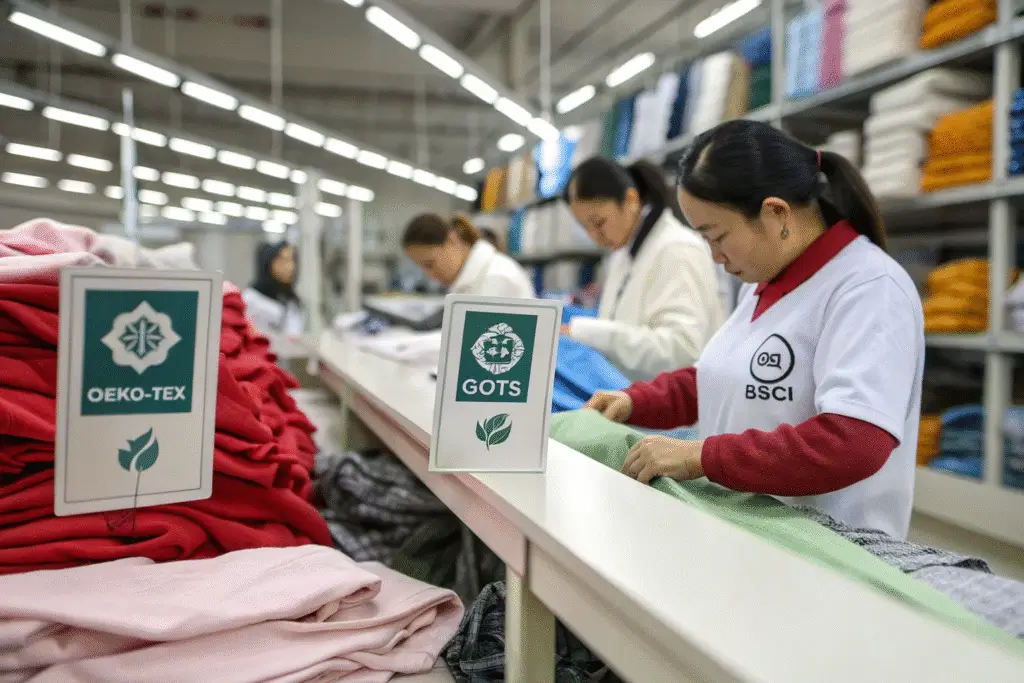
If you’re importing garments to the U.S., certifications like OEKO-TEX, GOTS, and BSCI aren’t just marketing tools—they’re legal and ethical guarantees. But what if those logos are fake?
Counterfeit garment certifications pose serious legal, financial, and reputational risks for apparel brands. From border seizures to lawsuits and supplier blacklisting, the consequences can be devastating.
As a Chinese factory owner committed to ethical, verifiable production, I’ve seen firsthand how falsified documents can damage trust—and cost brands everything. In this post, I’ll show you what red flags to look for and how to protect your business from fraudulent suppliers.
Why Are Counterfeit Certifications Becoming More Common?
As demand for sustainable and ethically made apparel rises, certifications have become buyer must-haves. But in markets like China, Vietnam, or Bangladesh, some unethical suppliers cut corners by faking these documents to win contracts.
Because verification is often paper-based and manual, fraudsters find loopholes—creating counterfeit labels and misusing expired or unrelated certificates.
How Do Fake Certifications Appear Legit?
Fraudulent documents often mimic real OEKO-TEX or GOTS layouts. They’ll use certification logos, random license numbers, and QR codes that lead nowhere.
Some even use real company names—but the certification was issued to another product or material. Always double-check any document’s public database verification link.
What Triggers Are Most Common in Fraud Cases?
- Expired certificates with modified dates
- Labels without matching traceable IDs
- Suppliers claiming “BSCI certified” when only audited once years ago
- Garments using certified fabric but adding uncertified trims, inks, or accessories
What Legal Consequences Can Brands Face in the U.S.?
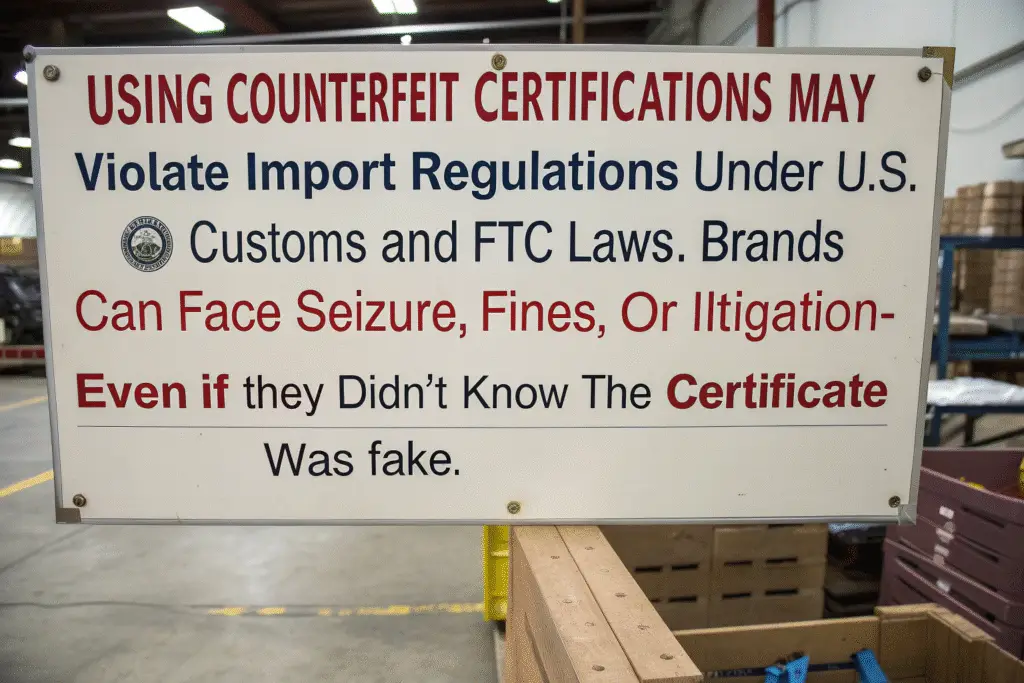
Using counterfeit certifications isn’t just unethical—it may violate import regulations under U.S. Customs and FTC laws. Brands can face seizure, fines, or litigation—even if they didn’t know the certificate was fake.
The U.S. government treats false certification claims as deceptive marketing or consumer fraud. Civil lawsuits and CBP seizures are on the rise.
What Happens If Your Shipment Gets Flagged?
If U.S. Customs and Border Protection (CBP) detects a suspicious certificate, your shipment can be detained. You may need to provide official proof or re-export the goods—at your own expense.
This not only delays your launch timeline but can result in penalty fees and blacklisting for repeat offenses.
Can You Be Sued By Retailers or Consumers?
Yes. If you market a product as “certified organic cotton” or “BSCI-compliant” without valid proof, you risk legal action. Under FTC guidelines, false eco claims can trigger lawsuits.
Even if your supplier misled you, as the brand owner, you bear responsibility for substantiating claims.
How Can You Protect Your Brand from Fraudulent Suppliers?
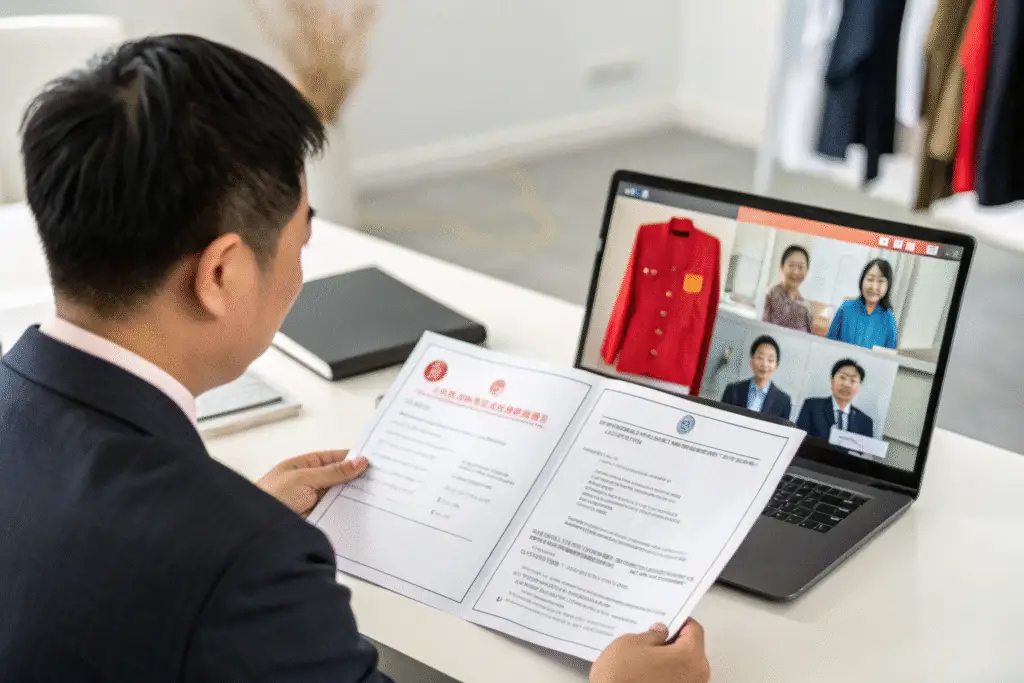
Smart sourcing starts with smart verification. Whether you’re buying from Alibaba or working with a factory like ours at Fumao, you must request and verify every certificate.
Use third-party verification platforms, request factory audits, and always double-check certification body databases for authenticity.
Which Databases Should You Use for Real-Time Checks?
If your supplier refuses to provide a traceable license number or online verification link, that’s a red flag.
Should You Conduct a Factory Audit?
Absolutely. A third-party audit from SGS or Intertek ensures you’re dealing with a real, compliant facility—not a middleman with fake papers.
At Fumao Clothing, we openly provide BSCI, OEKO-TEX, and WRAP certificates—all traceable and up to date.
What Can You Do If You Suspect a Certificate Is Fake?
If something feels off, trust your gut. It’s better to halt a shipment than risk thousands in losses or reputation damage.
Contact the certifying body directly. Request supporting documents, or pause production until verification is confirmed.

Can Certification Bodies Help?
Yes. If you email them with a document and request verification, they often respond within 3–5 business days. Some even provide downloadable confirmation letters.
For example, GOTS and OEKO-TEX both respond to suspicious inquiries and issue public warnings when fraud is uncovered.
Should You Report Counterfeit Activity?
You should. Alerting bodies like amfori or local trade authorities helps protect other brands. Some U.S. industry watchdogs even offer public listings of blacklisted suppliers.
This helps clean up the supply chain—and avoids future headaches for you and your buyers.
Conclusion
Counterfeit garment certifications aren’t just a factory problem—they’re a brand liability. If you want to protect your business, your customers, and your margins, then proactive verification is a non-negotiable.
At Shanghai Fumao, we believe in transparency and long-term trust. That’s why we encourage our clients to verify our credentials at any time—and even visit our production lines. We’re here to build clothing brands that last, not shortcuts.
If you’re seeking a compliant, certified Chinese manufacturer for your custom apparel orders, feel free to reach out to our Business Director Elaine at elaine@fumaoclothing.com.