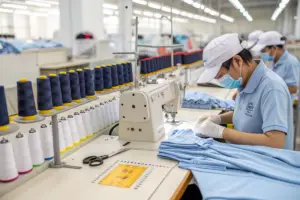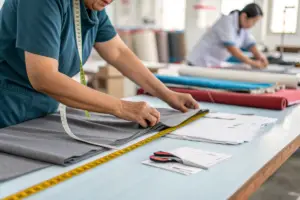
In today’s ultra-competitive global fashion supply chain, reaching the right B2B apparel buyers requires more than just a beautiful product catalog. With thousands of suppliers vying for the same buyers’ attention, even a top-quality manufacturer like us must strategically invest in digital marketing to get noticed. That means knowing exactly what works for sourcing managers, CEOs, and brand owners who are hunting for their next apparel factory partner online.
The answer lies in implementing precise, data-driven, and platform-specific B2B marketing strategies designed for the behavior and expectations of clothing buyers. That’s what we’ve learned over 15+ years of exporting apparel to the U.S., and we’re sharing those insights with you today.
We’ve worked with clients like Ron, a 44-year-old apparel company owner in the U.S. who sources from China and Vietnam. He doesn’t have time to waste on irrelevant messages, bad follow-ups, or vague supplier profiles. Our marketing strategy is built to reach people like him. This blog unpacks how to do the same for your B2B apparel business.
What Digital Channels Work Best for B2B Apparel Marketing?
To win attention from global clothing buyers, your presence needs to go far beyond a basic Alibaba listing. In fact, sourcing pros like Ron use multiple digital tools to evaluate suppliers—from SEO and social media to sourcing platforms and direct outreach.
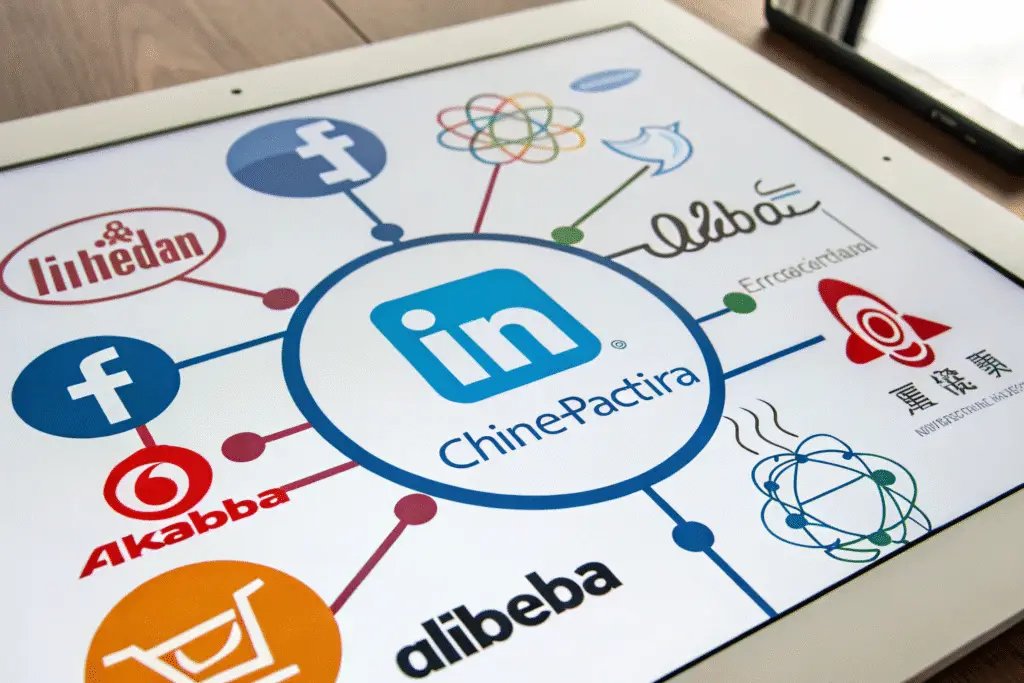
The most effective B2B digital marketing mix includes LinkedIn outreach, Google SEO, targeted email campaigns, and presence on platforms like Alibaba and industry directories.
Why Should You Prioritize LinkedIn Outreach?
LinkedIn is where serious sourcing happens. Apparel sourcing managers and brand owners spend time here to verify credibility, not just browse styles. Maintaining an optimized company page and personal profile is essential. Our strategy includes regularly sharing factory tour videos, fabric insights, and production timelines to showcase professionalism.
Platforms like LinkedIn for B2B Apparel Sourcing provide rich engagement tools. Use filters to target roles like “Fashion Buyer” or “Production Manager.” Tools like Waalaxy help automate your outreach smartly.
How Do B2B Apparel Brands Use SEO to Attract Buyers?
Buyers like Ron Google specific phrases like “private label kidswear factory in China” or “custom sportswear manufacturer with low MOQ.” Ranking for those searches means your website brings in inbound inquiries from buyers who are already looking for your type of product.
We create blog content, case studies, and keyword-optimized landing pages based on tools like Ahrefs and Google Keyword Planner. These tools help us understand search intent and drive traffic to our site.
How to Craft Effective B2B Email Campaigns for Fashion Buyers?
Email remains a powerful tool if used smartly. However, the inboxes of buyers are overloaded with irrelevant pitches. That’s why every email you send must be customized, valuable, and timed perfectly.
The best B2B email marketing for clothing buyers features visual-rich introductions, trust-building factory information, and real product value for the buyer’s business.
What Should Your First Email Include?
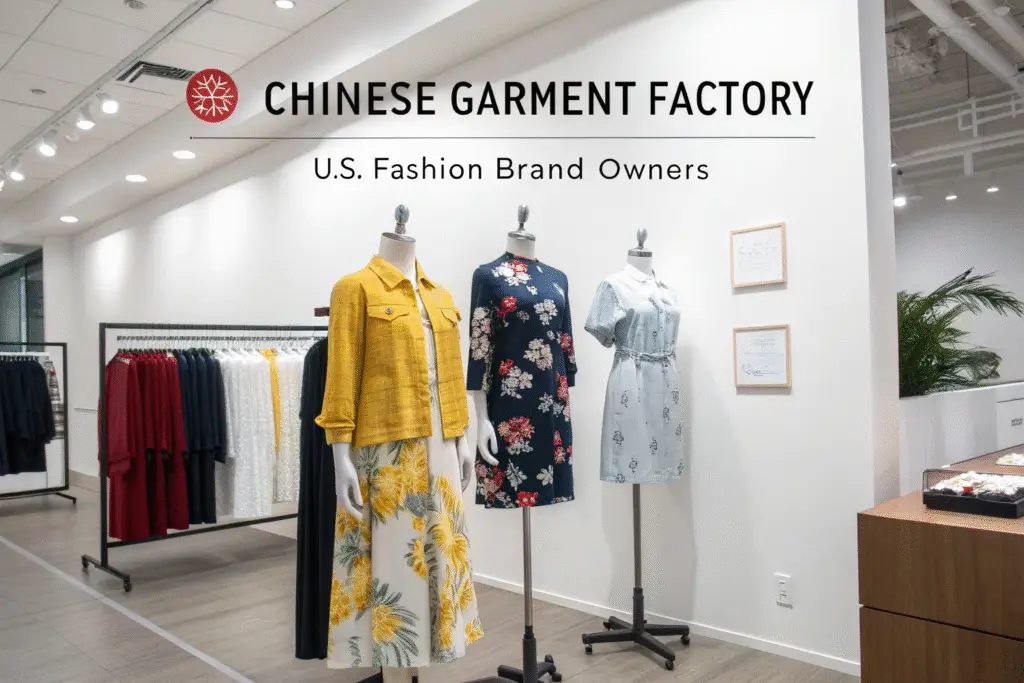
Your intro email should immediately answer the buyer’s core questions: Who are you? What’s your product specialty? What makes you credible? We always include:
- A banner image of our factory team
- A few product photos with specifications
- MOQ + lead time + pricing example
- Highlight of clients or certificates (like BSCI, OEKO-TEX)
Use tools like Mailchimp or Woodpecker for automated follow-ups.
How Can You Nurture Leads Through Drip Campaigns?
Don’t expect a reply from one message. B2B sourcing takes time. We use automated drip campaigns with 4–5 emails over 2 weeks:
- Introduction with value pitch
- Sample product showcase
- Client testimonials or case study
- Current production availability
- Final call-to-action
Using platforms like Lemlist allows you to personalize each follow-up with images and names, increasing reply rates.
How Do You Build Buyer Trust Through Content?
Global buyers care deeply about transparency. They're cautious of factories that only show perfect products but hide the rest. That’s why we focus on content that makes buyers feel safe, informed, and confident in choosing us.
Content marketing that builds buyer trust includes real factory videos, certificates, team bios, behind-the-scenes processes, and case studies.
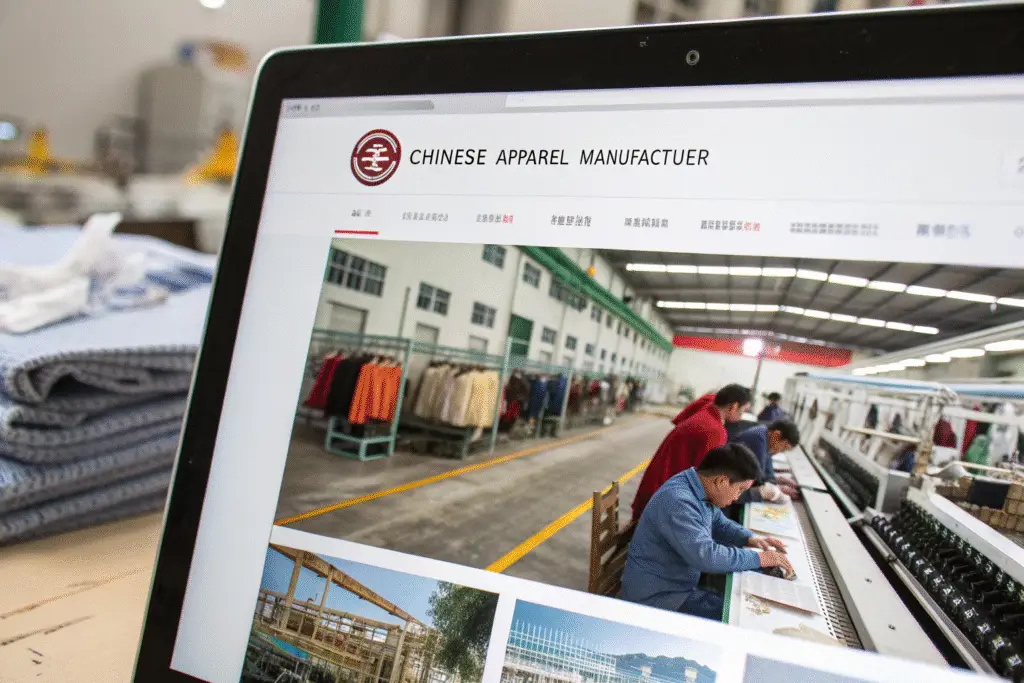
Why Are Certifications and Factory Photos Crucial?
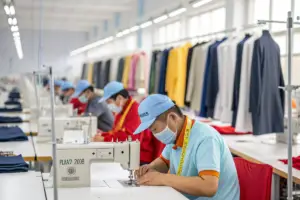
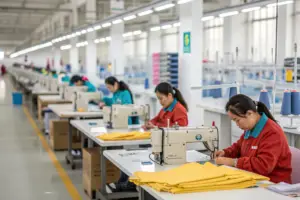
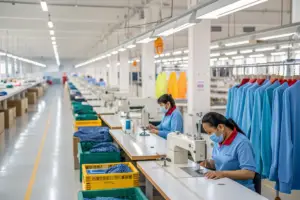
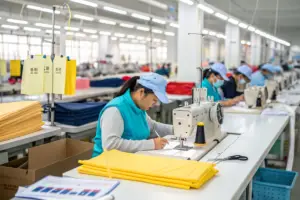
Apparel buyers need assurance that the supplier is legitimate and qualified. That’s why our website shows high-res images of:
- Fabric sourcing rooms
- Sewing lines
- Inspection departments
We also display verifiable certificates like BSCI and GOTS. Unlike some suppliers, we don’t fake these. Transparency is key.
What Kind of Blog Posts Attract the Right Buyers?
Our blog isn’t about fashion trends. Instead, we focus on what our buyers care about:
- How to avoid shipment delays during peak seasons
- What’s the best Incoterm for U.S. apparel brands?
- How can DDP save import duties?
We research top B2B apparel blog ideas using SEO tools, then format each blog to answer a real sourcing concern.
Which Metrics Matter Most for B2B Apparel Marketing?
Great marketing is measurable. We’ve learned that what gets measured, gets improved. For B2B clothing manufacturing, tracking the right performance data is what turns strategies into sales.
Key metrics for B2B apparel marketing include email response rates, lead conversion %, SEO keyword rankings, and LinkedIn connection acceptance.

How Do You Know If Your Campaign Is Working?
We track:
| Channel | KPI to Measure | Target Goal |
|---|---|---|
| Open rate | >30% | |
| Reply rate | >5% | |
| Connection rate | >40% | |
| Website | Bounce rate | <50% |
| Blog SEO | Ranking for keywords | Top 10 |
Tools like HubSpot, Google Analytics, and Ubersuggest help us continuously optimize.
What Should You Do with Unresponsive Leads?
Not every lead is ready to buy now. We tag cold leads in our CRM and re-engage them during trade show seasons or discount offers. A lead might ghost you today, then email you three months later saying, “We’re ready to place our PO now.”
Using Pipedrive or Zoho CRM lets us manage these leads efficiently, without losing follow-up opportunities.
Conclusion
To succeed in the B2B apparel market today, digital marketing is no longer optional—it’s essential. For a manufacturer like us at Fumao Clothing, combining powerful SEO, personalized LinkedIn outreach, visual-rich email campaigns, and content-driven trust building has delivered consistent leads from the U.S. and Europe. The key is consistency, transparency, and constant optimization of every channel.
If you're a clothing buyer looking to source competitively from a certified and experienced Chinese factory, we invite you to connect with our Business Director Elaine today at elaine@fumaoclothing.com. Let us help you source smarter and scale faster.