Getting a sample made is often the first step in bringing a clothing design to life. But for many Western buyers working with Chinese manufacturers, sample costs and prototype development can feel like a grey area. From unclear pricing to wasted samples, the experience can quickly get expensive and frustrating.
The key to controlling sample costs and ensuring productive prototype development lies in clear expectations, strategic negotiation, and choosing a factory that understands brand-level needs.
In this article, I’ll walk you through how we help clients navigate this crucial early phase—without overspending or sacrificing quality.
What Are Standard Sample Costs & Why Do They Vary?
Sample costs are often misunderstood by buyers, especially when dealing with full-package garment factories in China. A sample is not just one piece of clothing—it’s a complete mini-production process.
Typically, a garment sample costs 2–5 times the unit price of a bulk order due to setup costs, small quantity inefficiency, and hands-on development.
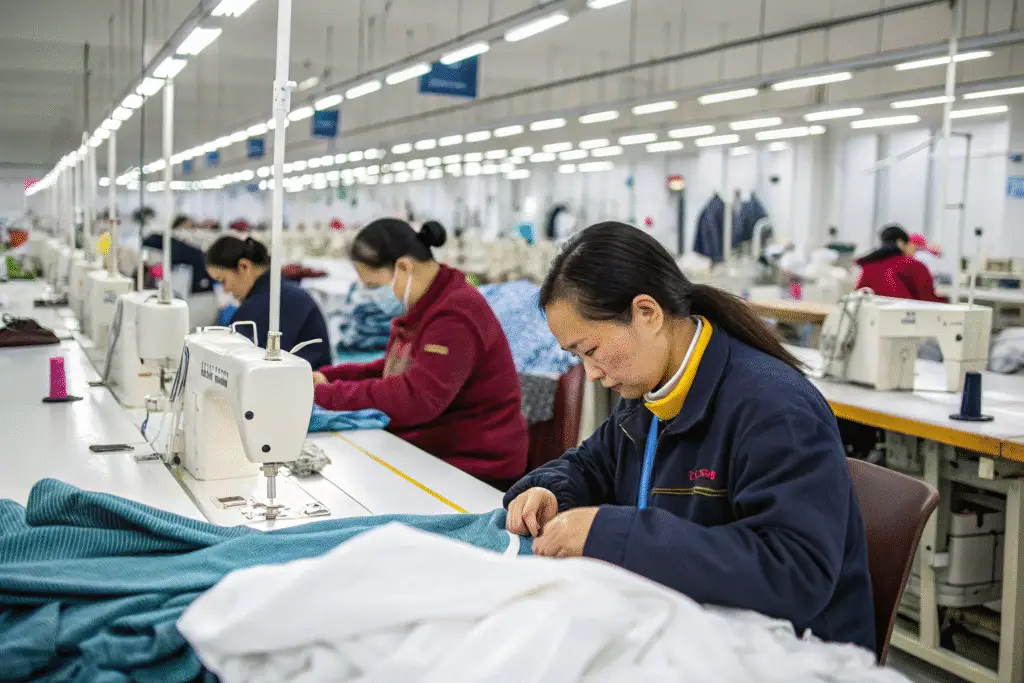
Why Do Factories Charge More for Samples?
Factories must stop or interrupt bulk production to accommodate sampling. This means:
- Unique cutting for 1–3 pcs instead of 1000+
- Pattern adjustment, manual sewing, and finishing
- Special sourcing for trims and small batch fabric
- Involvement of senior technicians
You can explore average sample fees by category on Maker’s Row and sourcing cost calculators from Sewport.
How Can You Estimate a Fair Sample Price?
For standard basics like tees or hoodies, expect:
| Garment Type | Average Sample Cost (USD) |
|---|---|
| Cotton T-shirt | $60–$90 |
| Knit Hoodie | $90–$130 |
| Woven Blouse | $80–$120 |
| Custom Outerwear | $150–$300+ |
Add $40–$70 for international express shipping. For detailed case studies on sample breakdowns, visit Techpacker.
How to Reduce Sample Costs Without Losing Quality?
Buyers want to test products before committing to bulk—but they don’t want to burn budget on rounds of expensive prototypes. That’s where smart cost-reduction tactics come in.
You can lower sampling expenses by combining styles, using available materials, and building trust with long-term factory partners.
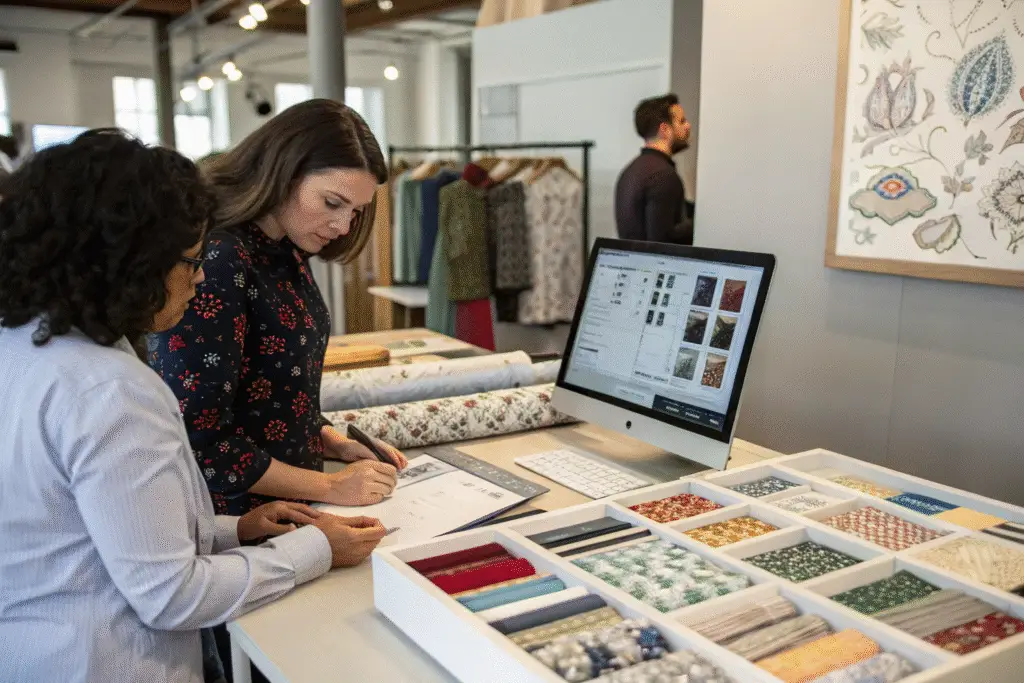
Can You Combine Samples to Save on Cost?
Yes. If you’re testing multiple styles, request to sample them using the same fabric base or construction. Factories can streamline sewing if styles share features.
For instance, sample 2–3 knit tops using the same cotton jersey. It cuts waste and time. Learn more about this method from Apparel Entrepreneurship or Fashion-Incubator.
Should You Use Stock Fabric for the First Sample?
Absolutely. For the first fit test, opt for in-stock fabric similar to your final material. It avoids sourcing delays and helps verify sizing.
This is often called a “mock-up” or “fit proto.” Once fit is approved, proceed to a “salesman sample” in final fabric. You can read about this sampling flow on The Factory Floor and Indie Source.
What’s the Best Way to Negotiate Sample Terms?
Sample development is a partnership, not just a purchase. Brands that approach factories with clarity and professionalism tend to receive better treatment—and better terms.
Negotiate by clarifying your bulk intent, suggesting partial refunds, and showing that you’re serious about a long-term relationship.
Should You Ask for a Sample Refund After Bulk?
Yes. One common model is to deduct sample cost from your first production invoice. Factories are usually open to this when:
- You place a bulk order within 30–60 days
- The sample cost was clearly itemized
- You used the factory’s suggested fabrics or trims
Confirm this in writing. Sites like Alibaba allow sample refund negotiation before order confirmation. Also see Foursource for standardized sample policies.
How Do You Make Your Project Attractive to a Factory?
- Share your branding deck or previous collections
- Show clear budget and timelines
- Specify potential volume per style
- Be transparent about your sourcing process
Factories prefer buyers who plan to scale. Consider adding a “sampling commitment clause” in your vendor agreement like shown in Techpacker’s Templates.
How Many Rounds of Prototypes Do You Actually Need?
Some buyers request endless samples, but this can erode trust and lead to delays. Understanding standard sampling stages helps reduce back-and-forth.
The typical process includes 2–3 rounds of samples: fit proto, pre-production sample (PPS), and final approval sample.
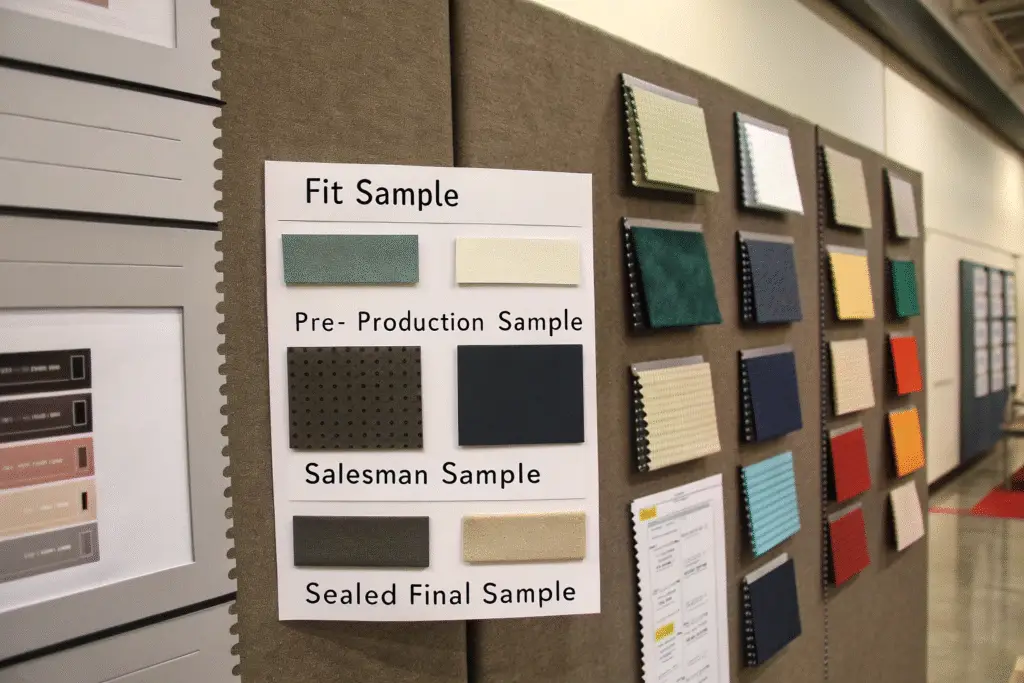
What’s the Purpose of Each Sample Stage?
| Sample Type | Purpose |
|---|---|
| Fit Sample (Proto) | Test sizing & shape |
| Salesman Sample | Visual for selling/marketing |
| Pre-Production | Final fabric & trims |
| Shipment Sample | From bulk before dispatch |
You don’t always need all 4. Small brands often combine steps. Read guidelines from Fashionary or consult with sourcing mentors at Common Objective.
Can You Use 3D Sampling to Reduce Physical Prototypes?
Yes! More factories now support CLO3D or Browzwear for early fit and design tests. This cuts cost and speeds up timelines.
3D visuals let you approve design features and fit adjustments without shipping physical goods. Learn about the tools at CLO3D and Browzwear.
Conclusion
Sample costs are not just expenses—they’re investments in precision and brand quality. Knowing how to budget, negotiate, and optimize the process can help you save thousands down the line. Whether you’re developing a simple tee or a multi-panel outerwear piece, the right sampling approach sets the tone for your production success.
At Fumao Clothing, we guide Western buyers through each sampling milestone. We provide detailed cost breakdowns, suggest efficiency options like shared fabrics, and refund samples into bulk orders. If you’re looking for a factory that understands brand building—not just bulk sewing—we’re ready to support your next prototype.