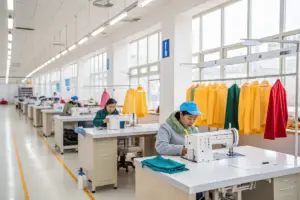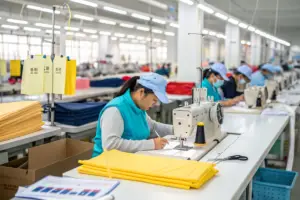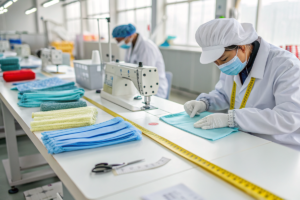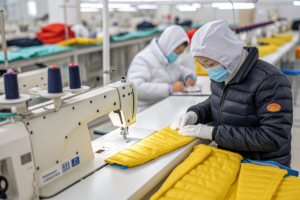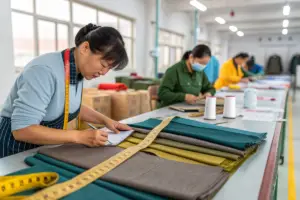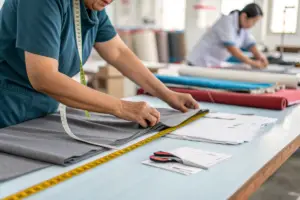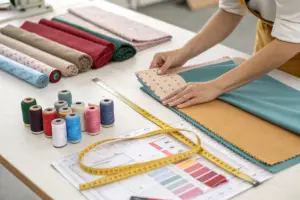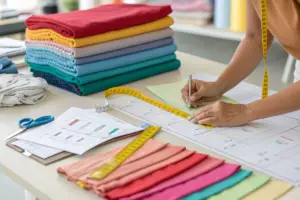
A savvy Los Angeles-based brand founder once asked me a deceptively simple question during a factory visit: "What custom clothing category should I launch next year that will actually make money, not just generate social media likes?" She had watched three competitors in her contemporary womenswear segment close their businesses within eighteen months. She had seen brands chasing the same fleeting micro-trends, fighting for the same oversaturated wholesale accounts, and compressing their margins to unsustainable levels. She understood, perhaps later than she wished, that profitability in custom clothing is not about being the most fashionable brand. It is about identifying a specific, underserved customer segment with a non-discretionary or deeply emotional need for clothing, and providing a product that solves a functional problem or fulfills an identity requirement that mass-market, generic clothing cannot address.
The absolute most profitable custom clothing niches for the 2026 US market are: durable, customizable outdoor and trade workwear for the growing skilled trades workforce; size-inclusive, sensory-friendly adaptive clothing for the underserved plus-size and neurodivergent consumer markets; premium, sustainable, and personalized children's wear for millennial and Gen Z parents prioritizing quality and safety over fast-fashion pricing; and branded, high-performance corporate and hospitality uniforms for companies investing in employee retention and brand image through quality workwear.
At Shanghai Fumao, I have observed the order volumes, the repeat order rates, and the margin structures of brands across dozens of categories. The niches that generate consistent, high-margin, repeat wholesale business are not the ones chasing the trend cycle. They are the ones solving a persistent, tangible problem for a specific, identifiable customer.
Why Is Customizable, Durable Workwear for the Skilled Trades the Highest-Growth, Highest-Retention Apparel Niche?
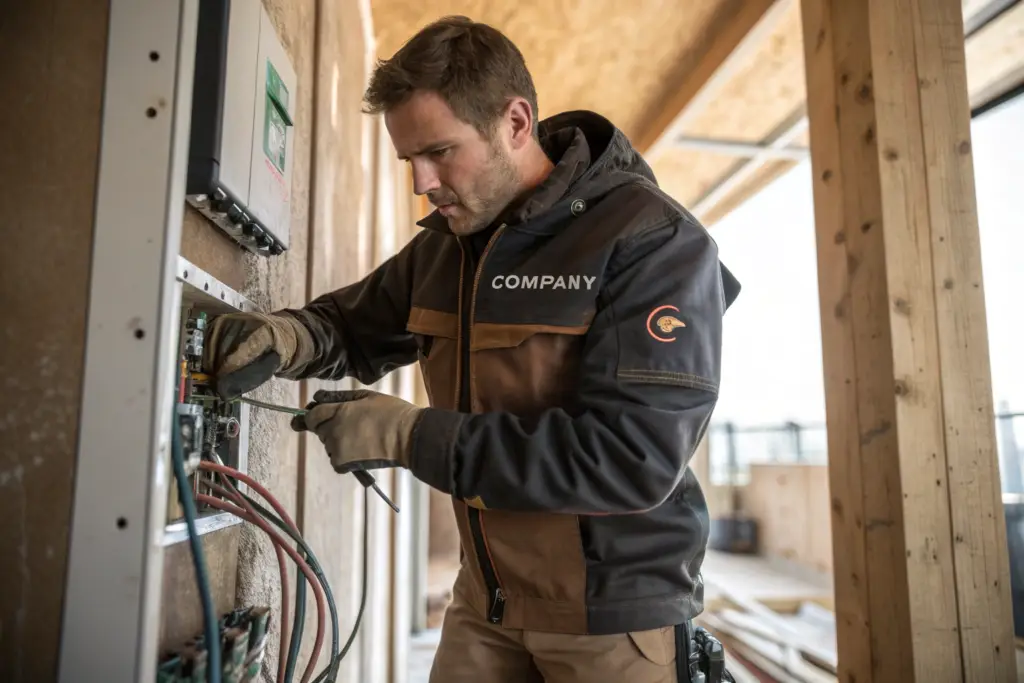
A Denver-based workwear brand founder once told me that his customer retention rate was 84% year-over-year, a number that would make any fashion brand executive weep with envy. His secret was not a viral marketing campaign. His secret was that when an electrician finds a pair of work pants with a knee pad pocket that actually stays in place during an eight-hour shift of kneeling on concrete, he does not buy one pair. He buys seven pairs, one for each day of the week, and he reorders the exact same style every year until he retires. The trades workforce in America is growing, aging into higher income brackets, and desperately underserved by generic, low-quality workwear that fails on the job site.
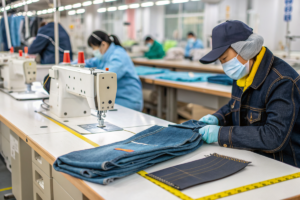
Customizable, durable workwear for the skilled trades is the highest-growth, highest-retention apparel niche because the US skilled trades workforce is expanding, with millions of electricians, plumbers, carpenters, and HVAC technicians who wear their work clothing for 50-60 hours per week in physically demanding conditions and require functional, durable garments that generic retailers do not provide, creating a customer base with an exceptionally high repeat purchase rate, a willingness to pay premium prices for functional features like articulated sleeves, reinforced knee panels, and tool-specific pocketing, and a strong demand for company-level customization including embroidered logos, name patches, and trade-specific safety enhancements.
A fashion customer buys a jacket because it looks good and might buy another next season if the style changes. A tradesperson buys a work jacket because the previous one wore out after three years of daily use and needs an exact replacement. The purchasing motivation is non-discretionary replenishment, not seasonal novelty.
What Specific Functional Features Command a 40-60% Price Premium in the Trades Workwear Market?
The premium-commanding features are: articulated sleeves with underarm gussets for overhead reach, bottom-loading knee pad pockets with anti-slip internal grip strips, tool-specific reinforced pocketing with bar-tack stress point reinforcement, triple-needle felled seams at all load-bearing points, and a dual-layer moisture management system that wicks sweat during high exertion and insulates during rest periods.
Why Does "Company-Level Customization" Create a Multi-Year, High-Volume Contract Rather Than a Single-Season Order?
An electrical contracting company with 200 field technicians needs every technician in matching, branded workwear. The company places an initial order for 600 jackets and 600 pants. The garments wear out on a predictable two-year cycle, generating a recurring, contracted reorder of similar volume. The brand secures a B2B contract, not a consumer transaction.
How Does "Size-Inclusive, Sensory-Friendly Adaptive Clothing" Serve a Vast, Underserved, and Deeply Loyal Customer Base?
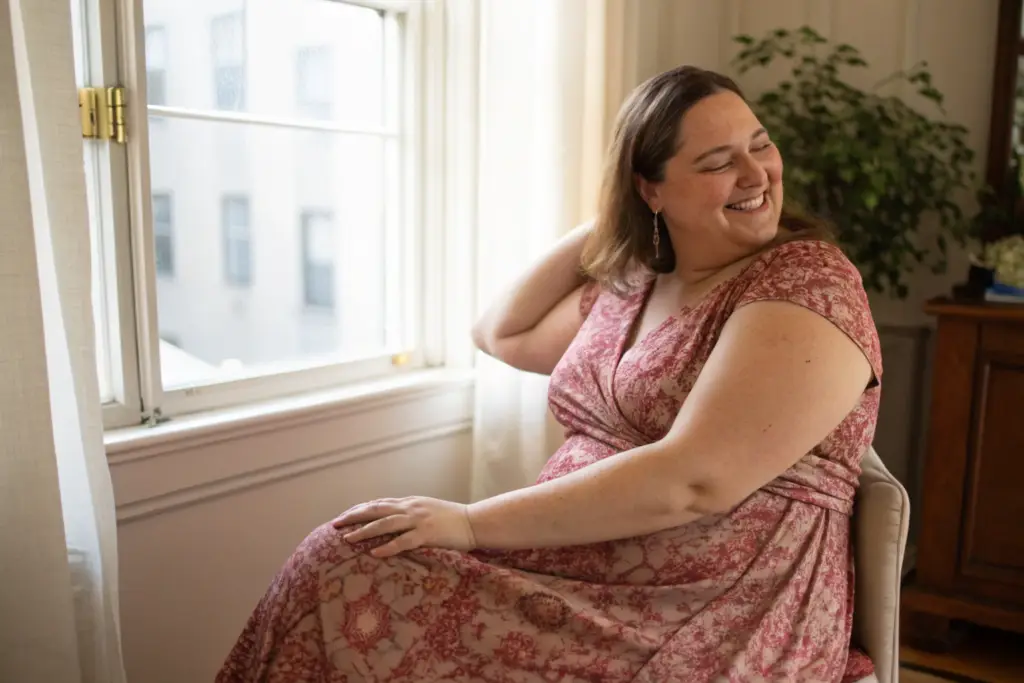
A Minneapolis-based apparel founder once shared a customer email that she kept pinned above her desk for three years. The customer, a woman in her late forties, wrote: "I have not worn a dress in twelve years because the seams hurt my skin, the buttons are impossible for my arthritic fingers, and nothing in my size looks like it was designed for a human body. I wore your dress to my daughter's wedding. I cried when I looked in the mirror. Thank you for seeing me." This customer, and millions like her, represents a market segment that the mainstream apparel industry has systematically ignored, and she is not a one-time, grateful purchaser. She is a customer for life.
Size-inclusive, sensory-friendly adaptive clothing serves a vast, underserved, and deeply loyal customer base because approximately 70% of American women wear a size 14 or above, yet the plus-size apparel market remains dramatically underpenetrated by brands offering genuinely well-fitting, stylish, and functional clothing, and a significant subset of this population—as well as individuals with autism, sensory processing disorders, arthritis, or limited mobility—requires adaptive features such as flat seams, tagless labels, magnetic closures, and soft, non-irritating fabrics that are almost entirely absent from the mass market, creating a customer base with an exceptionally high emotional loyalty, a strong word-of-mouth referral network, and a willingness to pay full price for a garment that finally fits and feels comfortable.
This customer has been disappointed by clothing her entire adult life. When she finds a brand that fits her body, does not irritate her skin, and looks beautiful, she becomes an evangelist. She tells her friends, her online communities, and her healthcare providers. The customer acquisition cost is a fraction of a fashion brand's because the organic referral rate is so high.
What Specific "Sensory-Friendly" Fabric and Construction Features Define This Niche?
The features include: fabrics with a fiber micron diameter below 18 for absolute softness against sensitive skin, flatlock seams that sit flush against the skin with no raised ridge, fully tagless construction with heat-transferred or woven-in care information, magnetic or Velcro closures replacing buttons and zippers for those with limited fine motor control, and compression-free waistbands with wide, soft elastic that does not dig into the abdomen.
Why Does a "True Plus-Size Fit Block" Require a Dedicated Pattern Foundation, Not a Graded-Up Standard Size Block?
A standard size 6 pattern block graded up to a size 24 produces a garment with armholes that are too deep, shoulder seams that droop, bust darts that sit in the wrong position, and a waist-to-hip curve that does not match the plus-size body's actual geometry. A true plus-size fit block is drafted from scratch on a size 18-20 fit model, with specific adjustments for a fuller bust, fuller upper arm, forward-rotated shoulder, and a contoured back rise. Brands that invest in this dedicated block achieve a fit that generates the exceptional loyalty and word-of-mouth referral that defines this niche.
Why Are "Premium, Personalized, and Sustainable Children's Wear" Generating Repeat Wholesale Orders From Boutiques That Previously Bought Only Adult Fashion?
A Nashville-based children's boutique owner once told me that her bestselling category, by a significant margin, was no longer the trendy adult contemporary brands she had built her store around. It was a small, premium children's wear line that offered monogrammed organic cotton knit sets, personalized with the child's name embroidered on the inside cuff. Grandmothers bought the entire collection for their newborn grandchildren. Parents purchased multiple sizes of the same style as the child grew. The boutique's reorder rate on this children's line was three times higher than any adult brand she carried. The reason, she explained, was that a grandmother buying a gift for her first grandchild is the least price-sensitive customer in the entire apparel market.
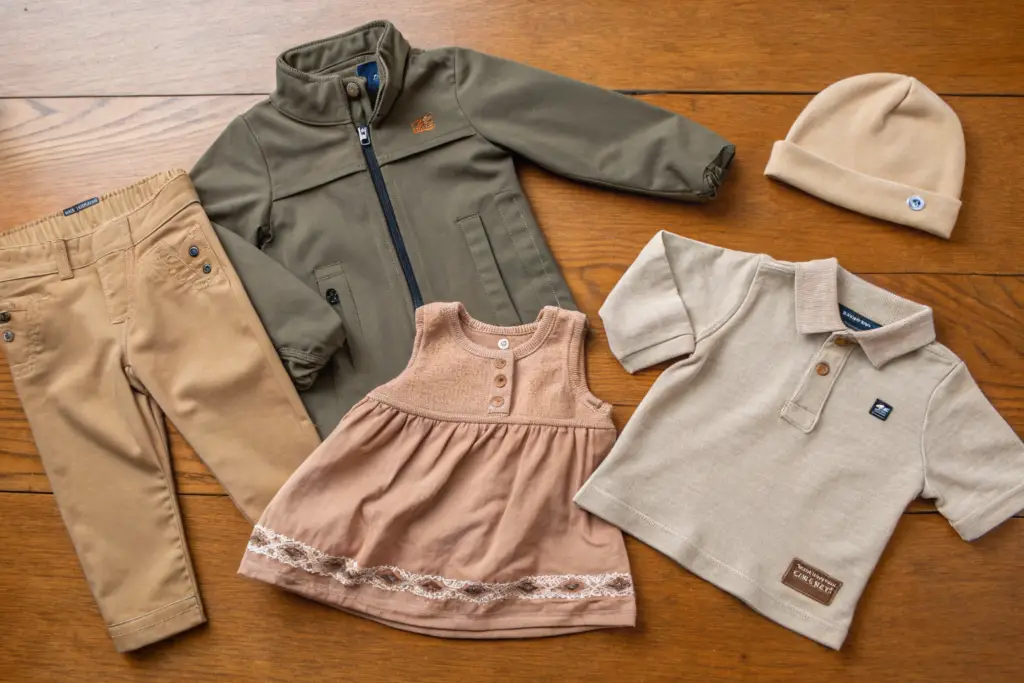
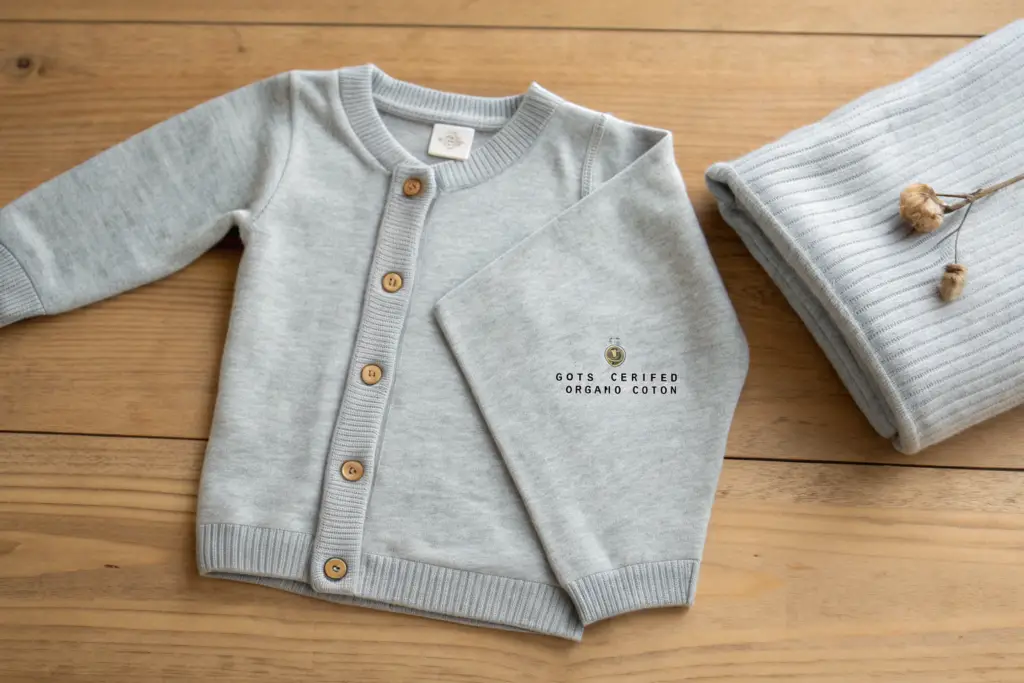
Premium, personalized, and sustainable children's wear generates exceptional wholesale reorder rates because millennial and Gen Z parents, now the dominant demographic of new parents, prioritize product safety, material quality, and brand transparency over fast-fashion pricing when purchasing for their children, creating a customer base willing to pay a significant premium for GOTS-certified organic cotton, OEKO-TEX certified chemical safety, personalized embroidery or monogramming, and durable construction that survives multiple children and can be passed down, transforming a children's garment from a disposable fast-fashion item into an heirloom-quality investment piece.
A parent will buy a $12 fast-fashion onesie for their own child without much thought. A grandmother buying a gift for a grandchild, or a parent buying for a first child after years of waiting, will spend $65 on a monogrammed organic cotton cardigan without hesitation. The emotional context of the purchase completely transforms the price sensitivity curve.
What "Personalization Options" Command the Highest Price Premium in the Premium Children's Wear Market?
The highest-premium personalization options are: tonal monogram embroidery on the chest or cuff, custom name embroidery on the inside neck label, personalized gift packaging with the child's name printed on the box, and "sibling set" coordination where multiple sizes of the same style are packaged together with each child's name.
Why Does "GOTS-Certified Organic Cotton" Certification Matter More to Millennial Parents Than to Any Previous Generation?
Millennial parents are the first generation to broadly research product safety and environmental impact before purchasing. They actively look for GOTS and OEKO-TEX certifications as trust signals. A brand that provides the actual certification number, verifiable on the certifying body's public database, wins their trust and their repeat business.
How Are "Branded, High-Performance Corporate and Hospitality Uniforms" Becoming a Profitable, Recession-Resistant Apparel Vertical?
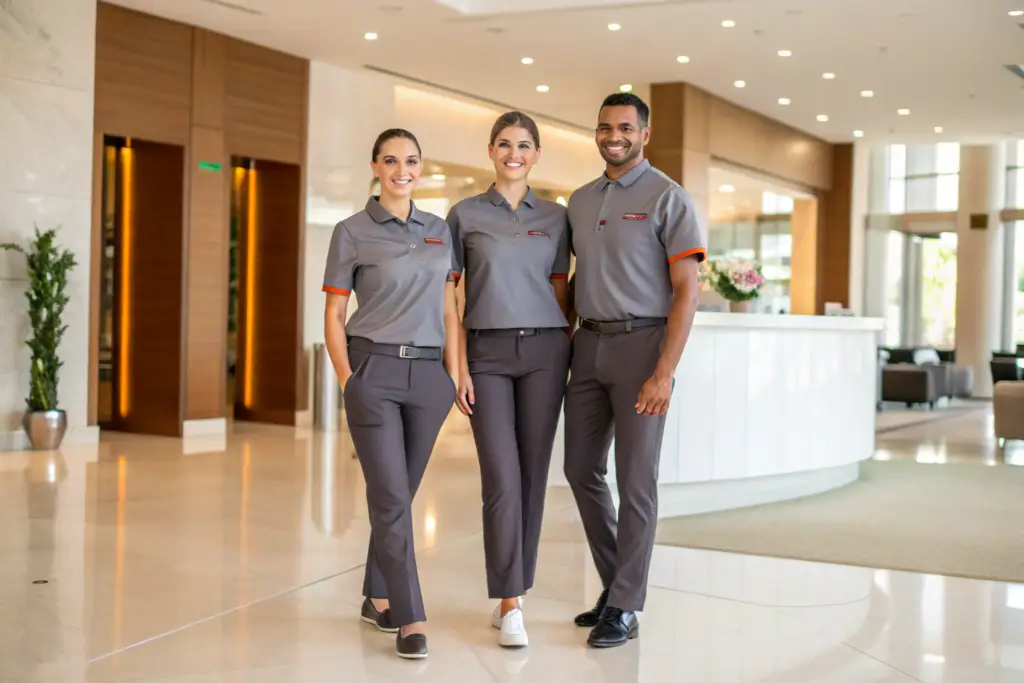
A major West Coast hotel chain once switched their front desk staff from cheap, ill-fitting polyester uniforms sourced from a generic uniform supplier to custom-designed, high-performance uniforms from a specialized apparel brand. The uniforms used moisture-wicking, breathable fabric, a tailored fit designed on actual employee fit models, and subtle, elegant brand embroidery. The result, as reported by the hotel's HR director, was a 22% reduction in front desk staff turnover within the first year. Employees reported feeling more professional, more comfortable during long shifts, and more proud of their appearance. The hotel chain expanded the uniform program to all twelve properties. The apparel brand secured a multi-year, high-six-figure annual contract.
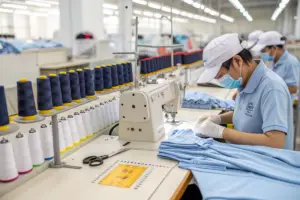
Branded, high-performance corporate and hospitality uniforms are a profitable, recession-resistant apparel vertical because companies in the hospitality, premium retail, and corporate sectors are increasingly recognizing that employee uniforms are a recruitment, retention, and brand-image investment, not a cost to be minimized, and they are willing to pay premium per-unit prices for uniforms that incorporate moisture-wicking fabrics, antimicrobial finishes, tailored fits, and durable construction that maintains a professional appearance through hundreds of industrial laundry cycles, creating multi-year, contracted, high-volume B2B relationships that are insulated from consumer fashion cycle volatility.
A consumer might skip buying a new jacket this season if the economy tightens. A hotel chain with 500 front desk employees will not skip buying uniforms. The employees need something to wear to work, and the existing uniforms wear out on a predictable cycle. The demand is non-discretionary, contracted, and recurring.
What Specific "Performance Fabric Features" Do Corporate Uniform Buyers Now Demand?
The demanded features are: moisture-wicking polyester or poly-cotton blends that keep employees dry during long shifts, antimicrobial or odor-control finishes, four-way mechanical stretch for all-day comfort, a durable press or wrinkle-resistant finish that maintains a crisp appearance without ironing, and industrial laundry durability rated for a minimum of 50 high-temperature wash cycles.
Why Does a "Tailored Fit Developed on Actual Employee Fit Models" Reduce Uniform Replacement Costs?
A generic uniform sized Small through 3XL fits no one well. Employees roll sleeves, tuck excess fabric, and wear the uniforms in ways that cause premature wear at stress points. A uniform developed on a sample of actual employees, with a fit that accommodates the range of body types actually present in the workforce, is worn correctly, experiences less stress, and lasts longer. The longer replacement cycle offsets the higher initial per-unit cost.
Conclusion
The most profitable custom clothing niches for the 2026 US market are not found by chasing the same oversaturated trend categories that dominate social media. They are found by identifying specific, underserved customer segments with persistent, non-discretionary, or deeply emotional clothing needs, and providing a product that solves a functional problem or fulfills an identity requirement that generic, mass-market clothing cannot address. The skilled trades workforce needs durable, functional workwear that survives a 60-hour work week and can be customized with company branding. The plus-size and sensory-sensitive consumer needs clothing that finally fits her body and does not irritate her skin. The millennial parent and gift-giving grandparent need premium, personalized, certified-safe children's wear. The corporate employer needs high-performance uniforms that retain employees and project brand image.
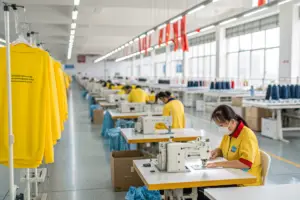
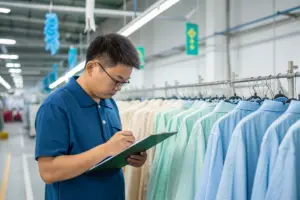
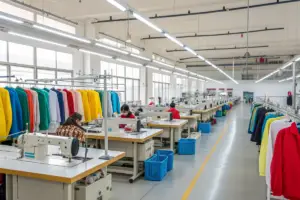
At Shanghai Fumao, I produce custom clothing across all four of these high-margin niches. My pattern-making team has developed dedicated plus-size fit blocks, durable workwear constructions with reinforced stress points, GOTS-certified organic children's wear with personalization capabilities, and high-performance corporate uniform fabrics with industrial laundry durability. My factory is structured to serve brands that operate in these deep, loyal, high-retention market segments.
If you are a brand buyer evaluating which niche to enter or expand in 2026, and you want a manufacturing partner with proven expertise in durable workwear, inclusive sizing, premium children's wear, or corporate uniforms, contact my Business Director, Elaine. She can share our capability overview for each niche, including fabric specifications, construction standards, customization options, and minimum order quantities. Reach Elaine at: elaine@fumaoclothing.com. Build a brand for a customer who has been waiting to be seen.