You have a trend. You have a design. You need to get it to market before the window closes. But the process is slow. You wait for patterns. You wait for samples. You wait for revisions. Weeks turn into months. The trend passes. Your competitors beat you. You miss the season. I have seen this happen countless times. The problem is not your design. It is not your vision. It is the sample development process. A slow sample process kills speed. A fast sample process enables speed.
Based on our experience producing thousands of styles, sample development can either be your biggest bottleneck or your greatest accelerator. When done right, it compresses your timeline dramatically. For example, last year we worked with a streetwear brand from Los Angeles. They needed to capture a trend that had just emerged. Their previous factory took 8 weeks for samples. By the time they approved, the trend was fading. When they switched to us, we restructured their sample process. We moved to parallel workflows. We reduced sample rounds. We used stocked fabrics. The first sample was ready in 7 days. The collection launched in 6 weeks. The brand captured the trend. Sales were up 50% that season. That is the power of sample development done for speed.
So, how can sample development speed up your time to market? Let me break it down. I will explain the bottlenecks. I will show you how to streamline each stage. I will share specific strategies for faster patterns, faster samples, and faster approvals. And I will give you a framework for a speed-focused sample process.
How Do You Reduce Pattern Making Time?
Pattern making is often the first bottleneck. I remember a client from New York. They sent a tech pack. The pattern maker took 10 days to create the pattern. The client was frustrated. They did not understand why it took so long.
Pattern making time can be reduced by using digital pattern making software, maintaining a library of proven blocks, and standardizing grading rules. For the New York client, we implemented a digital pattern system. The pattern maker used our existing block library. The first pattern was ready in 3 days. For fast fashion brands, we maintain a library of basic blocks. When a new style is similar to an existing one, the pattern is 80% complete. For denim, we have blocks for different fits. A new style uses the existing block. The pattern is adjusted, not created from scratch.
We also use parametric pattern making. The pattern changes automatically when we input new measurements. This reduces manual work.
How Does Digital Pattern Making Accelerate the Process?
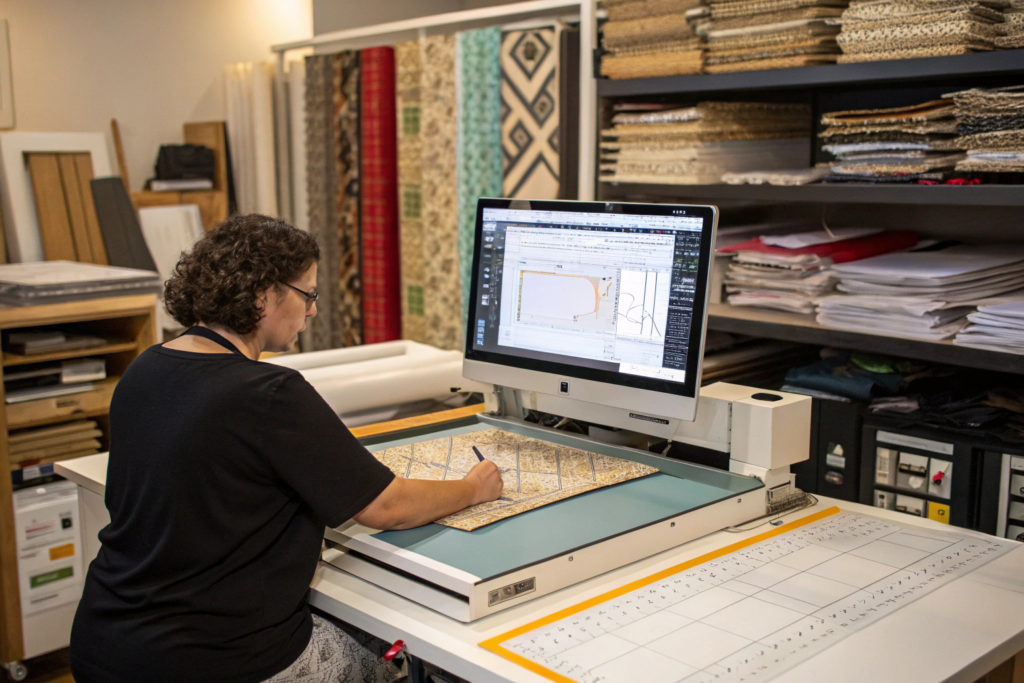
Digital pattern making eliminates manual drafting. Changes are made in minutes, not hours. Patterns can be sent electronically to the sample sewer. For a woven shirt client, a pattern change that used to take half a day now takes 15 minutes. The digital file is sent directly to the plotter. The pattern is cut and ready for sewing within an hour.
How Do Pattern Libraries Reduce Development Time?
A pattern library is a collection of proven blocks. If you have a block for a tailored jacket, a new jacket style can use that block as a base. The pattern maker adjusts the details. For a sportswear client, we have blocks for leggings, sports bras, and tank tops. A new style takes 1 to 2 days instead of 5. The library also ensures consistency across seasons.
How Do You Accelerate Sample Sewing?
Sample sewing is the next bottleneck. I remember a client from Chicago. Their factory had one sample sewer. When that sewer was busy, all samples stopped. The client waited weeks.
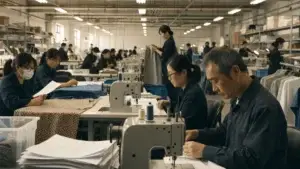
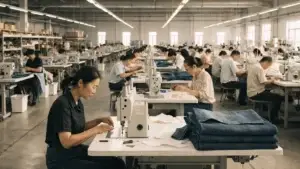
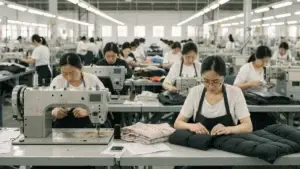
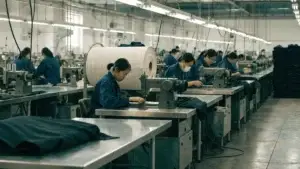
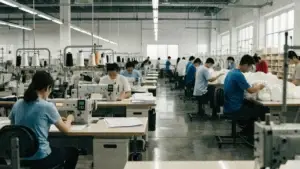
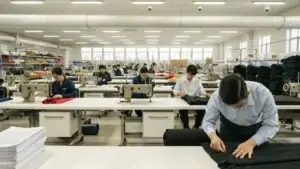
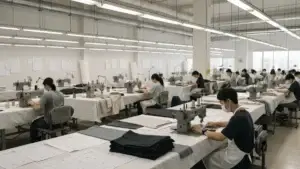
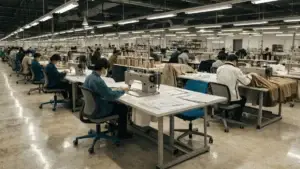
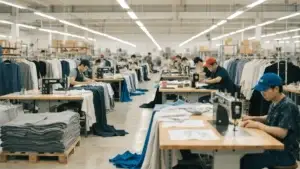
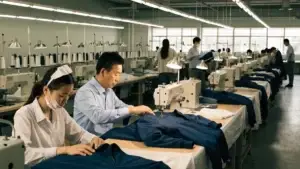
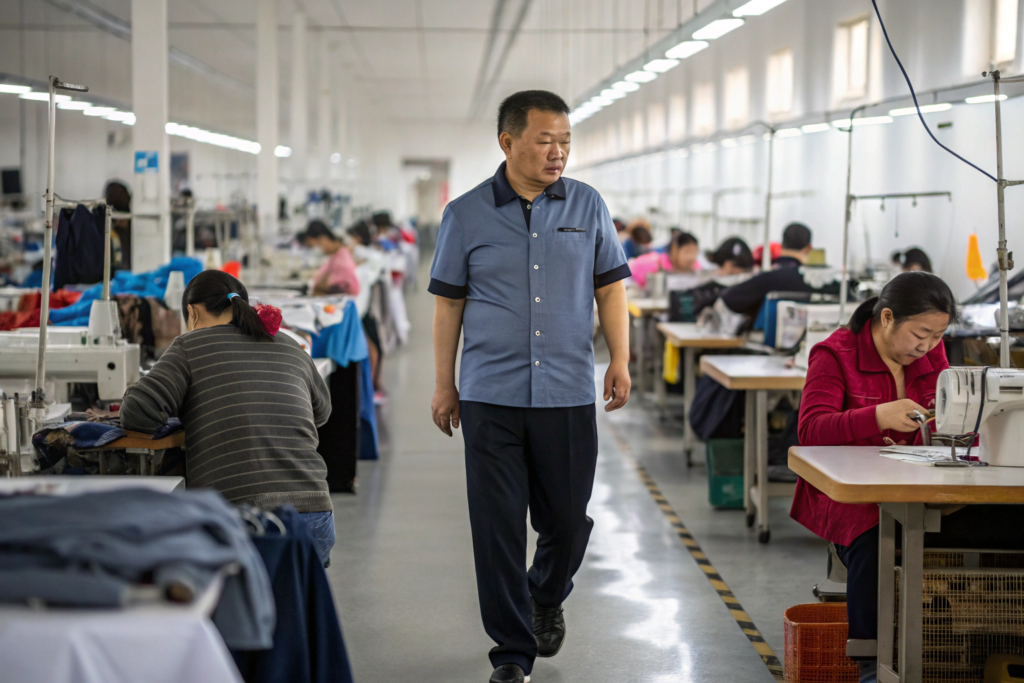
Sample sewing can be accelerated by having a dedicated sample team, using standardized construction methods, and parallel processing. For the Chicago client, we dedicated three sample sewers to their account. They could run multiple styles simultaneously. For large brands, we have a sample room with 10 to 15 sample sewers. They work on different styles at the same time. For emerging brands, we allocate a dedicated sample sewer. They learn the brand's styles and become faster over time.
We also use standardized construction methods. The sample sewer does not have to figure out how to sew each seam. The methods are pre-defined.
How Many Sample Sewers Do You Need for Speed?
The number depends on the volume of styles. For a brand developing 5 styles per month, one dedicated sample sewer can handle it. For 20 styles per month, you need 3 to 4. For a fast fashion client, we have 6 sample sewers dedicated to their account. They develop 30 styles per month. The turnaround is 7 days per sample.
How Does Parallel Processing Speed Up Multiple Styles?
Parallel processing means working on multiple styles at the same time. Instead of finishing one style before starting the next, the sample room works on several simultaneously. For a contemporary client, we had three styles in development at once. Pattern making for style A, sewing for style B, and finishing for style C all happened in the same week. The client received all three samples within 10 days.
How Do You Compress Sample Rounds?
Sample rounds are where time is most often lost. I remember a client from Seattle. They did four fit rounds. Each round took 2 weeks. The sample process took 8 weeks. They missed their launch window.
Sample rounds can be compressed by having clear fit notes, using a fit model that represents your customer, and combining changes into a single round. For the Seattle client, we reduced fit rounds from four to two. The first fit round addressed major fit issues. The second round was a final check. For denim, we do two fit rounds. The first for rise and thigh. The second for final adjustments. For outerwear, we sometimes need three rounds. But we compress the timeline by overlapping activities.
We also use video calls for fit reviews. The client sees the sample on the fit model in real time. They give feedback immediately. The pattern maker makes changes while the client watches.

How Do You Reduce the Number of Fit Rounds?
Reduce fit rounds by:
- Using proven blocks
- Providing clear, detailed fit notes with measurements
- Testing on a fit model that matches your target customer
- Doing a thorough first fit round
For a women's blouse client, we did one fit round. The first sample was 90% correct. The client provided clear notes. The second sample was approved. Two rounds total.
How Do You Combine Changes to Avoid Multiple Rounds?
Combine changes by grouping them. Instead of sending a new sample for every change, wait until multiple changes are ready. For a sportswear client, we combined pattern adjustments, trim changes, and labeling changes into one round. The client approved all at once. This saved 3 weeks.
How Do You Overlap Sample Stages?
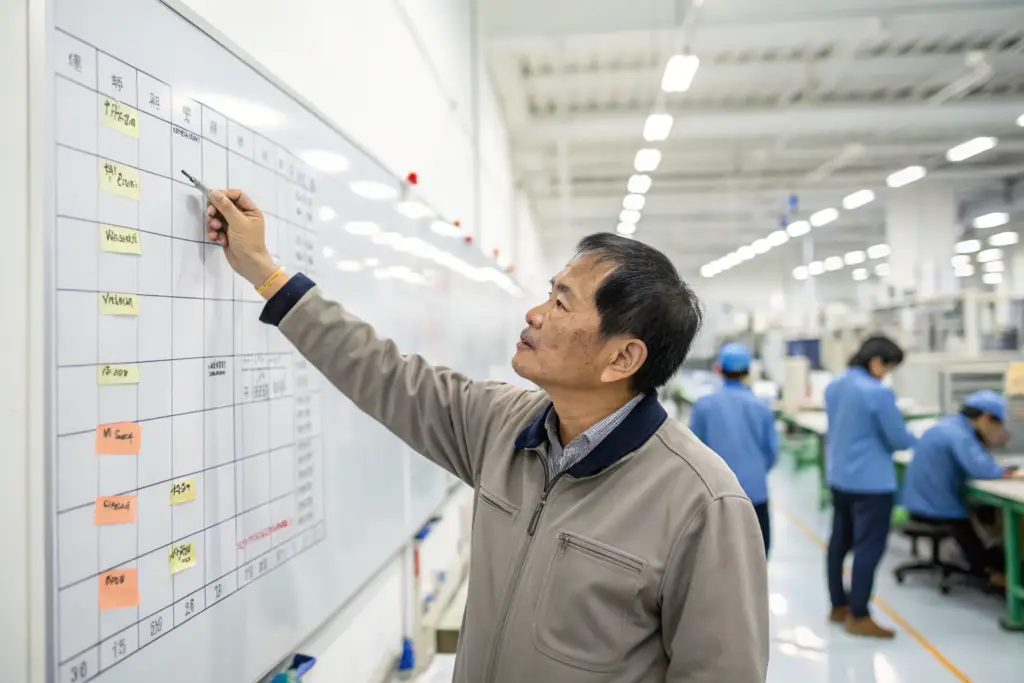
The traditional sample process is linear. Pattern making, then sample sewing, then fit review, then revisions. This takes time. I remember a client from Boston. They asked us to overlap stages. We were skeptical. But we tried it. The timeline compressed significantly.
Overlapping stages means starting the next stage before the previous one is complete. For example, start sourcing trims while the pattern is being made. Start the pre-production sample while fit samples are being reviewed. For the Boston client, we overlapped pattern making and trim sourcing. The trim arrived the same day the pattern was finished. The sample was sewn immediately. For fast fashion, we overlap heavily. The fabric is ordered as soon as the design is approved. The pattern is made while the fabric is in transit. The sample is sewn the day the fabric arrives.
We also overlap fit rounds. The next size is being made while the previous size is being reviewed.
What Stages Can Be Overlapped?
Stages that can be overlapped include:
- Pattern making and trim sourcing
- Fit sample sewing and grading for other sizes
- Fit review and pre-production sample preparation
- Pre-production sample and bulk fabric ordering
For a denim client, we overlapped wash development with pattern making. The wash samples were being developed while the pattern was being finalized. When the pattern was approved, the wash was ready.
How Do You Manage the Risks of Overlapping?
Overlapping increases risk. If a later stage reveals a problem, work done in parallel may be wasted. We manage risk by:
- Using proven blocks and standard methods
- Making decisions early
- Building in small buffers
For a tailored jacket client, we overlapped but kept a 3-day buffer. If something went wrong, we had time to adjust. Nothing went wrong. The timeline was compressed by 2 weeks.
Conclusion
Sample development does not have to be slow. With the right strategies, it can be your fastest path to market. Reduce pattern making time with digital tools and pattern libraries. Accelerate sample sewing with dedicated teams and parallel processing. Compress sample rounds with clear communication and combined changes. Overlap stages to eliminate waiting time.
At Shanghai Fumao, we have built our sample development process for speed. We have digital pattern making. We have a dedicated sample team. We have a fit model on site. We overlap stages. We help our clients get to market faster.
Let us help you speed up your time to market. Contact our Business Director, Elaine, directly at elaine@fumaoclothing.com. Tell us about your collection. We will show you how fast sample development can work for you.