Choosing the right logo printing method can make or break your brand’s image. I have seen many brand owners struggle with this decision.
The correct printing method depends on your fabric type, design complexity, order quantity, and budget. Screen printing is best for large orders with simple colors. Direct-to-garment (DTG) works for complex, detailed designs and small batches. Heat transfer is good for small runs and polyester fabrics. Embroidery is ideal for hats, polos, and a premium look.
At Shanghai Fumao, we handle hundreds of custom logo orders every month. We work with American brands that need reliable quality. I have learned that a clear method selection process saves time, money, and frustration. This guide will help you pick the right method for your next collection.
What are the key factors to consider when choosing a logo printing method?
The first step is always to understand your project details. I talk to my clients about three main things before we even look at a printing machine.
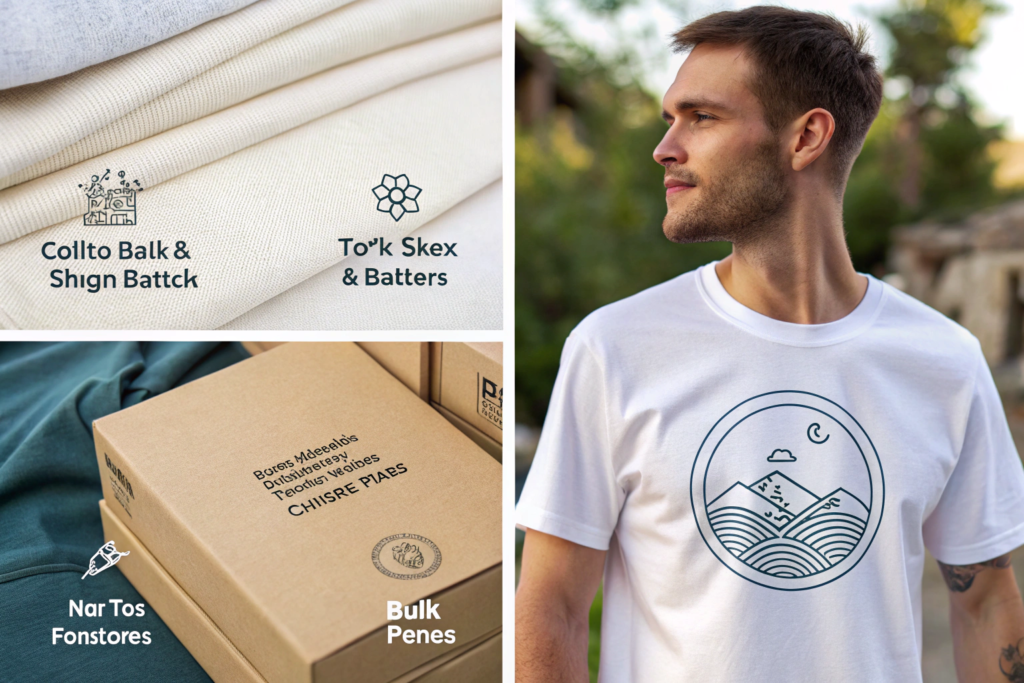
What is your order quantity?
Quantity is the biggest factor for cost. The price per unit changes a lot with different methods.
I remember a client from New York. He wanted 50 custom hoodies for a pop-up event. He first asked for screen printing. I explained that screen printing has a high setup cost. For 50 pieces, the cost per hoodie would be high. We switched to heat transfer vinyl (HTV) instead. It had a lower setup fee. He saved 35% on his total order cost. His event was a success.
Here is a simple breakdown:
| Order Size | Best Printing Method | Why? |
|---|---|---|
| 1-20 pieces | DTG or Heat Transfer | Low setup cost. No minimums. |
| 20-100 pieces | DTG or Screen Print (if simple) | DTG is good for complex art. Screen print can be more cost-effective for simple logos on cotton. |
| 100-500 pieces | Screen Printing | The setup cost is spread out. The cost per piece drops a lot. |
| 500+ pieces | Screen Printing (Automatic Press) | High speed, very low per-unit cost, and consistent color. |
What is your fabric type?
Not all fabrics work with all printing methods. This is a lesson we learned the hard way.
A few years ago, a fitness brand from California asked us to print a large order on their new polyester-spandex leggings. They wanted screen printing. We tested it first. The ink did not bond well with the synthetic fabric. It cracked after one stretch test. We had to change the plan.
We used sublimation printing instead. Sublimation dyes the fabric itself. The logo became part of the garment. It did not crack or peel. The client was happy. Now, we always test printing on the actual fabric first.
- Cotton: Works with almost everything. Screen printing, DTG, and heat transfer are all good options.
- Polyester & Nylon: Best for sublimation or specific heat transfer films made for synthetics. Screen printing requires special additives.
- Blends (Cotton/Poly): DTG and screen printing are common. The blend ratio can affect the final look.
How complex is your logo design?
Your logo design tells us which method to use. Simple or complex? Colorful or one-color?
A Boston-based brand came to us with a logo that had a watercolor effect. It had 15 colors and soft edges. Screen printing would have been too expensive. We would need a separate screen for each color. The setup cost would be over $500.
We used Direct-to-Garment (DTG) printing instead. DTG works like a paper printer. It can print any color and detail. The setup cost was minimal. The watercolor effect looked perfect. The brand owner was amazed.
- Simple, solid colors (1-4 colors): Screen printing is the most cost-effective and durable choice.
- Complex designs, gradients, many colors: DTG or sublimation is the best fit.
- All-over prints: Sublimation is the only method that can cover the entire garment seamlessly.
Why is screen printing still the top choice for bulk orders?
For many of our clients, screen printing remains the gold standard. It is reliable, durable, and cost-effective for large runs.
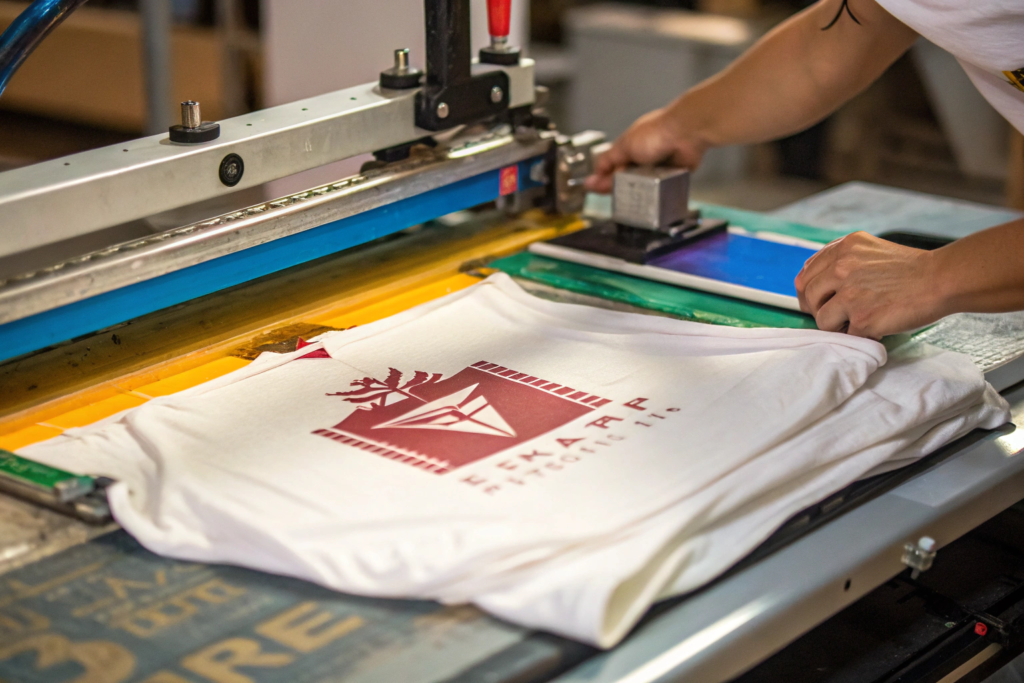
How does screen printing achieve such vibrant and durable results?
Screen printing pushes ink through a mesh screen onto the garment. Each color needs its own screen. This is why the setup cost is high. But the result is worth it for large orders.
The ink sits on top of the fabric. This creates a thick, vibrant layer. It can stand out. For a bold, solid logo, nothing beats it. I have seen screen-printed logos last for years without fading.
We recently did a run of 3,000 t-shirts for a music festival in Texas. They used a three-color logo. We used high-quality plastisol ink. The ink is very durable. It survives many washes. The festival organizer told us the shirts were a hit. People loved the feel and the bright colors.
What are the main cost drivers in screen printing?
Understanding the costs helps you plan your budget. There are three main parts to the cost.
First is the screen setup fee. This is a one-time cost per color. For a three-color logo, you pay for three screens. This cost is spread out over the total order. For 100 shirts, the per-shirt impact is high. For 1,000 shirts, it is very low.
Second is the labor cost. Loading and unloading the shirts takes time. This cost goes down as the order size goes up. An automatic press can print hundreds of shirts per hour.
Third is the ink cost. Plastisol ink is standard. But sometimes we use water-based ink. Water-based ink feels softer. It is better for a vintage look. It can cost a little more.
We always share a clear breakdown with our clients. This way, they know exactly where their money goes. For a custom order, you can contact us to get a detailed quote with all these factors.
When should you choose DTG or heat transfer for your logo?
Sometimes, screen printing is not the answer. For small batches, complex designs, or specific fabrics, DTG and heat transfer are better.
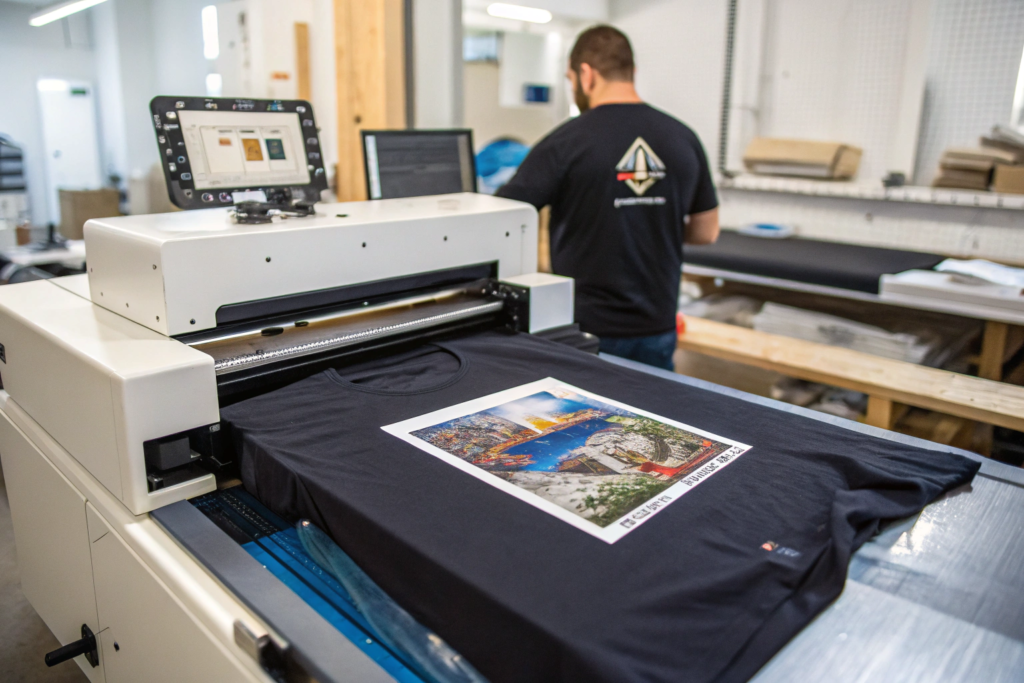
Is DTG the right choice for small orders and complex designs?
DTG is perfect for on-demand printing. It does not require screens. You can print one shirt or 100 shirts. The price per shirt is the same.
The machine prints directly onto the fabric using water-based inks. The ink soaks into the fibers. This creates a very soft hand-feel. You can barely feel the print on the shirt.
A few months ago, a new streetwear brand from Chicago contacted us. They had a complex design with a photo of a city skyline. Their first order was only 25 hoodies. Screen printing was too expensive. We used DTG. The detail was amazing. You could see every window in the skyline. The owner was thrilled. He has since placed three larger orders with us.
DTG works best on 100% cotton. It can work on blends but the quality might vary. It is also not as durable as screen printing for very heavy-wear items like work uniforms.
What are the different types of heat transfer and which one is best?
Heat transfer covers many methods. They all use heat and pressure to apply a design from a special paper to the fabric.
There are three main types we use at our factory:
- Heat Transfer Vinyl (HTV): This is for cutting letters or simple shapes. Each color is cut from a roll of vinyl. You then layer them on the garment. It is great for sports jerseys and names.
- Sublimation: This is for polyester fabrics. The ink turns into a gas and bonds with the fabric fibers. It creates a permanent, soft print. It is the only choice for all-over prints. We used this for the fitness brand I mentioned earlier.
- Digital Heat Transfer: This is a newer method. A digital printer prints your design onto a special film. Then, you heat-press the film onto the garment. It works on many fabric types. It can handle complex designs with many colors. The durability is better than DTG but less than screen printing.
For a client who makes custom pet bandanas, we use sublimation. The bandanas are polyester. The colors are bright. And the print never cracks or fades, even after many washes.
How do you verify quality and avoid printing delays?
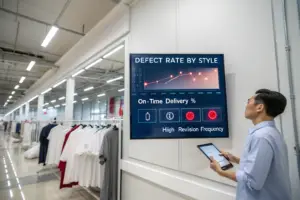
Quality control is my top priority. A bad print can ruin your brand. Delayed shipments can kill your season. We have systems to prevent both.
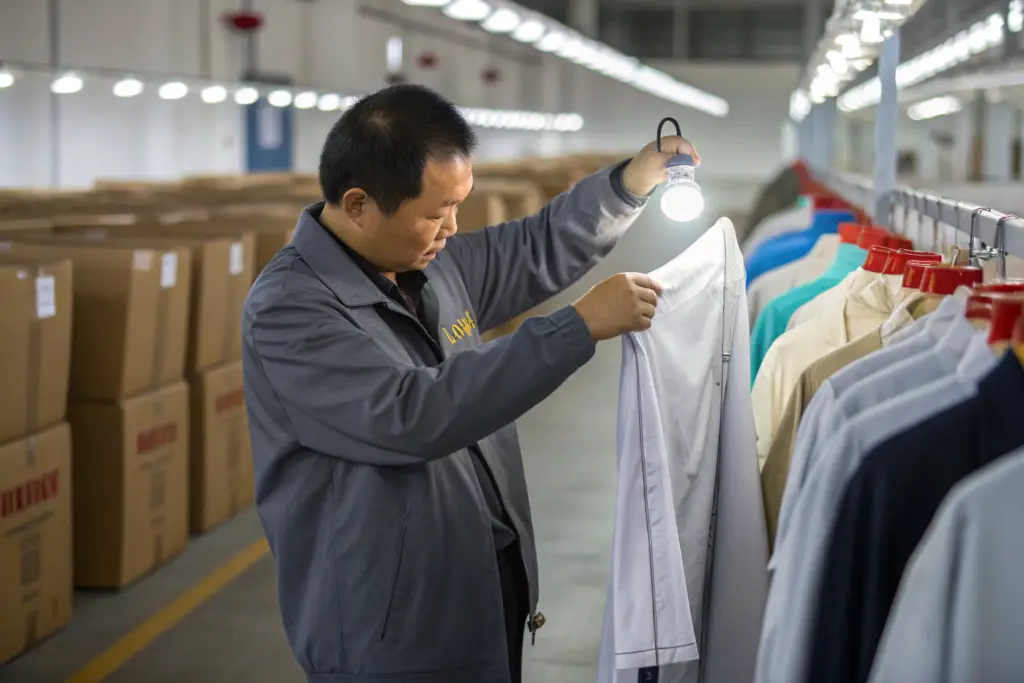
What does a robust quality control process look like?
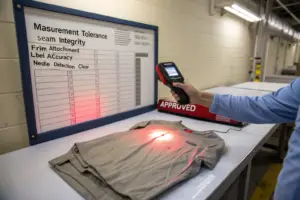
We do not just check the final product. We check at every step. This is how we ensure that every logo is perfect.
- Pre-Production Sample: Before we start the bulk order, we print one sample. We send it to you for approval. You check the color, placement, and size. You approve it. Then we start the full run. This simple step prevents 90% of all problems. We did this for a client in Seattle last year. The sample showed a slight color shift. We fixed the ink formula. The bulk order was perfect.
- First-Piece Check: When we start the printing machine, the operator checks the first shirt. They check the temperature, pressure, and registration. The manager double-checks it.
- In-Line Inspection: As the shirts come off the press, workers inspect them. They look for pinholes, smudges, and crooked logos. Any bad shirt is removed immediately.
- Final Audit: Before we pack the cartons, we do a final check. We count the pieces. We check the packing list. We ensure everything matches the order.
How can you ensure on-time delivery for your apparel order?
Delays are often caused by unclear communication or unrealistic timelines. We have a simple rule: we do not promise what we cannot deliver.
A brand owner from Florida needed 500 custom polo shirts for a corporate event. The event date was fixed. He came to us with only 4 weeks to spare. Many factories said they could do it but were vague. We told him the truth. We could do it in 3.5 weeks if he approved the sample in 2 days. He worked with us to speed up the approval. We met the deadline. His client event was a success.
Here is how we guarantee on-time delivery:
- Clear Timeline: From the start, we agree on a production schedule. It includes the sample date, the bulk start date, and the shipping date.
- Regular Updates: I have my team send a weekly update. You get a photo of the production. You know where your order stands. No guessing.
- Shipping Partners: We work with reliable freight forwarders. They handle the logistics from our factory to your door in the USA. We offer DDP (Delivered Duty Paid) for many clients. This means we handle all the shipping costs, duties, and taxes. You receive the goods without any extra hassle.
At Shanghai Fumao, we use a system to track every order. It helps us catch potential delays before they happen. If a raw material is late, we know on day one. We can then find a solution quickly.
Conclusion
Selecting the right printing method is a critical decision for your brand. It affects your cost, your product quality, and your customer’s perception. I have seen that a clear process works best. First, define your order quantity, fabric, and design. Then, match those needs to the right method. Screen printing is the champion for large, simple orders. DTG offers freedom for small, complex designs. Heat transfer gives you flexibility for synthetics and special effects.
Quality control and clear communication are the foundations of a successful partnership. We test everything before we print it. We check the work at every stage. We give you honest timelines and stick to them. This approach has helped us build long-term relationships with brands across North America and Europe.
I invite you to bring your next apparel project to life with us. Let us handle the manufacturing complexities. You focus on building your brand.
If you have a design in mind, contact our Business Director, Elaine. She can help you choose the best printing method for your order. You can reach her directly at strong>elaine@fumaoclothing.com. We are ready to become your trusted manufacturing partner.