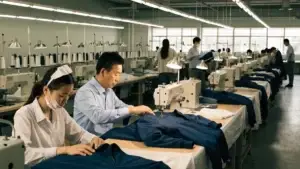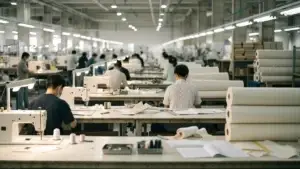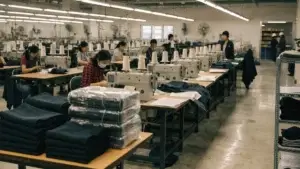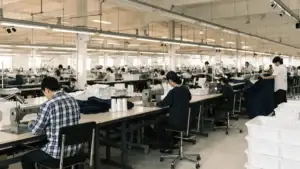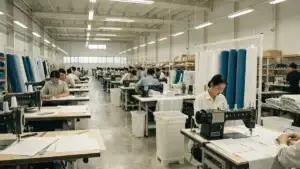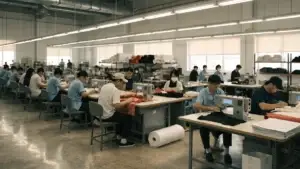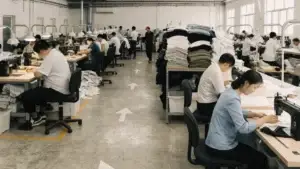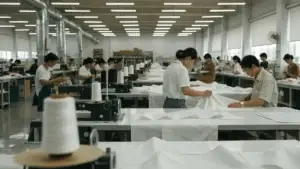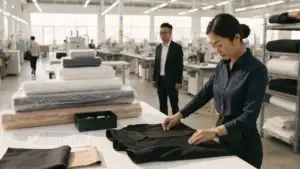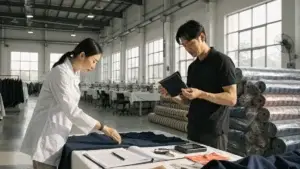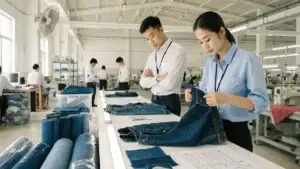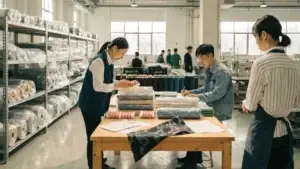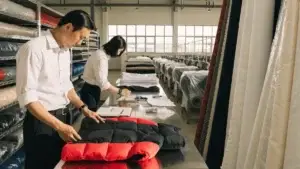
I have been in the apparel manufacturing business for over a decade. I have run factories. I have visited hundreds of factories across Asia. And I have seen both good and bad labor practices.
At Shanghai Fumao, ethical labor is not a marketing slogan. It is how we operate. We believe that treating workers fairly is not just the right thing to do. It is also good business. Workers who are treated well stay longer. They take pride in their work. They produce higher quality garments.
But I know that not every factory operates this way. I have heard stories from clients who discovered labor violations in their supply chains. I have seen brands damaged by scandals they did not see coming. I have helped clients find new factories when their previous partners failed audits.
In this article, I will share what I have learned about ensuring ethical labor practices in apparel manufacturing. I will explain what to look for. I will tell you how to verify claims. I will give you practical steps to protect your brand. And I will share real examples of what ethical practices look like on the factory floor.
What Are the Key Elements of Ethical Labor Practices?
Ethical labor is not one thing. It is a set of practices across multiple areas. Understanding these areas helps you know what to look for.
No Forced Labor
Forced labor means work that is done involuntarily. This includes bonded labor, prison labor, and work done under threat. Ethical factories do not use forced labor. Workers are free to leave their jobs. Workers are not required to pay recruitment fees. Workers have control over their identification documents.
No Child Labor
Child labor is defined by the International Labour Organization. The minimum age for work is typically 15 years old. For hazardous work, the minimum age is 18. Ethical factories verify worker ages. They keep proper identification records. They do not employ children.
Fair Wages
Workers should be paid at least the legal minimum wage. But ethical factories often pay more. Wages should be paid on time. Workers should receive payslips showing hours worked and deductions. Overtime should be paid at premium rates as required by law.
Reasonable Working Hours
The standard work week is typically 40 to 48 hours. Overtime should be voluntary. Total working hours should not exceed legal limits, usually 60 to 72 hours per week. Workers should have at least one day off per week.
Safe Working Conditions
Workplaces should be safe. This includes:
- Proper fire safety: extinguishers, alarms, sprinklers, clear exits
- Clean facilities: bathrooms, break areas, drinking water
- Proper lighting and ventilation
- Safe machinery with guards and emergency stops
- Chemical safety: proper storage, handling, and disposal
Freedom of Association
Workers have the right to form or join trade unions. They have the right to collective bargaining. Ethical factories respect these rights. They do not retaliate against workers who organize.
No Discrimination
Workers should be treated equally regardless of gender, race, religion, ethnicity, or other status. Hiring, promotion, and pay should be based on merit. Ethical factories have anti-discrimination policies.
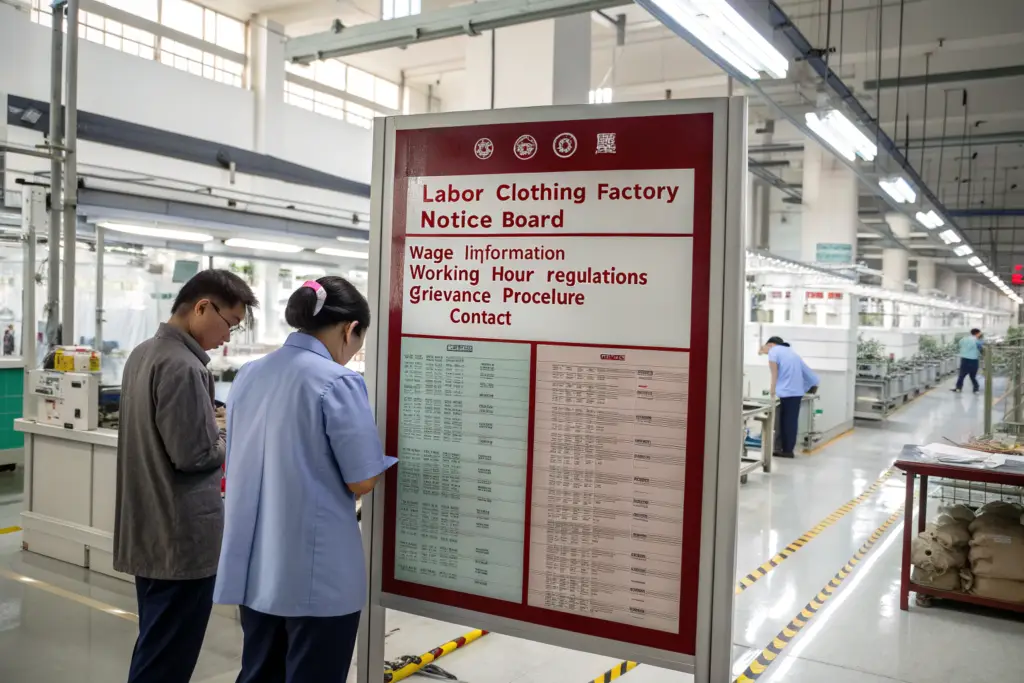
What Do Ethical Labor Practices Look Like on the Factory Floor?
Seeing ethical practices in person is different from reading about them. Here is what to look for during a factory visit.
Worker Demeanor
How do workers look? Are they engaged? Are they talking to each other? Are they focused on their work? Workers who are treated well tend to look comfortable and engaged. Workers who are mistreated may look fearful or exhausted.
Supervisor Behavior
How do supervisors interact with workers? Do they speak respectfully? Do they shout? Do they offer help when a worker is struggling? The relationship between supervisors and workers tells you a lot about the culture.
Facility Conditions
Look at the bathrooms. Are they clean? Is there soap and toilet paper? Look at the break area. Is there clean drinking water? Is there a place for workers to sit and eat? Look at the emergency exits. Are they clear? Are they marked?
Documentation
Ask to see the worker records. Look at the payroll records. Are workers paid on time? Are overtime hours recorded? Look at the age verification records. Are workers of legal age?
Worker Interviews
Ask to speak with workers privately. A good factory will allow this. The auditor or factory manager should not be present. Workers will tell you the truth when management is not there.
I remember a client visit to a factory we were considering. The factory looked clean from the outside. But when we walked the floor, the workers looked exhausted. They did not look up. The bathrooms were dirty. The drinking water was a single bottle on a shelf. We did not use that factory. The client later heard that the factory failed a social audit.
How Do You Verify a Factory's Ethical Labor Claims?
Verification is the key. You cannot rely on a factory's self-assessment. You need independent verification.
Third-Party Audits
The most reliable verification is a third-party social compliance audit. Major audit companies include:
- SGS
- Bureau Veritas
- Intertek
- UL
- TÜV Rheinland
These companies send trained auditors to the factory. They review documents. They walk the floor. They interview workers privately. They issue a detailed report. The report includes findings and a corrective action plan.
Certifications
Certifications provide ongoing verification. The most recognized certifications in apparel are:
- WRAP (Worldwide Responsible Accredited Production)
- SA8000 (Social Accountability International)
- BSCI (Business Social Compliance Initiative)
- SMETA (Sedex Members Ethical Trade Audit)
Each certification has different requirements. WRAP is the most common in the apparel industry. It covers labor practices, health and safety, and environmental standards.
Verify the Certificates
Do not just accept the certificate. Verify it with the certifying body. Contact them directly. Give them the certificate number. Ask if the certificate is valid. Ask about the scope. Some factories have certification for one production line but not the whole factory.
Request Audit Reports
Ask for the full audit reports. Not just the certificate. The audit report shows the findings. It shows what issues were found and how they were addressed. A factory with nothing to hide will share the report.
What Are the Most Common Ethical Labor Violations?
Understanding common violations helps you know what to look for. These are the issues we see most often in factory audits.
Overtime Violations
This is the most common violation. Factories may require excessive overtime. Workers may work 80 to 100 hours per week. Overtime may not be paid at premium rates. Overtime may be mandatory, not voluntary.
Wage Violations
Workers may be paid below the legal minimum wage. Overtime may not be properly compensated. Deductions for housing, meals, or transportation may be excessive. Workers may not receive written payslips.
Documentation Issues
Age verification documents may be missing or falsified. Workers may not have proper employment contracts. Payroll records may not match actual hours worked.
Health and Safety Issues
Emergency exits may be blocked. Fire extinguishers may be missing or expired. Chemical storage may be unsafe. Bathrooms may be unsanitary. Workers may not have proper safety equipment.
Worker Interview Issues
Workers may report fear of retaliation. They may say they were told what to say to auditors. They may say they have never seen an audit before the visit.

How Do Factories Hide Labor Violations from Audits?
Some factories prepare for audits. They show a "show floor" that is clean and compliant. The problems are hidden. Knowing how factories hide violations helps you see through the preparation.
The Show Floor
Some factories prepare a specific area for audits. They move compliant workers to that area. They hide non-compliant workers. They clean that area but leave other areas dirty. An experienced auditor will walk the entire facility, not just the show floor.
Documentation Falsification
Some factories create fake documents. Fake time cards. Fake payroll records. Fake age verification. Fake training records. Experienced auditors can spot inconsistencies. They compare documents to actual worker interviews.
Worker Intimidation
Some factories threaten workers before an audit. Workers are told what to say. They are told not to speak to auditors. They are told they will lose their jobs if they say the wrong thing. Private worker interviews conducted away from management help reveal this.
Unannounced Audits
Some factories know when audits are scheduled. They prepare. Unannounced audits are more effective. The factory cannot prepare. The auditor shows up without warning.
Multiple Shifts
Some factories have different conditions on different shifts. The day shift may be compliant. The night shift may not. Audits that only visit during the day miss the night shift conditions.
What Are the Warning Signs of Labor Violations?
You do not need to be an auditor to spot warning signs. Here is what to look for.
Workers Look Afraid or Exhausted
Workers who look down when you walk by. Workers who avoid eye contact. Workers who look exhausted. These are warning signs.
Emergency Exits Blocked
Exits should be clear. They should be marked. They should open outward. Blocked exits are a serious safety violation.
No Clean Drinking Water
Workers need access to clean drinking water. If there is no water station, or the water station is empty, that is a problem.
No Accessible Bathrooms
Bathrooms should be clean and accessible. They should have toilet paper and soap. If bathrooms are locked or dirty, that is a problem.
Workers Cannot Show Payslips
Ask a worker to show you their payslip. If they cannot, or if the payslip does not match the hours they describe, there may be a problem.
No Union or Worker Representation
Workers have the right to organize. If there is no union or worker representation, ask why. Ask workers if they have a way to raise concerns.
High Turnover
High worker turnover can indicate problems. If the factory is constantly hiring, ask why. Workers may be leaving because of poor conditions.
How Do You Build Ethical Practices into Your Supply Chain?
Ethical sourcing is not a one-time check. It is an ongoing process. Building it into your supply chain requires commitment.
Create a Supplier Code of Conduct
Write a code of conduct for your suppliers. This document states your expectations. It should cover:
- No forced labor
- No child labor
- Fair wages
- Reasonable working hours
- Safe working conditions
- Freedom of association
- No discrimination
Make the code of conduct part of your supplier contract. Suppliers must agree to it before you work with them.
Require Social Compliance Audits
Make social compliance audits a requirement for doing business with you. Specify which audits you accept. WRAP is common. SA8000 is another option. If the factory does not have a current audit, pay for one. The cost of an audit is small compared to the risk of a labor scandal.
Visit Your Factories
Visit your factories regularly. Do not rely on audit reports alone. See the conditions for yourself. Walk the floor. Talk to workers. Visit unannounced if possible.
Build Long-Term Relationships
Factories that know you will be around for years are more likely to treat workers well. They value the relationship. They do not want to lose a good client. Short-term relationships give factories less incentive to invest in ethical practices.
Pay Fair Prices
Ethical labor costs money. Workers need fair wages. Safe facilities cost money. Proper ventilation costs money. If you push for the lowest possible price, you push factories to cut costs. Labor is often where they cut. Pay a fair price that allows the factory to treat workers well.
How Do You Communicate Your Ethical Expectations to Suppliers?
Communication is as important as the requirements. Your suppliers need to understand what you expect and why.
Put It in Writing
Your code of conduct should be a formal document. It should be included in your supplier contract. It should be translated into the local language. Make sure the factory understands every requirement.
Explain Why It Matters
Tell your suppliers why ethical labor matters to you. Explain that your customers care. Explain that you will not accept violations. When suppliers understand the importance, they are more likely to comply.
Provide Training
Some factories want to do the right thing but do not know how. Offer training on ethical labor practices. Help them understand what compliance looks like. Help them understand how to implement systems.
Recognize Good Performance
When factories do well, recognize it. Tell them you appreciate their commitment. Share their good performance with other clients. Recognition reinforces good behavior.
Take Action on Violations
If you find a violation, take action. Give the factory a chance to correct it. Set a timeline. If they do not correct it, stop working with them. Your actions show that you are serious.
What Is the Cost of Ethical Sourcing?
Ethical sourcing costs money. There is no way around that. But the cost of not sourcing ethically is often higher.
Direct Costs
- Audit fees: $2,000 to $5,000 per audit
- Higher product costs: Ethical factories may charge 5% to 15% more
- Travel: Visiting factories costs time and money
The Cost of Not Sourcing Ethically
- Brand damage: A labor scandal can destroy a brand
- Lost sales: Customers will stop buying
- Retailer rejection: Major retailers will not buy from brands with labor issues
- Legal liability: Some countries have laws against products made with forced labor
- Cost to switch factories: Finding a new factory takes time and money
Return on Investment
Ethical sourcing is an investment in your brand. Customers care about how their clothes are made. Brands that can prove ethical production have a competitive advantage. They can charge higher prices. They build customer loyalty. They reduce risk.
I have seen brands destroyed by labor scandals. One brand had built a successful business over five years. Then a news report exposed child labor in their supply chain. Retailers dropped them. Customers boycotted them. The brand closed within a year. The cost of ethical sourcing is small compared to that risk.
How Do You Respond When You Discover a Labor Violation?
Discovering a labor violation is stressful. But how you respond matters. A thoughtful response can fix the problem. A panicked response can make it worse.
Do Not Panic
Your first reaction may be to drop the factory immediately. That is not always the best response. If you drop the factory, the workers may lose their jobs. The factory may have no incentive to fix the problem. A measured response is better.
Document Everything
Document the violation. Take photos. Save emails. Record conversations. This documentation will be important if you need to take further action.
Conduct a Full Investigation
Do not rely on a single report. Conduct a full investigation. Talk to workers. Talk to management. Review documents. Understand what happened and why.
Work with the Factory on a Corrective Action Plan
Give the factory a chance to fix the problem. Work with them on a corrective action plan. Set clear deadlines. Specify what needs to be done. Include follow-up verification.
Set a Timeline for Correction
If the violation is minor, give the factory 30 to 60 days to correct it. If the violation is major, such as child labor or forced labor, the timeline should be immediate. The factory must correct the issue now.
Follow Up
After the corrective action deadline, follow up. Conduct another audit. Verify that the issue was fixed. If the factory did not fix the issue, then you have to decide whether to continue working with them.
Consider Your Options
If the factory does not correct the violation, you have options:
- Stop working with them
- Reduce your order volume
- Escalate to the certifying body
- Report to local authorities
When Should You Stop Working with a Factory?
There are times when ending the relationship is the only choice. Here is when.
Child Labor or Forced Labor
If the factory uses child labor or forced labor, stop working with them immediately. These are the most serious violations. They are illegal. They are unacceptable. Your brand cannot be associated with them.
Repeated Violations with No Improvement
If the factory has the same violations audit after audit, they are not committed to improvement. Stop working with them. They have had time to fix the issues and have not.
Refusal to Allow Audits
If the factory refuses to allow audits, stop working with them. A factory with nothing to hide welcomes audits.
Falsified Documents
If the factory falsifies documents to hide violations, stop working with them. They are not honest. You cannot trust them.
Worker Intimidation
If the factory intimidates workers or retaliates against workers who report issues, stop working with them. This is a serious violation.
How Do You Transition Away from a Problematic Factory?
If you decide to stop working with a factory, plan the transition carefully.
Find a New Factory First
Do not drop the current factory until you have a new one. You need to maintain your supply chain. Finding a good factory takes time. Start the search before you end the relationship.
Communicate Your Decision
Be clear with the factory about why you are leaving. Tell them the violations that led to your decision. This gives them the chance to improve for other clients.
Manage Inventory
If you have orders in production, manage them carefully. You may need to finish current orders with the factory while you transition. Be clear about what will be produced and what will not.
Plan for Quality
Transition periods are risky for quality. Increase your quality checks. Use third-party inspections. Ensure that the goods you receive meet your standards.
Maintain Documentation
Keep all documentation from the relationship. Audit reports. Corrective action plans. Communication. This documentation protects you if questions arise later.
Conclusion
Ensuring ethical labor practices in your apparel supply chain is not optional. It is a responsibility. Your customers expect it. Your brand depends on it. And most importantly, workers deserve it.
I have been in this industry for over a decade. I have seen the good and the bad. I have seen factories that treat workers with dignity and respect. I have seen factories that do not. The difference is not always visible from the outside. You have to look. You have to ask questions. You have to verify.
At Shanghai Fumao, we believe that ethical labor is good business. We pay fair wages. We respect working hours. We maintain safe conditions. We welcome audits. We are proud of our WRAP certification. We are proud that our workers stay with us for years. We are proud that our clients trust us.
If you are sourcing apparel, I encourage you to take ethical labor seriously. Write a supplier code of conduct. Require social compliance audits. Visit your factories. Build long-term relationships. Pay fair prices. And when you find violations, respond thoughtfully. Give factories a chance to improve. But do not tolerate serious violations.
Your brand is built on trust. Your customers trust you to make products ethically. Do not let them down.
If you are looking for a manufacturing partner that shares your commitment to ethical labor, we would love to talk with you. We have the certifications. We have the systems. We have the experience. We are ready to be your partner.
Reach out to our Business Director, Elaine, at elaine@fumaoclothing.com. Let us discuss how we can help you build an ethical supply chain.