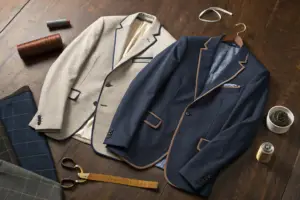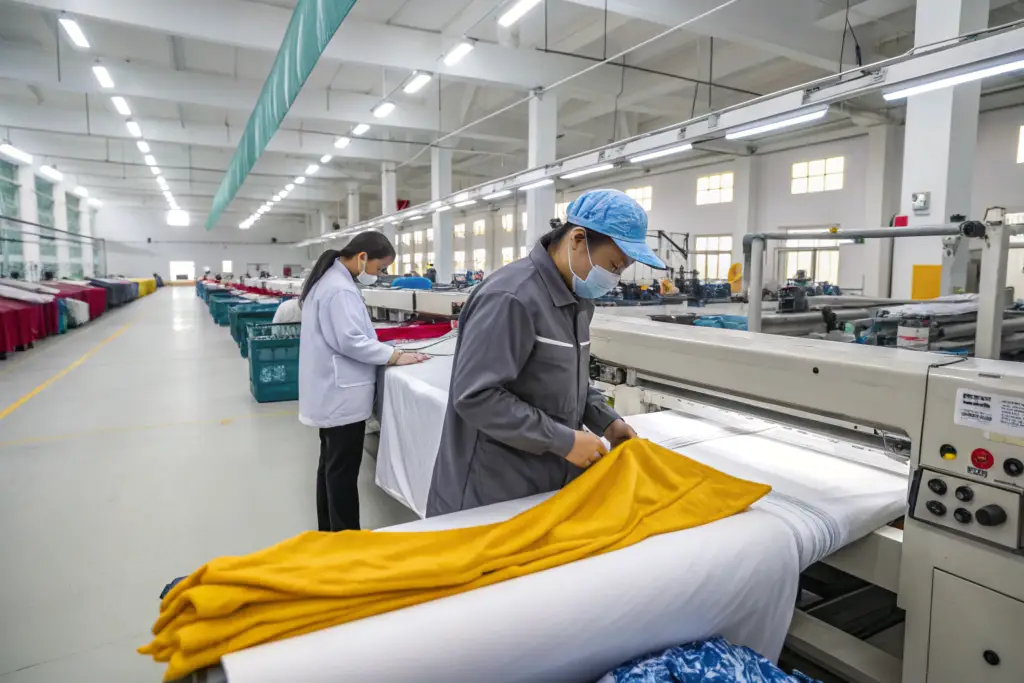
I learned this lesson the hard way. Twenty years ago, early in my career, I shipped a large order of black t-shirts to a client in New York. They looked perfect in our factory light. When they arrived in New York, the client opened the cartons and found something terrible. The t-shirts didn't match. Some were deep black. Some were slightly faded black. Some had a greenish tint in certain light. The client rejected the entire shipment. I lost $40,000 and almost lost the client forever. That disaster taught me that fabric dyeing consistency is not automatic. It requires systems, discipline, and expertise.
Top apparel factories ensure consistent fabric dyeing through strict raw material selection, standardized dye recipes, precise machine control, rigorous testing at multiple stages, and careful light evaluation. They treat dyeing as a science, not an art, and they verify results before cutting a single piece.
At Shanghai Fumao, we've built our entire quality system around preventing the kind of disaster I experienced. We've invested in equipment, training, and processes that ensure every yard of fabric matches the standard. Let me walk you through exactly how we do it.
What causes color variation in dyed fabrics?
Color variation doesn't just happen. It has specific causes. Understanding these causes is the first step to preventing them. Every factory faces the same challenges. The best ones have systems to overcome them.
A client from Boston once asked me why his fabrics sometimes varied between orders. I explained that even the same dye formula can produce different results if the fabric base changes, if the water temperature varies, or if the dye batch is different. He had never thought about these factors. Now he asks about our controls before placing orders.
How does fabric preparation affect dye uptake?
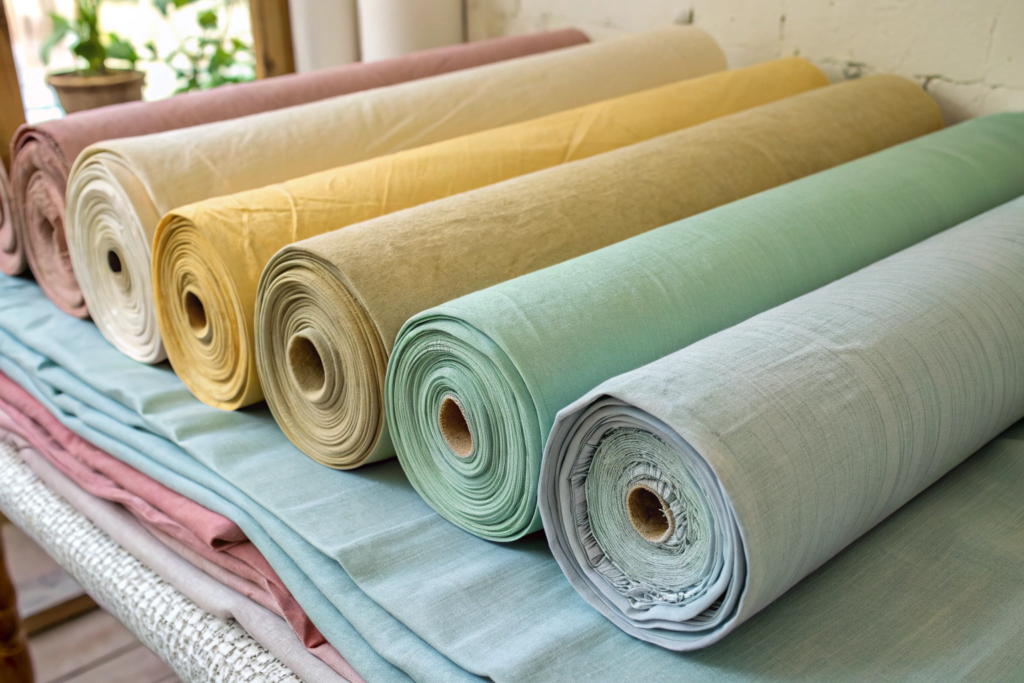
Fabric isn't a blank canvas. It has to be prepared to accept dye evenly. If the fabric has residual oils from spinning or knitting, those spots will resist dye. If the fabric has been stretched unevenly during processing, the dye will absorb differently in stretched areas. If the fabric has been stored in varying humidity, the moisture content will affect dye absorption. At Fumao, we pre-treat every fabric before dyeing. We scour it to remove oils. We heat-set it to stabilize dimensions. We condition it to consistent moisture. According to the Textile Institute's dyeing handbook, proper fabric preparation accounts for 50% of dyeing success. Skipping these steps guarantees variation.
Why do different dye lots create matching challenges?
Dye is a chemical product. Like all chemicals, it varies slightly between batches. The same formula from the same manufacturer can have minor differences in concentration or purity. These differences affect the final color. Top factories manage this by buying large quantities of dye from single batches when possible. They also blend dyes from multiple batches to average out variations. A client from Chicago once asked why we couldn't match a color from two years ago. We explained that the original dye batch was long gone. The new dye, even from the same formula, would be slightly different. According to AATCC's monograph on dye variability, dye lots can vary by 5-10% in strength even within specifications. Managing this requires skill and experience.
What quality control steps happen before dyeing?
Prevention is better than correction. Top factories don't wait until after dyeing to check color. They verify everything that will affect color before the fabric ever touches dye.
A client from Miami was surprised to learn that we test every roll of greige fabric before dyeing. He thought we just dyed whatever arrived. We explained that if the fabric itself is inconsistent, the dyeing will be inconsistent no matter what we do. Testing first lets us reject bad fabric before wasting dye and time.
How do factories test fabric for dye compatibility?
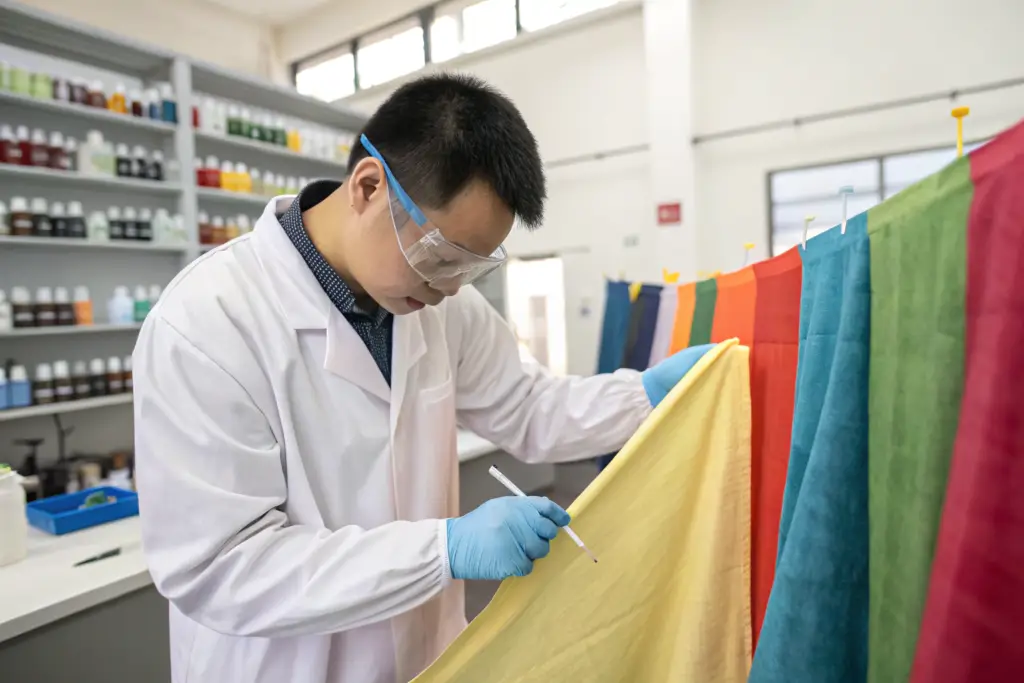
We run what's called a dye strike test. We take a small sample of the actual fabric and dye it with the planned formula. This tells us how the fabric will respond. Will it take the color evenly? Will it achieve the desired depth? Will it have any unexpected reactions? We also test for pH, moisture content, and absorbency. If any of these are off, we adjust the fabric before dyeing. According to ASTM D629, standard test methods for textile testing, these pre-dyeing tests predict 80% of potential dyeing problems. A client from Denver once saved an entire order because our pre-test showed his fabric wouldn't dye evenly. We treated it differently and got perfect results.
What role does water quality play in dye consistency?
Water is the medium for dyeing. If your water quality changes, your colors change. Minerals in hard water can react with dyes. Chlorine can bleach some colors. pH variations affect dye uptake. Top factories treat their water to consistent standards. At Fumao, we use reverse osmosis water for all dyeing. We remove minerals, chlorine, and other variables. We test water quality daily. A client from Seattle once asked why his colors were so consistent with us. We showed him our water treatment system. He had never considered that water mattered. According to Water Research Foundation's textile industry study, water quality variation causes up to 30% of color matching problems in dyehouses. Consistent water means consistent color.
How do factories control the dyeing process itself?
The dyeing machine is where science meets execution. The best factories don't just set it and forget it. They monitor, adjust, and verify throughout the process.
A client from Atlanta once visited our dye house. He watched our operator enter a recipe, start the machine, and then walk away. He asked if that was it. I explained that the machine monitors itself. Temperature, pressure, flow rate, and time are all controlled automatically. The operator's job is to verify, not to guess.
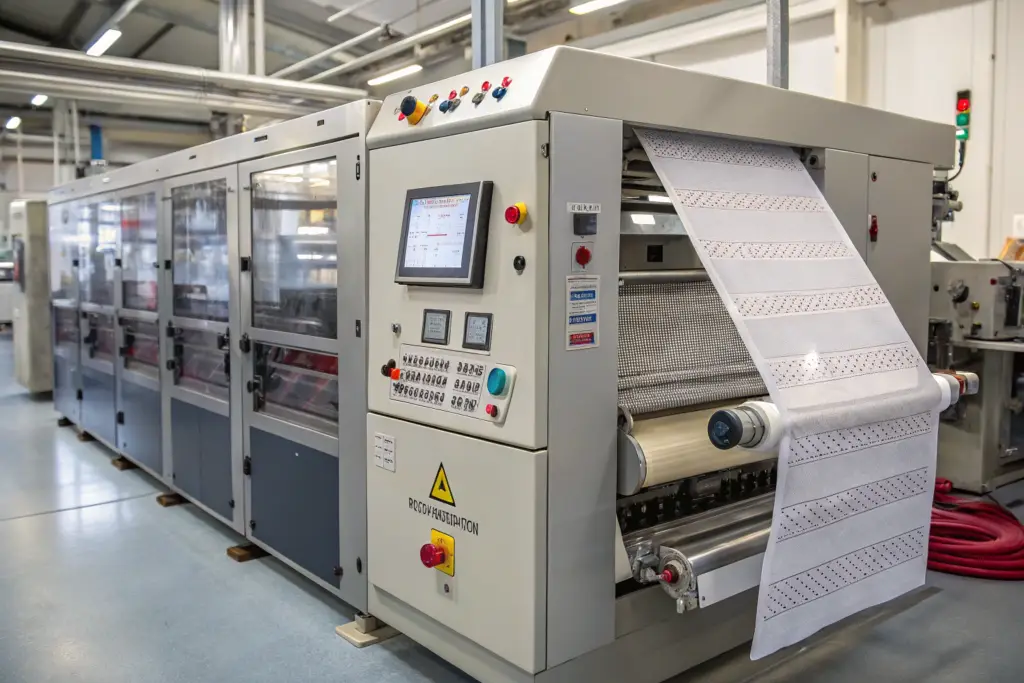
What machine parameters must be precisely controlled?
Temperature is critical. Too hot and the dye exhausts too quickly, causing unevenness. Too cold and the dye won't fix properly. Time matters. Too long and the color darkens beyond target. Too short and it's too light. Flow rate matters. The dye liquor must circulate evenly through the fabric. Pressure matters in some machines. At Fumao, our machines are computer-controlled to within 0.5°C and 1 minute. We record every parameter for every batch. If a client ever questions a color, we can show them exactly how it was dyed. According to Textile World's guide to dyeing machinery, modern computerized controls reduce dyeing variation by 90% compared to manual operation. Automation is essential for consistency.
How do factories manage multiple batches of the same color?
When you order 10,000 meters of fabric, we can't dye it all at once. We dye it in batches. The challenge is making every batch match. Top factories use a system called recipe management. The first batch becomes the standard. For subsequent batches, we adjust the dye formula slightly based on the previous results. Maybe we add 2% more of one dye to compensate for a slight variation. We also dye all batches for a single order as close together in time as possible. A client from Portland once ordered fabric over six months. The first batch and last batch were slightly different because the dye stocks had changed. Now he orders all his fabric at once to ensure matching. According to AATCC's batch-to-batch color control guidelines, dyeing all batches within a two-week window reduces variation by 70% compared to extended production. Timing matters.
How do factories evaluate color accuracy?
Dyeing is complete. Now comes the moment of truth. Is the color right? How do you know? Top factories don't guess. They measure.
A client from San Francisco once rejected a fabric because it "looked wrong" in his showroom. We flew to meet him with our spectrophotometer. We measured his approved sample. We measured the rejected fabric. The numbers were identical. The difference was his lighting. We proved the color matched. He accepted the shipment.
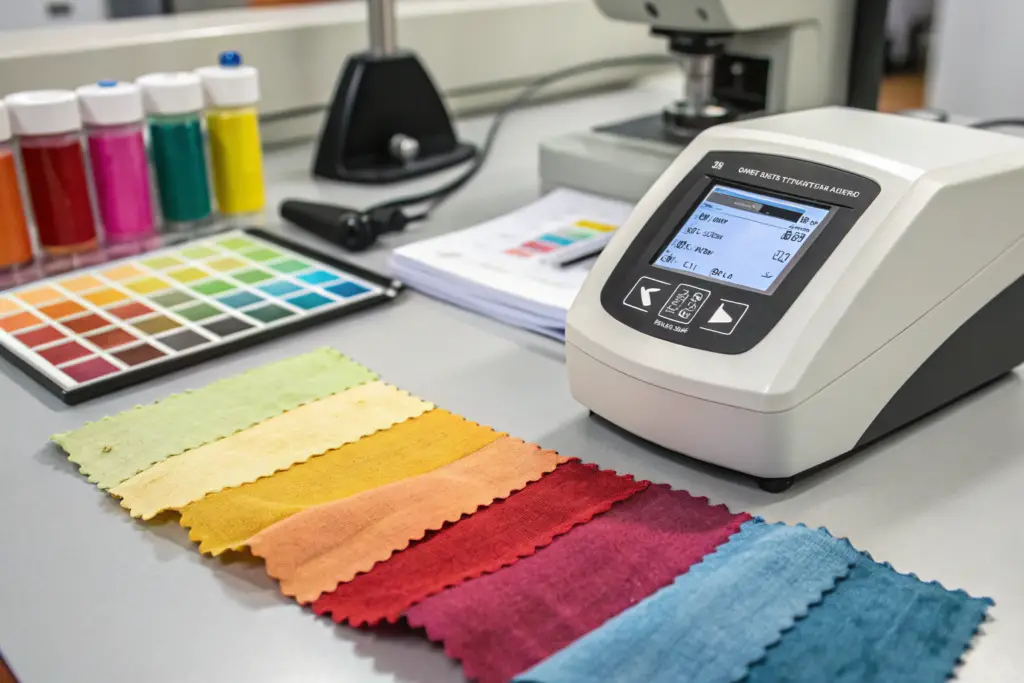
What is a spectrophotometer and how is it used?
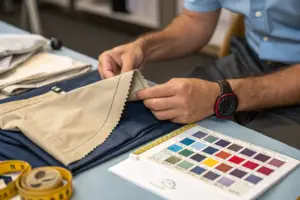
A spectrophotometer is a machine that measures color objectively. It doesn't rely on human eyes, which are easily fooled by lighting, fatigue, or expectation. It measures the actual light reflected from the fabric at different wavelengths. It gives numbers. L for lightness, a for red-green, b for yellow-blue. If the numbers match the standard, the color matches. At Fumao, we use spectrophotometers for every batch. We don't trust our eyes alone. We measure. According to HunterLab's guide to color measurement, spectrophotometers detect color differences 10 times smaller than the human eye can see. They catch problems before humans notice them.
How do lighting conditions affect color perception?
This is the trap that catches everyone. A fabric that looks perfect under factory fluorescent lights can look completely different in your showroom's halogen lights. It can look different in morning sun versus afternoon shade. This is called metamerism. The solution is to evaluate color under multiple light sources. At Fumao, we have a light booth with five different light sources: daylight, fluorescent, incandescent, store lighting, and UV. We check every batch under all of them. If it matches under all lights, it's a true match. A client from Chicago once approved a sample under our daylight lamp but rejected the bulk under his showroom lights. We compared them in the light booth. They matched under daylight but not under store lighting. The dye formula was metameric. We reformulated. According to X-Rite's metamerism guide, 60% of color disputes come from lighting differences, not actual color differences. Evaluate under all lights before approving.
How do factories ensure color consistency during production?
The fabric is dyed and approved. But the process isn't over. Now we have to cut and sew it without creating new color problems. Even perfectly dyed fabric can cause issues if not handled correctly.
A client from Boston once had a problem we didn't catch. His fabric was perfectly dyed, but during cutting, we mixed rolls from different dye batches. The finished garments had slight color differences between pieces. He noticed when he held two finished shirts together. We now number and track every roll through production.
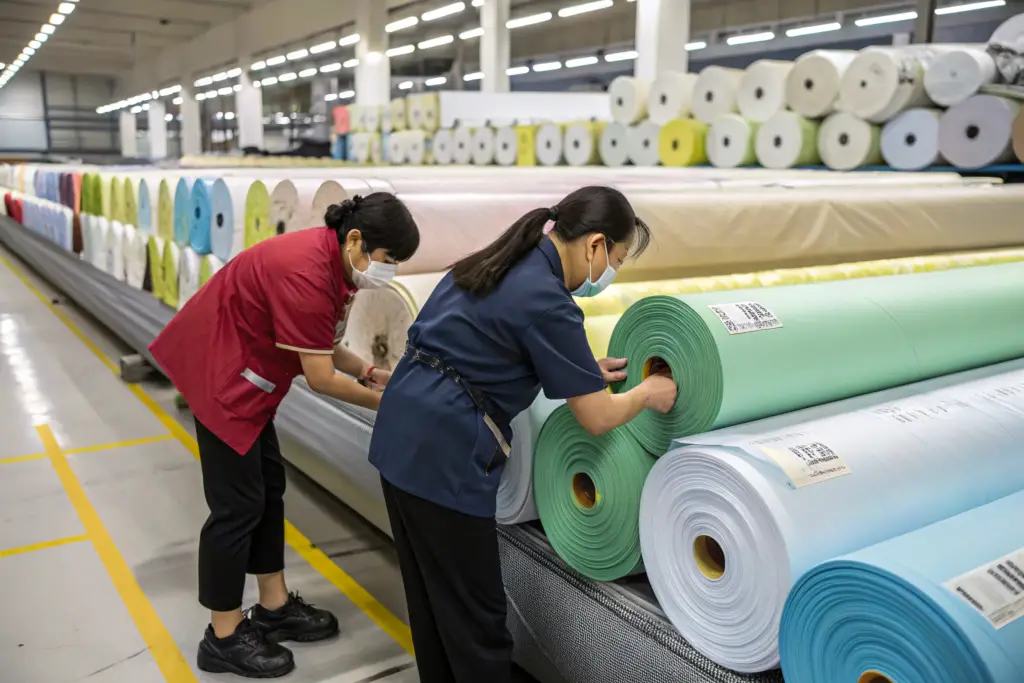
Why is roll numbering critical for color consistency?
Every roll of fabric, even from the same dye batch, can have slight variations from the center to the edge or from the beginning to the end. Top factories number every roll and track where each piece of fabric goes. When cutting, we keep pieces from the same roll together in the same garment. We don't mix the beginning of one roll with the end of another in a single garment. A client from Miami once ordered jackets that required two yards each. We used two different rolls for some jackets. The front was from roll 5, the back from roll 6. Under certain light, you could see a difference. Now we cut all pieces for each garment from the same roll. According to Textile World's cutting room best practices, roll tracking reduces garment-level color variation by 90%. It's extra work but essential for quality.
How do factories handle shading within the same roll?
Even within a single roll, fabric can shade from the beginning to the end. This is called listing or tailing. Top factories mark these variations. They cut in a way that keeps consistent areas together. They might cut all the fronts from the beginning of the roll and all the backs from the end, then pair them carefully. At Fumao, we inspect every roll before cutting. We mark any shading. We plan our cutting to minimize its impact. A client from Denver once ordered 5,000 pieces from a fabric with known shading. We cut in sequence and numbered the finished garments so they could be sold in sets that matched. His customers never saw a problem.
What documentation should I receive for dyed fabrics?
You shouldn't have to trust us blindly. You should have evidence that the dyeing was done right. Top factories provide documentation that proves color consistency.
A client from Seattle requires a color report with every shipment. He doesn't just want to know we checked. He wants to see the numbers. We send him spectrophotometer readings for every batch. He compares them to his approved standard. He sleeps better knowing the numbers match.
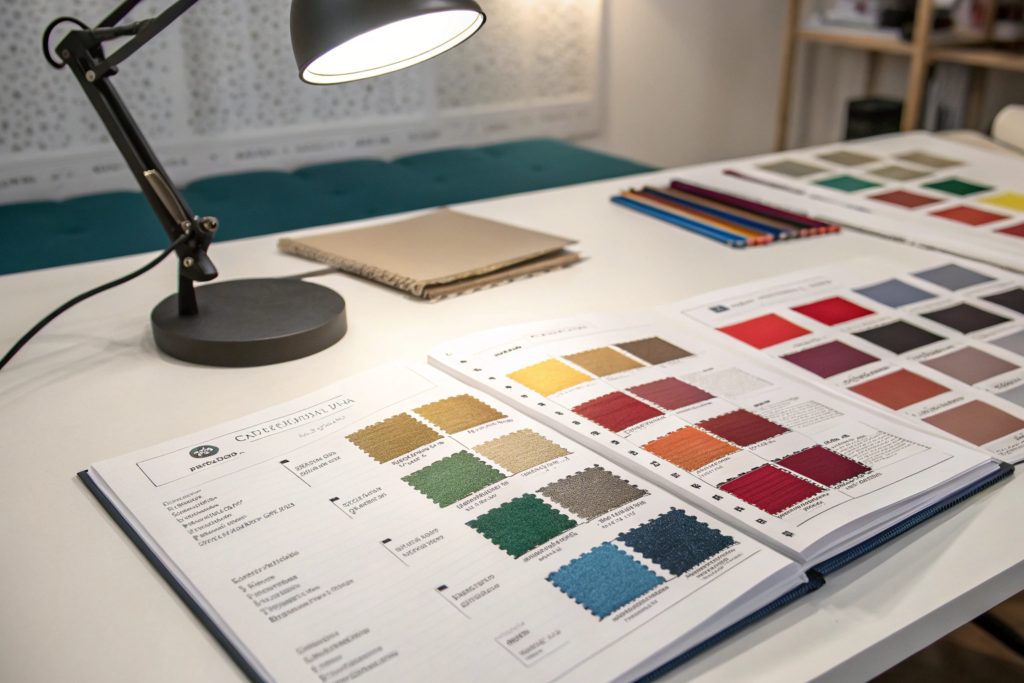
What is a color fastness test and why does it matter?
Color fastness measures how well the dye stays in the fabric. Will it wash out? Will it fade in sunlight? Will it rub off on other clothes? Top factories test every fabric for these properties. We wash samples. We expose them to light. We rub them with white fabric. We measure the results. If a fabric fails, we reject it before it ever reaches you. A client from Portland once had a disaster with another factory. The fabric looked great but bled color in the first wash. His customers returned everything. Now he insists on wash fastness reports from us. According to AATCC's fastness test methods, proper testing prevents 99% of in-use color problems. It's not optional for serious brands.
How do I interpret a spectrophotometer report?
A spectrophotometer report shows the color difference between your standard and the production batch. It gives a delta E value. Delta E of 0 means perfect match. Delta E of 0.5 means a difference barely visible to an expert. Delta E of 1.0 means a difference visible to most people. Delta E of 2.0 means a clear mismatch. At Fumao, we aim for delta E under 0.8 for all production. We reject anything over 1.0. A client from Dallas once saw a report with delta E of 0.6 and asked if it was acceptable. We explained it's excellent. Most brands can't see that difference. According to X-Rite's delta E guide, a delta E under 1.0 is considered commercially acceptable for most apparel. Under 0.5 is premium quality. Ask for the numbers. They don't lie.
Conclusion
Consistent fabric dyeing is one of the hardest challenges in apparel manufacturing. It requires control at every step: fabric preparation, water quality, dye selection, machine parameters, color measurement, and production handling. Top factories don't leave any of this to chance. They have systems, they have measurements, and they have documentation.
At Shanghai Fumao, we learned these lessons through painful experience. We invested in water treatment, computerized dye machines, spectrophotometers, and light booths. We trained our team in color science. We built a quality system that catches problems before they reach you. We've been dyeing fabric for American brands for over two decades. We know how to make colors match.
If consistent color matters to your brand, let's talk. Contact our Business Director, Elaine, directly at elaine@fumaoclothing.com. Tell her about your color requirements. She'll explain our dyeing process, our testing protocols, and our quality guarantees. Your colors will match, every time.