You finally did it. You found a great supplier. The samples are perfect. The quality is approved. The production is finished. Now comes the part that keeps most brand owners awake at night. How do you get 10,000 shirts from a factory in China to your warehouse in Ohio? The freight forwarder sends confusing quotes. Customs forms look like they are written in another language. You worry about hidden fees, delays, and damaged goods. You start to understand why some buyers stick with domestic suppliers, even at higher costs.
Managing logistics when importing clothes from China is about building a reliable system, not crossing your fingers. You need to understand your shipping options, partner with a trustworthy freight forwarder, master the paperwork, and plan for the unexpected. At Shanghai Fumao, we do not just make your clothes. We help you navigate every step of the journey from our loading dock to your door. Our DDP service handles everything so you can focus on selling.
I have been shipping garments to the United States for over 15 years. I have seen containers lost at sea. I have seen customs hold shipments for weeks over a missing comma on a form. I have seen brands pay thousands in unnecessary storage fees. I have learned the hard way what works and what fails. In this article, I will share that knowledge with you. Consider this your practical guide to getting your goods from China to America safely, on time, and on budget.
What Are Your Ocean Freight Options and How Do You Choose?
The first decision is how your goods will travel. You have two main choices: ocean or air. Each has its own pros and cons. Your choice depends on your timeline, your budget, and the nature of your products. There is no single right answer. But there is a wrong answer for your specific situation.
When Does Ocean Freight Make the Most Sense for Your Order?
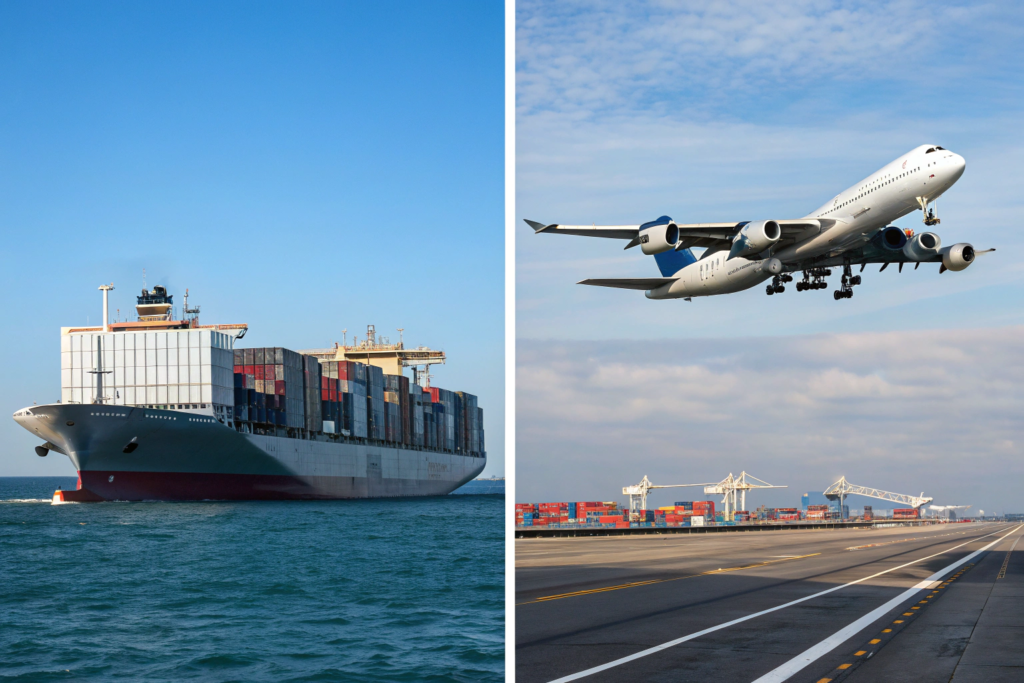
Ocean freight is the workhorse of the apparel industry. About 90% of the garments we ship go by sea. It is slow but cost-effective. A standard shipping container takes about 15 to 25 days from a Chinese port to the US West Coast. To the East Coast, add another 7 to 10 days for the train or Panama Canal transit. You have two container options. A 20-foot container holds about 2,000 to 3,000 pieces of folded garments, depending on thickness. A 40-foot container holds about 4,000 to 6,000 pieces. The cost difference between the two is not huge, so most brands size up when they can. The key with ocean freight is planning. You must order early enough to account for this transit time. A client from Seattle once told me he always adds two weeks to whatever the forwarder quotes. He has been burned by port congestion before. He is smart to be cautious. This [ocean freight guide](https://www.flexport.com/education/ ocean-freight/) can help you understand the basics.
When Should You Consider Air Freight for Faster Delivery?
Air freight is for when speed matters more than cost. It costs 5 to 10 times more than ocean freight. But it gets your goods there in 3 to 7 days. We use air freight for three main situations. First, for samples. Getting samples quickly lets you approve production faster. Second, for urgent reorders. If a best-selling style sells out, air freight can save the season. Third, for high-value, low-volume items. Rare-style luxury pieces with high margins can justify the cost. I remember a client from Boston who had a major publicity event coming up. His order was delayed by fabric issues. We air-shipped 500 pieces of his key style. They arrived in 4 days. He made sales to celebrities at the event. The profit from those sales paid for the air freight many times over. He told me it was the best money he ever spent. Understanding air freight vs ocean freight is essential for making smart decisions.
How Do You Choose and Work With a Freight Forwarder?
A freight forwarder is your logistics partner. They are not the shipping line. They are the experts who book the space, handle the paperwork, and manage the journey. Choosing the right forwarder is as important as choosing the right factory. A bad forwarder can ruin a perfect order.

What Questions Should You Ask a Potential Freight Forwarder?
Do not just pick the cheapest quote. Ask questions. How many years have they been in business? Do they have offices in both China and the US? What is their process for handling customs clearance? Can they provide references from other apparel importers? A good forwarder will answer these questions clearly. They will not hide fees. They will give you a detailed breakdown of costs: ocean freight, terminal handling charges, documentation fees, customs brokerage, and trucking to your door. A client from Texas once chose a forwarder based on a low quote. Halfway through the journey, new fees appeared. Storage fees. Chassis fees. Late fees. His final cost was 40% higher than the quote. He learned to ask for a full breakdown of shipping costs upfront. Now he works with forwarders who are transparent from the start.
How Do We at Shanghai Fumao Coordinate With Your Forwarder?
We work with any forwarder you choose. But we also have long-term relationships with several excellent forwarders. We know they are reliable. We know their systems. When your order is ready, we contact the forwarder. They book the container. They send a truck to our factory. We load the container under their supervision. We take photos of the loaded container and the seals. We send you the photos. You know exactly when your goods left our door. For our DDP service clients, we handle the entire forwarder relationship. You do not need to find one. We manage everything. We book the space. We handle the documents. We pay the freight. We clear US customs. Your goods arrive at your warehouse and you pay one simple invoice. A client from Florida told me this saved him at least 10 hours of work per order. He said, "I just sell clothes now. You handle the rest." That is the goal.
What Paperwork Is Required for US Customs Clearance?
Paperwork is the part most buyers dread. But it is not magic. It is a checklist. If you have the right documents, filled out correctly, customs clearance is routine. If you make mistakes, your shipment gets pulled for inspection. Delays cost money. Here is what you need to know.
What Are the Essential Documents for Every Shipment?
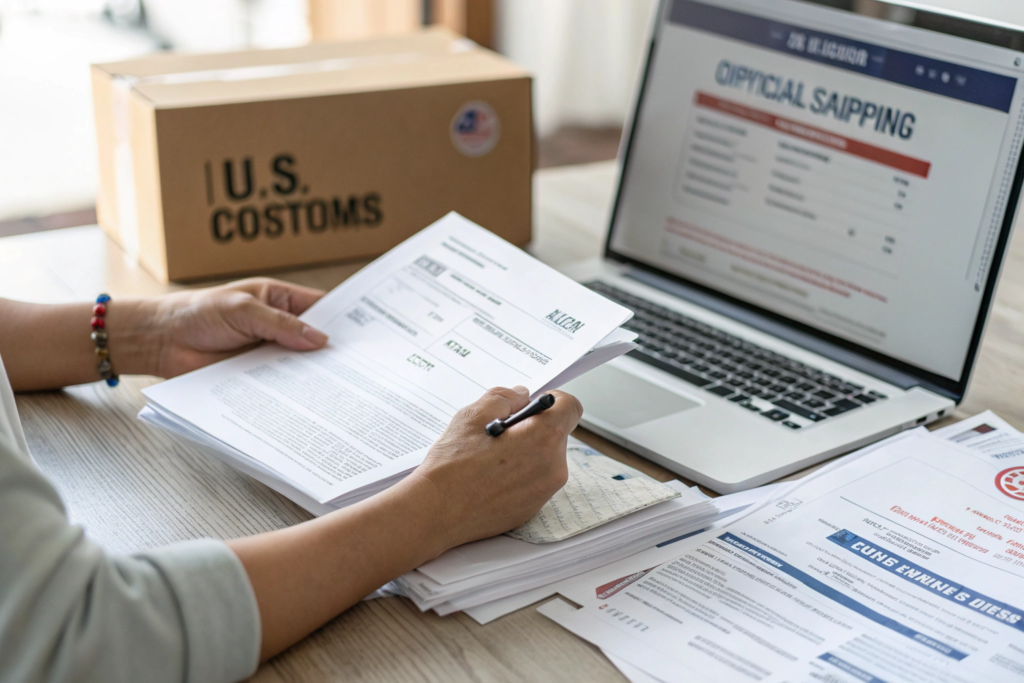
Every shipment needs three core documents. First, the Commercial Invoice. This lists what is in the box, the value, and the buyer and seller. It must be accurate. Declaring a lower value to save duty is illegal. Customs knows the real values. If you lie, they can seize your goods and fine you. Second, the Packing List. This shows how many cartons, what is in each carton, and the weights. Third, the Bill of Lading. This is the contract with the shipping line and the receipt for your goods. For apparel, you may also need a [Fiber Content Declaration](https://www.ftc.gov/tips-advice/business-center/guidance/fiber-content- labeling-ftc-act) showing the exact materials. For children's wear, you may need CPSIA tracking labels and test reports. A client from Chicago once had a shipment delayed for two weeks because his commercial invoice did not match the packing list. One said 500 cartons. The other said 550. Customs suspected fraud. They inspected every box. He paid thousands in storage fees. Now he triple-checks every document before we send it.
How Do You Calculate and Pay Duties and Taxes?
Duty rates for clothing vary. They depend on the fiber content and the construction. A cotton t-shirt might have a different rate than a wool sweater. The Harmonized Tariff Schedule (HTS) is the official guide. You or your forwarder must find the correct code for each product. Getting the code wrong can mean overpaying or underpaying duty. Underpaying gets you in trouble. Overpaying wastes money. Duties are paid to US Customs before the goods are released. If you use a forwarder, they will bill you for the duty amount plus a small fee. If you use our DDP service, we include the duty in our total price. You do not need to worry about it. A client from Oregon told me he used to spend hours researching HTS codes. Now, with our DDP service, he does not even think about it. He just receives the goods. This US Customs guide for importers is a helpful resource.
How Do You Handle Warehousing and Final Delivery?
The ship has arrived. Customs has cleared your goods. Now they need to get to your customers. The final leg of the journey is just as important as the first. You need a plan for receiving and storing your inventory.
Should You Use Your Own Warehouse or a 3PL Provider?
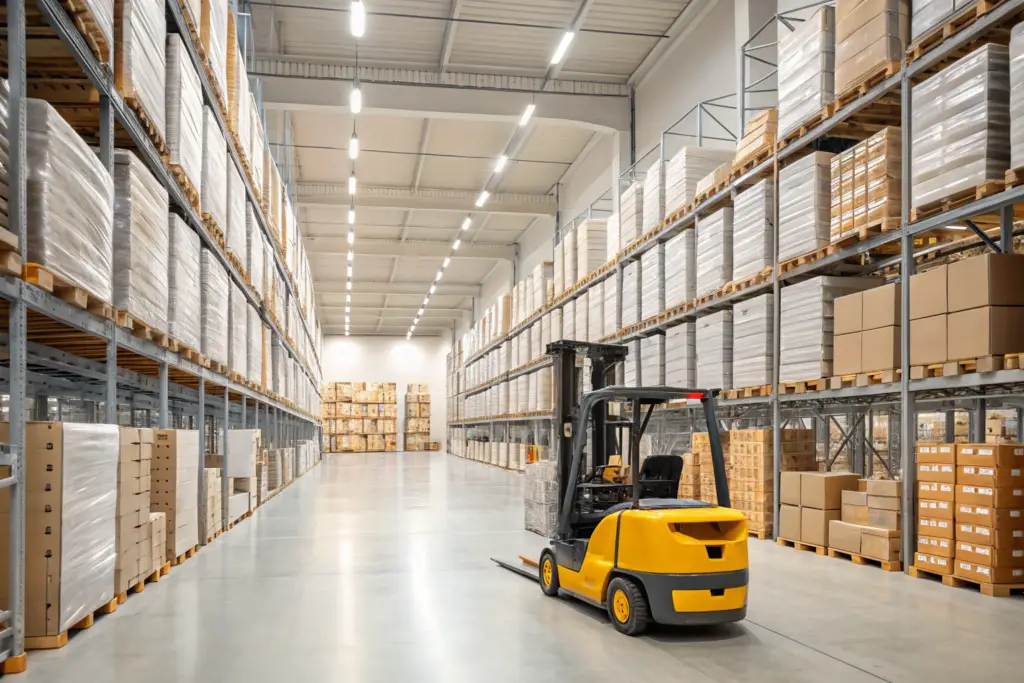
This depends on your size. Small brands often start by shipping goods to their garage or basement. That works for a while. But as you grow, you need a better system. A third-party logistics (3PL) provider receives your containers, stores your inventory, and ships orders to your customers. They handle the picking, packing, and shipping. This frees you up to focus on design and marketing. Many of our clients use 3PLs near major ports like Los Angeles or New Jersey. This reduces trucking costs from the port. When we ship their order, we can send it directly to the 3PL. They receive it and add it to their system. A client from New York uses a 3PL in New Jersey. His goods arrive at the port, truck to the 3PL in one day, and are available for sale immediately. This guide to 3PL services can help you decide if it is right for you.
How Do We Ensure Your Goods Arrive Undamaged?
Damage during shipping is rare but possible. We take steps to prevent it. First, we use high-quality cartons. Cheap cartons crush under weight. Second, we pack tightly. Garments should not shift inside the box. Third, we use pallets for container loading. Cartons stacked directly on the floor can get wet from condensation or cleaning. Pallets keep them dry. We also take photos of the loaded container. We show you how the cartons are stacked. If your forwarder offers insurance, consider buying it. It is usually cheap compared to the value of your goods. A few years ago, a client from California had a container that got knocked over during a storm at sea. Some cartons were damaged by seawater. His insurance covered the full cost. He was relieved he had spent the small extra fee. This cargo insurance guide explains your options.
Conclusion
Managing logistics when importing from China is a skill you can learn. It is not magic. It is about making smart choices: choosing the right shipping method, partnering with a reliable forwarder, mastering your paperwork, and planning your final delivery. Each step builds on the one before. When you have a system, the stress goes away.
At Shanghai Fumao, we have helped hundreds of US brands navigate this process. We offer flexible options to match your comfort level. If you want to manage everything yourself, we will coordinate with your forwarder. If you want us to handle it all, our DDP service takes the logistics completely off your plate. You get one price, one invoice, and one delivery to your door.
Do not let logistics fears stop you from growing your brand. The process is manageable, especially with the right partner.
Contact our Business Director, Elaine, today. Let her explain how we can simplify your importing.
Email: elaine@fumaoclothing.com