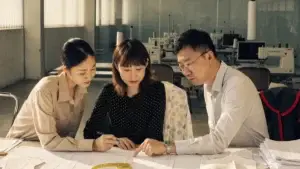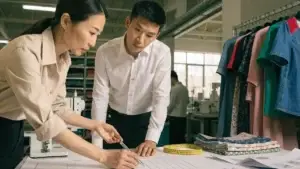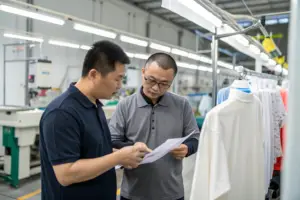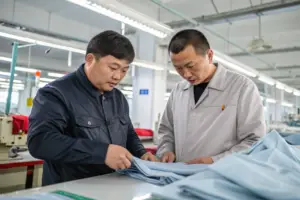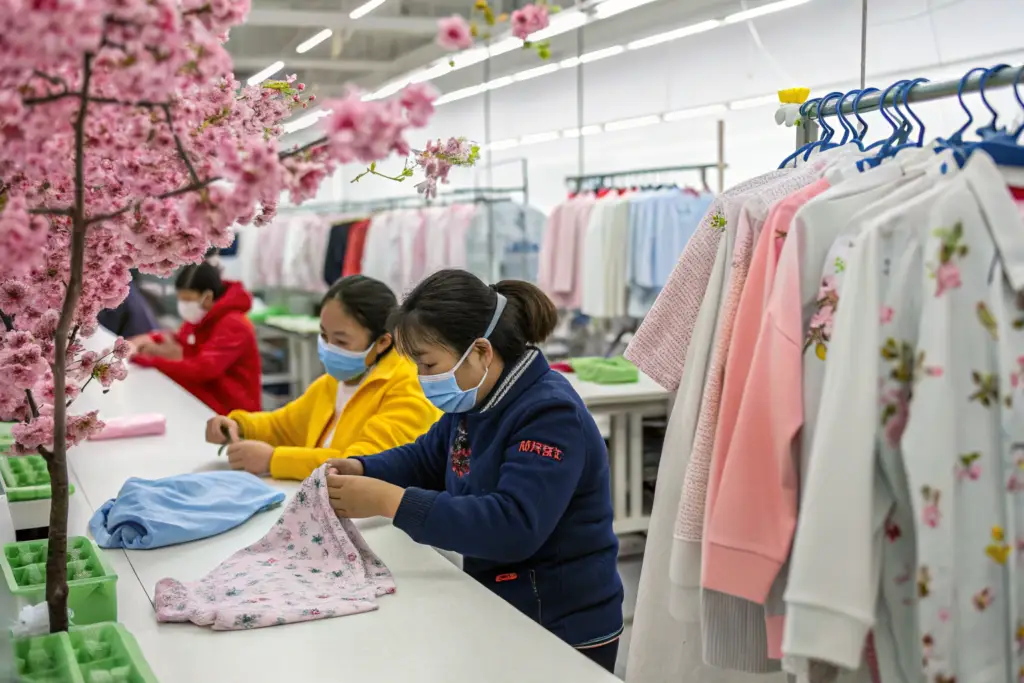
Twenty years ago, a young mother came to me with a problem. She had designed a beautiful dress for her daughter, but every factory she contacted turned her away. They said kids' wear was too complicated, too many sizes, too much regulation. I saw her disappointment and decided to help. That small project grew into one of our most important partnerships. She taught me that kids' wear is not just small adult clothes. It is a completely different world with its own rules.
To create a successful kids' wear collection from scratch, you must prioritize safety, durability, and comfort above all else. You then build your designs around these pillars. The process involves researching strict safety regulations, choosing robust and skin-friendly fabrics, designing for growth and movement, and creating a size range that fits real children. A successful collection wins the trust of parents who are buying for the most important people in their lives.
That first client, now a major kids' brand owner, still tells the story of our early days. She remembers how we spent hours testing fabric for softness and seams for strength. We washed samples dozens of times to make sure they would survive a real child's life. That attention to detail built a brand that parents have trusted for two decades. When you make clothes for kids, you are not just selling a product. You are selling peace of mind.
What Safety Standards Must You Know For Kids' Wear?
The first thing I tell every new kids' wear client is this: forget fashion for a moment. Think about safety first. In the United States and Europe, the rules for children's clothing are strict for a reason. They protect kids from choking, burning, and getting tangled. I have seen brands fail because they ignored these rules or thought they did not apply to them. The cost of non-compliance is not just a fine. It is a child's safety and your brand's reputation.
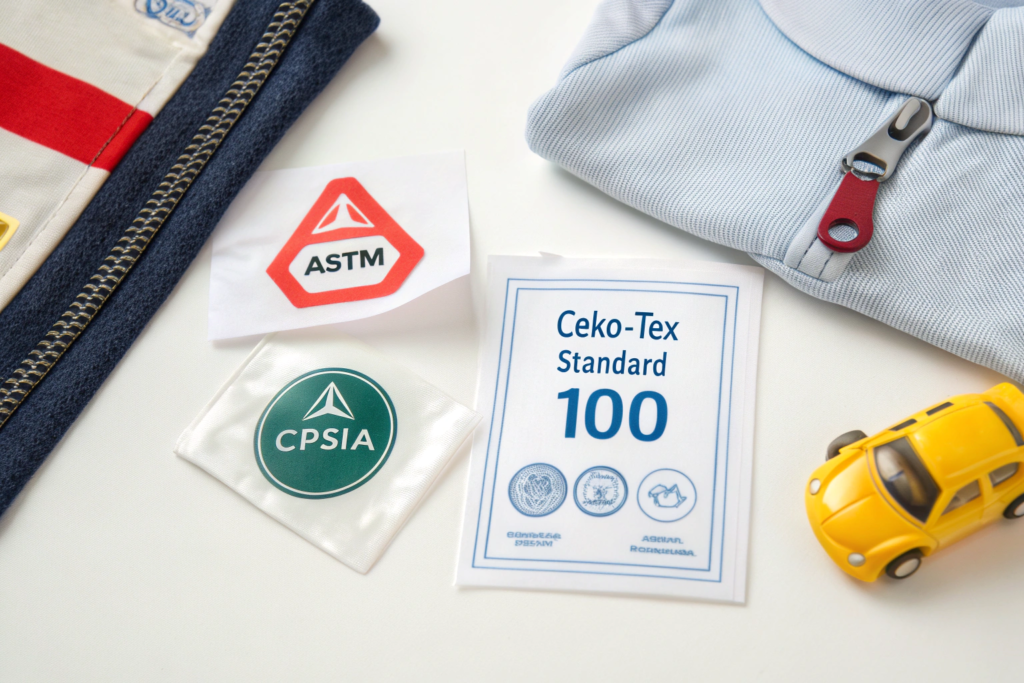
For kids' wear, you must comply with standards like ASTM F1816 in the US for drawstrings, CPSIA for lead and phthalates in materials and trims, and strict flammability standards for all children's sleepwear. You need to know the rules for every market you sell in. This means using only approved buttons and zippers, ensuring drawstrings are the correct length or absent entirely, and testing every fabric for harmful substances with certifications like OEKO-TEX.
At Shanghai Fumao, we keep a library of approved trims specifically for kids' wear. We know which buttons are safe, which zippers pass the tests, and which elastics maintain their stretch without being too tight. Let's break down the most critical areas you must get right.
What are the rules about drawstrings and cords?
Drawstrings on kids' clothing are a major hazard. They can catch on playground equipment, bus doors, or cribs and cause serious injury or death. In the United States, ASTM F1816 is very clear. For children sizes 2T to 12, there can be no drawstrings in the hood or neck area at all. For the waist and bottom, drawstrings must be bar-tacked so they cannot pull out, and the ends must be no longer than three inches when the garment is fully expanded.
I had a client from Texas who designed a cute hoodie for boys with a thick cotton drawstring at the hood. He loved the look. We had to explain that this design was illegal for the US market. He was disappointed, but we worked together to redesign the hood with a ribbed knit band instead. The final product was still stylish, but more importantly, it was safe. You must design with these rules in your mind from the very first sketch.
Babies explore the world with their mouths. If a button or snap comes off a garment, a baby can choke on it. This is why we use special safety requirements for fasteners on kids' clothes. Buttons must be able to withstand a certain amount of pull force without detaching. For snaps, we often use a pronged snap that crimps through the fabric and is very difficult to remove.
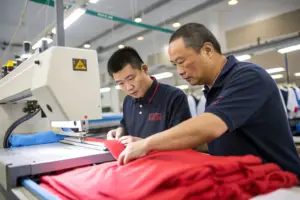
We also test everything. In our factory, we have a tension gauge. We clamp it onto a button and pull. We record the force required to remove it. If it comes off too easily, we reject the entire batch of buttons and find a new supplier. A few years ago, a client sent us beautiful antique-style metal buttons for a toddler's cardigan. They looked perfect, but they failed our pull test. We had to find a replica that looked similar but was made to safety standards. The client was grateful we caught it before production.
How Do You Choose The Right Fabrics For Children?
Once you have safety covered, the next priority is fabric. Children's skin is sensitive. They get hot and cold quickly. They move constantly. The fabric you choose determines if the child will be comfortable and if the parent will be happy. I always say that a kids' garment made from the wrong fabric will only be worn once. A garment made from the right fabric will be worn until it is outgrown.
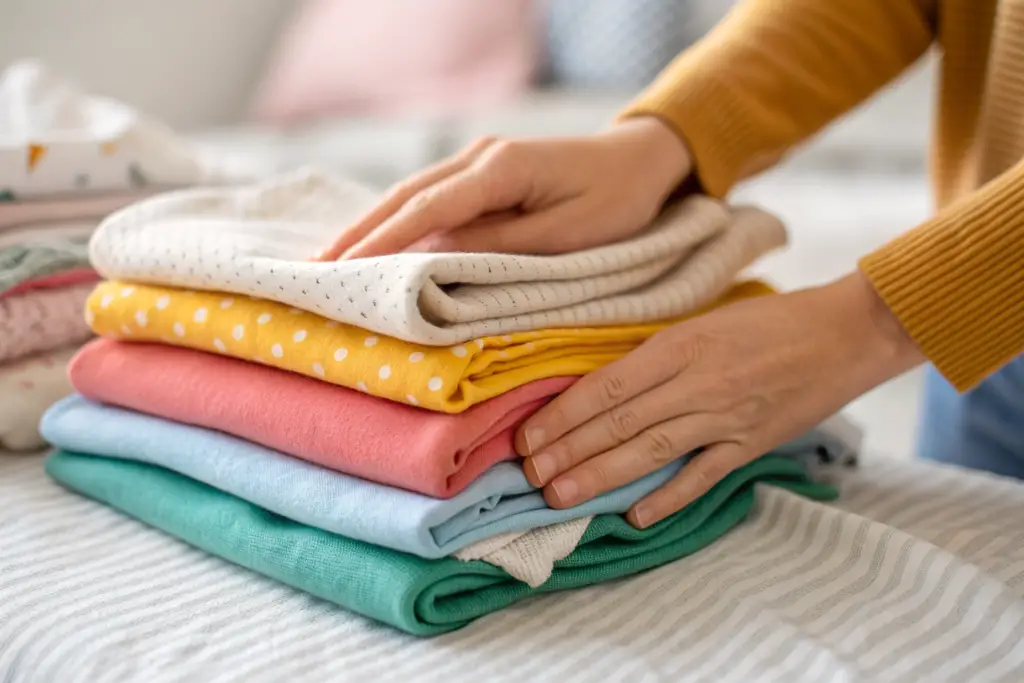
The best fabrics for kids' wear are soft, breathable, durable, and easy to care for. Organic cotton is a top choice because it is grown without harsh chemicals and is very gentle on sensitive skin. For active kids, blends with a small amount of elastane or polyester add stretch and durability. For sleepwear, strict flammability standards mean you must use either snug-fitting designs or specially treated fabrics.
Let's look at how you can make smart fabric choices that parents will love and kids will enjoy wearing.
Why is organic cotton so popular for kids' clothing?
Parents are increasingly worried about what touches their child's skin. Conventional cotton farming uses pesticides and fertilizers. These chemicals can leave residues in the fabric. Organic cotton is grown without these synthetic inputs. It is cleaner and purer. For a baby with eczema or sensitive skin, this can make a huge difference.
Beyond the health aspect, organic cotton is often softer. The fibers are not damaged by harsh chemicals during processing. It feels nicer against the skin. A client who makes premium baby onesies switched all her production to GOTS-certified organic cotton a few years ago. Her sales increased, and her return rate dropped. Parents would write reviews saying how soft the onesies were. The small extra cost for organic cotton was easily recovered by the premium price and customer loyalty it generated.
What fabric properties matter most for active kids?
Kids run, jump, climb, and play. Their clothes need to keep up. For everyday wear, you want fabrics that are durable. A high thread count and a tight weave help prevent rips and tears. For items like leggings and joggers, you need stretch. A small percentage of elastane, usually 3% to 5%, allows the fabric to move with the child and then snap back into shape.
Breathability is also key. Kids get hot when they play. If the fabric does not breathe, they get sweaty and uncomfortable. Natural fibers like cotton and bamboo are naturally breathable. For activewear, look for performance knits that wick moisture away from the skin. I worked with a client on a line of kids' soccer jerseys. We used a polyester-spandex blend with moisture-wicking properties. The kids stayed cooler and drier during games, and the parents loved that the jerseys were easy to wash and quick to dry.
How Do You Design For Growth And Practicality?
Parents think about things designers often forget. They think about how long the clothes will fit. They think about how easy they are to put on a wiggly toddler. They think about diaper changes. They think about stains. Your designs need to solve these real-world problems. When you do, parents will choose your brand over and over again.
Successful kids' wear designs incorporate features like adjustable waistbands for growing tummies, reinforced knees for crawling toddlers, and easy-access snaps for diaper changes. They use colors and patterns that hide minor stains. They prioritize ease of dressing with wider neck openings and stretchy cuffs. These practical features show parents that you understand their daily life.
I learned this from a client in Colorado, a mother of three who started a kids' outdoor wear brand. She showed me sketches of pants with reinforced knees and seats. She explained that her kids always wore through the knees first. We added an extra layer of durable fabric to those areas. The pants lasted twice as long. Parents were willing to pay more because they knew they would not have to buy new pants every month. That is the power of practical design.
What features make dressing easier for parents and kids?
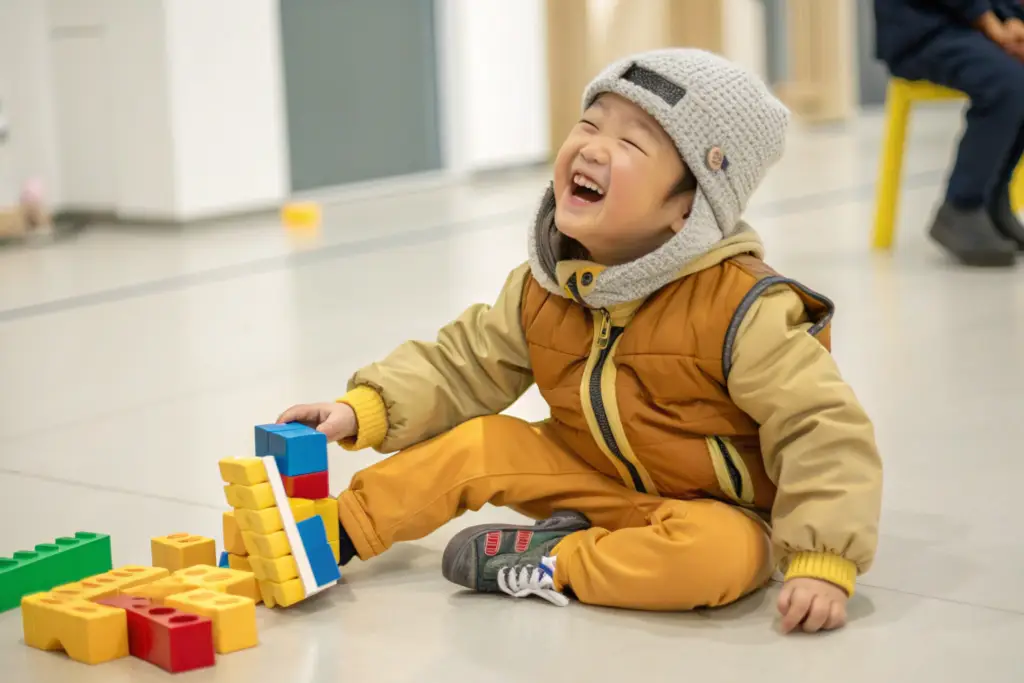
Getting a child dressed can be a battle. Your designs can help win that battle. For babies, look for envelope necks on t-shirts and onesies. These have a overlapping shoulder seam that stretches open, making it easier to pull the garment over a large head. For toddlers, snaps are often better than buttons. They are faster and require less fine motor skill.
For older kids who dress themselves, look for easy identifiers. A tag on the back of the waistband that says "back" helps them put pants on the right way. Wide, stretchy neck openings mean they can get a shirt on without getting stuck and frustrated. I remember a client who added a small, colorful loop inside the back collar of her shirts. Kids learned to look for the loop to know which way was back. It was a tiny detail, but parents loved it because it gave their kids independence.
How do you create a size range that fits real children?
Children are not just scaled-down adults. Their proportions are different. A toddler has a big head relative to their body. A child's torso is longer compared to their legs than an adult's. Your grading must account for this. You cannot just take an adult size small and shrink it down.
At Shanghai Fumao, we have developed our own fit models for different age groups based on years of data. We know how a 2T should fit differently from a 3T. It is not just about adding inches to the length. It is about adjusting the proportions. The rise might need to be deeper. The sleeves might need to be wider. When you create a size range that actually fits the intended age group, you reduce returns and build a loyal customer base. Parents remember the brand that finally fits their tall, skinny kid or their sturdy toddler.
Conclusion
Creating a kids' wear collection is a journey. It starts with a deep commitment to safety, understanding the strict regulations that protect children. It moves through careful fabric selection, prioritizing softness and durability. It culminates in thoughtful design that solves real problems for parents and brings joy to kids. When you get all these elements right, you create more than clothes. You create a trusted brand.
At Shanghai Fumao, we have spent decades perfecting the art of kids' wear manufacturing. We know the regulations. We know the fabrics. We know the fits. We partner with our clients to guide them through every step, from the first sketch to the final shipment. We treat every garment as if it were for our own children.
If you are ready to start your kids' wear journey, we would love to be your partner. Please contact our Business Director, Elaine, at elaine@fumaoclothing.com. Visit Shanghai Fumao to see how we can help you create a collection that parents will trust and kids will love.