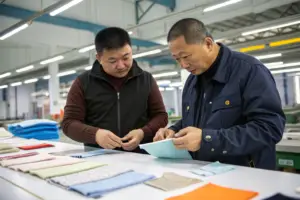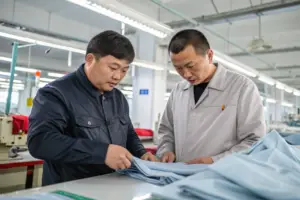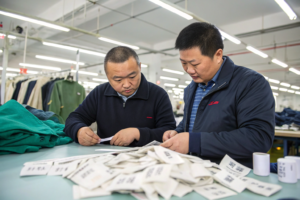
A few years ago, a very serious buyer from a major outdoor brand sat in my office. He told me his company had a new goal: to make their entire supply chain sustainable by 2030. He asked me for certifications, material sources, and proof of our environmental policies. I was ready for him because we had already done the work. But I saw the stress in his eyes. He had to do this for every single supplier. Finding all this information, verifying it, and organizing it is a massive job. Many brand owners feel overwhelmed.
A sustainable resource guide for fashion brands is a curated collection of vetted information. It includes lists of certified sustainable fabric suppliers, details on eco-friendly certifications like GOTS and OEKO-TEX, guidance on sustainable manufacturing practices, and directories for recycled or innovative materials. The best guides are found through industry associations, sustainability-focused trade shows, and reputable online platforms dedicated to ethical fashion.
When I started in this business, "sustainable" just meant durable. Now it means organic, recycled, low-impact, fair-trade, and transparent. The landscape changes every year. I remember when a client from Seattle asked us to source recycled polyester for a new activewear line. He had read about it online but didn't know where to start. We worked together, using our network of fabric mills in China and Taiwan, to find the perfect supplier. That experience taught me that a good guide is not just a list. It is a bridge between intention and action.
What Are The Most Trusted Online Platforms For Sustainable Sourcing?
When you search online for sustainable suppliers, you get millions of results. But how do you know which ones are real and which are just greenwashing? I have seen many brands waste weeks talking to suppliers who claim to be sustainable but cannot provide a single certificate. You need to start your search on platforms that do the vetting for you. These platforms act like a filter, saving you time and protecting you from bad actors.
The most trusted online platforms include directories like Common Objective, Material Exchange, and the Sustainable Apparel Coalition's tools. These platforms verify suppliers and provide clear data on their sustainability credentials. They also offer educational resources to help you understand what different certifications actually mean. Using these sites as your starting point ensures you are building your supply chain on a foundation of truth, not marketing.
Let's look closer at some of these resources. I have personally used some of them with my clients, and I have seen the difference they make. They turn a confusing search into a structured process.

How can Common Objective help you find ethical suppliers?
Common Objective, or CO, is a platform I recommend often. It is a global network designed to connect fashion businesses with verified sustainable resources. They have a huge database of suppliers, each with detailed profiles that include their certifications, material specialties, and production locations. What I like most is their focus on education. They have articles and guides that explain complex topics like the Higg Index or the difference between various recycled materials.
A client from Boston was looking for a supplier of organic cotton jersey last year. She was new to this and was struggling. I suggested she try Common Objective. Within a week, she had a shortlist of three suppliers, all with valid GOTS certifications. She told me it saved her at least a month of work. For any brand serious about sustainability, CO is like having a research assistant dedicated to your cause.
What role do trade shows play in finding sustainable resources?
Online research is great, but nothing beats seeing and touching the materials. Trade shows like Première Vision in Paris, Texworld in New York, and the Kingpins Show in Amsterdam have dedicated sections for sustainable and innovative materials. At these shows, you can meet suppliers face-to-face. You can feel the fabric, ask detailed questions, and see the certificates with your own eyes.
I always encourage my clients to visit these shows. Last year, I met a buyer from a Canadian brand at Première Vision. He was looking for a specific recycled nylon. He had been searching online for months. At the show, he found three suppliers in one day. He touched the fabrics, discussed minimums, and even left with samples. The personal connection you make at a trade show builds trust faster than any email chain. It is a vital part of any sustainable resource guide.
Which Certifications Should You Look For In Sustainable Suppliers?
Certifications are the proof behind the claims. Anyone can say they are green. But a certification means a third-party auditor has visited the factory, checked the chemicals, reviewed the labor practices, and verified the supply chain. Without these, you are taking a risk. If your supplier lies about being sustainable, it is your brand that will suffer when the truth comes out. I have seen this happen. It is not pretty.
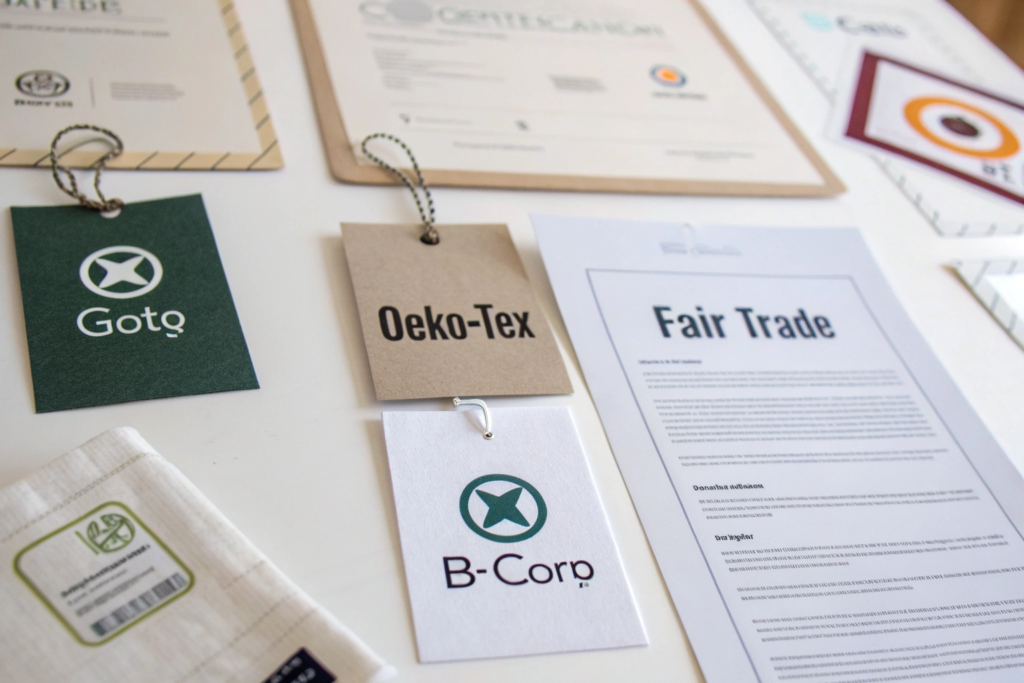
The key certifications to look for are GOTS (Global Organic Textile Standard) for organic fibers, OEKO-TEX Standard 100 for harmful substances, Bluesign for responsible chemical use in production, and Fair Trade Certified for ethical labor practices. For recycled materials, look for GRS (Global Recycled Standard) certification. These are the stamps of approval that give you and your customers real confidence.
Let me break down what each of these certifications actually means for you and your factory partners. This knowledge will help you ask the right questions and avoid being fooled by empty promises.
What is the difference between GOTS and OEKO-TEX?
This is a question I get all the time. Both are important, but they cover different things. OEKO-TEX Standard 100 is a certification for the finished product. It tests the fabric, threads, buttons, and zippers for hundreds of harmful substances. If a garment has the OEKO-TEX label, you know it is safe for human skin. It does not, however, tell you much about how it was made.
GOTS is much broader. It covers the entire supply chain, from the harvested cotton to the finished garment. A GOTS-certified product must meet strict environmental and social criteria. The water used in processing must be treated. The workers must be paid fairly. The chemical inputs are tightly controlled. So, GOTS includes the idea of a safe product, but it goes far beyond that to include how the product was made. When a client asks me for a truly sustainable garment, I always point them towards GOTS-certified options we can produce at Shanghai Fumao.
Why is the Global Recycled Standard important?
As more brands use recycled polyester and recycled cotton, the GRS certification becomes essential. Recycled materials sound great, but you need to be sure they are real. GRS tracks the recycled material from the point of collection, through the recycling process, and into the final product. It also sets standards for environmental and social practices during that process.
I had a client from a big surf brand who wanted to use recycled nylon for a new line of board shorts. We found a supplier who claimed to use 100% post-industrial recycled nylon. But when we asked for their GRS certificate, they could not provide it. We walked away. A few months later, that supplier was exposed for exaggerating their recycled content. Our client was grateful we insisted on the certificate. GRS is your shield against false claims in the recycled materials market.
How Can Your Manufacturing Partner Support Your Sustainability Goals?
You can find all the sustainable fabric suppliers in the world. But if your factory cannot handle those materials responsibly, your efforts will fail. Sustainable fabrics often behave differently. Organic cotton may shrink more. Recycled polyester might have different dyeing properties. A good factory partner will have experience with these materials and the processes needed to work with them.
Your manufacturing partner should be able to advise you on sustainable options, provide evidence of their own environmental practices, and help you navigate certifications. They should have systems in place for waste reduction, water conservation, and energy efficiency. When you partner with a factory that is already on the sustainability journey, you move faster and with more confidence.
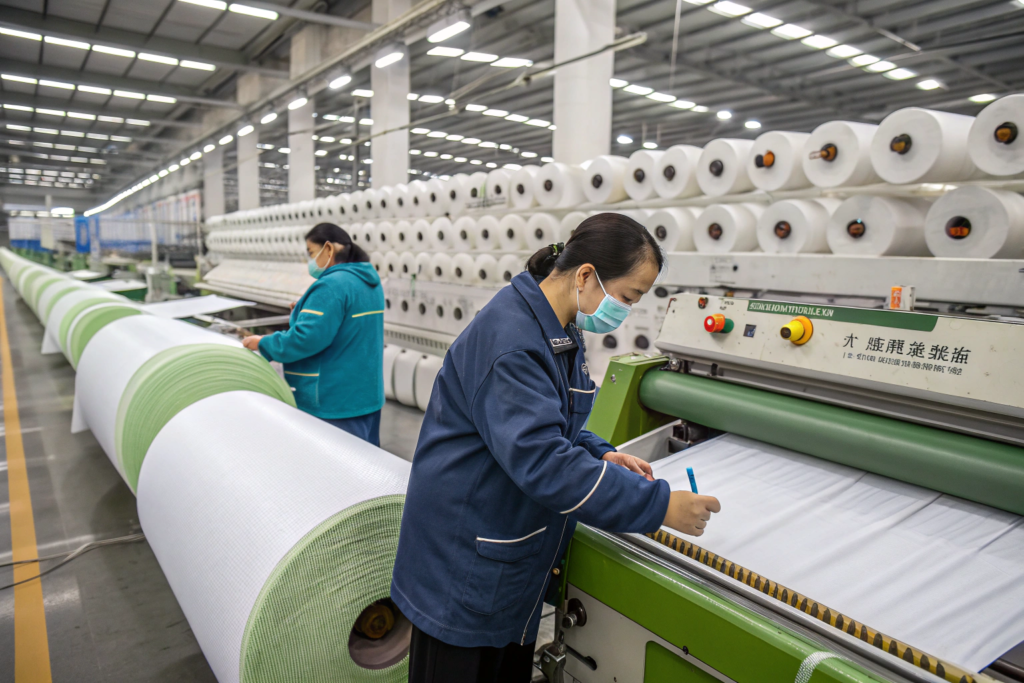
At Shanghai Fumao, we have made sustainability a core part of our operations. We have invested in water treatment systems and energy-efficient lighting. We train our team on handling certified materials. We see it as our responsibility to help our clients meet their goals.
What should you ask your factory about their sustainability practices?
When you are interviewing a potential factory, do not be shy. Ask direct questions. Ask for copies of their environmental permits. Ask about their wastewater treatment. Ask where they source their electricity. Ask how they handle fabric waste. A good factory will have answers ready. They will be proud to show you their efforts.
I remember a call with a potential client from New York. She asked me all these questions. She wanted to know our recycling rate for fabric scraps. (It is over 90%, by the way. We sell scraps to other industries for stuffing and insulation.) She asked to see our water treatment records. We sent them immediately. She later told me that our transparency was the reason she chose us. She said, "Anyone can make promises. You showed me proof." That is what you should demand from your partners.
How can a factory help you with the cost of sustainability?
This is the million-dollar question. Sustainable materials often cost more. Certifications cost money. New processes cost money. But a good factory can help you manage these costs. We might suggest a blend of recycled and virgin materials to hit a price point. We might recommend a fabric that has the same sustainable properties but comes from a closer mill, saving on shipping. We might help you plan your orders to reduce waste.
A few years ago, a brand from Austin wanted to use an expensive organic cotton for their entire line. The cost was too high for their budget. We worked with them and suggested they use the organic cotton for their hero styles, the ones that would sell the most, and a GOTS-certified conventional cotton for the supporting styles. They kept their sustainability story and hit their price targets. This kind of partnership is what makes sustainability achievable for growing brands.
Conclusion
Finding reliable information on sustainable fashion is not easy. The internet is full of noise, and greenwashing is everywhere. But the resources are out there. You need to know where to look. Start with trusted online platforms like Common Objective. Go to trade shows and touch the fabrics. Learn the key certifications like GOTS, OEKO-TEX, and GRS. And most importantly, find a manufacturing partner who shares your commitment and can help you navigate the journey.
At Shanghai Fumao, we have spent years building a network of sustainable suppliers and refining our own practices. We help our clients cut through the confusion. Whether you need GOTS-certified organic cotton, GRS-certified recycled polyester, or just honest advice on how to make your line more sustainable, we are here to help.
If you are ready to take the next step in your sustainability journey, I invite you to reach out to us. Please contact our Business Director, Elaine, at elaine@fumaoclothing.com. Let's discuss how Shanghai Fumao can be your trusted partner in building a fashion brand that is both beautiful and responsible.