For years, I have heard the same frustration from American brand owners. You walk through massive trade shows in Las Vegas or New York, and everything starts to look the same. You see the same basic cuts, the same fabrics, and the same predictable styles. Your buyers are bored. They are looking for something fresh, something that makes their brand stand out on a crowded retail floor. But finding a factory that can actually produce those unique, "rare" styles without massive minimums or quality issues feels impossible.
The real challenge isn’t just finding a design. It’s finding a manufacturing partner who can turn that rare concept into a tangible, high-quality product that arrives on time and fits your budget. That is exactly where Full-Package Production (FPP) becomes your most valuable tool. It’s the difference between buying what factories already make and creating what your customers truly want.
The garment industry is often stuck in a cycle of mass production. Many suppliers push their “best-sellers” because it is easy for them. But I started Shanghai Fumao to be different. I built our company to be a true partner for brands like yours. We don’t just sew clothes; we solve problems. Last year, a boutique brand from Chicago came to us. They had a rare, vintage-inspired design for a women’s travel jacket but couldn’t find a factory willing to handle the complex pattern and special waxed cotton fabric. We took on the challenge, developed the sample, and delivered 2,000 units in 10 weeks. That jacket became their highest-margin item of the season. That is the power of true partnership.
How Does Full-Package Production Differ from Just Buying Wholesale?
When you buy wholesale, you are simply a customer. You look at a catalog, pick a style, and order it in bulk. The factory makes what they already know how to make. You have no say in the fabric, the fit, or the small details that make a garment special. You are limited to their choices.
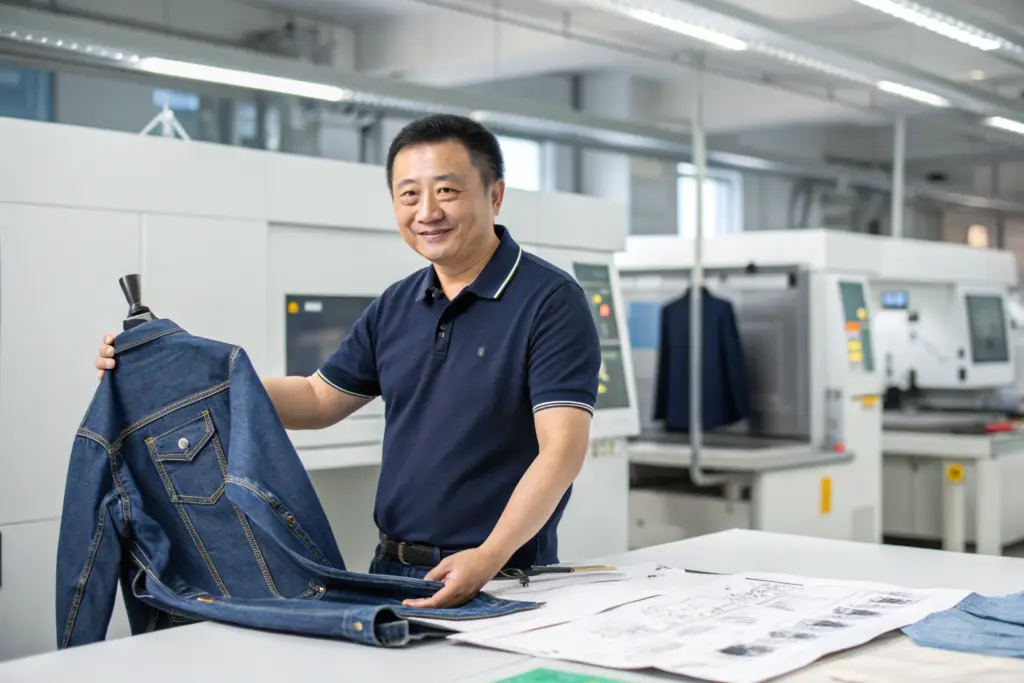
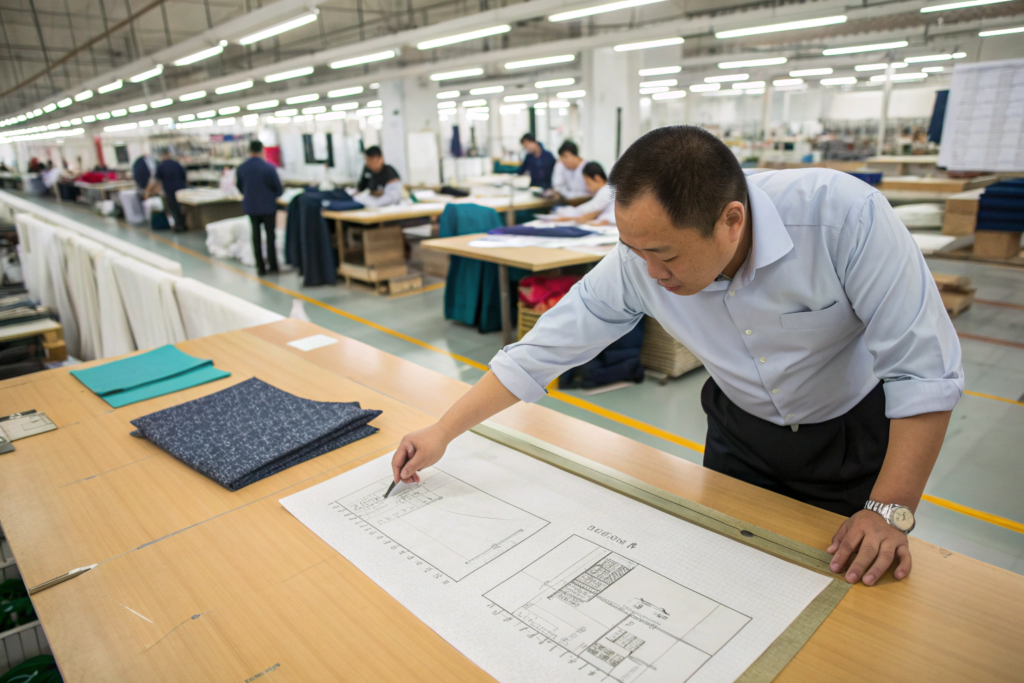
Full-Package Production (FPP) is the complete opposite. It is a collaborative service where the factory becomes an extension of your own team. We start from your idea. You come to us with a sketch, a reference image, or just a concept. Then, we handle everything else. We source the unique fabric, create the custom patterns, develop the prototype, manufacture the garments, and even handle the logistics to ship them directly to your warehouse in the U.S.
What specific rare style requests can you handle through FPP?
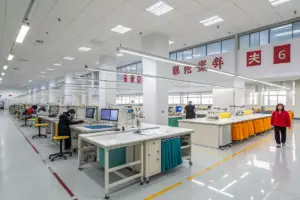
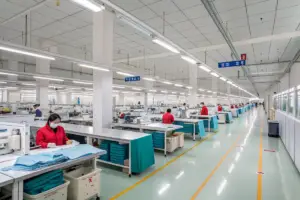
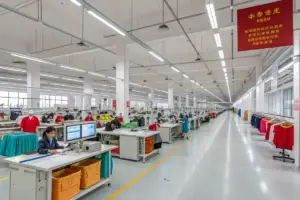
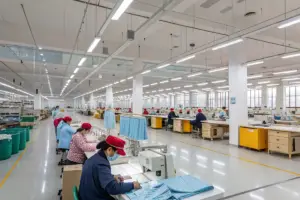
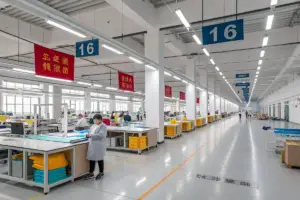
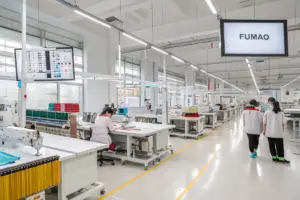
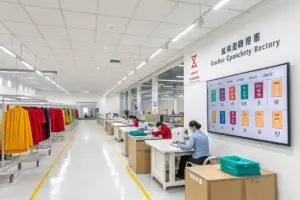
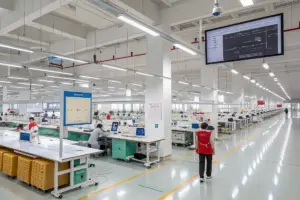
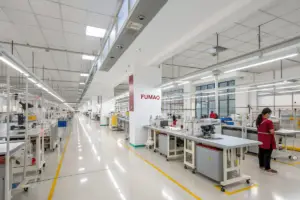
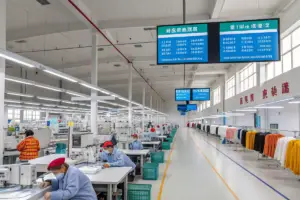
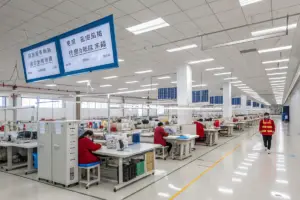
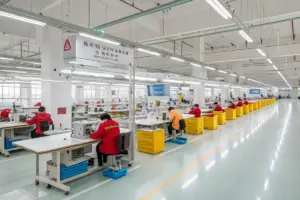
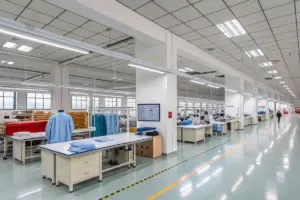
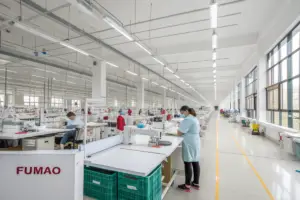
This is where our 30 years of experience comes into play. I have seen requests that would make a standard wholesaler run away. We welcome them. Our team has five dedicated production lines specifically designed for flexibility. We can handle complex pattern cutting, unusual fabric blends like organic cotton with recycled polyester, and intricate detailing like custom embroidery or specialized garment washes.
Just two months ago, a yoga wear brand from San Diego approached us. They wanted a “rare” style: a high-neck hoodie with a built-in, hidden pocket designed specifically for a new type of phone. The fabric needed to be an ultra-soft, four-way stretch material that was also opaque. This wasn’t in any catalog. We sourced the exact technical fabric from a specialized mill, developed the pattern with the precise pocket dimensions, and produced a perfect sample in 14 days. The full production run followed without a hitch. This level of customization is routine for us at Shanghai Fumao.
How does FPP ensure the quality of these custom rare styles?
Quality is my personal obsession. When you are making a standard t-shirt, quality control is straightforward. When you are making a rare, complex style, it becomes critical. One small mistake in the pattern or the fabric choice can ruin the entire garment. Our process is built on rigorous checks.
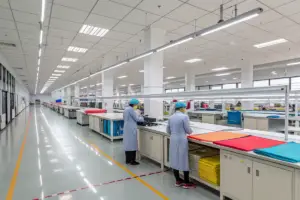
We start by testing your fabric before we even cut it. We check for shrinkage, colorfastness, and tensile strength. During the sampling phase, we involve our senior pattern makers and sewing masters. They look at your design and suggest improvements based on how the garment will actually be constructed. For example, a client from New York once sent us a design for a men’s bomber jacket with a rare, asymmetrical zipper. Our team realized the original design would cause the fabric to pucker. We suggested a different interfacing and stitching technique. The final product was flawless, and the client sold out their first batch in three weeks. We don’t just meet your quality standards; we protect your brand’s reputation by exceeding them.
What Are the Key Risks When Sourcing Unique Apparel from Overseas?
I will be honest with you. Sourcing rare styles is more difficult than sourcing basic ones. The risks are higher. If you order a standard white t-shirt and it is delayed, you might still sell it. But if your unique, fashion-forward jacket for the fall season arrives in December, you have a warehouse full of dead stock. This is the reality my clients face, and it is my job to eliminate those risks for them.
The two biggest dangers are always the same: delayed shipments and falsified certifications. When you work with an unknown supplier found on a directory, you have no real control. You are trusting them blindly. If they cut corners on the rare fabric you requested or lie about the test reports, you are the one who pays the price. Your customers lose trust in your brand.
How do you prevent shipping delays for complex orders?
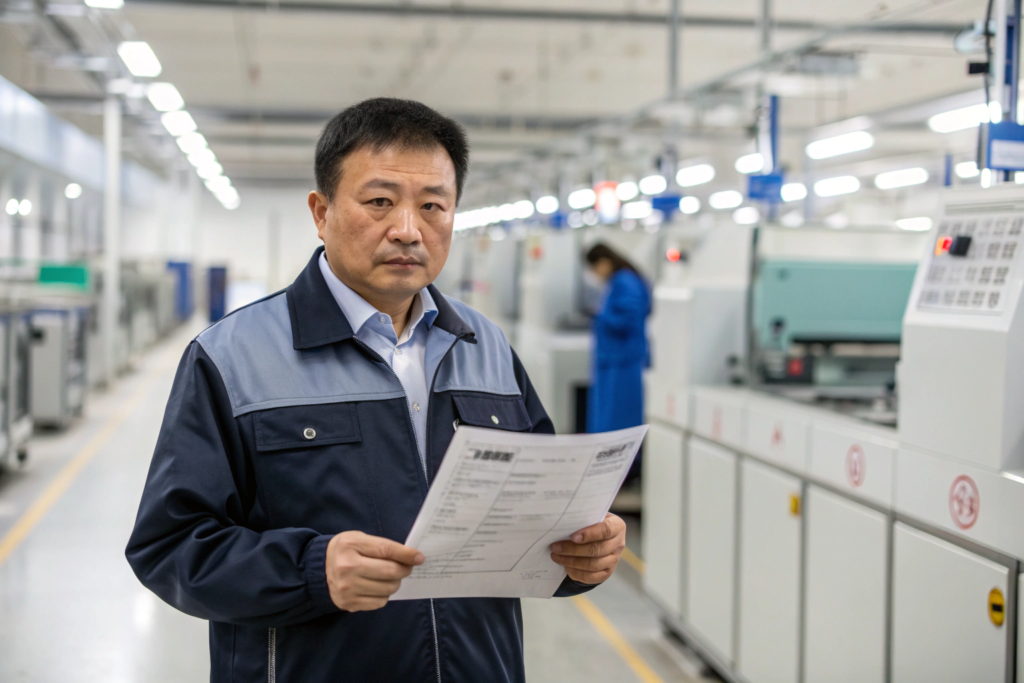
This is a topic I am incredibly passionate about. A promise to deliver on time is a promise I take personally. We prevent delays through meticulous planning and transparent communication. Before we even cut one piece of fabric, we create a detailed production schedule. This schedule accounts for fabric sourcing, sampling, pattern grading, cutting, sewing, finishing, and final inspection. We share this schedule with you.
My production managers update it weekly. If there is ever a potential bottleneck—say a special dye for a rare fabric takes two extra days—we tell you immediately. We don’t hide problems. We solve them. I remember an order for a Los Angeles streetwear brand. They wanted a very rare, heavy-weight French Terry fabric that was in short supply globally. We secured the fabric early, but a machine breakdown threatened to push us back by a week. We shifted the order to another one of our five production lines and worked overtime to get back on track. The shipment arrived in Long Beach exactly on the date we promised. That client has been with us for five years.
How can you guarantee the certificates for rare materials are real?
I am angry when I hear stories about suppliers faking certificates. It is dishonest and it hurts the entire industry. At our company, we don’t just accept a paper certificate from a mill. We verify the materials ourselves. For every rare fabric we source, especially those with special claims like organic or recycled content, we conduct our own internal tests. We also use third-party labs like SGS or Bureau Veritas to provide you with independent verification.
This is non-negotiable for us. A few years ago, a potential client from Seattle sent us a fabric specification for a “rare” eco-friendly shell fabric. The mill provided a certificate, but something felt off. We sent samples to an independent lab. The test proved the recycled content was 30% lower than claimed. We immediately rejected that mill and found a certified supplier in Japan that met the true standard. We paid slightly more for the fabric, but the client’s brand integrity was protected. We will always prioritize truth over a cheaper price.
Why Is Efficient Communication Vital for Your Custom Clothing Orders?
I know your pain point better than anyone. You told me directly: “inefficient communication with suppliers’ sales reps.” It is the number one reason partnerships fail. You send an email with a question about a rare stitching detail. Three days later, you get a one-word answer that doesn’t address your question. You ask for a photo of a sample. You get a blurry, dark image a week later. This slow, unclear communication kills momentum and breeds mistrust.
In the apparel business, time is money. A selling season is a narrow window. You cannot afford to wait a week for a simple answer. Good communication is not just about being friendly. It is about speed, accuracy, and clarity. It is about making sure that the rare style in your head becomes the rare style in the box on your loading dock, without any misunderstandings along the way.

Who will be my direct point of contact for my rare style project?
You will never be passed around to different representatives. From your first inquiry to the final delivery, you will have one dedicated account manager. This person is your advocate inside our factory. They understand your brand, your preferences, and the specific details of your rare style.
But more importantly, your account manager works directly with our production team. They are not just a messenger. They understand garment construction. If you have a technical question, they can get an answer from our pattern master in minutes, not days. For a recent project for a brand in Austin, Texas, the client wanted a rare, double-layered collar on a polo shirt. Our standard machines couldn’t do it. My account manager immediately brought the sample to our senior mechanic. Within 24 hours, we had a solution and a plan. That speed is only possible with a direct, knowledgeable point of contact.
How do you handle the language barrier to ensure design details are correct?
This is where our team’s experience with the U.S. market is invaluable. Many of our account managers have worked directly with American brands for over a decade. They understand the terminology, the cultural nuances, and the high standards you expect. We use a “Tech Pack” system to ensure clarity.
You send us your tech pack with your sketches, measurements, and construction details. Our team reviews it and creates a “Spec Sheet” in our system. Then, we confirm every single detail back to you in writing and with photos during the sampling stage. We don’t assume anything. If a measurement on your design is unusual for a standard size medium, we will ask. “Is this intentional?” This attention to detail saved a client from Denver last year. Their design for a rare, drop-shoulder sweater had a sleeve length that was 3cm too long. We flagged it, they corrected it, and we avoided a costly mistake on the entire production run.
What Logistics Support Do You Offer for DDP Shipping to the USA?
The final hurdle for any order is getting it to your door. You told me you source from countries like Vietnam and India. The logistics can be a nightmare. You have to deal with freight forwarders, customs brokers, import duties, and a mountain of paperwork. One wrong code on a customs form and your container gets held for weeks. Your rare styles, which you need for a launch, sit on a dock while the season starts without you.
This is why we strongly recommend Delivered Duty Paid (DDP) shipping. DDP simplifies everything. It means we take full responsibility for the entire shipping process. We handle the trucking to the port in China, the ocean freight, the U.S. customs clearance, the payment of all duties and taxes, and the final delivery to your warehouse. You receive one single invoice and one single delivery.

What does the DDP process look like from your factory to my door?
The process starts the moment your production is finished. Our in-house logistics team prepares all the necessary documents: the commercial invoice, packing list, and certificate of origin. We work with our long-term freight partners to book space on a vessel.
When your goods arrive at a U.S. port like Los Angeles or Long Beach, our customs broker handles the entire entry process. They classify your goods under the correct HTS code, ensuring compliance and paying the correct duty. You don’t have to worry about surprise bills or complex forms. The container is then cleared and loaded onto a truck for final delivery. For a client in Miami who ordered a limited run of rare, hand-finished silk blouses, we managed the entire DDP shipment. They received the goods at their warehouse 35 days after production finished, without lifting a single finger on logistics.
How does DDP protect me from unexpected customs fees and delays?
The biggest advantage of DDP is cost certainty and speed. When we quote you a DDP price, that is the final price you pay. We absorb all the risk of fluctuating freight rates or unexpected tariff charges. This protects your margins.
More importantly, because we are responsible for the entire process, we are highly motivated to ensure there are no delays. We pre-clear documentation and work only with experienced customs brokers who understand the latest U.S. regulations. I remember a time when a new tariff was suddenly announced on a specific type of knit fabric. A shipment for a client in Portland was already on the water. Because we handle DDP, our team immediately re-classified the goods with our broker to ensure full compliance and no delays. The shipment cleared customs without a problem and arrived on time. If the client had handled this themselves, they would have been stuck in a bureaucratic mess for weeks.
Conclusion
Sourcing rare clothing styles is a challenge, but it is the most rewarding path for a brand. It is how you build a loyal following and command higher prices. You cannot do it by picking generic styles from a catalog. You need a partner who understands your vision, who can navigate the complexities of custom manufacturing, and who has the integrity to deliver quality on time, every time.
At Shanghai Fumao, we have built our entire company to be that partner for you. We combine flexible Full-Package Production, rigorous quality control, clear communication, and reliable DDP logistics into one seamless service. We are not just a supplier; we are your manufacturing extension in China. If you are ready to stop fighting with suppliers and start building your brand’s future with unique, high-quality apparel, I invite you to reach out to us personally. Please contact our Business Director, Elaine, at elaine@fumaoclothing.com. Let’s discuss how we can bring your rarest ideas to life.