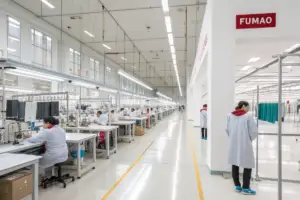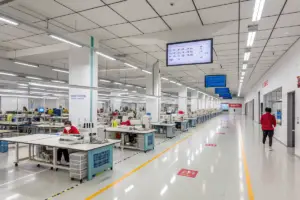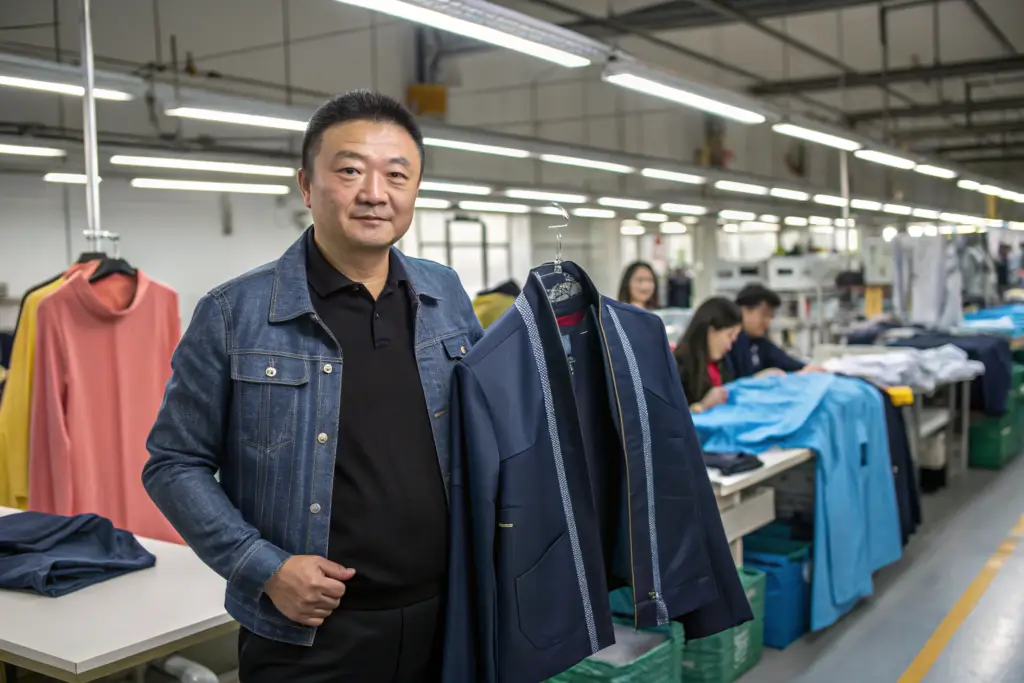
Over the years, I have had countless conversations with brand owners who ask the same question: "Can you make my product?" My answer is almost always yes. But the better question, the one that saves time and money, is "Should you make my product using the Full Package model?" The truth is, while FPP offers immense benefits, some product categories are a more natural fit than others. Understanding this fit is the key to a successful partnership.
The best apparel products for Full Package Manufacturing are those with complex supply chains, multiple components, or a strong need for brand consistency. Items like structured outerwear, performance activewear, cut-and-sew knits, and multi-garment collections thrive under FPP. These products benefit the most from having a single partner manage the sourcing of specialized materials, the engineering of complex construction, and the quality control across every step. Simple, basic commodities can also work, but the true value of FPP shines when a product requires coordination and expertise.
Think about the difference between a basic white t-shirt and a technical ski jacket. For the t-shirt, you might find a fabric, send it to a cutter, and then to a sewer. There are only a few steps. The risk of something going wrong is relatively low. Now, consider the ski jacket. It needs a waterproof outer shell, a warm inner lining, specialized zippers, velcro, elastic cuffs, and maybe even a hood with a faux fur trim. The fabric needs to be taped at the seams. If just one of these components is wrong, the entire jacket fails. This is where the FPP model becomes not just helpful, but essential. We manage the entire ecosystem of that product, ensuring every single piece fits together perfectly.
Why Are Structured Garments Like Jackets And Blazers Ideal For FPP?
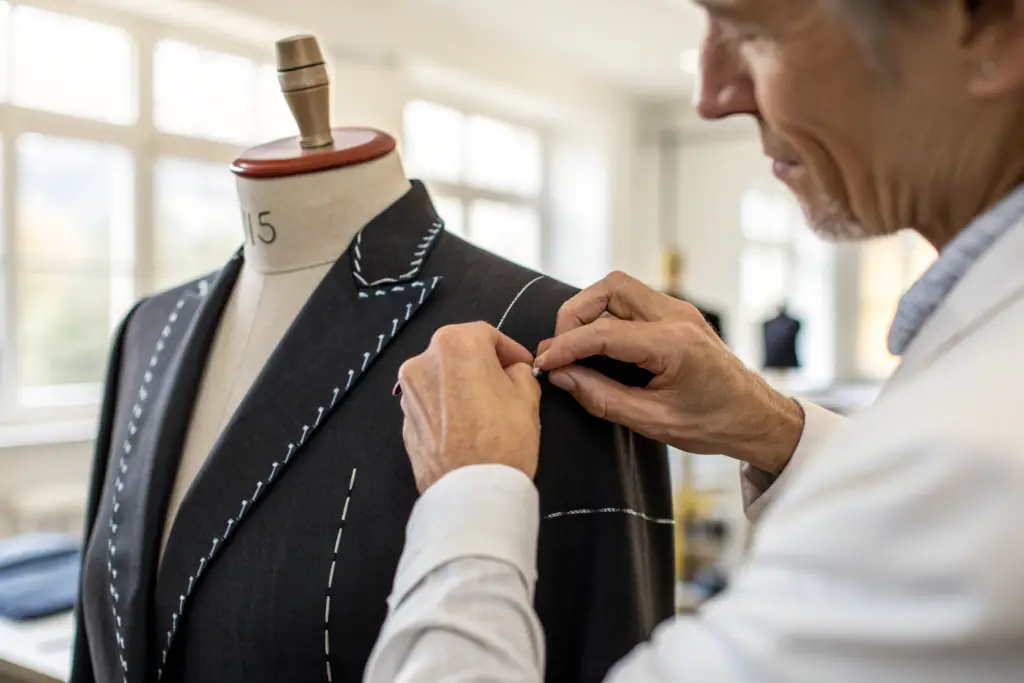
Structured garments are the ultimate test of a manufacturer’s skill. A blazer or a wool coat is not just sewn together; it is engineered. It has an inner construction that gives it shape, often including canvas, padding, and multiple layers of interfacing. Getting this right requires close coordination between the pattern maker, the cutter, and the sewer. This is a world where FPP proves its worth every single day.
How Does FPP Manage The Complex Components Of Outerwear?
I learned this lesson very clearly about five years ago with a client from Boston. He was launching a premium line of men’s wool peacoats. In a previous life, he had tried to make this coat by sourcing the wool shell from one place, the thick lining fabric from another, and the horn buttons from a third. He would ship everything to a factory, only to find that the factory had trouble sewing through the thick wool and the lining at the same time. The coats came out looking bulky and unrefined.
When he came to us, we approached it differently. During the development phase, our pattern makers worked with the wool mill to understand the fabric’s thickness and drape. We engineered the pattern to reduce bulk at the seams. We sourced a specialized thread that was strong enough for the wool but fine enough to not look clumsy. We also worked with the button supplier to ensure the shank was the correct length for the thick fabric. By managing all these components together, we created a coat that was both warm and elegant. The construction of tailored jackets requires this level of integration. You cannot just assemble parts from different places and hope they work. They have to be designed to work together. FPP provides that design and production integration.
What Role Does Fabric Sourcing Play In Complex Garment Success?
The fabric is the soul of any garment, but for complex items, it is the foundation of the entire engineering process. A few years ago, a high-end womenswear brand from New York came to us with a dream: a silk dress with a built-in, structured corset bodice. Silk is a notoriously difficult fabric to work with. It is slippery, it shifts, and it can be easily damaged by the wrong needle or thread. A structured bodice requires stiff materials that can hold their shape.
In an FPP model, we did not just buy silk. We tested three different weights of silk charmeuse to see which one could best handle the stress of the corset seams. We sourced a special, very fine fusible interfacing that would add structure to the bodice without showing through the delicate silk. We found a mill that could produce the silk in the exact color the designer wanted, with a certificate of authenticity. We then made a sample, and the designer saw that the silk draped beautifully over the structured bodice, just as she had envisioned. If she had bought the silk herself and sent it to a factory, she would have been taking a huge risk. The factory might have damaged it, or it might have been the wrong weight for the design. By letting us handle the technical fabric sourcing and testing, she ensured her vision was executed perfectly. That dress became a bestseller for her that season.
How Does FPP Benefit Performance And Activewear Brands?
Activewear is one of the fastest-growing segments in the U.S. market. But it is also one of the most technically demanding. This is not just cotton. This is fabric engineered to wick sweat, stretch in four directions, and resist pilling. The margins for error are tiny, and the need for specialized knowledge is huge.
Why Is Material Testing Crucial For Activewear In FPP?
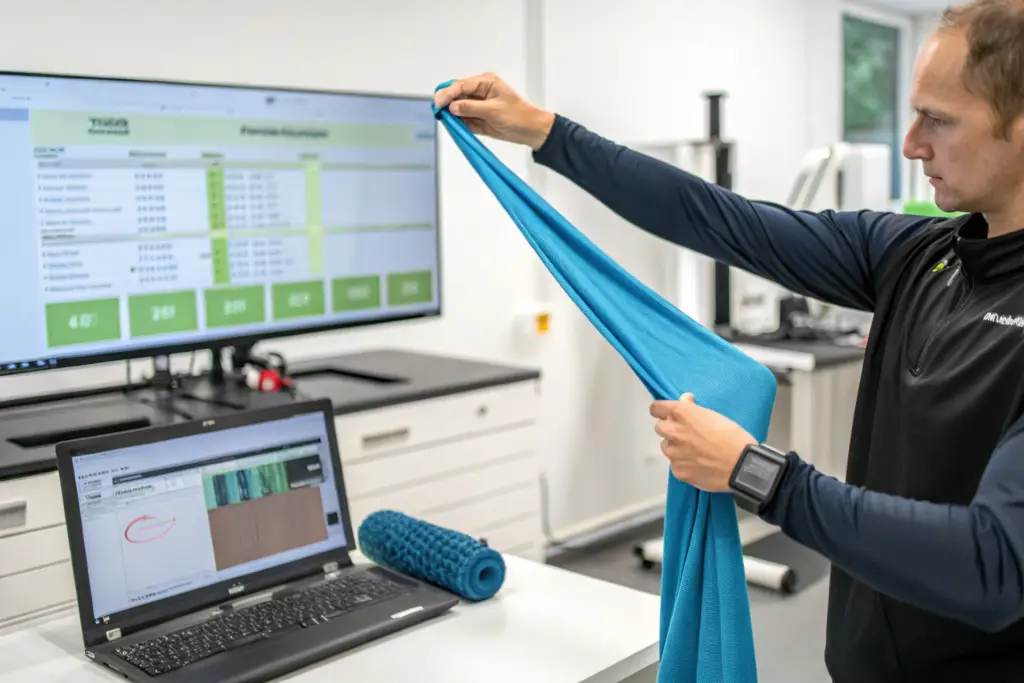
A brand owner from Los Angeles came to us with a great idea for a new line of high-compression leggings. He had found a beautiful, brushed nylon-spandex fabric from a mill he discovered online. He loved the feel. He sent us the fabric, and we made a sample legging. It looked perfect on the table. But when our fit model put them on and did a series of squats, we saw a problem. The fabric was pilling slightly between the thighs.
Because we manage the entire process, we did not just make the leggings and ship them. Our quality team flagged this issue immediately. We took the fabric to our lab and ran a series of Martindale abrasion tests. The results showed the fabric was not durable enough for high-intensity activity. We went back to our network of performance fabric mills and found a replacement. This new fabric had a higher denier per filament, meaning it was stronger, and a different weave structure that resisted abrasion. We made a new sample, and the client approved it. The leggings launched, and the return rate for pilling was less than 1%. In a fragmented model, the client would have bought 1,000 yards of that first fabric, made 500 leggings, and then discovered the pilling problem from angry customer reviews. The cost would have been devastating. With FPP, we caught the problem before a single yard was cut for bulk production.
Can FPP Handle The Different Fabrics In A Single Activewear Piece?
Many activewear pieces are not made from just one fabric. A sports bra might have a high-compression outer layer for support and a soft, moisture-wicking inner layer for comfort. A running jacket might have a waterproof body and mesh panels under the arms for ventilation. Getting these different fabrics to work together is a challenge.
We worked with a cycling brand from Colorado that wanted a jersey with a standard polyester body but sleeves made from a different, more aerodynamic fabric. The two fabrics had different stretch percentages. If we had just sewn them together, the seams would have puckered, and the jersey would have fit poorly. Our pattern makers and production team worked together. We adjusted the pattern pieces to account for the different stretch. We tested different seam constructions and stitch types to find one that lay flat. We even sourced a special thread with matching stretch properties. The final jersey was comfortable, aerodynamic, and looked seamless. This kind of multi-material garment engineering is complex. It requires a production partner who understands the properties of each material and how they interact. That is the core competency of a full-package manufacturer.
What About Knits, Wovens, And Complete Collections?
Some people think FPP is only for very complex items. This is not true. FPP is for any product where you want consistency, quality, and peace of mind. This applies just as much to a simple t-shirt as it does to a complex jacket, especially when you are building a collection that includes many different types of garments.
Why Are Cut-And-Sew Knits Better Under FPP Than Blanks?
The U.S. market is full of blank t-shirts. You can buy them cheaply and have them printed. This is a quick way to start a brand, but it is also a commodity business. Your t-shirt looks just like everyone else’s t-shirt. For brands that want to stand out, they need cut-and-sew knits. This means the t-shirt is made from fabric specifically chosen for the brand, and cut and sewn to their exact pattern.
A streetwear brand from Chicago came to us tired of using blanks. They wanted a t-shirt with a perfect boxy fit and a heavier, more substantial fabric than anything they could find ready-made. In an FPP model, we sourced a custom 280-gram combed ring-spun cotton jersey. This fabric was heavier and more durable than standard t-shirt material. We created a pattern with a wider body and shorter sleeves, their signature fit. We used a special technique on the hem to add a little weight so it hung perfectly. The result was a t-shirt that became the foundation of their brand. Customers loved the unique feel and fit. They were not just buying a shirt; they were buying that brand’s specific shirt. This is the power of cut-and-sew knitwear production. It takes a basic item and makes it exclusive to you. You cannot get that from a blank.
How Does FPP Help You Launch A Full Collection Smoothly?
Launching a full collection with dresses, blouses, and trousers is a huge undertaking. Each product type has its own challenges. Dresses need careful draping. Blouses need precise collar and cuff construction. Trousers need perfect fit through the hip and thigh. Coordinating all of this with multiple factories is a logistical nightmare.
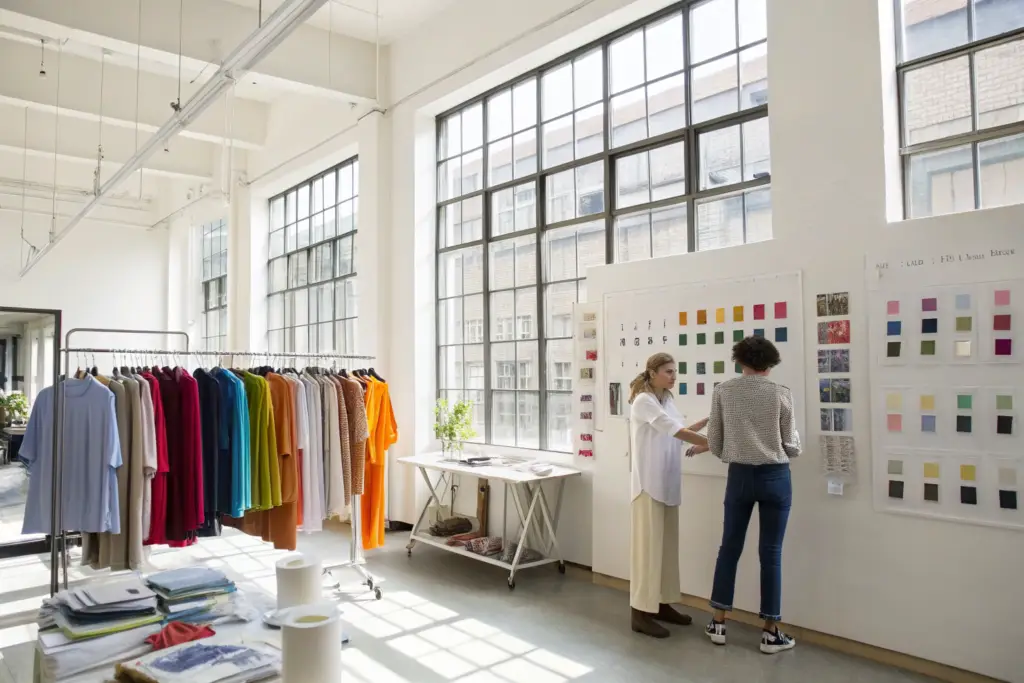
We partner with a contemporary womenswear brand from Miami that launches four collections a year. Each collection has 15 to 20 unique styles. They trust us to manage it all. For their resort collection last year, we produced silk dresses, linen blouses, and cotton stretch trousers all at the same time. Our product development team managed the sampling for each category. Our sourcing team bought all the different fabrics from different mills, ensuring they arrived at our factory in time for the production schedule. Our production planners scheduled the cutting and sewing lines to handle the different styles efficiently. The client received one container with their entire collection, perfectly balanced and ready for market. They did not have to track five different shipments from five different factories. This is the ultimate benefit of FPP for a growing brand. It provides a single, streamlined production and logistics solution for your entire product line, freeing you to focus on design and sales.
Conclusion
Choosing the right manufacturing model is a strategic decision that will shape your brand’s future. While many products can be made in many ways, Full Package Manufacturing offers unique advantages for those who are serious about quality, consistency, and growth. Whether your vision involves the complex engineering of a winter coat, the technical performance of activewear, or the distinctive feel of a custom-made t-shirt, FPP provides the structure and expertise to bring that vision to life with fewer headaches and better results.
At Shanghai Fumao, we have built our company to be that partner for brands like yours. We have the experience across diverse categories, from delicate wovens to structured outerwear. We have the sourcing relationships to find the perfect materials. We have the production lines to handle your entire collection. And most importantly, we have the commitment to communication that makes the entire process smooth and transparent.
If you are ready to stop worrying about your supply chain and start building your brand, let us help you. Please reach out to our Business Director, Elaine, at elaine@fumaoclothing.com. Tell her about the products you want to create. Let us show you how Shanghai Fumao can be the trusted partner you have been looking for.