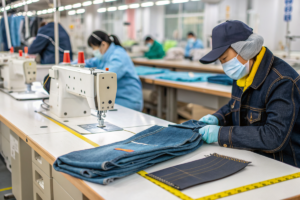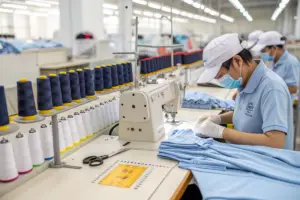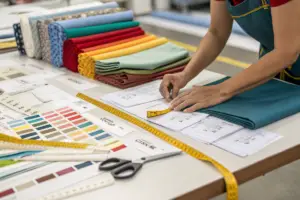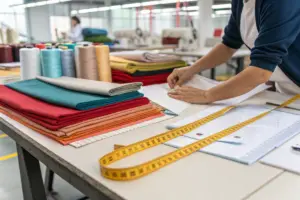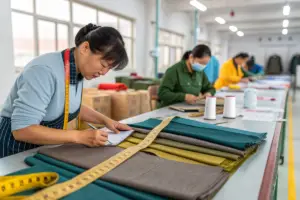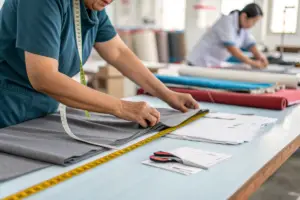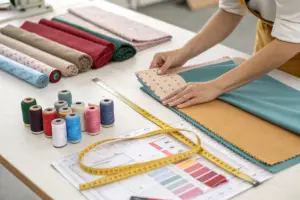
I have been in this business long enough to know that fabric is money. It is usually the single biggest cost in making a garment. For years, I watched factories treat fabric carelessly. They would cut layouts by hand, leaving big gaps of wasted material between pattern pieces. They would throw away end bits that were perfectly usable. This waste was not their problem. They simply added the cost of the wasted fabric to the buyer's price. A few years ago, a buyer from Chicago questioned our pricing. He said another factory was $0.50 per unit cheaper on a simple t-shirt order. I showed him our fabric utilization report. We were using 94% of the fabric. The cheaper factory was likely using 85% and passing that 9% waste cost on to him in hidden ways, like thinner fabric or lower quality. He stayed with us.
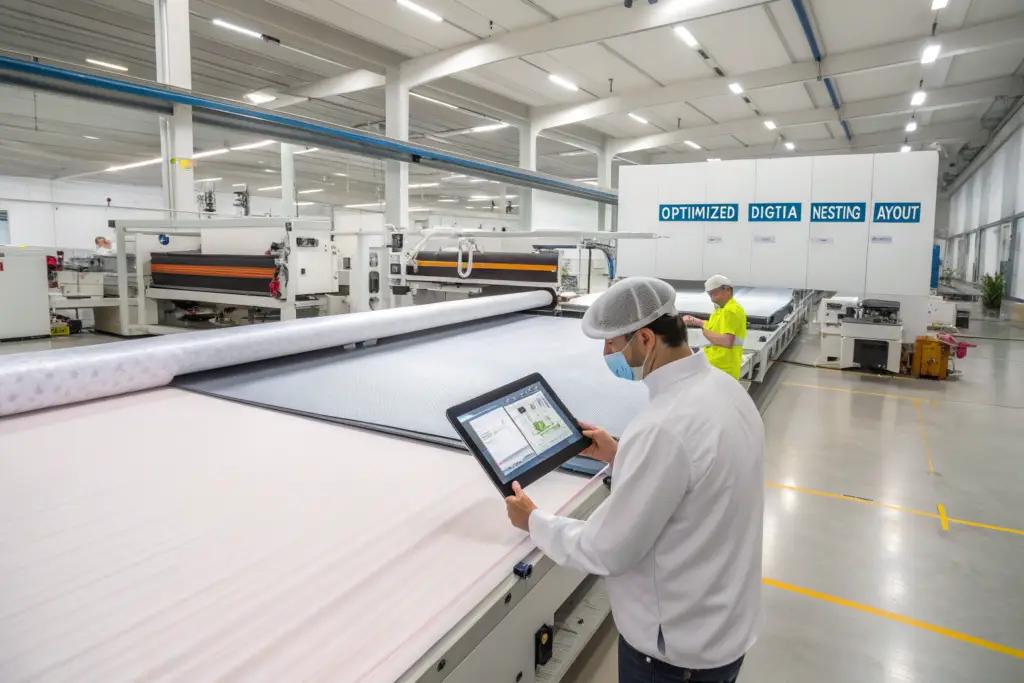
Our team manages fabric waste through a combination of advanced technology and old-fashioned discipline. We use automated nesting software to calculate the most efficient layout for every pattern piece. We carefully plan our cutting orders to use fabric rolls efficiently. We save and reuse larger fabric remnants for smaller parts like pockets or collars. These practices, which we call "lean manufacturing," directly reduce our material costs. And we pass those savings directly to you in our pricing.
My name is [Your Name], and I own Shanghai Fumao. We have five production lines, and every yard of fabric that enters our factory is treated like cash. Because it is. Managing waste is not just good for the environment; it is the secret to offering competitive pricing without sacrificing quality. Let me walk you through exactly how we do it.
How Does Digital Pattern Nesting Reduce Fabric Consumption?
The first step in saving fabric happens before a single piece is cut. It happens on a computer screen. In the old days, a marker maker would lay paper pattern pieces on a long table by hand, trying to fit them together. It was slow, and the result depended on the skill of one person. Today, we use powerful nesting software. This software calculates millions of possible arrangements in seconds. It finds the layout that uses the least amount of fabric.

What is marker efficiency and why does it matter?
Marker efficiency is the percentage of fabric actually used by the pattern pieces. If your marker efficiency is 90%, it means 10% of the fabric is wasted as gaps or edge trim. A 5% difference in marker efficiency on a large order can save thousands of dollars. Our team constantly works to improve this number. For a recent order of woven shirts for a client in Boston, we achieved 92% efficiency. The industry average for that style is around 87%. That 5% saving went directly into our client's pocket, either as a lower price or higher margin. This is a critical part of lean manufacturing principles. You can learn more about these principles from resources like the Lean Enterprise Institute. At Shanghai Fumao, we don't just accept the first layout the software gives us. Our experienced markers will often manually adjust it, using their eye, to squeeze out an extra 1% or 2% of savings. This combination of technology and human skill is hard to beat.
How do we handle complex pattern pieces?
Complex designs with unusual shapes, like curved panels or asymmetric details, are naturally harder to nest. There are more gaps. But our software is specifically designed for this. It can rotate and interlock pieces in ways a human eye might miss. For a complex activewear order from a California brand last year, the design had many small, oddly shaped panels. Our software nested them so efficiently that the fabric waste was only 2% higher than a simple t-shirt. The client was shocked. They had budgeted for much higher waste. This efficiency is why we can take on complex styles without dramatically increasing our prices. For more on the technology behind this, companies like Gerber Technology and Lectra are leaders in the field of automated cutting and nesting solutions.
What Happens To The Fabric Remnants After Cutting?
Even with the best nesting, cutting fabric always leaves remnants. The ends of rolls are too short for a full garment. The small gaps between pieces create scraps. In a wasteful factory, all of this goes into a bin and then to a landfill. In our factory, it is a resource. We have a system for capturing, sorting, and reusing these remnants. This system took years to develop, but it now saves our clients significant money.
How do we use remnants for smaller components?
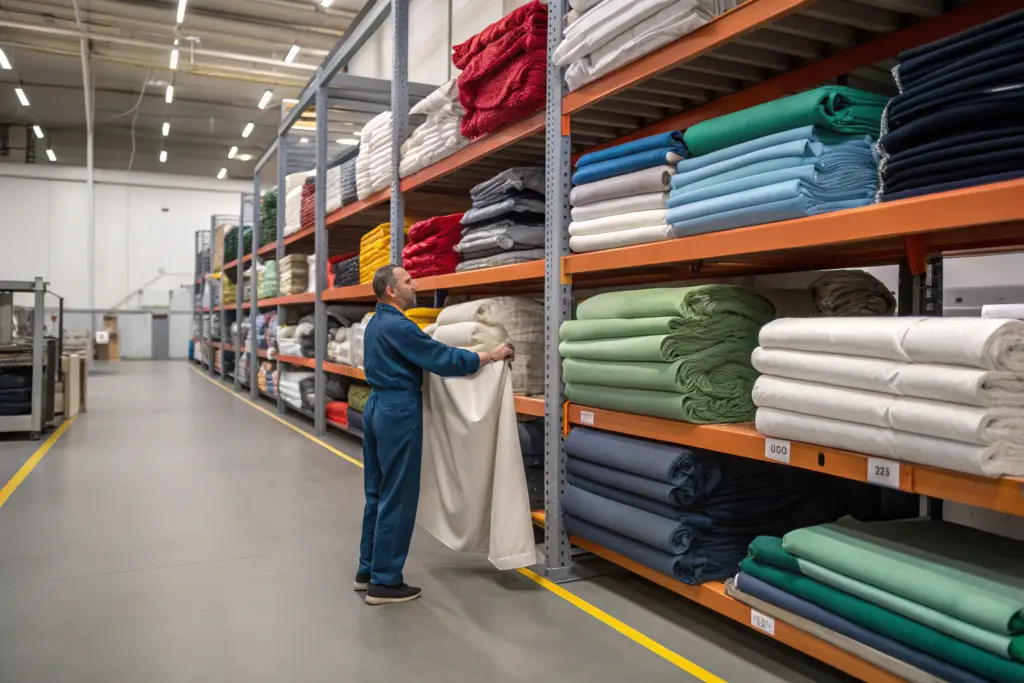
Many garments have small parts: pockets, collar stands, inside yokes, binding for seams. These parts do not need to be cut from the main fabric roll. They can often be cut from larger remnants left over from the main cutting. Our cutting room supervisors are trained to identify which remnants are large enough for which components. They store these remnants, sorted by color and fabric type, on dedicated shelves. When a new order comes in for a similar fabric, we check the remnant shelves first. For a client in Seattle who makes kids' wear, we often cut the pocket bags and waistband facings from remnants. This reduces the amount of new fabric we need to order for each production run. It lowers their material cost and our shared environmental footprint. This practice is a form of circular economy in manufacturing. You can explore this concept further on the Ellen MacArthur Foundation website.
What about fabric scraps that are too small?
Even the smallest scraps have a use. We have a partnership with a company that collects our fabric waste and recycles it. They shred the cotton and synthetic scraps and turn them into things like industrial padding, insulation material, or even new yarn for lower-grade textiles. This keeps waste out of landfills. It also sometimes generates a small rebate, which we factor back into our overall cost structure. A few years ago, a sustainable brand from Portland chose to work with us specifically because of our comprehensive waste management system. They were willing to pay a small premium, but our efficient systems actually made our pricing competitive. You can learn more about textile recycling initiatives from organizations like the Textile Exchange. This commitment to reducing waste is a core value for everyone at Shanghai Fumao.
How Does Fabric Sourcing Strategy Impact Waste And Cost?
Waste management does not start in the cutting room. It starts when we order the fabric. The way we source fabric, the quantities we order, and the widths we choose all affect how much fabric will be wasted later. A smart sourcing strategy can reduce waste before the fabric even arrives at our loading dock. We have learned this through years of experience and many mistakes.
Why does fabric width matter for waste?
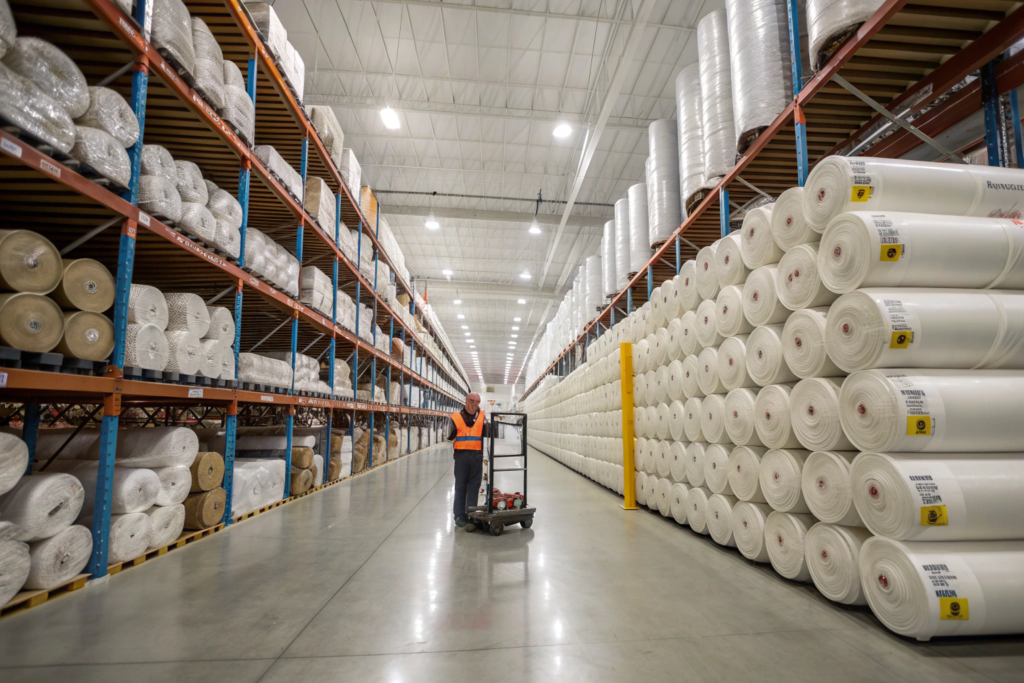
Fabric comes in different widths, usually from 36 inches to 60 inches or more. The width you choose must match your pattern pieces. If you order a narrow fabric for a wide pattern piece, you will have huge amounts of waste. Our sourcing team works with our cutting team to choose the optimal width for every order. For a client in New York who makes wide-legged trousers, we always source 60-inch fabric. A narrower width would force us to lay the pattern pieces in a less efficient way, increasing waste by up to 15%. We also consider the pattern repeat for prints. A large, complex repeat can force you to cut away more fabric to match the pattern at seams. We advise our clients on these trade-offs during the design phase. This kind of technical knowledge comes from deep experience in textile sourcing. You can find industry insights on platforms like Sourcing Journal.
How do we minimize waste from minimum order quantities?
Fabric mills have minimum order quantities (MOQs). Sometimes, the MOQ for a beautiful, rare fabric is larger than what you need for your order. This leaves you with leftover fabric. In a bad system, you pay for that extra fabric and it sits in a warehouse, unused. In our system, we have a network of other clients who might need that same fabric. If one client has a 50-yard remnant of a specific denim, we might be able to use it for another client's small-batch sample run or a limited-edition style. We also maintain a "deadstock" library. We tell our clients, "We have 200 yards of this premium cotton left from a previous order. If you can design a style using it, you can get it at a discount and with zero fabric lead time." A brand from Colorado did exactly that last year, creating a popular limited-edition jacket using our deadstock fabric. This approach is sometimes called deadstock sourcing, and it is a growing trend in sustainable fashion. You can read more about it on sites like Common Objective.
How Do Our Production Processes Prevent Rework And Waste?
The most expensive waste is the garment that is already sewn but has a defect. You have wasted the fabric, the thread, and the labor. Preventing defects is the ultimate waste reduction strategy. We have built quality checks into every step of our production process. This is not just about catching mistakes at the end. It is about preventing them from happening in the first place.
How do we ensure cutting accuracy?
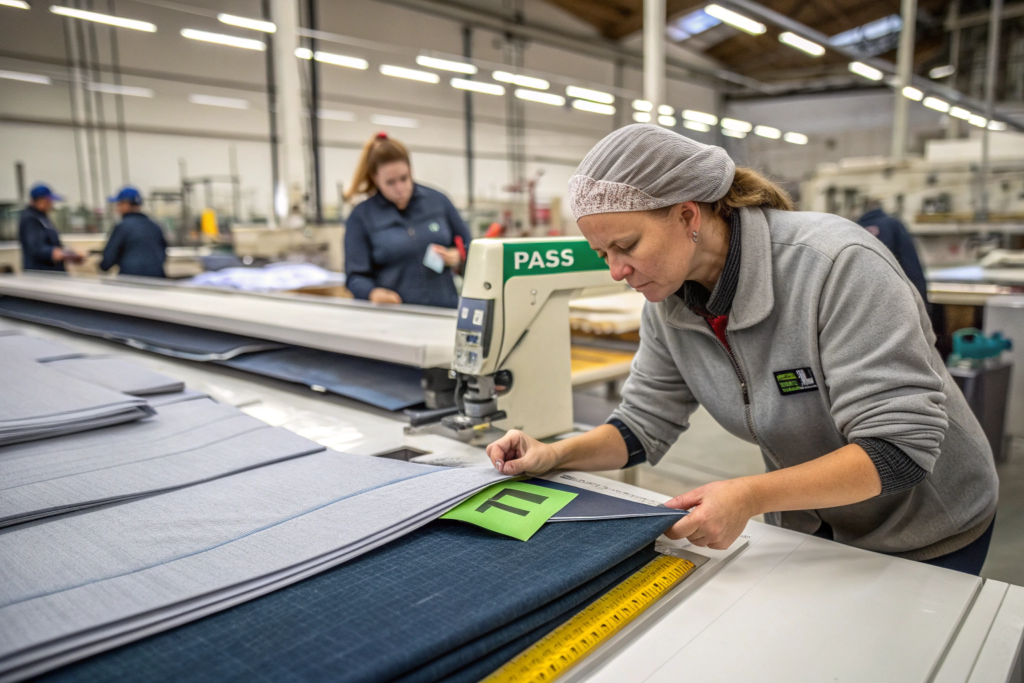
If the cutting is wrong, the whole garment is wrong. We use computer-controlled cutting machines for most of our orders. These machines follow the digital nest precisely, cutting through dozens of layers of fabric with laser accuracy. This eliminates human error in the cutting stage. After cutting, our team inspects the first few layers. We check that the notches are in the right place and that the pieces are cut smoothly. If we find a problem, we stop and fix the machine before cutting the whole order. This is called "first-piece inspection." It saves us from cutting 500 pieces with the same error. For a client in Texas last year, this first-piece inspection caught a software glitch that would have mis-cut all the collars on a 1,000-piece order. We fixed it in five minutes and lost almost no fabric. This precision is a hallmark of modern automated cutting systems. Companies like Eastman Machine Company are leaders in this technology.
How does operator training reduce sewing mistakes?
A skilled sewer makes fewer mistakes. This sounds obvious, but it is often overlooked. Factories that chase low prices often hire untrained workers and pay them per piece. These workers rush, and they make mistakes. The mistakes lead to rework, which wastes time and can damage the fabric if seams are picked out. We invest heavily in training. Our operators are cross-trained on multiple machines and on different types of garments. They understand why quality matters. They are empowered to stop the line if they see a problem. This culture of quality means our first-pass yield (the percentage of garments that pass inspection the first time) is consistently above 98%. This low rate of rework saves fabric and labor, which helps us keep our prices competitive. For more on the importance of workforce development, the National Council of Textile Organizations offers insights into the industry's skilled labor needs.
Conclusion
Competitive pricing is not magic. It is not about squeezing workers or using cheap materials. At its best, it is about efficiency. It is about using every inch of fabric wisely. It is about planning cuts to minimize waste. It is about reusing remnants. It is about sourcing smartly. And it is about training people to do the job right the first time. Every yard of fabric we save is a dollar we do not have to charge you. This is the philosophy that drives our factory every single day.
At Shanghai Fumao, we have spent years perfecting these waste-reduction techniques. We use the latest nesting software to maximize marker efficiency. We have a remnant program that turns potential waste into valuable resources. We advise our clients on fabric choices that save money before production starts. And our skilled team ensures that mistakes are rare, not routine. We helped a sustainable brand from Oregon reduce its fabric costs by 8% simply by optimizing their marker and using remnants for components. We guided a new designer from New York through a fabric selection that was both beautiful and efficient to cut, saving her hundreds of dollars on her first small batch.
If you are looking for a partner who will treat your fabric budget as carefully as you do, let's talk. Let us show you how our efficient systems can deliver the quality you need at a price that makes sense. Please contact our Business Director, Elaine, at elaine@fumaoclothing.com to start a conversation about your next collection.