The question of integrating technology with eco-friendly materials in performance wear is hot. As an apparel manufacturer, I hear this often from U.S. brand clients exploring the high-end ski market. They want heated vests or moisture-sensing linings, but also demand clean, safe materials backed by trusted certifications. It seems like a complex puzzle.
Yes, smart textiles in ski suits can absolutely achieve OEKO-TEX certification, but the path requires careful selection of both the electronic components and the base fabrics from the very beginning of the development process. The certification assesses the final product for harmful substances, and any integrated tech becomes part of that assessment.
The fusion of smart technology and sustainable certification is not just a trend; it’s becoming a market necessity. Brands that successfully merge these elements can command premium prices and build stronger customer loyalty. Let’s break down how this is practically achieved.
What Are the Key Challenges in Certifying Heated Ski Wear?
Brands see the potential in heated apparel but worry about hidden compliance hurdles. The main fear is that adding electronics will automatically void or complicate eco-certifications. This concern can stall innovative projects.
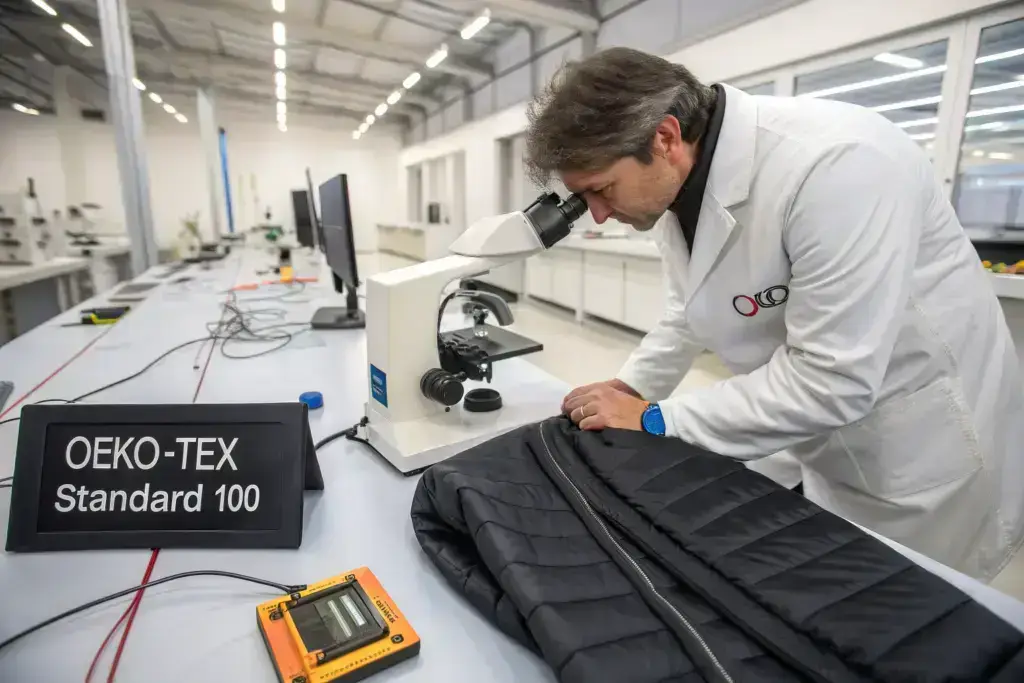
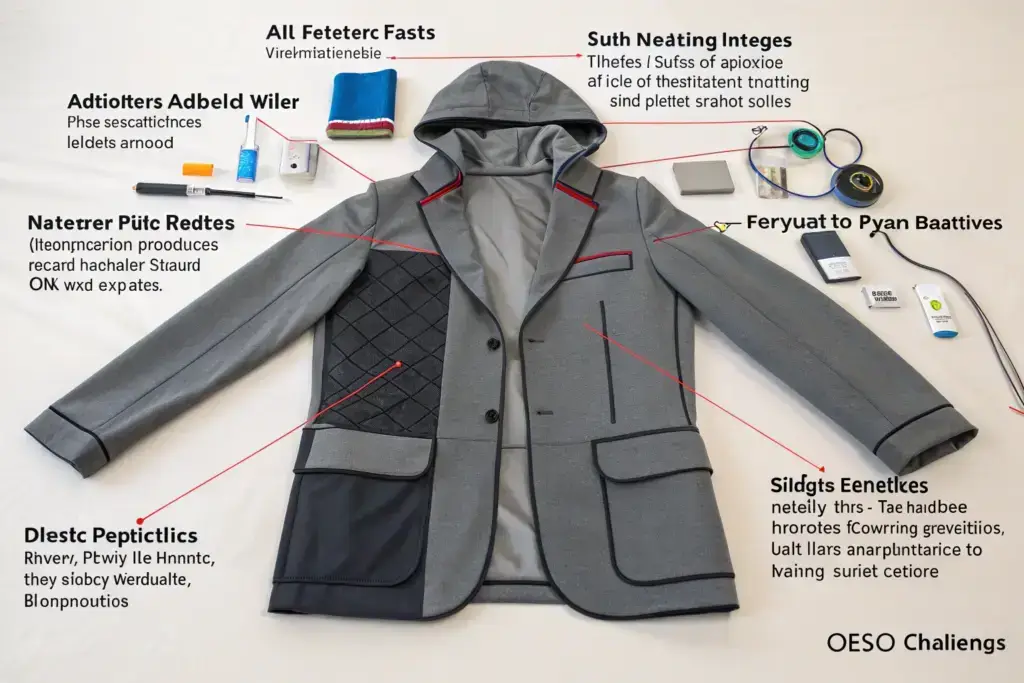
The core challenge is that OEKO-TEX testing laboratories treat the entire finished product as a single entity. This means the heating elements, wiring, batteries, and their adhesives are all subject to the same rigorous tests for harmful substances as the polyester, nylon, or membranes. A failure in one component fails the entire suit.
How Do Heating Elements Impact Toxicological Testing?
Traditional heating wires might use coatings or alloys that contain restricted substances like nickel or certain heavy metals. Under the OEKO-TEX Standard 100 criteria, these substances have strict limit values. For instance, we once developed a prototype heated vest for a Colorado-based brand. The initial carbon fiber heating pads we sourced triggered concerns over antimony trioxide, a common flame retardant. We had to work back with the component supplier to source a purer, uncoated carbon fiber variant. The process added three weeks to development but was non-negotiable for certification. It’s crucial to engage with your smart textile supplier early, providing them with the OEKO-TEX limit value requirements to ensure their components are compliant from the start.
What About Batteries and Electrical Interfaces?
The battery pack and its housing are often overlooked. These plastic or metal casings, along with soldering points on circuit boards, can contain phthalates (plasticizers) or lead. OEKO-TEX certification requires these parts to be tested. A practical solution is to design the ski suit so that the battery pack is removable and not permanently attached to the textile during the certification test. However, any fabric pocket or holder that is part of the garment and intended to hold the battery is tested. We advise clients to select battery suppliers who can provide a Declaration of Conformity or material safety sheets that pre-verify compliance with OEKO-TEX’s extensive list of regulated substances.
Which OEKO-TEX Standard is Right for Smart Ski Apparel?
Choosing the wrong certification class is a common mistake that wastes time and money. There are different OEKO-TEX product classes, and smart ski suits usually fall into a specific category.
For most smart ski suits, especially those with integrated electronics, Product Class I or II is typically applicable. Product Class I is for articles for babies and toddlers, which is rarely the case for ski wear. Product Class II is for articles worn close to the skin, which includes the inner lining of a ski suit. If the smart textile (like a conductive thread for sensing) is in direct and prolonged contact with the skin, the stricter limits of Class II apply.
Product Class II vs. Class IV: What’s the Difference?
| Feature | Product Class II (e.g., ski suit lining) | Product Class IV (e.g., decorative textiles) |
|---|---|---|
| Definition | Articles used in direct skin contact | Furnishing materials |
| Skin Contact | Large surface, prolonged | Little to no direct skin contact |
| Limit Values | Stricter (more conservative) | Less strict |
| Example in Ski Suit | Inner lining, moisture-wicking base layer fabric | Outer shell fabric (if not touching skin) |
| Key Takeaway | Smart elements touching skin must meet this class. | Usually not relevant for wearable electronics. |
Does the "Made in Green" Label Add Value?
Beyond Standard 100, the OEKO-TEX Made in Green label is a powerful addition. It not only certifies product safety but also tracesable, sustainable production at environmentally friendly facilities. For a tech-forward brand, this adds a compelling storytelling layer. It tells consumers their high-performance heated jacket is also made responsibly. Achieving this requires your manufacturing partner, like us at Shanghai Fumao, to have our production sites audited for environmental and social standards, which we have actively pursued to meet the demands of leading U.S. brands.
How to Source OEKO-TEX Certified Fabrics for Smart Integration?
Starting with pre-certified materials is the single most effective way to streamline the process. It reduces risk and testing time significantly.
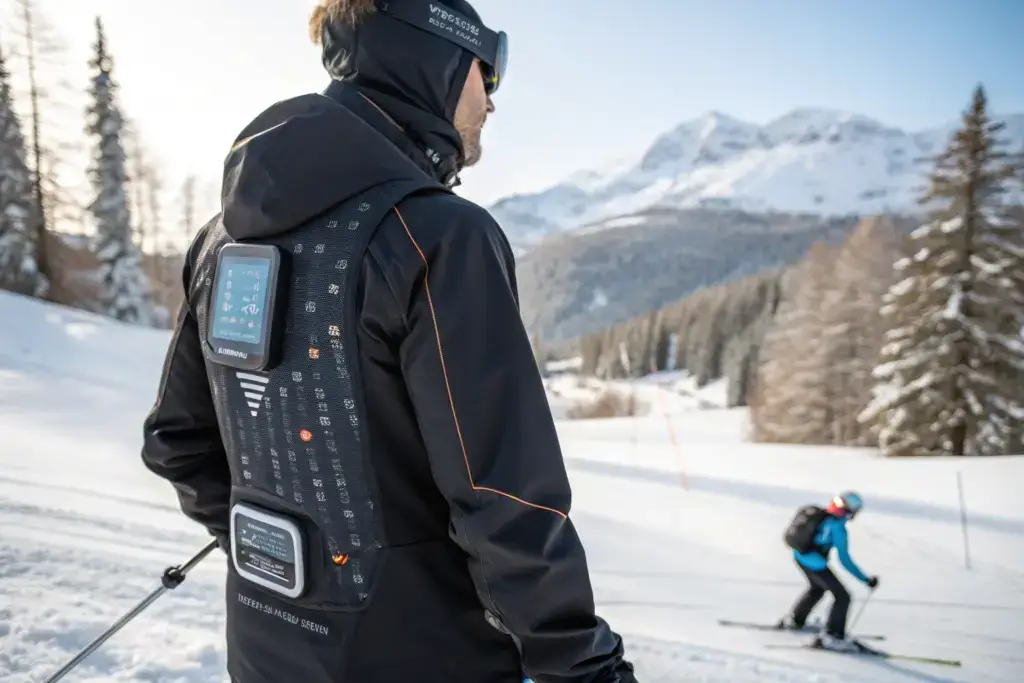
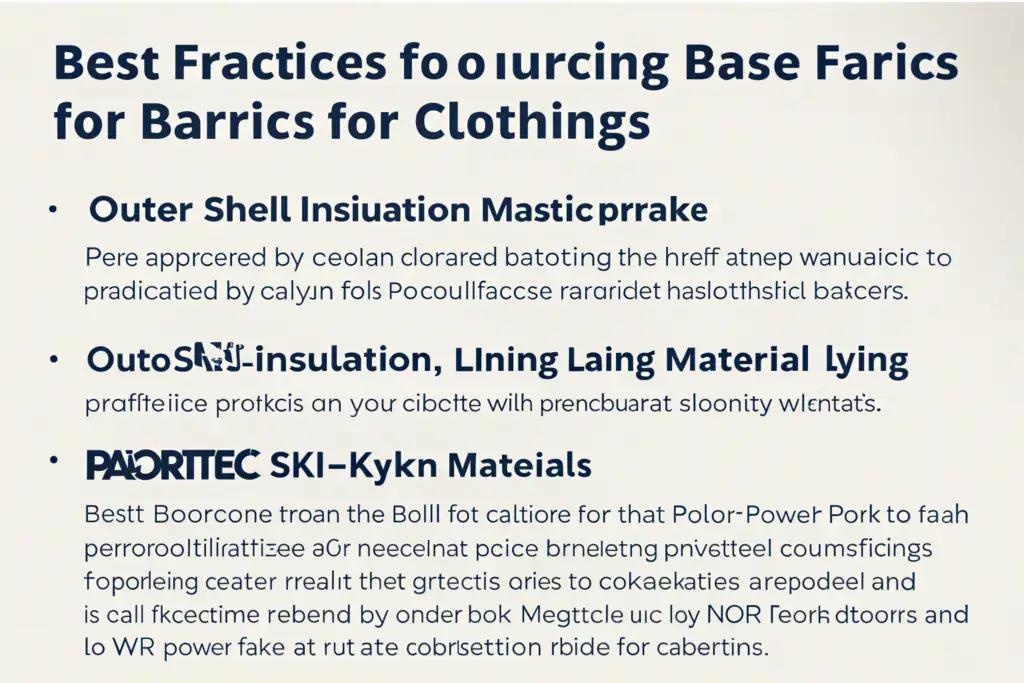
The best practice is to source your base fabrics (outer shell, insulation, lining) from mills that already hold valid OEKO-TEX Standard 100 certificates for those specific materials. Request and archive the official certificate copies. Last year, we partnered with a startup creating biometric-monitoring ski jackets. By using a pre-certified Polartec Power Grid fabric for the lining and a certified perfluorocarbon-free DWR treated nylon for the shell, we eliminated 60% of the potential certification variables before we even began integrating the sensors.
Where Can You Find Reliable Certified Fabric Suppliers?
Reputable global fabric fairs like Première Vision or Performance Days are excellent starting points. Most serious fabric exhibitors there will have OEKO-TEX or bluesign certifications readily available. When sourcing, always ask for the specific certificate number matching the fabric article number you are ordering. A general company certificate is not enough. We maintain a vetted database of such suppliers, which allows us at Shanghai Fumao to offer clients a "Certification-Forward Development" package, dramatically simplifying their path to market.
Can You Certify the Entire "Smart System" Separately?
This is an advanced strategy. While the final garment needs a single certificate, getting sub-components pre-screened is wise. Some specialized electronics manufacturers for wearable tech are beginning to offer components with ISO 10993 (biocompatibility) test reports or even tailored OEKO-TEX screening. While not a full replacement, these reports provide strong preliminary evidence and build confidence before the final, comprehensive OEKO-TEX test on the complete assembled ski suit. We recommend this step-for-step approach for any brand investing in complex smart clothing.
What is the Step-by-Step Certification Process with a Manufacturer?
Understanding the timeline and responsibilities is key to planning a successful product launch. The process is collaborative between the brand, the manufacturer, and the testing institute.
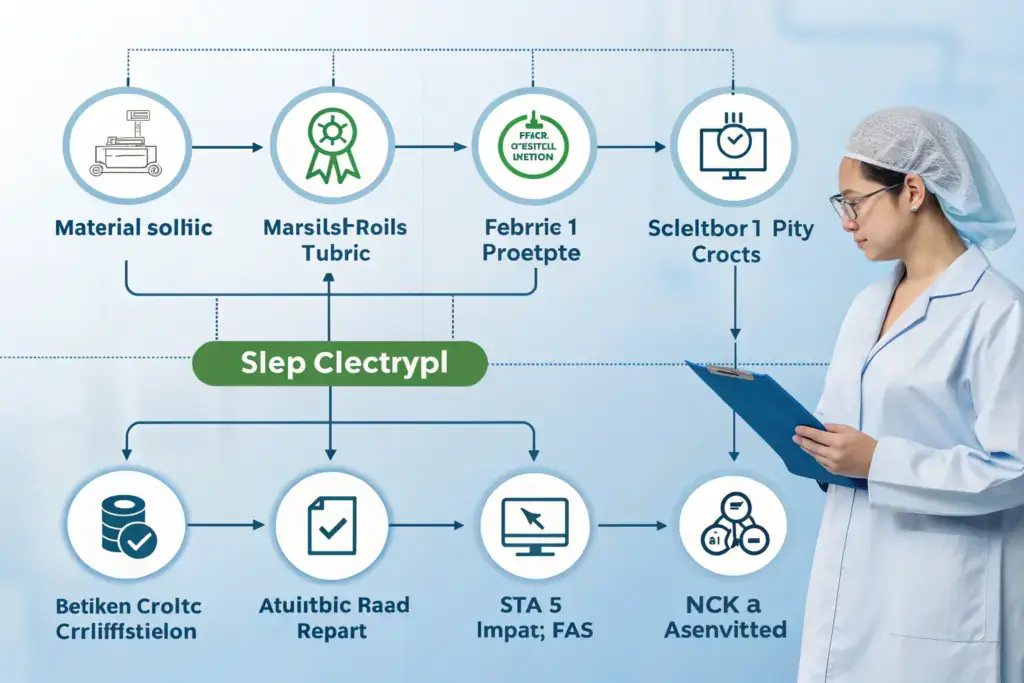
The process involves five key stages: material pre-qualification, sample assembly, laboratory testing, report review, and label licensing. Clear communication with your manufacturing partner at each stage is critical to avoid delays. For example, a client from Seattle once sent us a new batch of conductive yarn midway through development without disclosing a change in the dye process. This caused a retest and a two-week delay. Transparency is everything.
Who Manages the Laboratory Submission and Communication?
A competent full-package manufacturer should handle this. At Shanghai Fumao, we take the lead. We prepare the necessary application forms, cut the standardized test samples from the production-ready prototype, and ship them directly to an authorized OEKO-TEX institute (like Hohenstein or TESTEX). We act as the liaison, translating technical queries and results for our clients. This removes a massive logistical burden from the brand, especially for those new to the apparel manufacturing landscape in Asia. Our experience ensures the samples are prepared correctly the first time, avoiding costly rejections.
How Long Does OEKO-TEX Certification Really Take?
Clients often underestimate the timeline. Here’s a realistic breakdown based on our recent projects:
Typical Timeline for a New Smart Ski Suit:
- Material Verification & Pre-check: 1-2 weeks (can be parallel to development)
- Production of Test Samples: 1 week (after final prototype sign-off)
- Laboratory Testing Duration: 3-4 weeks (the official standard processing time)
- Report Issuance & Label Purchase: 1 week
Total (from sample-ready to certificate): 6-8 weeks. This must be factored into the critical path of your production schedule. Rushing this process is not possible without risking the integrity of the certification.
Conclusion
Navigating OEKO-TEX certification for smart ski wear is undoubtedly more complex than for standard garments, but it is a perfectly achievable and commercially vital goal. The key lies in proactive planning: selecting compliant base materials and electronic components from the outset, understanding the relevant product class, and partnering with a manufacturer experienced in guiding tech-integrated apparel through the certification maze. This diligence protects your brand, ensures consumer safety, and unlocks the ability to market a truly innovative and responsible product.
Successfully bringing a certified smart ski suit to market demonstrates a brand’s commitment to both innovation and consumer well-being. It’s a powerful combination that resonates deeply in today’s market. If you are developing the next generation of performance ski apparel and want to ensure it meets the highest safety standards without compromising on technology, let’s talk. We can help you navigate every step. For a detailed consultation on your specific project, please contact our Business Director Elaine at elaine@fumaoclothing.com.