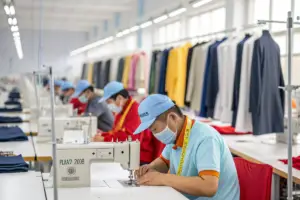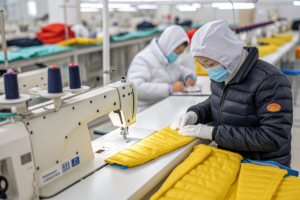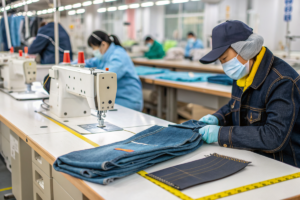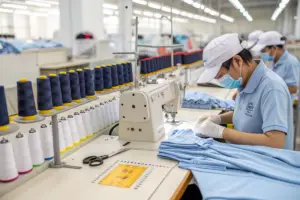
Imagine you’ve just received a large shipment of golf polo shirts for your brand. The colors are vibrant, and the fabric feels perfect. But after the first customer wash, the colors bleed, and the seams start to come apart. The financial loss and damage to your brand’s reputation are severe. This nightmare scenario is why understanding golf polo shirt certification is non-negotiable.
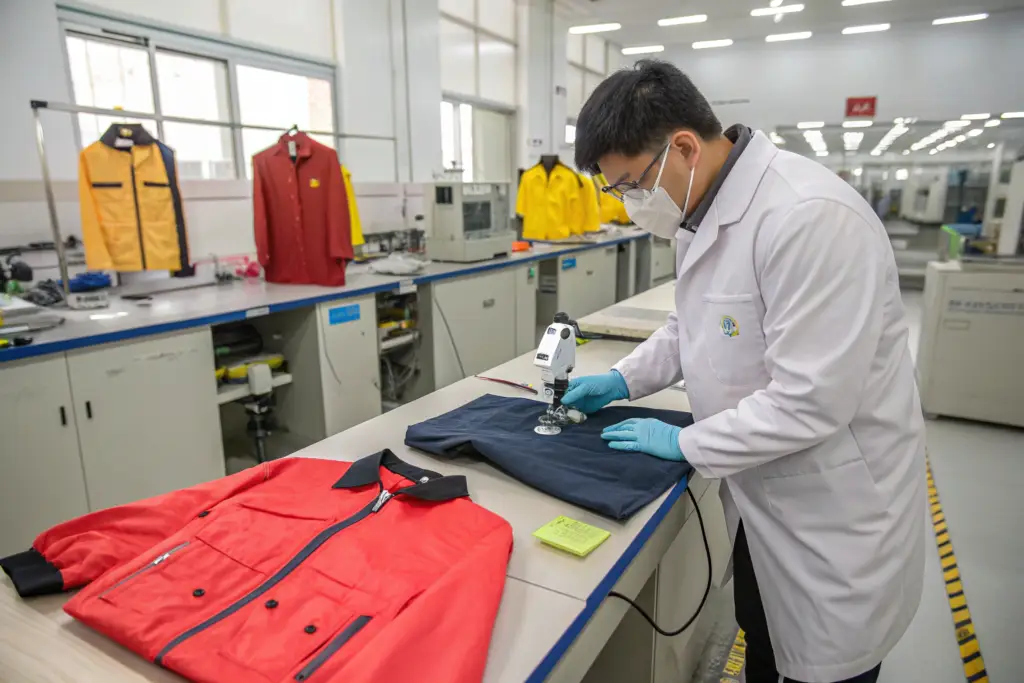
Certification testing is a systematic, laboratory-driven process that evaluates a garment against specific performance, safety, and quality standards to ensure it meets market requirements and consumer expectations. It involves a series of standardized physical, chemical, and visual tests conducted on fabric and finished garments.
For brand owners and buyers sourcing from manufacturers worldwide, these tests are your primary shield against product failure. As a partner to many U.S. brands, we at Shanghai Fumao see certification not as a cost, but as a critical investment in brand protection and customer trust. Let's break down exactly what these procedures entail so you can source with confidence.
What physical durability tests are performed on golf polo shirts?
When you sell a premium golf polo, customers expect it to last through many rounds and washes. Physical durability tests simulate real-world wear and tear to predict the garment's lifespan. This is the first line of defense against returns and complaints.
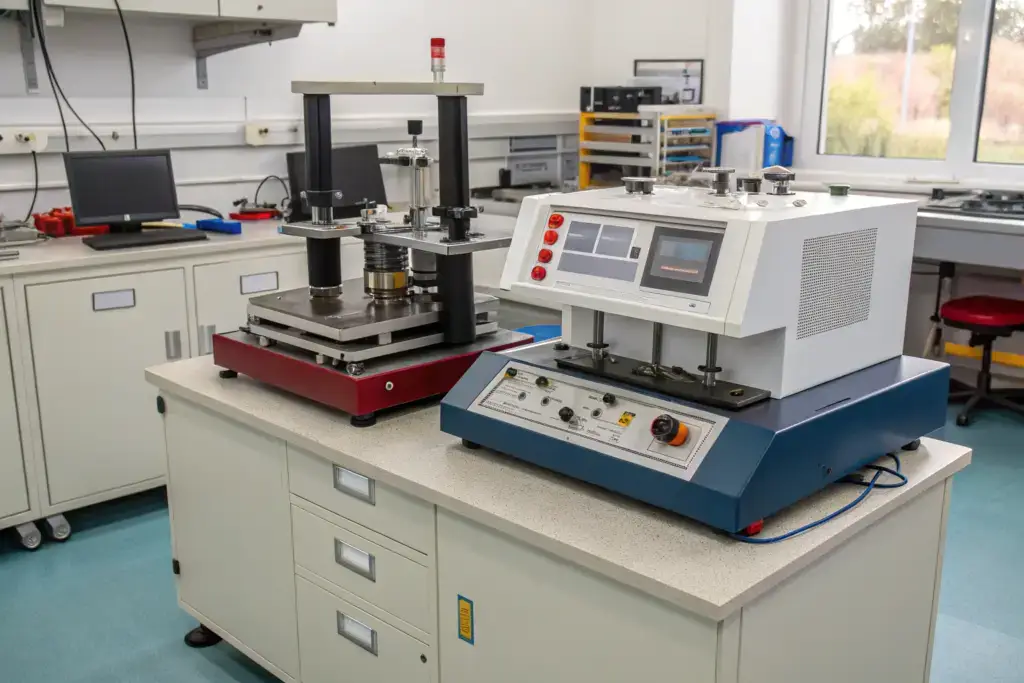
Key physical tests include pilling resistance, seam strength, and tensile strength, which collectively assess how the fabric and construction will hold up under repeated use. For example, a common standard like ASTM D4970 measures pilling using a Martindale tester. We once worked with a Florida-based brand that had consistent pilling complaints. By insisting on a higher-grade pilling resistance test (4+ on the ASTM scale) during our Shanghai Fumao production process, we helped them reduce related returns by over 60% in a single season.
How is colorfastness evaluated for different exposures?
Color fading or bleeding can ruin a garment's appearance instantly. Colorfastness testing isn't a single test but a battery of tests for different conditions. The main exposures tested are washing, rubbing (crocking), perspiration, and light. For a golf polo, which faces sweat and sun, the latter two are especially critical. AATCC 61 (wash fastness) and AATCC 16 (light fastness) are foundational standards. In our lab, we conduct a pre-production test where fabric samples are immersed in artificial acidic and alkaline sweat solutions (AATCC 15) for hours to check for color transfer. This proactive step identified a dye instability issue last spring, allowing us to fix it before bulk production for a Texas-based client, saving them from a potential 5,000-unit recall.
What checks ensure dimensional stability and fit consistency?
Nothing frustrates a customer more than a shirt that shrinks or stretches out of shape after laundering. Dimensional stability tests, often called shrinkage tests, are vital. The standard procedure involves precisely marking a garment, subjecting it to a controlled washing and drying cycle (following AATCC 135), and then measuring the change in dimensions. It's not just about "shrinkage." We also check for growth, particularly in knitted fabrics like pique or jersey used in polos. For a major Midwest distributor, we implemented a three-wash-cycle test protocol to ensure their polos maintained fit after repeated laundering, which became a key selling point for their customer base. Reliable garment fit and consistent sizing are impossible without these controlled tests.
Which chemical safety standards must golf apparel comply with?
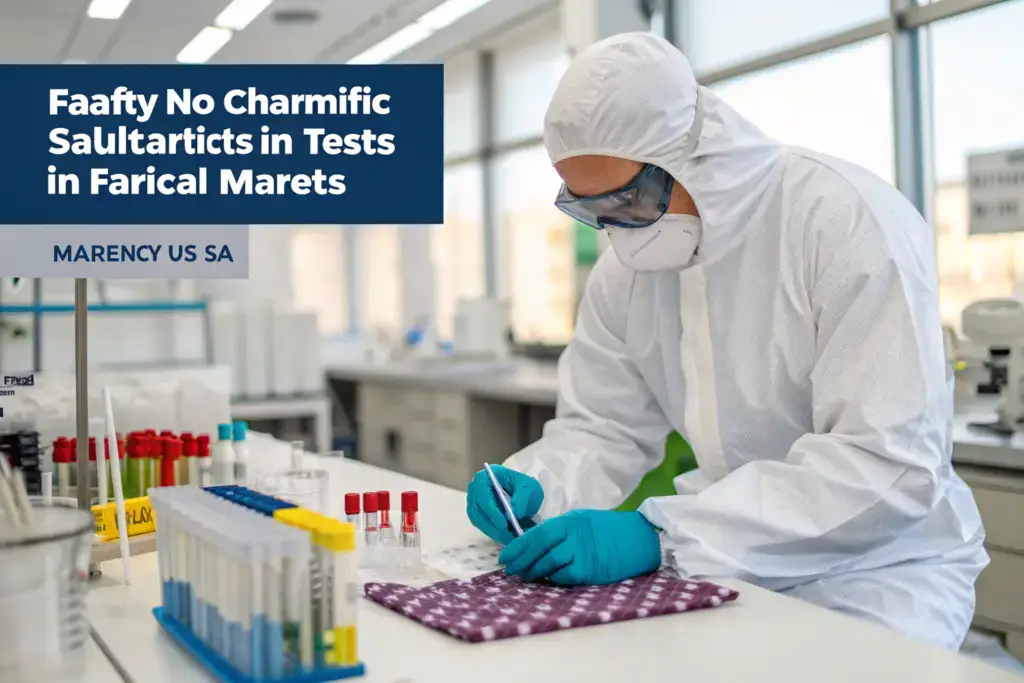
Beyond physical performance, safety is paramount. Chemical tests ensure that no harmful substances remain in the fabric that could irritate the skin or pose broader health risks. This area is heavily regulated, especially for markets like the U.S. and EU.
Compliance with standards like OEKO-TEX® STANDARD 100 or adherence to CPSIA (Consumer Product Safety Improvement Act) limits for the U.S. market is mandatory. These regulate substances like pH value, formaldehyde, and heavy metals. A certificate from a reputable lab like SGS or Intertek is your proof of compliance. We learned this lesson early on. About three years ago, a shipment for a startup brand was held at U.S. customs because of incomplete chemical test documentation. Since then, Shanghai Fumao has mandated full chemical compliance pre-shipment testing for every order, regardless of size, turning a past pain point into a core operational strength.
How are restricted substances like formaldehyde and pH levels tested?
These tests use precise chemical analysis. For pH (AATCC 81), a fabric sample is dissolved in distilled water, and the solution's acidity/alkalinity is measured with a pH meter. Skin-friendly ranges (typically 4.0-7.5 for most apparel) are crucial. Formaldehyde testing (AATCC 112) involves placing the fabric in a sealed jar with water; the released formaldehyde gas is absorbed into water and analyzed. Unscrupulous suppliers might falsify these reports, which is a major pain point for buyers like you. The solution is to use a "third-party, witness testing" protocol. We advise our partners to nominate an accredited lab, and we send samples directly there, with the report going to the client. This eliminates fraud.
Why is fiber composition verification crucial for branding and care?
Mislabeling fiber content is a legal offense (e.g., FTC violations in the U.S.). If a shirt is advertised as 100% premium cotton but contains polyester, it affects breathability, care, and consumer trust. Verification is done through quantitative chemical analysis (like AATCC 20A), where different fibers are dissolved using specific solvents. We once audited a potential sub-supplier who claimed to use a special moisture-wicking fiber blend. Our in-house verification test revealed the blend ratio was off by 15%, which would have compromised the performance marketing claims of our Oregon-based activewear client. Accurate fiber content analysis protects your brand from regulatory fines and misleading advertising claims.
| Key Chemical Test | Standard Method (e.g., AATCC) | Common Limit/Requirement | Primary Risk if Failed |
|---|---|---|---|
| pH Value | AATCC 81 | 4.0 - 7.5 (for most apparel) | Skin irritation, fabric damage |
| Formaldehyde (Free) | AATCC 112 | < 75 ppm (for direct skin contact) | Carcinogenic risk, skin allergies |
| Heavy Metals (e.g., Lead) | CPSC-CH-E1001-09.3 | < 90 ppm (for surface coatings) | Toxicity, especially for children |
| AZO Dyes (Banned Amines) | EN 14362-1 | Not Detected | Carcinogenic risk |
How is performance for moisture management and UV protection validated?
Modern golf polos are marketed on performance features like keeping the wearer dry and protected from the sun. These are not just marketing claims; they must be validated with empirical data.
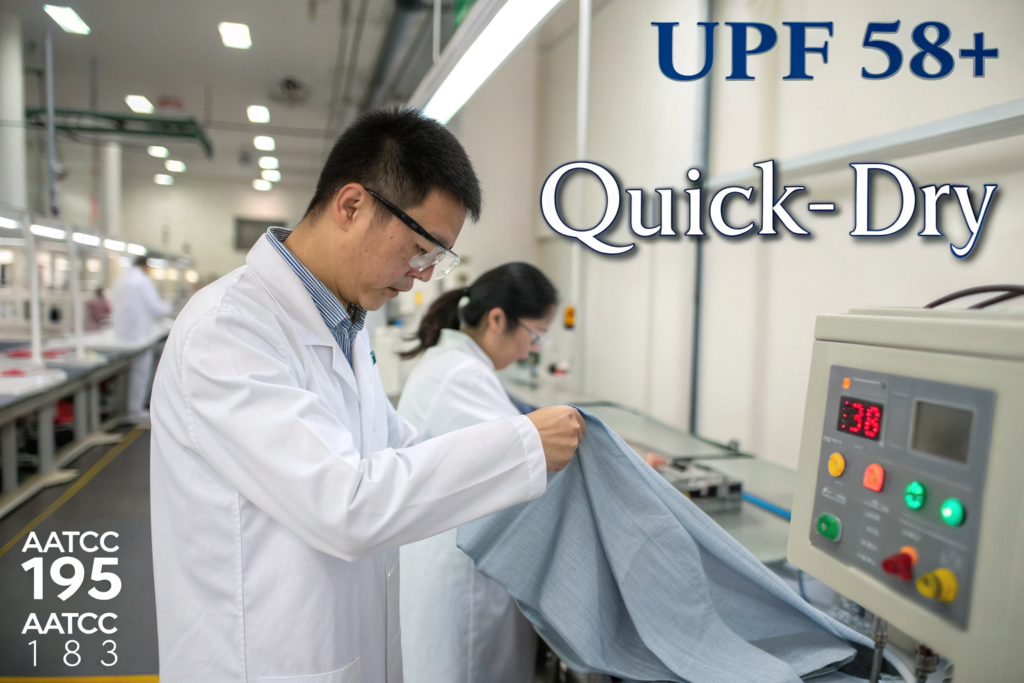
Moisture management is validated through tests like AATCC 195, which measures liquid moisture transport properties, while UV protection is rated via standards like AATCC 183 or AS/NZS 4399, resulting in a UPF (Ultraviolet Protection Factor) rating. A shirt claiming "quick-dry" properties must show rapid moisture spreading and evaporation in the lab. For instance, we developed a proprietary fabric blend for a golf brand in Arizona. To substantiate their "UPF 50+" claim, we sent fabric samples to an ISO 17025 accredited lab for testing. The detailed report, showing a UPF rating of 58+, became a powerful tool for their marketing and increased their wholesale order by 30% for the next season.
What tests measure breathability and drying speed?
Breathability, or air permeability, is measured using a standard like ASTM D737, where air is forced through a fabric sample under pressure. Drying speed is often assessed by measuring the weight loss of a saturated sample over time under controlled conditions (e.g., AATCC 201). These are critical for comfort during active wear. A common mistake is focusing only on the fabric weight. A lightweight fabric can still have poor breathability if the weave is too tight. We recommend buyers ask for specific test data, not just a fabric description.
How do labs assign UPF ratings to fabrics?
UPF testing involves exposing a fabric sample to a spectrum of UV light and measuring how much passes through it using a spectrophotometer. The rating (UPF 15, 30, 50, 50+) indicates what fraction of UV rays are blocked. For example, UPF 50 means only 1/50th (2%) of UV radiation passes through. It's important to note that this testing should be done on both new and laundered garments, as wear and washing can affect the rating. Reliable manufacturers like Shanghai Fumao will conduct tests after 20-30 washes to ensure the claim remains valid for the product's life. Understanding this UPF testing process helps you ask the right questions to your supplier.
What does the full certification process and audit trail look like?
The testing procedures themselves are only part of the story. A trustworthy certification process is embedded throughout the production cycle and leaves a clear, verifiable audit trail. This systematic approach is what separates reliable partners from risky ones.
A comprehensive process spans from raw material approval through in-production checks to final pre-shipment random sampling, all documented with verifiable reports from accredited laboratories. This layered approach catches issues at the earliest, least costly stage. Our Shanghai Fumao internal protocol mandates a "Golden Sample" approval. Before bulk fabric cutting, we produce a complete sample from the approved fabric and trims, subject it to a full battery of tests, and only upon client sign-off do we proceed. This sample becomes the benchmark for the entire order.
Why is in-process quality control (IPQC) vital alongside final lab tests?
Final lab tests on finished goods are a snapshot, but IPQC is the continuous monitoring that ensures consistency. IPQC involves checking seam quality, measurements, workmanship, and accessories on the production line. A shirt that passes a final strength test might still have inconsistent stitching tension that fails in the field. IPQC acts as the real-time filter. We integrate IPQC data with our final quality inspection reports, creating a full picture for our clients. This dual-layer system helped us maintain a defect rate below 0.8% for a demanding European retailer over the past two years.
How can buyers verify the authenticity of test reports?
Falsified certificates are a serious pain point. Verification is straightforward but often overlooked. First, ensure the report is from an internationally recognized, accredited lab (like SGS, BV, Intertek, or TÜV). Second, check the report number—most labs have online verification portals where you can enter the number to see the authentic report. Third, match the details: Is the supplier's name exactly as listed? Are the product description and test date correct? We encourage all our clients to verify our reports. Providing transparent, verifiable documentation builds the trust that long-term partnerships are built on.
Conclusion
Navigating the maze of golf polo shirt certification testing is complex but fundamental to your sourcing success. From physical durability and chemical safety to performance validation and a robust audit process, each test is a checkpoint that safeguards your investment and your brand's reputation. As a business owner, you need a manufacturing partner who doesn't just perform these tests but integrates them into a transparent, communicative workflow. This turns certification from a bureaucratic hurdle into a strategic asset.
Don't let unclear testing procedures or unreliable reports become the weak link in your supply chain. Partner with a factory that prioritizes verifiable quality at every step. Let Shanghai Fumao be your trusted extension. We provide the clarity, documentation, and commitment to quality you need to bring premium, compliant apparel to market with confidence. To discuss how we can manage the certification process for your next golf polo order, please contact our Business Director, Elaine, at elaine@fumaoclothing.com. We are ready to help you succeed.