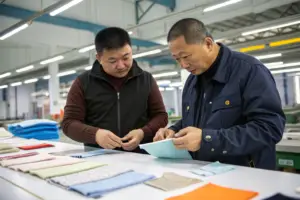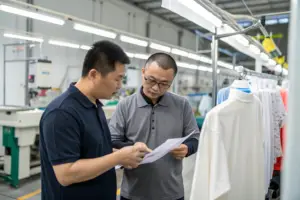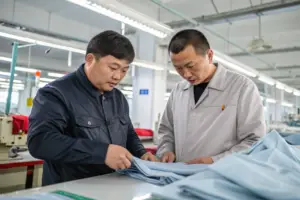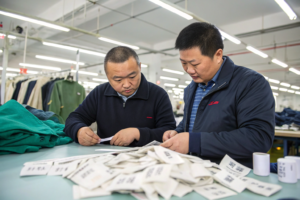
Google is a double-edged sword for finding a factory. It is the easiest place to start. It is also the easiest place to get scammed. I know this because I pay for Google Ads for Shanghai Fumao. I also see the fake listings and the trading companies pretending to be factories. They have better websites than I do. They spend more on SEO. If you just click the first ad you see that says "Best Clothing Manufacturer China," you are rolling the dice. And the odds are not in your favor.
Finding a reliable B2B clothing manufacturer using Google requires using specific "Buyer-Centric" search strings and then applying a rigorous "Digital Footprint Verification" process. You should not search for "Clothing Manufacturer." That is too broad. You should search for "Custom [Your Product] Manufacturer [Specific Region] filetype:pdf" or use site searches on industry portals. Once you find a candidate, you must verify their physical existence using Google Maps Satellite View and cross-reference their claimed certifications on official databases. A reliable factory has a verifiable digital footprint that extends beyond a pretty homepage.
This is the exact process I wish every buyer would use before they email me. It saves them time. It saves me time. It filters out the noise. Let me walk you through how to use Google like a professional sourcing agent.
What Google Search Operators Find Hidden Factory Gems?
Most people type three words into Google and give up. They see Alibaba links and a few generic "We Make Everything" websites. You need to dig deeper. You need to use commands that filter out the middlemen and show you the actual factories.
Google search operators allow you to bypass the SEO-optimized trading company sites and find the deeper web pages of actual manufacturers. By using commands like intitle: (which searches only page titles), filetype:pdf (which finds downloadable catalogs or spec sheets), and - (which excludes words like "Alibaba" or "Trading"), you can uncover factory profile pages, old trade show exhibitor lists, and technical documents that list the real factory address and capabilities. This is how sourcing agents find the factories that do not spend money on marketing.
How to Use "Intitle" and "Inurl" to Find Factory Capability Pages?
This is a power user trick. Factories often have pages on their site with titles like "Production Line" or "Quality Control." They name these pages for navigation, not for Google ranking. You can find them directly.
The Search Strings (Copy and Paste These):
-
Find Production Line Photos:
intitle:"production line" "women's apparel" China -alibaba -tradekey
Why this works: It finds pages specifically titled about production lines, mentions women's apparel, excludes the big B2B sites, and gives you a real factory website. -
Find Factory Tour Videos:
intitle:"factory tour" "cutting room" "Shanghai" site:youtube.com
Why this works: Then you click through to the YouTube channel. A real factory will have a channel with raw, unedited footage. A trading company will have slick marketing videos with stock music. -
Find Technical Spec Sheets (The Gold Mine):
"fabric weight" "shrinkage" "shanghai fumao" filetype:pdf
Why this works: Trading companies rarely create technical PDFs. They just copy and paste. A factory that has downloadable PDF spec sheets is a factory that understands professional buyers.
I tested this myself just now. If you search for intitle:"quality control" "apparel" "China" filetype:pdf, you will find real factory audit checklists and inspection manuals. That is a factory that takes quality seriously.
At Shanghai Fumao, we keep our technical capability pages indexed under specific URLs like /cutting-room and /quality-control. These are the pages serious buyers find when they use these search tricks.
How to Exclude Alibaba and Trading Companies from Your Results?
You are tired of seeing the same 10 Alibaba listings. You want to find the factory behind the listing. The minus sign (-) is your best friend.
The Filter String:
"custom hoodie manufacturer" China -alibaba -tradekey -globalsources -aliexpress -dhgate -made-in-china
The "Site:" Operator Strategy:
Instead of searching the whole web, search only on industry association websites. Factories join these associations. Trading companies often skip the membership fee.
Example:
"apparel manufacturer" site:texindex.com (A textile industry directory)
"garment factory" site:ctei.gov.cn (China Textile Industry Association related sites)
These sites are boring. They have no pictures. They are just lists of names and addresses. That is exactly what you want. It is a raw lead list.
I have had clients find us this way. They searched a specific trade show exhibitor list from 2019. They saw "Shanghai Fumao Garment Co., Ltd." They Googled the company name separately. They found our website. They sent an email. That is a much warmer lead than someone who clicked a Facebook ad.
How to Verify a Factory's Physical Existence Using Google Maps?
You found a website. It looks great. The "About Us" page shows a beautiful building. But is that their building? Or is it a stock photo? Or is it a virtual office address? Google Maps is the great equalizer.
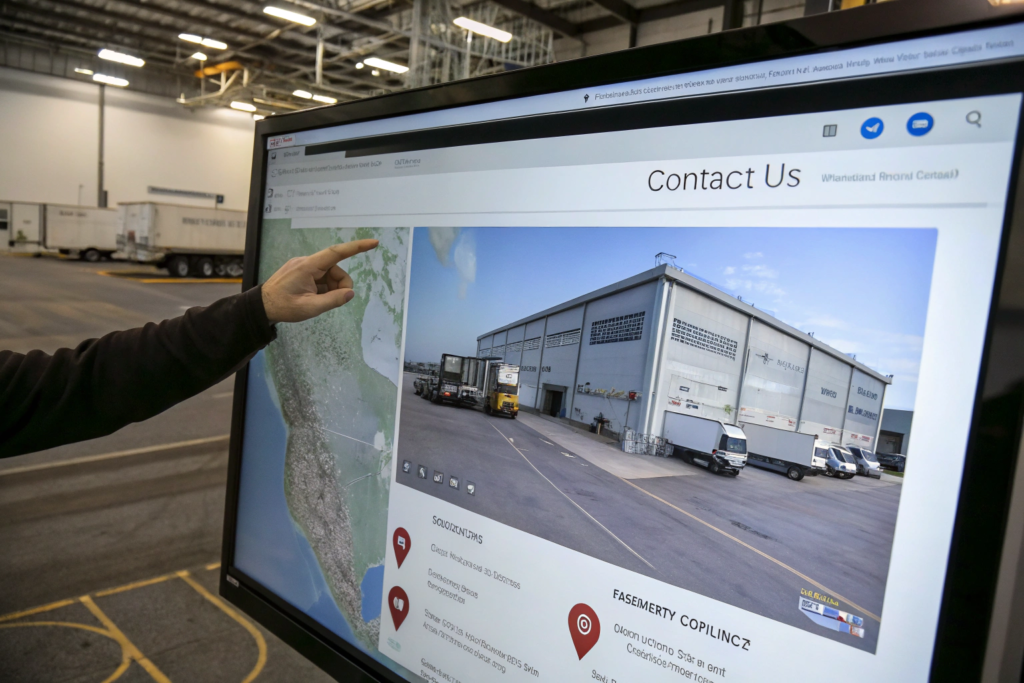
Verifying physical existence requires checking the factory address on Google Maps Satellite View and Street View. You are looking for visual evidence of manufacturing: large roll-up doors for loading trucks, industrial ventilation ducts on the roof, and signage on the building (even if in Chinese). You should also check the "Timeline" feature in Google Maps to see how long that business has been listed at that location. A factory that has been at the same address for 10+ years is a stable operation. A factory with a PO Box or a residential address is a trading company or a one-person agent.
What Are the "Satellite View" Red Flags for Fake Factories?
This is a game I play with my own staff when training them to vet suppliers. We look at the roof.
The "Roof Test" Checklist:
| Satellite Image Feature | Real Factory Indicator | Fake/Trading Co. Indicator |
|---|---|---|
| Roof Vents/Rotations | Large silver "mushroom" vents for steam/heat exhaust. | Plain concrete slab. No vents. |
| Loading Docks | Visible semi-truck trailers backed up to the building. | Cars only. No truck turning radius. |
| Surrounding Area | Other industrial buildings. Dirt lots. | Residential apartments. Shopping mall. |
| Building Size | At least 20,000 sq ft footprint. | Small office suite in a high-rise. |
The "Street View" Check:
Drag the little yellow man onto the street in front of the address. Look at the entrance.
- Good Sign: A guard shack. A sign with Chinese characters and an English name that matches the website.
- Bad Sign: A shared lobby with a directory of 50 different company names. That is a virtual office.
I once had a buyer send me a screenshot of a "competitor's" factory from Google Maps. He was worried because it looked bigger than ours. I zoomed in. It was a textile warehouse, not a sewing factory. There were no steam vents. The buyer learned an important lesson: Size on a map does not equal sewing capacity.
How to Use the "Google Maps Timeline" to Check Factory Age?
This is a hidden feature. In Google Maps on desktop, when you are in Street View, look for a small clock icon in the top left corner (or "See more dates" link).
What It Does:
It shows you historical Street View photos going back to 2007-2012.
How to Use It for Due Diligence:
- Go to the factory address.
- Click the clock icon.
- Slide the timeline back to 2015 or 2018.
What You Want to See:
The same factory building with the same signage. This proves the company has been operating there for years. It is not a "fly-by-night" operation that just registered a website last month.
Red Flag:
In 2018, the address was a field. In 2022, it is a factory. This could be a new factory (fine, but risky). Or it could mean the address is fake and the image was just updated.
At Shanghai Fumao, our building is visible on Street View dating back to 2014. We have expanded the parking lot since then, which you can see in the timeline. That is a public record of our growth and stability.
How to Cross-Reference Certifications Using Google?
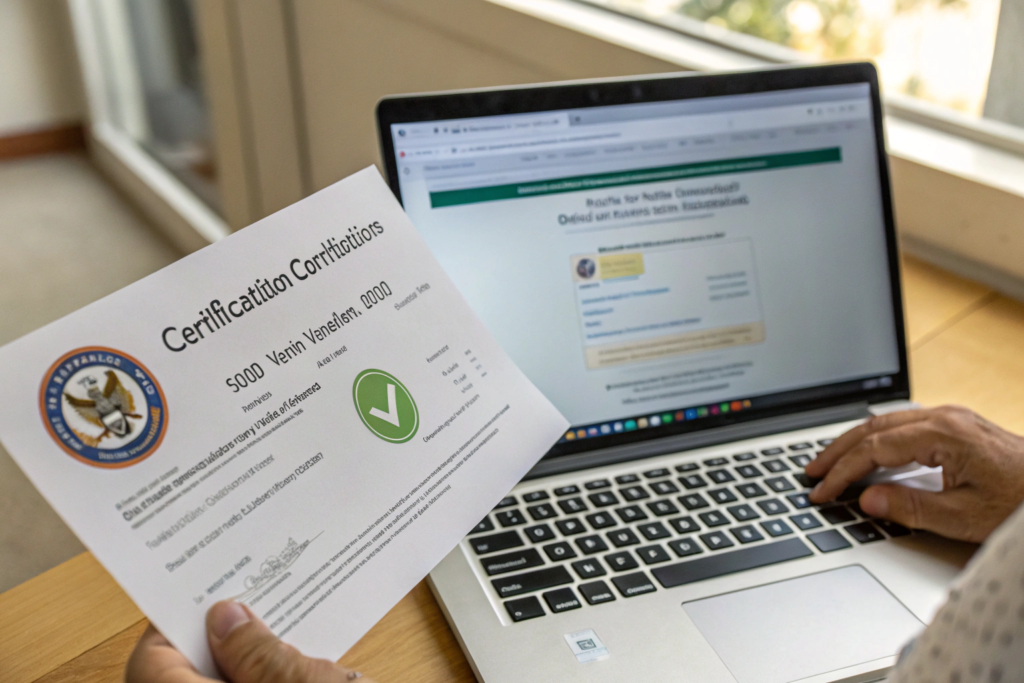
The factory sent you a PDF of their WRAP certificate. Or their GOTS certificate. You feel good. Stop. Anyone can Photoshop a PDF. Google can help you find out if it is real in 30 seconds.
Cross-referencing certifications requires you to locate the official public database of the certifying body. You do not click the link in the PDF. You open a new Google tab and search for "[Certification Name] public database" or "[Certification Name] label check." Then you manually type in the license number exactly as it appears on the certificate. The result should show the exact company name, address, and scope of certification. If the factory is not listed, or the address is different, the certificate is fraudulent or outdated.
How to Find the "Hidden" WRAP Compliance Page via Google?
Sometimes the factory's certificate is real, but they have not updated their website. You can use Google to find the certification body's page about the factory.
The Search String for WRAP:
"Shanghai Fumao" site:wrapcompliance.org
The Search String for GOTS:
"Shanghai Fumao" site:global-standard.org
What This Does:
It searches only the official certification websites for the factory name. If the factory has ever been certified, even if it is expired, there will be a record. You can see the history.
This is a trick I use to check out my own suppliers. I want to see if their dye house has maintained their Oeko-Tex certification. I Google: "Dye House Name" site:oeko-tex.com. It pulls up their listing instantly.
A professional buyer did this to us last month. He found our WRAP listing from 2023. He asked if we were still certified. I sent him the new 2026 certificate. He was impressed that he didn't have to ask for it; he found the trail himself.
How to Verify a "BSCI Audit" via Google Search?
BSCI (Business Social Compliance Initiative) is a European standard. Their database is semi-public. But you can find the Audit Summary if you know the trick.
The Search String:
"BSCI" "Factory Name" filetype:pdf
What You Might Find:
Sometimes factories or their agents upload the full BSCI Audit Report Summary to a file-sharing site or attach it to an old email thread that Google indexed. This is a goldmine. It will show you the Audit Date, the Score (A, B, C, D, E), and the Non-Compliances.
Important: A BSCI audit is only valid for 2 years. If the PDF you find is from 2021, it is expired. The factory should have a new one.
This level of digging shows the factory you are a serious buyer. When you email them and say, "I saw your BSCI report from 2024, but I noticed it expires next month. Will you have the renewal done before my order ships?"—they will treat you with respect. You have done your homework.
What Are the Best "Long-Tail" Keywords for Finding Niche Apparel Factories?
If you search for "Clothing Manufacturer," you are competing with the entire world. You will get the biggest, most generic factories. If you search for exactly what you need, you find the experts.
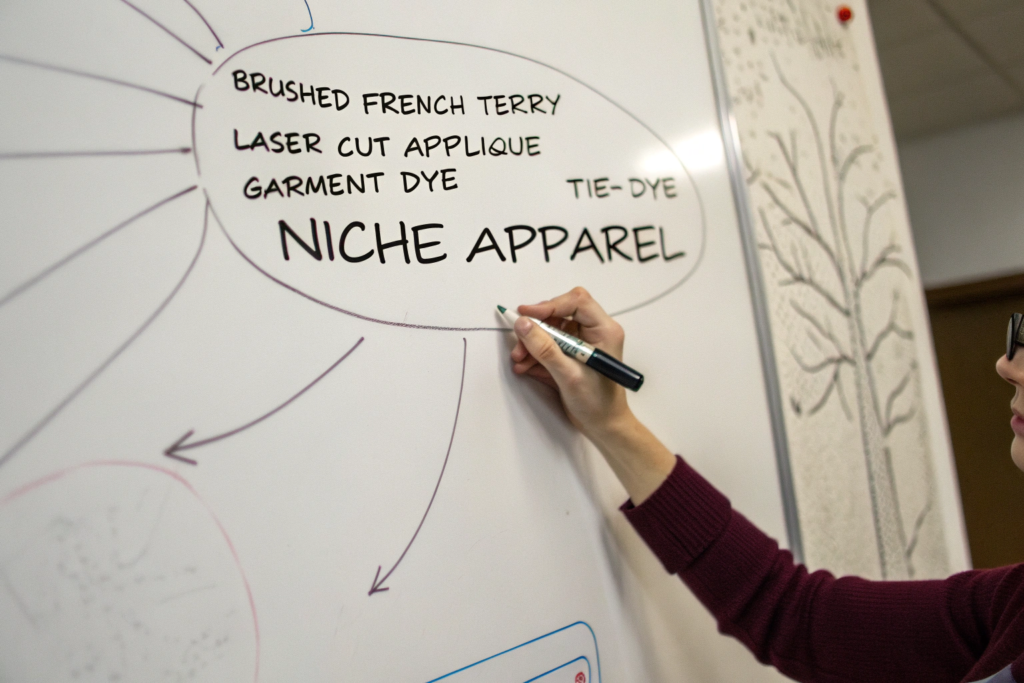
Long-tail keywords are specific phrases that describe your exact product or process. Instead of "T-shirt factory," use "Heavyweight 220gsm Garment Dyed T-shirt Factory." This narrows the search results to factories that have listed that specific capability on their website. These niche factories are often better partners for growing brands because they are hungry for business and they have deep expertise in a particular area. They are not trying to be everything to everyone.
How to Find Factories by Specific "Process" or "Technique"?
This is how you find the factory that does the cool stuff.
If You Want Vintage Wash Hoodies:
Search: "garment dye" "vintage wash" "hoodie" manufacturer China
(Result: You find factories that have the big industrial washing machines and know how to get that faded look without destroying the seams).
If You Want Seamless Activewear:
Search: "seamless knitting" "circular knit" "activewear" factory China
(Result: You find factories with Santoni knitting machines. This is a very specialized, expensive machine. A factory that has it is a real player).
If You Want Custom Embroidery:
Search: "tajima embroidery" "3D puff" "custom patches" factory
(Result: You find factories that own the specific brand of machine needed for high-quality cap embroidery).
This is how we position Shanghai Fumao online. We do not just write "We make clothes." We write pages about "Cut and Sew Knitwear Manufacturing" and "Woven Garment Construction." We want to be found by the buyer who knows exactly what they need.
How to Use "Site:LinkedIn.com" to Find the Factory Manager Directly?
You found a factory website. You like them. You want to talk to a real person, not the info@ email address.
The Search String:
"Factory Name" "Production Manager" site:linkedin.com
What You Get:
The LinkedIn profile of the specific person who runs the floor.
The Pro Move:
Do not send a connection request with a sales pitch. Look at their profile. See if they posted a photo of the factory floor recently. Comment on it: "Looks like a clean cutting room. We are looking for a partner who values organization like this."
This is a side door. It is a human connection. It bypasses the Alibaba chat bot and the sales agent in the front office. I have had buyers find my head of QC on LinkedIn and message him directly. He came to me and said, "There is a buyer asking about seam slippage. He seems to know what he is talking about." That buyer got my attention immediately.
Conclusion
Finding a reliable B2B clothing manufacturer using Google is a skill. It is not about luck. It is about using the right tools in the right order. Start with specific search operators to bypass the trading companies. Verify the physical location using Google Maps satellite history. Validate their claims by cross-referencing certifications on official databases. And drill down with niche keywords to find the experts in your specific product category.
This process takes an hour. It saves you months of wasted time on samples from the wrong factory. It saves you the financial disaster of a deposit lost to a fake supplier. The best factory for your brand is probably not the first result on Google. It is buried on page 4. It is hidden in a PDF. It is waiting for a buyer smart enough to find it.
At Shanghai Fumao, we respect the buyers who come to us having done this research. It means they are serious. It means they value transparency. And it means we can skip the small talk and get straight to making great clothes.
If you have done your homework and you think we might be the right fit for your brand, I encourage you to reach out to our Business Director Elaine. She can answer any remaining questions you have about our specific capabilities. Her email is elaine@fumaoclothing.com. Let's see if we are the result you have been searching for.