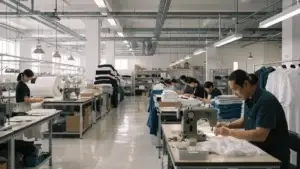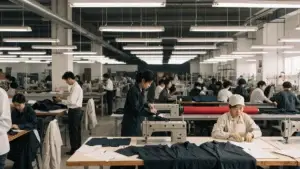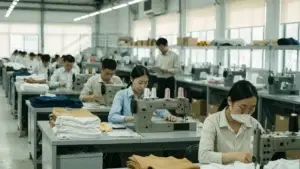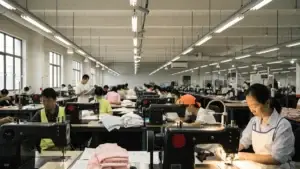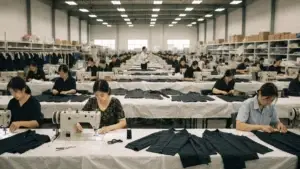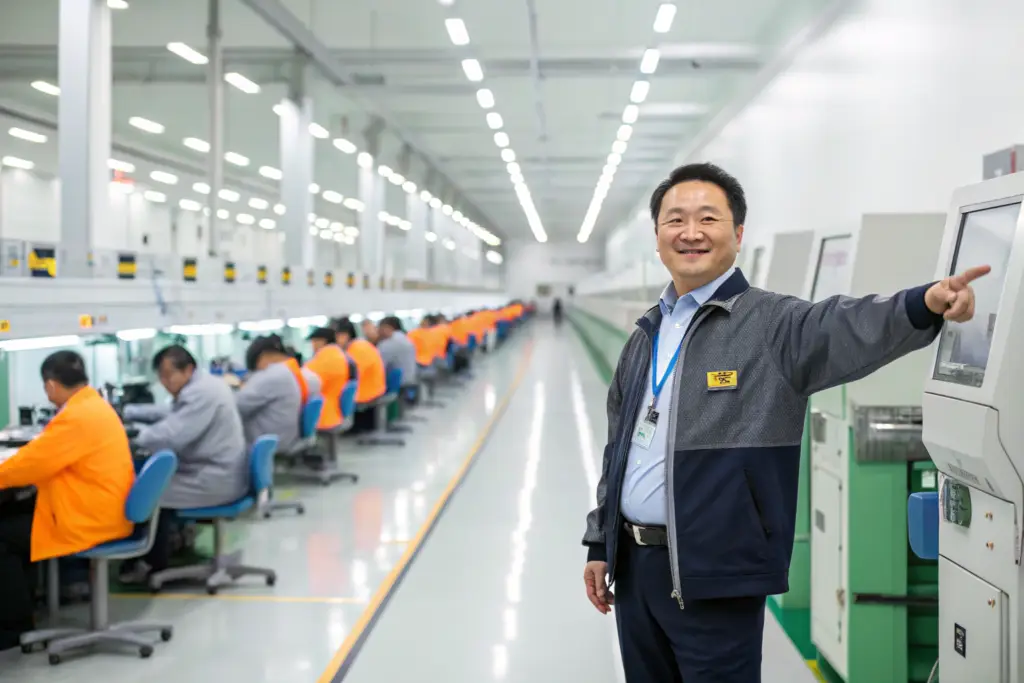
A few years ago, a major U.S. sportswear brand faced a public relations disaster. A investigative report revealed that one of their tier-3 suppliers in Southeast Asia was employing underage workers in unsafe conditions. The brand had no idea. They had never visited that facility. They had only audited their direct partners. The backlash was swift. Retailers dropped them. Consumers protested. It took them years and millions of dollars in compliance costs to rebuild trust. Their mistake? They assumed ethical manufacturing was someone else's responsibility.
Ensuring ethical manufacturing in your supply chain requires a proactive, multi-layered approach that goes far beyond a single audit certificate. It demands direct oversight, transparent partnerships with suppliers who share your values, and a commitment to verifying conditions at every level of production, from raw material spinning to final stitching.
As the owner of Shanghai Fumao, I have spent my career building a factory where workers want to stay, where safety is non-negotiable, and where compliance is built into our daily operations, not just checked once a year. I have seen the difference between factories that use ethics as a marketing slogan and those that live it. I have also helped my clients in the U.S. navigate this complex landscape, showing them exactly what to look for and what questions to ask. Let me share what I have learned about protecting your brand by protecting the people who make your products.
What Are The Hidden Labor Risks In Global Apparel Sourcing?
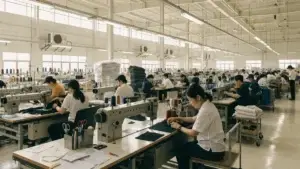
The worst conditions are almost never visible from the main entrance. I have walked through factories that looked perfect from the front office, with polished floors and framed certificates on the wall. But when I asked to see the cutting room or the dyeing unit, the hesitation told me everything. Behind those doors, I have seen workers without protective masks handling hazardous chemicals. I have seen children sitting in corners folding garments after school. These risks are hidden by design.
The most common hidden labor risks include unauthorized subcontracting, excessive overtime without proper pay, health and safety violations in "back-of-house" areas like dye houses and cutting rooms, and the use of forced or child labor in the deepest parts of the supply chain, such as cotton farming or fabric mills.
To find these risks, you have to look where most buyers never look. The main assembly factory is usually the most compliant part of the chain. The real danger is in the suppliers they use without telling you. This is why a simple audit of your direct supplier is never enough. You need to map the entire chain.
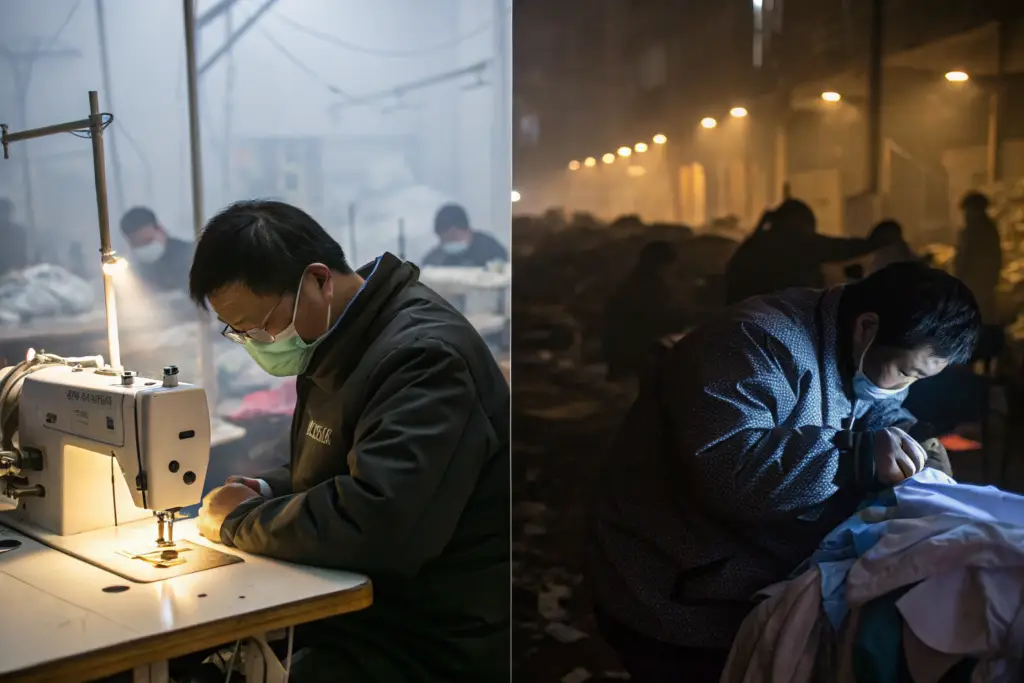
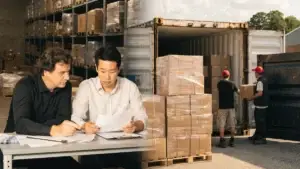
It happens because of pressure. A factory takes an order they cannot handle. Instead of saying no, they secretly send half the work to an unapproved workshop down the street. The buyer never knows. The labels are still sewn in. The shipment arrives on time. But the conditions in that unapproved workshop could be terrible. We had a client in Texas who discovered this the hard way. They loved their main supplier in Vietnam. But a random spot-check by their own team revealed that their "premium" line of woven shirts was being finished in a small, cramped room with no fire exits. The main supplier was subcontracting the final hand-sewing of buttons without permission. The client immediately ended the relationship. To prevent this, you need contract clauses that explicitly ban subcontracting without written approval. You also need to conduct unannounced audits. If a supplier refuses unannounced visits, consider it a major warning sign. You can learn more about supply chain transparency standards from organizations like the Fair Labor Association, which provides resources for brands.
What Are The Dangers In Tier 2 And Tier 3 Suppliers?
The deepest risks are often in Tier 2 (fabric mills, dye houses) and Tier 3 (raw material producers, cotton farms). A dye house might dump untreated chemicals into a local river. A cotton farm might rely on forced labor during the harvest. These issues are difficult to trace, but they are part of your supply chain. A few years ago, a client in the sustainable fashion space asked us to help them trace the organic cotton for their new line. We worked with our long-term fabric partners to identify the specific gin and farm cooperative where the cotton originated. We provided documentation for every step. This level of traceability is becoming essential. Consumers and regulators are demanding it. You should ask your suppliers for a full list of their material sources. Then, you need to verify them. Industry initiatives like the Sustainable Apparel Coalition and their Higg Index can provide frameworks for measuring environmental and social impact throughout the supply chain.
How To Conduct Effective Factory Audits That Reveal The Truth?
I have been audited more times than I can count. Some audits are thorough and meaningful. Others are a complete waste of time. I remember one auditor who spent the entire visit in our conference room, drinking coffee and checking boxes on a form. He never walked the production floor. He never spoke to a single worker. His report gave our client a perfect score, but it told them absolutely nothing about our real operations.
An effective factory audit is unannounced, thorough, and focused on speaking directly with workers away from management. It examines not just paperwork, but physical conditions, worker identification, wage records, and safety systems. It looks for discrepancies between official records and what is actually happening on the ground.
Dive Deeper Paragraph: The goal of an audit should not be to find a perfect factory. No factory is perfect. The goal is to find a factory that is honest about its challenges and actively working to improve them. A supplier who hides problems is dangerous. A supplier who admits to a minor issue and shows you their plan to fix it is building a foundation of trust.
What Questions Should I Ask Workers During A Visit?
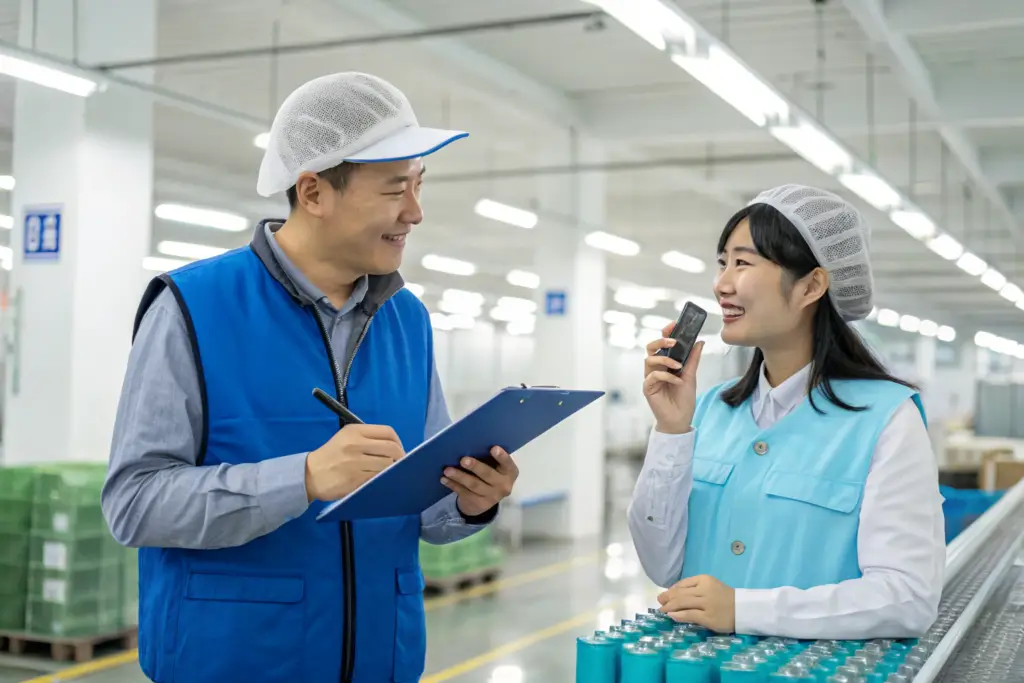
The most important part of any audit is the private, confidential worker interview. This is where the truth comes out. You need to ask questions that go beyond yes or no. Ask them: "When was the last time you worked on a Sunday?" "Do you feel free to use the bathroom when you need to?" "Have you ever been fined for making a mistake?" "Do you have access to clean drinking water?" "What happens if you refuse to work overtime?" Their answers will tell you more than any payroll document. Listen for fear in their voices. If every worker gives the same, rehearsed answer, management is controlling them. Real answers have variation. For guidance on conducting these interviews ethically, resources like the Ethical Trading Initiative provide excellent practical advice on worker engagement.
Why Are Unannounced Audits More Powerful?
Because preparation hides problems. When a factory knows an audit is coming in two weeks, they can clean up, hide problem workers, and prepare fake documents. An unannounced audit shows you the factory on a normal day. We have had clients send third-party auditors to our facility with less than 24 hours' notice. We welcome it. Why? Because we have nothing to hide. Our fire exits are always clear. Our safety data sheets for chemicals are always accessible. Our workers know they can speak freely. If a supplier pushes back against unannounced audits, demanding weeks of notice, you have to ask yourself what they need that time to hide. Many certification bodies, like those affiliated with SMETA, emphasize the value of semi-announced or unannounced audits for this very reason.
Certifications: Which Ones Actually Matter For Compliance?
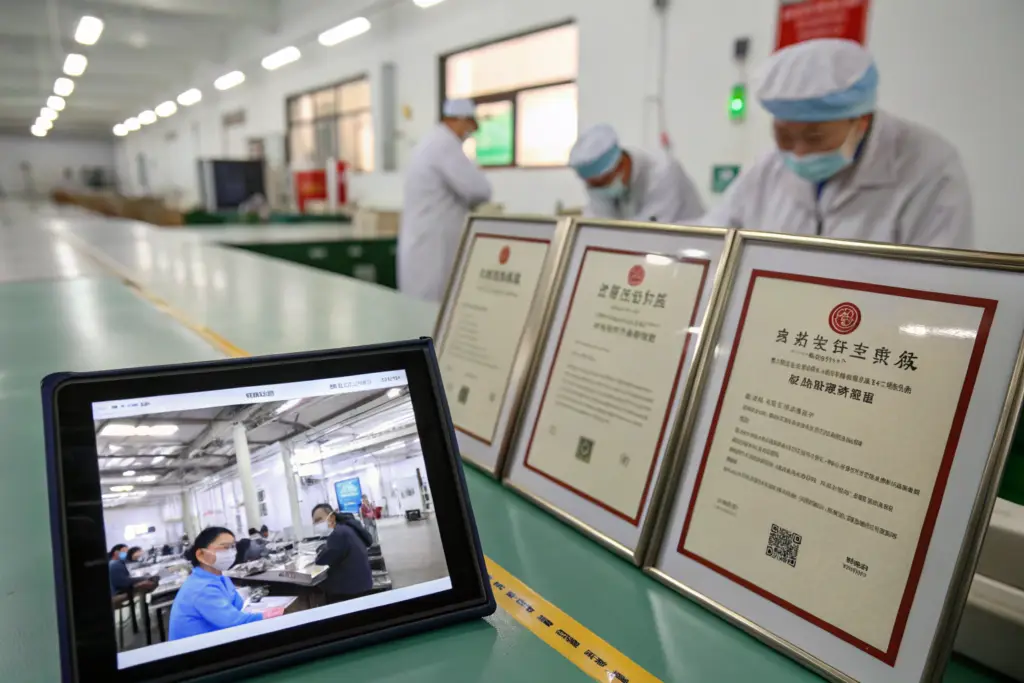
I have a file cabinet full of certificates. Some of them cost thousands of dollars to obtain. But a certificate is just a snapshot in time. It is a moment, usually staged, that a third party observed. It does not guarantee that conditions were good the day before the audit, or that they will be good the day after. Too many buyers treat a certificate as a final answer, when it is really just the beginning of a question.
Certifications that matter are those that require ongoing, rigorous, and unannounced verification. Look for standards like SA8000, BSCI, or Fair Trade Certified. These require more than a one-time check. But even with these, a certificate must be verified. You must check the certifying body's database to ensure the certificate is valid and current.
Dive Deeper Paragraph: Do not just look for the logo. Look at the scope of the certification. Is it just for the factory's main building, or does it include the dye house and finishing unit? Who issued it? Is it a reputable, internationally recognized body? And what is the expiration date? A certificate that expired six months ago is worthless.
SA8000 vs. BSCI: What Is The Difference?
These are two of the most common social compliance standards. SA8000 is a global, auditable certification standard based on international human rights norms and ILO conventions. It is very comprehensive and requires a rigorous audit by an accredited certification body. BSCI (Business Social Compliance Initiative) is a European-based initiative. It is a code of conduct and a monitoring system, but it is not a certification. Suppliers get an audit report and a rating (A, B, C, D, or E), not a certificate. Many European brands require their suppliers to participate in BSCI. Both have value. SA8000 is generally seen as a higher, more robust standard. BSCI is a widely accepted entry point. You can find detailed comparisons and requirements on the websites of SAI (Social Accountability International) for SA8000 and amfori for BSCI. Knowing the difference helps you understand what your supplier's report actually means.
How To Verify If A Supplier's Certificate Is Real?
Fake certificates are a real problem. I have seen suppliers photoshop dates onto expired certificates. I have seen them claim certifications from bodies that do not exist. Verification is simple. Every legitimate certifying body has an online database where you can look up a valid certificate by the supplier's name or certificate number. Before you trust a certificate, go to the source. For example, if a supplier claims to have an OEKO-TEX certification, check the OEKO-TEX Certificate Check page. If they claim to be Fair Trade Certified, check the Fair Trade Certified website. If the certificate number does not appear in the official database, or if the name does not match, it is a red flag. At Shanghai Fumao, we provide our clients with the direct links to our verification pages for all our active certifications. We want them to verify our claims because it builds absolute trust.
Building Long-Term Partnerships With Ethical Suppliers
Ethical manufacturing is not something you can buy off the shelf. It is not a product you can order and receive. It is a relationship you have to build over time, with a partner who shares your fundamental values. The best relationships I have with my clients are not based on contracts. They are based on trust that has been earned through years of honest communication, problem-solving, and shared commitment to doing things the right way.
Building a long-term partnership with an ethical supplier means moving beyond transactional relationships. It involves investing time in understanding each other's businesses, committing to fair pricing that allows for good wages and conditions, and communicating openly about challenges and successes. It is a two-way street of respect and accountability.
Dive Deeper Paragraph: When you find a supplier who is truly committed to ethical practices, treat them as a partner, not a vendor. Share your forecasts with them so they can plan capacity and avoid the pressure to subcontract. Pay them on time so they can pay their workers on time. Visit them regularly, not just to audit, but to build the relationship. This investment pays off in reliability, quality, and the security of knowing your brand is safe.

How Does Fair Pricing Support Ethical Practices?
This is a point many buyers miss. If you squeeze your supplier's profit margin to the absolute limit, something has to give. Wages are often the first thing to go. If a factory cannot make a reasonable profit on your order, they cannot afford to pay fair wages, maintain safety equipment, or invest in worker training. They will cut corners. I have had buyers try to negotiate prices down to a level where we would have to choose between losing money or compromising our values. We walk away from those negotiations. We explain that our price includes fair wages, proper safety gear, and a clean working environment. If they want a cheaper product, they need to find a different kind of factory. This is a hard conversation, but it filters for clients who truly value ethics. Industry analysis from sources like McKinsey's Apparel, Fashion & Luxury Group often highlights the link between supplier profitability and supply chain resilience, which includes ethical practices.
What Are The Benefits Of Supply Chain Transparency?
Transparency is not just a moral choice. It is a business advantage. When you know exactly where your products come from, you can tell that story to your customers. Consumers, especially younger ones, are demanding this information. They want to know that their clothes were made by fairly treated workers in safe conditions. Being able to say, "We work directly with Shanghai Fumao, a factory we visit regularly where workers earn fair wages," is a powerful marketing tool. It builds brand loyalty and justifies a premium price. Furthermore, transparency makes your supply chain more resilient. If you know your entire chain, you can identify and fix problems before they become crises. You can adapt to disruptions. You are in control. Resources like the Open Apparel Registry are helping to map the industry and increase this kind of transparency for everyone.
Conclusion
Ensuring ethical manufacturing in your supply chain is not a one-time task. It is not a box you can check and forget. It is an ongoing commitment to vigilance, partnership, and integrity. It means looking beyond the glossy certificates and asking the hard questions. It means demanding transparency from your partners and being willing to walk away from those who hide the truth. It means understanding that fair prices are the foundation of fair labor. The cost of getting this wrong is enormous, not just in dollars, but in the trust and reputation you have spent years building.
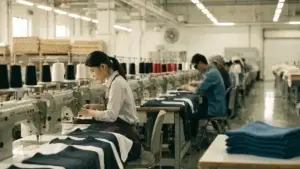
At Shanghai Fumao, we have built our entire business model on the principle that ethics and excellence go hand in hand. We believe that a well-treated worker is a better worker, that a safe factory is an efficient factory, and that a transparent partnership is a lasting partnership. We do not hide from scrutiny. We invite it. Our doors are open to our clients, and to the auditors they trust. We are proud of the conditions we have created and the people we employ. We want you to be proud to have your label sewn into a garment made in our facility.
If you are ready to build a supply chain you can be proud of, a supply chain that protects your brand and respects the people who build it, let's talk. I invite you to reach out to our Business Director, Elaine, to start a conversation about how we can partner together. You can email her at elaine@fumaoclothing.com. Let's build something good together.