When I first started Shanghai Fumao Clothing 15 years ago, I remember sitting across from a buyer from Ohio. He told me, "I love your samples, but I need you to come down 20% on the price, or I walk." My heart sank. I wanted the deal badly. But I also knew my costs. I smiled, offered him a coffee, and started asking questions about his best-selling items. By the end of the meeting, we didn't drop the price by 20%. We actually increased the value by adjusting the fabric weight, which saved him money in returns later.
Negotiating price with a B2B garment supplier isn't about winning a battle. It is about building a partnership where both sides profit. The best price is not always the lowest number on a quote. It is the price that guarantees your quality standards, meets your deadlines, and fits your market strategy. A smart negotiation focuses on total value, not just the unit cost.
You see, many buyers think the negotiation starts and ends with a percentage off the tag. But in the garment industry, the price tag is just the tip of the iceberg. What lies beneath—fabric sourcing, labor costs, logistics, and quality control—is where the real negotiation happens. If you only focus on the surface, you might miss opportunities to save money without sacrificing quality. In this article, I will share the strategies we use at our factory to create win-win situations for brands like yours.
How Do I Know If The Supplier's Price Is Fair?
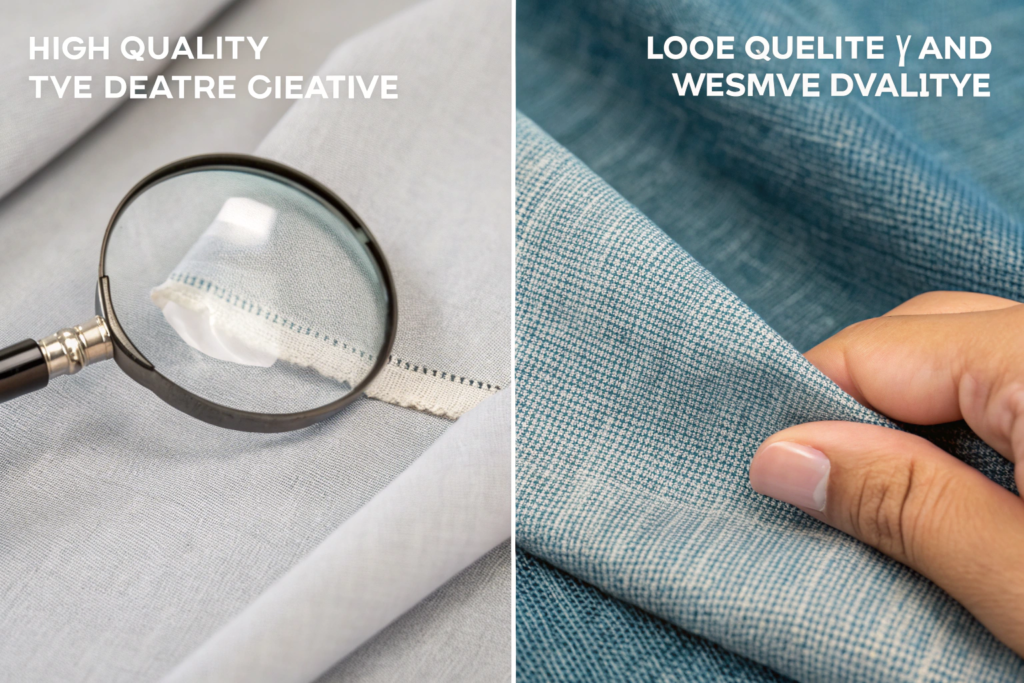
I had a client from Texas last year. He sent me a quote from another factory in Vietnam. It was 15% lower than ours. He asked, "Can you match this?" I asked him to send me a sample of the finished product from that factory. When it arrived, the stitching on the collar was uneven, and the fabric had a chemical smell. We then made him a sample using our standard materials and processes. The difference was obvious. The fair price wasn't the lowest one; it was the one that ensured his brand's reputation stayed intact.
What Hidden Costs Should I Look For In A Quote?
When you receive a price quote, it is easy to just look at the bottom line. But a fair price is transparent. You need to ask what is included. For example, does the price cover the cost of fiber sourcing from a specific mill? Does it include the lab dips for color matching? At Shanghai Fumao, we always break down our quotes into materials, labor, and auxiliary costs. This way, you can see exactly where your money is going. A hidden cost many buyers miss is the cost of "dead stock" fabric that the factory might try to push. Always ask if the fabric is made specifically for your order or if it is from existing inventory. This can affect both the price and the quality consistency.
How Can I Verify Quality To Match The Price?
Price and quality are inseparable. You cannot negotiate one without understanding the other. The best way to know if a price is fair is to verify the AQL standards (Acceptable Quality Level) the factory uses. A factory with a lower price might have an AQL of 2.5, meaning more defects are allowed. A slightly higher price might guarantee an AQL of 1.0, which means fewer returns for you. I always advise buyers to request a "sealed sample" before production. This is not just a sample to look at. This is the sample that both you and the factory sign off on. It becomes the benchmark for the entire shipment. If the bulk goods don't match that sealed sample, you have the right to reject them or renegotiate the price.
What Are The Best Negotiation Tactics For Better Payment Terms?
Years ago, a distributor from Florida was struggling with cash flow. He had a huge order but couldn't do the standard 30% deposit. Instead of losing the deal, we negotiated a different structure. He paid a 15% deposit to start, then another 15% when we cut the fabric, and the balance upon shipment. This helped him manage his cash, and it locked in our production schedule. Payment terms can be a powerful tool in price negotiation.

Can I Offer A Larger Order For A Discount?
This is the oldest and most effective tactic in the book, but it works best when done strategically. Don't just ask for a discount on your current small order. Show the supplier a roadmap. Tell them, "If this first run of 500 pieces sells well, I have a commitment for 2,000 pieces next quarter." This gives us, as a factory, the confidence to invest in materials and schedule efficiency. We can often lower the price because we are buying fabric in bulk for your future order. At Shanghai Fumao, we appreciate partners who think long-term. We are more likely to offer better incoterms or absorb some sampling costs for clients with a clear growth plan.
Should I Negotiate The Deposit Percentage?
Absolutely. The standard 30% deposit is common, but it is not a law. It is a tool to manage risk for both sides. For you, a lower deposit frees up working capital. For us, a deposit confirms your commitment. If you have a strong track record or if you are willing to be flexible on the delivery window, we might be able to lower that deposit. For instance, if you agree to a slightly longer lead time, it helps us fill a gap in our production schedule. In return, we can reduce the deposit to 20%. This flexibility can be just as valuable as a discount on the unit price. Always discuss payment security like Letters of Credit if you are dealing with very large sums.
How Does My Order Volume Impact Pricing Leverage?
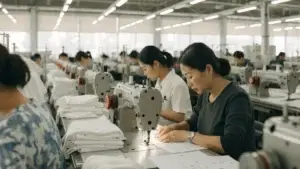
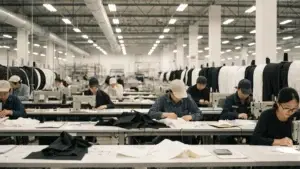
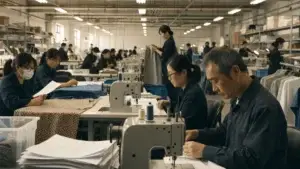
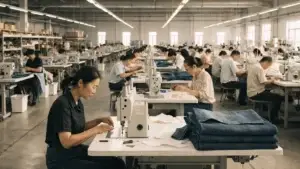
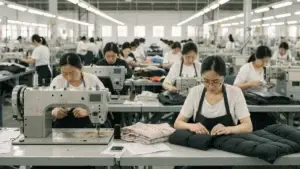
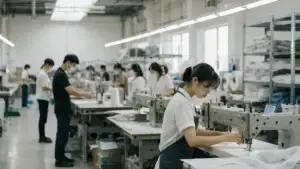
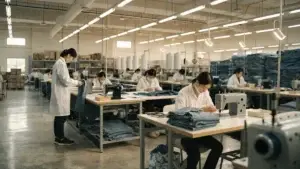
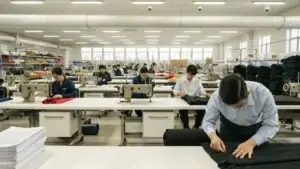
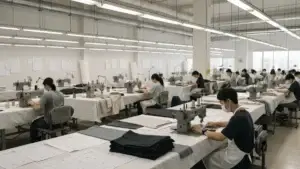
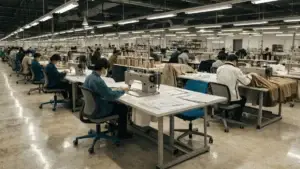
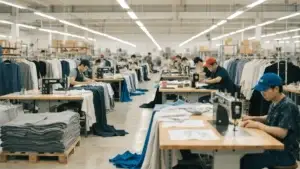
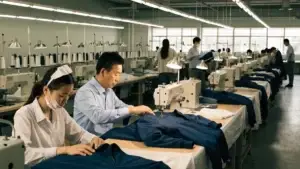
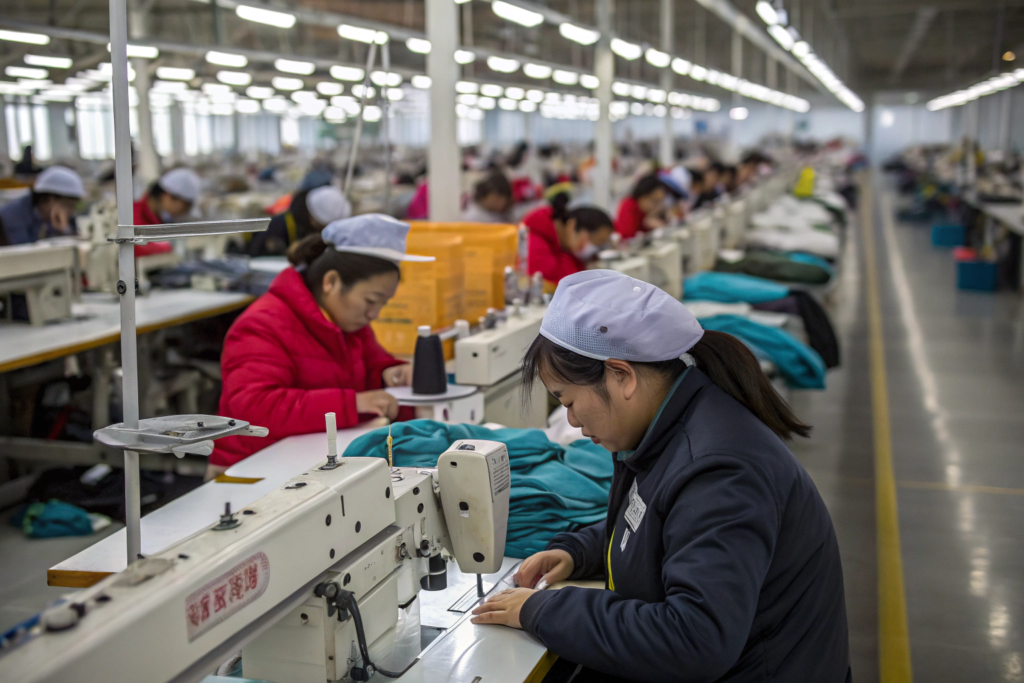
We have five production lines in our factory. If you come to me with an order that keeps one line busy for two weeks, that is great. But if you have an order that only keeps a line busy for two days, the setup costs—the time it takes to configure the machines and train the workers on your specific design—become a bigger percentage of your total cost. Understanding this helps you negotiate smarter.
What Is The "Sweet Spot" For Order Quantities?
The "sweet spot" varies by product, but for woven shirts, it is often around 300 to 500 pieces per color per size. This volume allows us to efficiently cut the fabric in bulk and run the assembly line smoothly. If you order 100 pieces, the price per unit will be higher because of the setup time. If you order 3,000 pieces, we can achieve economies of scale. But don't be afraid to negotiate if you are between these numbers. Maybe you can offer to take a standard color we already have in stock, which eliminates the need for custom dyeing. This can bring the price down even for smaller quantities. Knowing the minimum order quantities of your raw materials, like fabric and buttons, gives you power in the conversation.
Can Consolidating Orders Reduce My Costs?
Yes, this is a very smart strategy. Instead of sending one design for men's shirts and then another order later for women's blouses, combine them. Even if the products are different, if they share the same fabric type or the same trim (like buttons or zippers), we can consolidate the material purchasing. This lowers our raw material cost, and we can pass some of that saving to you. I had a client who used to place three separate orders a month. We suggested he bundle them into one monthly order. It saved him about 8% on total shipping costs and 5% on production costs because we reduced the administrative and handling work. This is a classic supply chain optimization technique.
How Do Shipping And Logistics Affect The Final Price?
A brand owner from New York once called me, furious. His shipment was late, and he missed the back-to-school season. The price he negotiated was amazing, but the delayed delivery cost him thousands in lost sales. This is a classic example of "penny wise, pound foolish." The logistics of getting your goods from our dock in China to your warehouse in the U.S. is a huge part of the total cost equation.
DDP vs. FOB: Which Is Better For My Business?
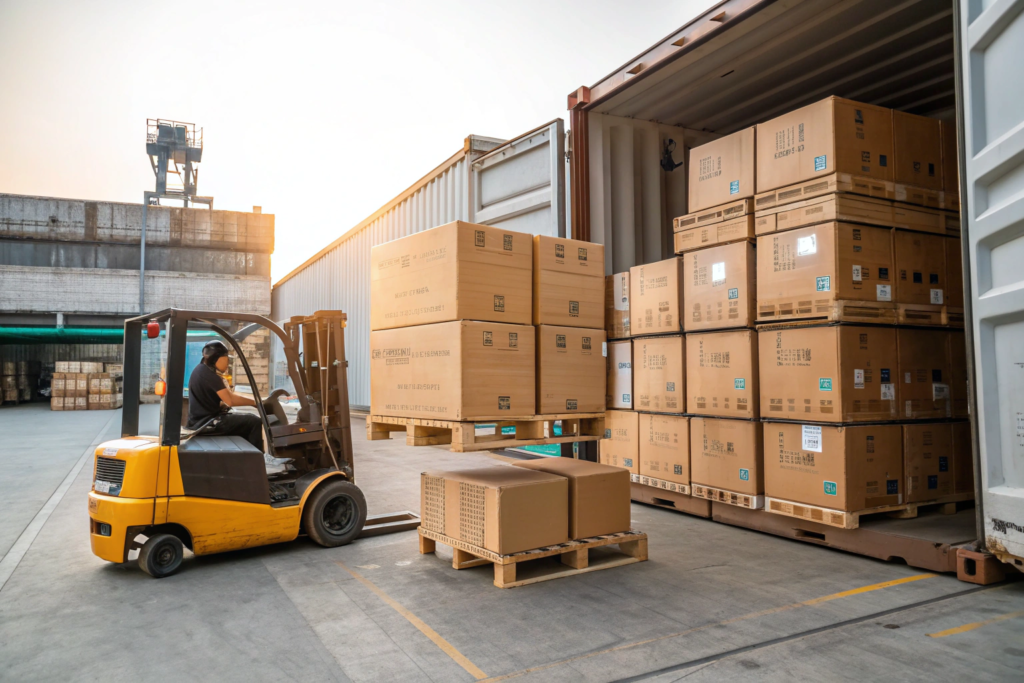
This is a critical question. FOB (Free on Board) means the price stops when the goods are on the ship. You then handle the freight, insurance, and customs. This gives you control, but you also carry the risk of fluctuating shipping costs and customs delays. DDP (Delivered Duty Paid) means we handle everything, including shipping and paying the import duties. The price we quote is the final price you pay to receive the goods at your door. For many of my U.S. clients, DDP is attractive because it simplifies the process. There are no surprise fees. However, the DDP price will be higher than the FOB price. You need to compare the DDP shipping option against the total of FOB + your internal logistics costs to see which is truly cheaper for your specific situation.
How Can We Build A Buffer For Shipping Delays?
Shipping delays are a reality, but they should not be a surprise. When we negotiate price and timelines, we always build in a buffer. If you need the goods by August 1st for the fall season, we set an internal deadline of July 15th. This gives us two weeks to handle unexpected issues like port congestion or bad weather. At Shanghai Fumao, we are transparent about our production timeline. We will tell you, "Production finishes on June 20th. If we ship immediately, it will arrive July 10th. But to be safe for an August 1st deadline, we are on track." Always ask your supplier about their contingency plans. A reliable partner will have a plan B for logistics, just in case.
Conclusion
Negotiating with a B2B garment supplier is a partnership, not a showdown. It is about finding the balance between your need for a competitive price and our need to run a sustainable business. The key is to look beyond the unit cost. Focus on the total package: quality verification, flexible payment terms, smart order consolidation, and reliable shipping strategies. When you bring these elements to the table, you are not just asking for a lower price. You are building a foundation for a long-term, profitable relationship.
If you are looking for a partner who values transparency, quality, and on-time delivery as much as you do, I invite you to reach out to us. Let's talk about your next collection and see how we can create value together. Please contact our Business Director, Elaine, at elaine@fumaoclothing.com to start the conversation. We are ready to help you bring your apparel visions to life.