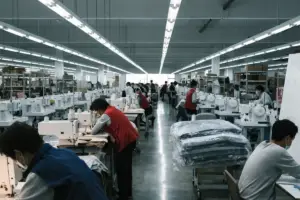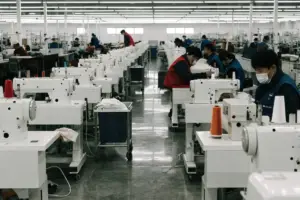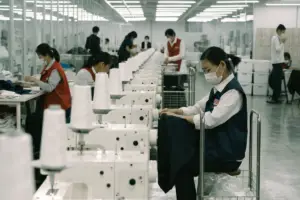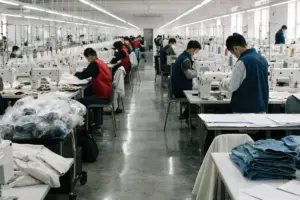
As an American brand owner, you know the feeling. You spot a unique, cutting-edge design at a trade show in Paris or on a street-style blog. You know it could be a hit back home. But then the doubt creeps in. Can a factory in China actually produce this "rare style" without messing it up? Will the seams pucker? Will the fit be wrong? Will the fabric feel cheap? This fear of losing quality when trying to be different is real. It stops many buyers from taking the creative risks they want to take.
The short answer is yes, you can manufacture rare style clothing without compromising quality. The key lies in finding a partner with deep technical expertise and a flexible manufacturing process. At Shanghai Fumao, we believe that innovation and quality are not opposing forces. They are two sides of the same coin. A rare style is only valuable if it is executed well. We help brands like yours turn those complex sketches into best-selling products that meet your exact standards.
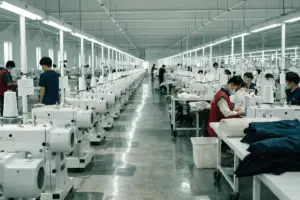
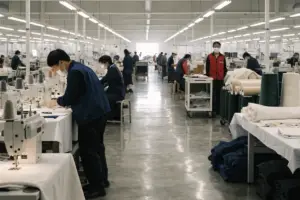
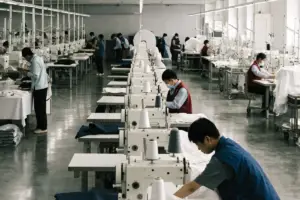
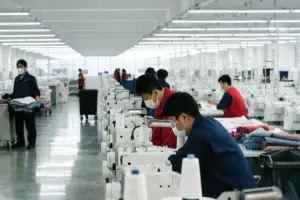
I have been in this industry for over 15 years. I have seen too many U.S. brands get burned by suppliers who promised the world but delivered late, used wrong materials, or cut corners. That pain point you feel about communication breakdowns and falsified certificates? I know it well. It is exactly why we built Shanghai Fumao differently. We are a factory with five dedicated production lines. We focus on transparency, clear communication, and rigorous quality control. This article is not a generic guide. It is a practical playbook, based on my real experience, showing you exactly how we navigate the process of creating rare styles without ever letting the quality slip. We will move from sketch to shipment, step by step.
How Can Technical Specifications Protect Rare Designs?
You have a vision. Maybe it is a jacket with an unusual asymmetric zip, or a dress with a complex draping style. Sending a photo or a sketch is not enough. I learned this the hard way early in my career. A New York brand once sent us a mood board with just pictures. We produced samples based on our interpretation. They rejected them all. Three rounds of samples and two months were wasted. The problem was simple: we saw the design differently than they did. That is when I realized the power of the Tech Pack.
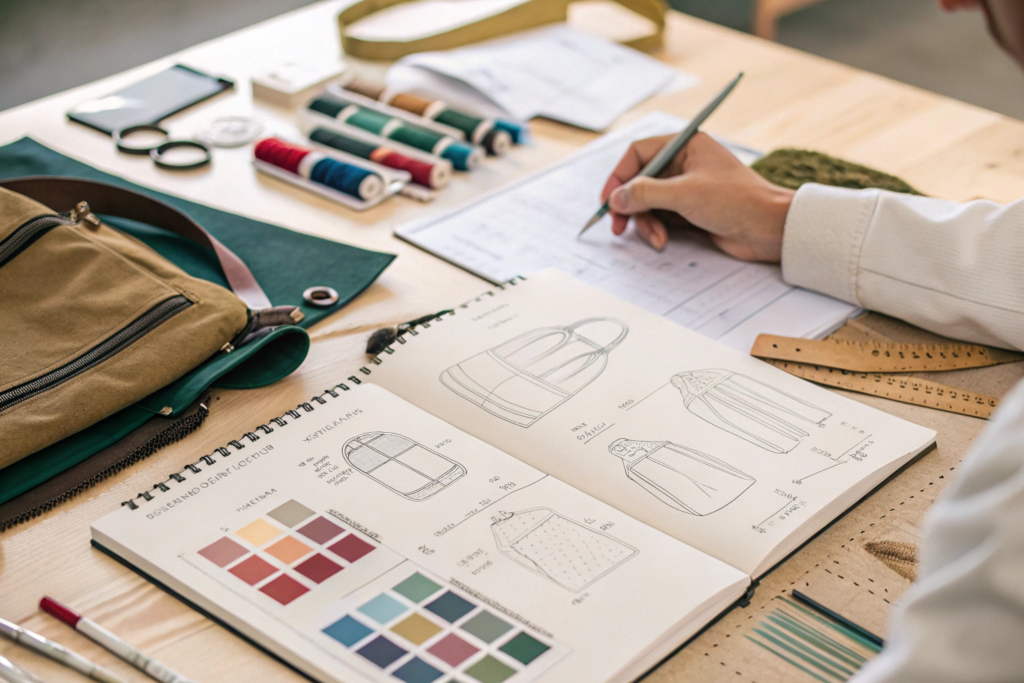
Why is a Tech Pack the Blueprint for Success in Clothing Manufacturing?
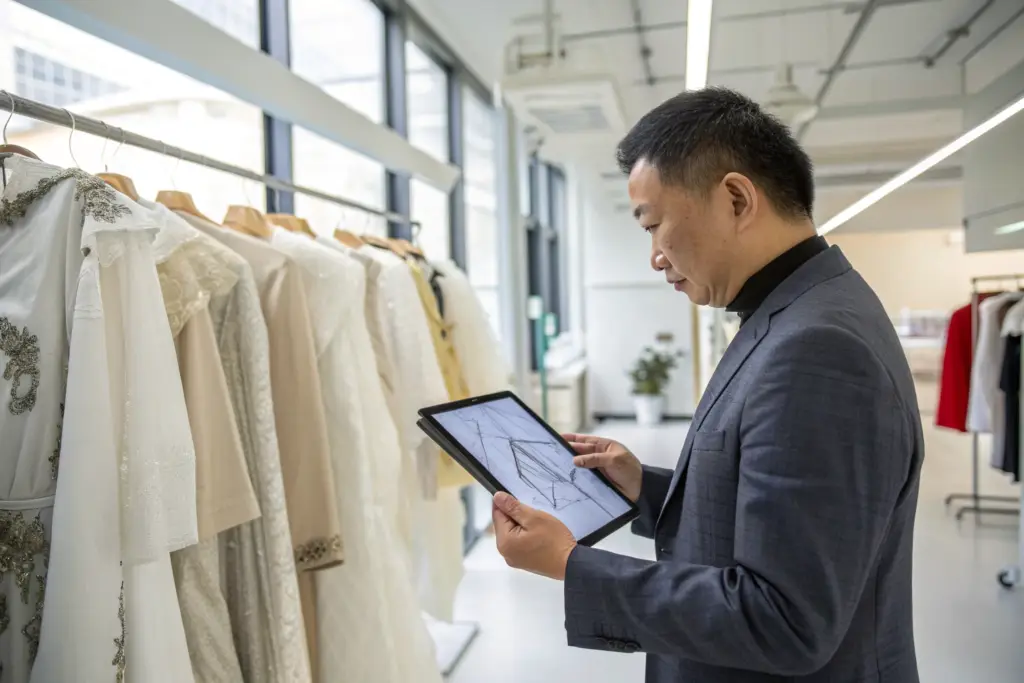
Think of a Tech Pack as your contract with the factory. It leaves nothing to chance. It is not just an image. It is a detailed document that includes flat sketches with measurements, construction details, material specifications, colorways, and labeling instructions. For a rare style, this is even more critical. Unusual design elements need clear explanation. For example, if your design has a specific type of “fagoting” stitch, you must include a close-up image or a reference. A good factory, like ours, will use this pack to give you an accurate quote. We can spot potential production issues early. A poorly made Tech Pack leads to confusion. A great one leads to a perfect first sample. We always ask our clients for a detailed Tech Pack. It saves time and money for everyone. It also ensures the pre-production sample matches your vision.
How Do We Translate Your Rare Sketch into a Wearable Product?
Once we receive your Tech Pack, our in-house pattern makers and sample machinists get to work. This is where experience really matters. A rare style might require a pattern that is not standard. Our team has handled everything from complex cut-and-sew knits to structured woven jackets. Last year, a client from Chicago brought us a design for a men’s shirt with an integrated, seamless collar pocket. It was a rare feature. Our pattern maker spent two days figuring out the geometry. We created a prototype in muslin first. This step allows us to check the fit and construction without using your expensive final fabric. We then present this prototype to you for feedback. This collaborative process ensures that by the time we cut your real fabric, we are 100% sure of every step. We are not just taking orders; we are engineering solutions. At Shanghai Fumao, we see ourselves as an extension of your design team. Our goal is to respect your creative vision while applying our technical knowledge to make it manufacturable at scale.
What Fabric Choices Define High-Quality Rare Styles?
The fabric is the soul of the garment. You can have the most innovative design, but if the fabric is wrong, the product will fail. For rare styles, the fabric choice is even more important. A unique design often requires fabric with specific drape, weight, or stretch properties. Sourcing this fabric, and ensuring its quality, is a major challenge. Many buyers worry about suppliers swapping expensive materials for cheaper ones after the sample is approved. This is a valid concern, and we have a system to prevent it.
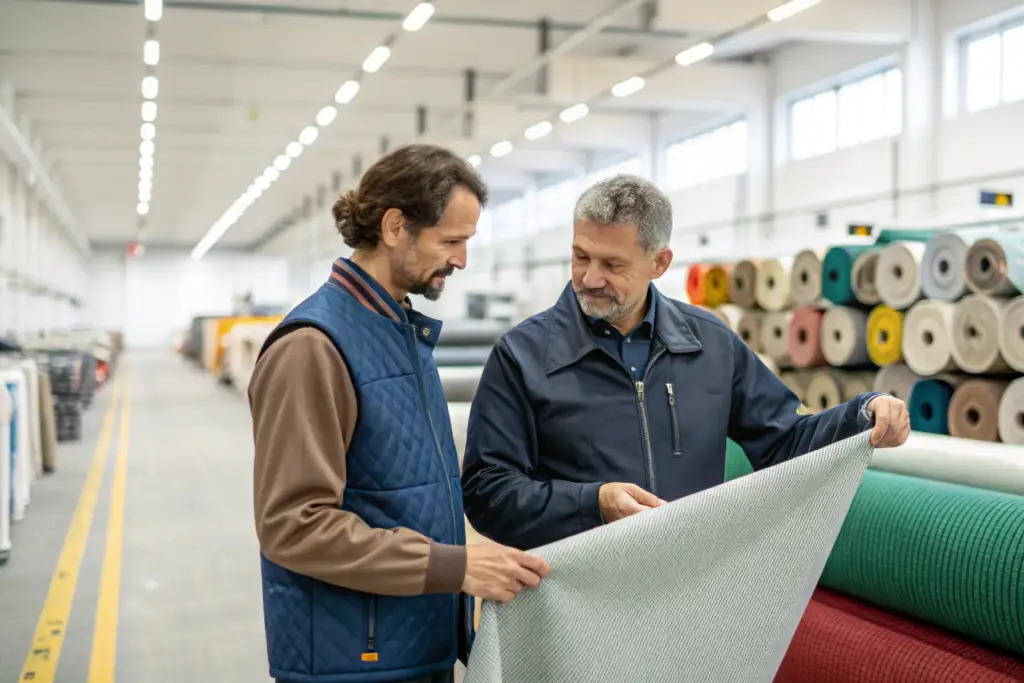
How Can You Ensure the Fabric You Choose Is the Fabric You Get?
This is a question of trust and process. We source fabrics globally, from mills in China, Japan, and Korea. We work with many mills that produce exclusive fabrics not found in standard catalogs. For a rare style, this is a huge advantage. But the process does not stop at sourcing. The moment fabric arrives at our factory, it enters our inspection room. We check it against four key criteria: color shade against the standard, width, weight (GSM), and for any defects like holes or slubs. This is a physical check, not just a visual one. We also conduct simple wash tests. A few years ago, a brand from Seattle sent us a custom-developed organic cotton for a rare style of women’s dress. Our initial inspection showed the shrinkage rate was 1% higher than their spec. We flagged it immediately. They were able to re-order the correct fabric from their mill before production started. This saved them from producing 2,000 units that would have been the wrong size after the first wash. We are your eyes and hands on the ground. You can request fabric testing certificates from accredited labs like SGS or BV. We facilitate this process. We ensure the bulk fabric matches the approved sample exactly. This commitment to quality raw materials is non-negotiable for us.
Why Do We Insist on Pre-Production Samples on Final Fabric?
A sample made in muslin is for fit. A sample made in your final fabric is for everything else. We never go into bulk production without an approved “Fabric Sample” or “Salesman Sample.” This sample shows the true hand-feel, the drape, and the color. It also allows us to test how the fabric behaves with the rare style’s construction. Does the fabric pucker along the seams? Does it stretch out of shape? For a rare style, these questions are unknown until you test. I remember a project for a complex pleated skirt. The final fabric, a beautiful rayon, was much more fluid than the test fabric. The pleats did not hold the same way. We caught this in the pre-production sample. We adjusted the heat setting and the pleating time. We solved the problem before cutting 1,000 yards of fabric. This step is your final safety net. It confirms the marriage of your rare design and the chosen fabric is a happy one.
How Does Quality Control Work for Complex Garment Designs?
Quality control is not one single step. It is a mindset that runs through our entire operation. For standard t-shirts, the process is straightforward. But for rare styles with complex details, our QC becomes more rigorous. We anticipate where problems might happen. We check those points at every stage, from cutting to packing. This proactive approach is what prevents delays and ensures you receive a product that meets your brand’s reputation.
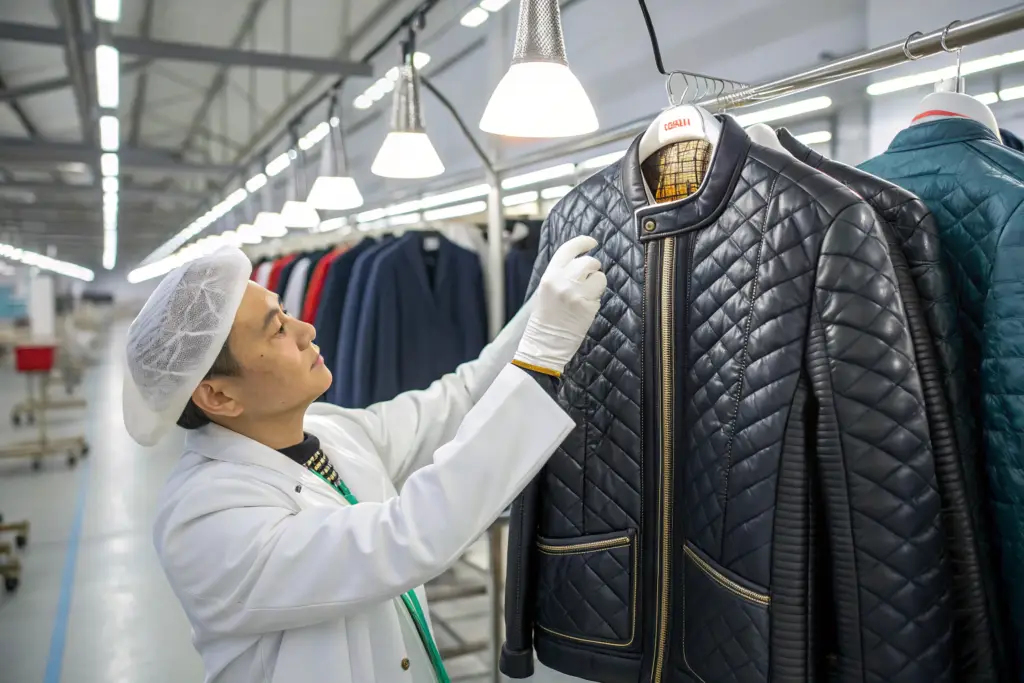
What Are the Critical Checkpoints During Production for Rare Styles?
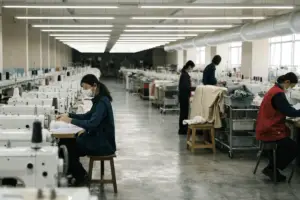
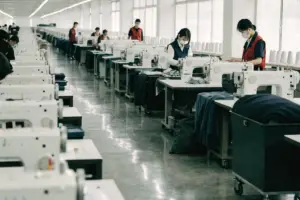
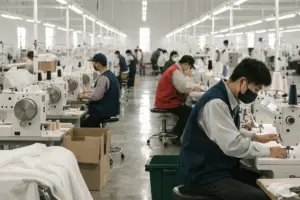
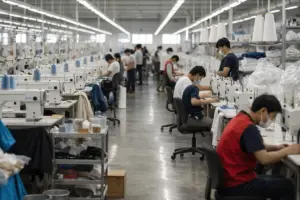
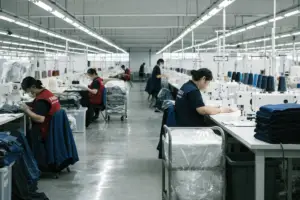
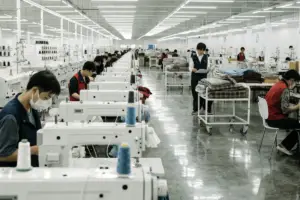
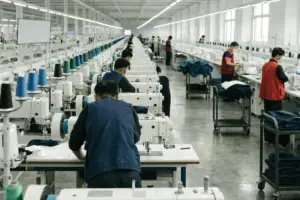
We break down the production of a rare style into multiple phases. First, we inspect the cutting. We ensure all pattern pieces are cut correctly and match the grain line. Mistakes here mean the whole garment will be twisted. Next, we check the sewing line. For complex styles, our line supervisors check the first 50 pieces coming off the line. This is called an “inline inspection.” We compare them against the approved sample. We check seam strength, stitch density, and pocket placements. If we see a deviation, we stop the line and fix it immediately. This prevents making the same mistake on thousands of pieces. A third checkpoint is after the garment is finished but before final finishing. We check for loose threads, stains, and correct hardware (like zippers and buttons). For a recent order of rare, color-blocked activewear, we had three extra checks just for the color seams. We wanted to be sure the joining of different colored panels was perfectly aligned. This system of multiple inspections is standard for us. It catches small problems before they become big, expensive ones.
How Do We Handle AQL Inspections and Final Shipment?
Before any carton is sealed, we perform a final random inspection based on the AQL (Acceptable Quality Limit) standard. This is an industry standard. For most of our brand partners, we use AQL 1.5 for major defects and 2.5 for minor defects. This is a statistically valid method. We randomly select samples from the finished batch. We check them thoroughly. We measure them. We check the color against the standard under a lightbox. We check the packaging and labeling. If the batch passes, it is good to go. If it fails, we do a 100% re-inspection of every single garment. This is costly and time-consuming for us, but we do it because your trust is more important than our short-term profit. We then prepare the shipment. We can handle all the logistics for you, including DDP shipping options to the U.S. We understand that a delayed shipment can ruin your season. That is why our production planning is built around your delivery schedule. We commit to a date, and we move mountains to meet it. We believe that reliability is just as important as quality.
How Can Clear Communication Prevent Manufacturing Disasters?
This brings me to the biggest pain point you mentioned: inefficient communication. I have seen it destroy partnerships. A simple misunderstanding about a “slim fit” versus a “tailored fit” can lead to a whole container of unusable clothes. At Shanghai Fumao, we have built our communication processes to be clear, proactive, and transparent. We know that a rare style requires even more dialogue, not less.

Why Do We Assign a Dedicated Point of Contact for Every U.S. Brand?
You will never be passed around between different sales reps at our company. From day one, you will work with a dedicated account manager. For many of our clients, that is our Business Director, Elaine. She understands the U.S. market. She speaks fluent English and understands business culture. When you email elaine@fumaoclothing.com, you are not emailing a black hole. You are emailing a real person who knows your project. She is responsible for understanding your needs, communicating them to our production team, and getting back to you with answers. She does not just relay messages. She solves problems. When a Texas brand had a last-minute request to change the button color on a rare style of blazer, Elaine coordinated with our sourcing and production teams within hours. She confirmed feasibility and the impact on the timeline. She gave the client a clear answer the same day. This single point of contact model eliminates confusion and builds trust. You have a partner in China, not just a vendor.
How Do We Use Visuals and Video to Bridge the Distance?
Words can be ambiguous. “Make the blue a bit darker” means different things to different people. To solve this, we rely heavily on visuals. We use photos and videos at every stage. We send you pictures of the fabric rolls before cutting. We send videos of the first samples being fitted on a dress form. If there is a technical question on the production line, we will video call you and show you the issue in real-time. Last year, for a complex men’s wear order with a rare, unstructured shoulder, we sent a weekly 2-minute video update. The client could see the progress, see the quality of the work, and give feedback on the shoulder shape as it evolved. This level of transparency is rare. But it is standard for us. It turns the factory floor from a distant, unknown place into a visible part of your supply chain. This is how we ensure that the “rare style” you imagined is exactly what arrives at your warehouse.
Conclusion
Creating rare, unique clothing does not mean you have to gamble on quality. It means you need a partner who understands both creativity and precision. You need a factory that sees a complex design as an exciting challenge, not a problem. You need a team that communicates clearly, checks every detail, and respects your timeline. That is the foundation of Shanghai Fumao.
We are not just a manufacturer. We are an extension of your brand. We help you bring your most creative ideas to life, without the headaches of missed deadlines or poor workmanship. We have the technical skill, the quality systems, and the dedicated team to make your rare styles a commercial success in the U.S. market.
If you are tired of inefficient communication and unreliable suppliers, let’s talk. Let’s discuss your next collection. Let us show you how we can turn your unique designs into high-quality, profitable products.
Contact our Business Director, Elaine, directly to start the conversation. She will personally handle your project and ensure you get the answers you need.
Email: elaine@fumaoclothing.com