I still remember the phone call that changed how I think about delivery dates. It was a Tuesday afternoon, and a client from Chicago was on the line. His voice was tight with stress. His shipment of winter jackets was stuck at a port in Vietnam. The factory blamed the shipping line. The shipping line blamed the customs broker. The broker blamed the factory for wrong paperwork. Meanwhile, the jackets were sitting on a dock, and the first snowstorm of the season was already hitting the Midwest. He missed his entire Q4 selling window. That call cemented my belief that preventing delays is not just about moving faster. It is about taking complete control.
Yes, full package manufacturing can absolutely prevent shipment delays by giving a single manufacturer complete control over the entire supply chain, from raw material sourcing to final container loading, eliminating the finger-pointing and coordination failures that cause most late shipments.
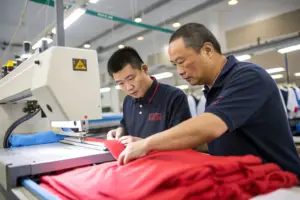
When you work with multiple vendors, every handoff is a risk. The fabric supplier delays a week, but the cutter doesn't know until the fabric doesn't show up. The trim supplier ships to the wrong address, and suddenly the sewing line is idle. These small delays compound into weeks. At Shanghai Fumao, we own the entire process. If fabric from our mill is late, we expedite it internally. If a trim supplier has a problem, we have backup vendors ready. We absorb the delays so you don't have to. Let me explain exactly how our model keeps your shipments on schedule.
How does controlling the entire supply chain eliminate vendor coordination delays?
The biggest cause of delays in fragmented production is the communication gap. One vendor does not care about another vendor's problems. The fabric mill only cares about delivering fabric. They don't care if the cutting house has to wait an extra week. When you have a full-package partner, everyone is on the same team. We care about every step because we are accountable for the final delivery.
A few years ago, we were producing a complex order of women's dresses for a client in New York. The fabric was coming from a specialized mill that had a fire at their facility. Under a traditional model, the client would have been panicking. They would have had to find new fabric, renegotiate with the cutter, and pray the sewing factory still had availability. Instead, our sourcing team already had relationships with three other mills that could produce equivalent fabric. Within 48 hours, we had new samples on the way to the client for approval. The delay to production was minimal. The client's delivery date moved by only five days, and we absorbed the extra cost to expedite shipping to make up most of that time. They never had to explain to their retailers why the order was late.
What happens when a raw material supplier fails to deliver on time?
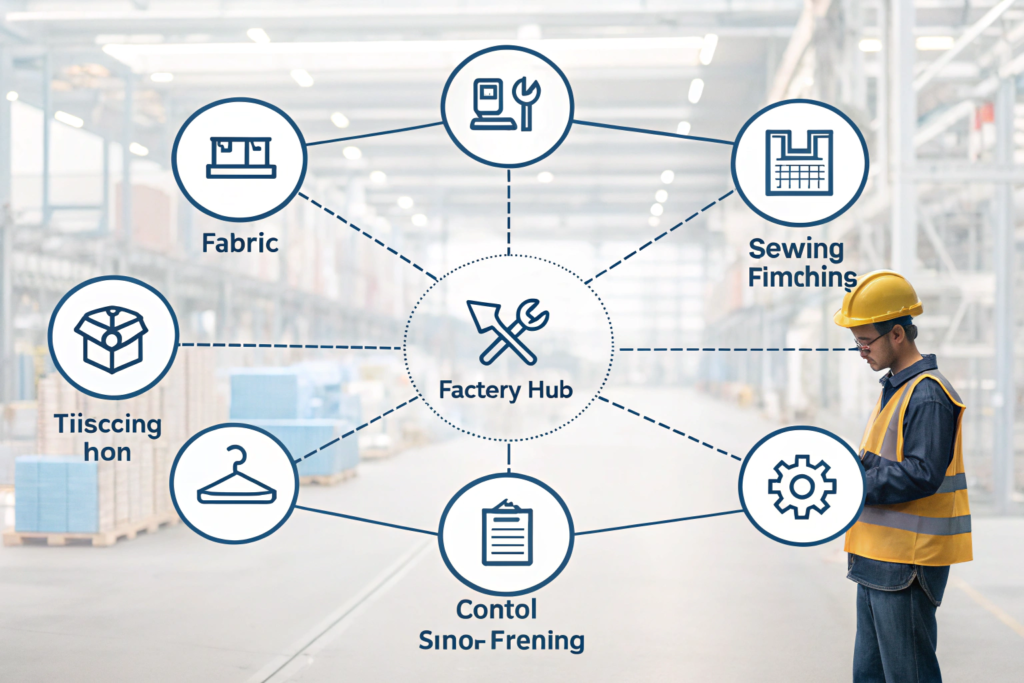
When a supplier fails, we have systems in place to respond immediately. Our procurement team maintains relationships with multiple backup vendors for all critical materials. If our primary fabric mill has a delay, we have pre-qualified alternatives we can activate within hours. We also build buffer time into our production schedules specifically for these situations. We don't plan to cut on the absolute last possible day. We build in cushions. If a supplier is late, we use that cushion. If everything arrives on time, we finish early and often can ship ahead of schedule. This proactive approach protects your deadlines from our suppliers' problems.
How does single-vendor accountability prevent the "blame game"?
When there is only one vendor responsible for everything, there is no one else to blame. If a shipment is late, it is our problem to solve and explain. This changes the entire dynamic. Instead of spending hours figuring out which vendor caused the delay, we spend that time fixing it. Our production managers know they cannot point fingers at the fabric mill or the trim supplier. They have to work together internally to get the job done. This accountability creates a culture of problem-solving rather than blame-shifting. It also means you, the brand owner, have one single point of contact. You call Elaine, our Business Director. She gives you one answer and one solution.
How does real-time production tracking prevent surprises?
Surprises are the enemy of on-time delivery. Finding out on the scheduled shipping date that the order is only 50% complete is a disaster. Full package manufacturing uses integrated tracking systems that give us visibility into every stage of production in real time. We know exactly where every order stands at any moment.
I remember working with a brand from Los Angeles that produced seasonal collections. They had been burned before by factories that promised on-time delivery but never gave updates until it was too late. When we started working together, we set up a system where they could log in and see their order status in real time. They could see that cutting was complete, that sewing was 60% done, and that finishing was scheduled to start. They told me later that just being able to see the progress gave them confidence. And when we did hit a small snag with a trim delivery, they saw it on the dashboard and saw our updated completion estimate before we even had to call them. That transparency built trust.

What production milestones does Fumao track and report to clients?
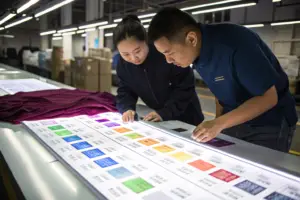
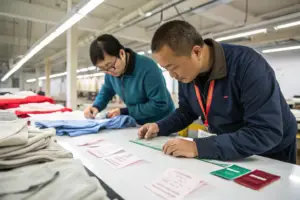
We track every major milestone in your production journey. We report when materials are received and inspected. We report when cutting begins and ends. We provide updates on sewing progress by percentage. We track finishing, packing, and final inspection. We also track critical path items like sample approvals and trim deliveries. For our key clients, we provide a shared production schedule that is updated weekly, or even daily during critical periods. You always know exactly where your order stands. There are no black holes where your garments disappear for weeks.
How early can potential delays be identified and corrected?
Our goal is to identify potential delays at least two to three weeks before they would impact your ship date. We do this by comparing actual progress against our planned schedule every single day. If sewing is running at 80% of the planned speed on day two, we know we have a problem. We can add operators, extend shifts, or adjust workflows immediately. We don't wait until the end of the scheduled sewing time to realize we are behind. This proactive identification means most potential delays are corrected before they ever become actual delays. In the rare case where a delay is unavoidable, we know about it early enough to give you advanced notice and discuss solutions like partial shipments or air freight.
How does in-house sampling and development compress timelines?
The sampling and development phase is where many production timelines get derailed before they even start. Sending designs to one vendor for patterns, another for samples, and then back to you for approval creates weeks of back-and-forth. When all of this happens in one factory, the timeline compresses dramatically.
】
A client from Seattle who produces outdoor gear came to us with a tight deadline. They had a new line of technical jackets that needed to hit stores for the fall season. The timeline was so tight that most factories told them it was impossible. Because we handle everything in-house, our pattern makers started work the day we received their tech packs. While they were making patterns, our sourcing team was already pulling fabric options. We had a first sample ready in 10 days, not the usual 3 to 4 weeks. We did two quick revision rounds, and we were in production within 30 days of the first contact. They made their season, and we proved that speed is possible when development is integrated.
How does having pattern makers and sample machinists in-house speed up approvals?
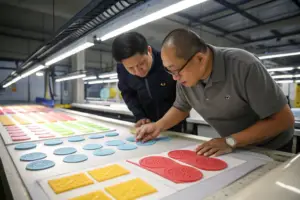
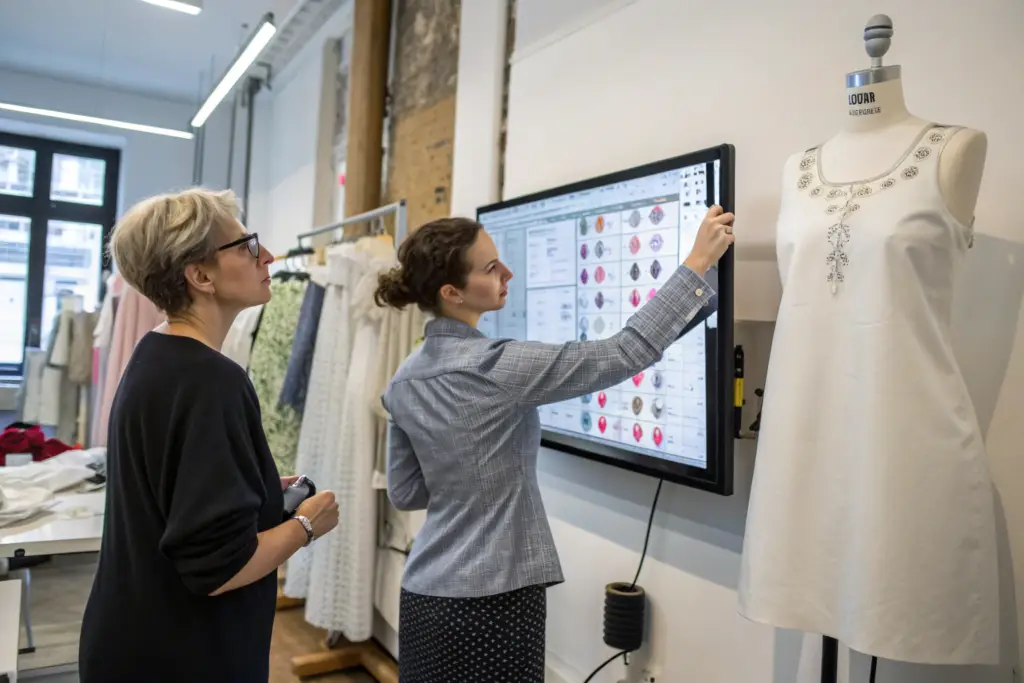
When pattern makers and sample machinists are in the same building, communication is instant. If the sample machinist sees that a seam construction is difficult, they walk over to the pattern maker and discuss it. They don't send an email and wait a day for a response. They solve it in five minutes. This speed means samples are completed faster and are more accurate. When you receive a sample from us, it is more likely to be correct because the people who made it could ask questions immediately. This reduces the number of sample rounds needed, often from three or four down to two. Each round saved is weeks saved on your total timeline.
Can Fumao provide digital prototypes or 3D renders to speed up initial design?
Yes, we increasingly use digital design tools to accelerate the early stages. Before we cut fabric for a physical sample, we can provide 3D renders of your garment. You can see the fit, the drape, and the details on a virtual model. You can request changes digitally before any fabric is cut. This process can save one or two full physical sample rounds. For a client in Texas who produces western wear, we used 3D renders to finalize the styling of a new shirt design. They made five rounds of changes digitally in one week. Under the old process, that would have been five weeks and five expensive physical samples. They approved the final design faster and cheaper, and we moved into production ahead of schedule.
What logistics expertise does Fumao use to avoid shipping bottlenecks?
Shipping is not just about putting boxes on a boat. It is about navigating a complex global system of schedules, regulations, and potential disruptions. A full-package manufacturer with dedicated logistics staff has the expertise to avoid the bottlenecks that trap less experienced shippers.
I recall a situation during the peak shipping season a couple of years ago. Port congestion in Los Angeles was terrible. Vessels were waiting weeks to unload. A client from Florida had a shipment that absolutely had to arrive by a specific date. Our logistics team saw the congestion building weeks in advance. We proactively booked space on a vessel going to a different West Coast port, then arranged for rail transfer to their final destination. The shipment arrived exactly on time while other shipments from the same period were stuck at sea for an extra three weeks. That is the value of having experienced logistics professionals who watch the market and plan ahead.

How does Fumao manage container bookings and vessel space during peak seasons?
Peak seasons, like the months before the holiday selling window, are extremely competitive for vessel space. Factories that book at the last minute often find no space available. We book our container space months in advance. We have long-term contracts with major shipping lines that guarantee us space even during the busiest times. Our logistics team tracks vessel schedules daily and adjusts bookings as needed. If a vessel gets canceled or delayed, we have relationships with multiple lines and can often secure space on an alternative vessel within days. We never wait until the goods are ready to start thinking about how to ship them.
What documentation processes prevent customs clearance delays?
Customs delays are almost always caused by incorrect or incomplete documentation. We have dedicated documentation specialists whose only job is to prepare perfect shipping paperwork. They verify that every commercial invoice, packing list, and certificate of origin is accurate before the container leaves our factory. For U.S. shipments, we ensure the ISF filing is done at least 24 hours before the vessel loads. We verify that all HTS codes are correct and that any required compliance documentation is included. We have learned from experience that customs brokers appreciate complete, accurate paperwork. It makes their job easier, and it means your goods clear faster. We never rush this step because mistakes here can hold your shipment for weeks.
Conclusion
Shipment delays are not random acts of fate. They are the predictable result of fragmented supply chains, poor communication, and lack of control. Full package manufacturing prevents these delays by putting one company in charge of everything. We control the material sourcing, so we manage supplier problems internally. We track production in real time, so we catch issues early. We handle sampling and development in-house, so we compress timelines. We manage the logistics with expert staff, so we avoid shipping and customs bottlenecks. This system is designed to protect your deadlines.
At Shanghai Fumao, we understand that your business depends on delivering products to your customers when you promise them. We have built our entire operation around reliability. We have the production lines, the experienced teams, and the logistics expertise to get your goods from our factory to your warehouse on time, every time. We have learned through decades of experience that protecting your delivery date is the most important thing we do.
If you are tired of missed seasons, stressed-out phone calls, and excuses from suppliers, let's talk. Let us show you how a true full-package partner can give you back your peace of mind. Please contact our Business Director, Elaine, directly at strong>elaine@fumaoclothing.com</strong. Tell her about your past shipping challenges, and let's build a plan to make sure they never happen again.