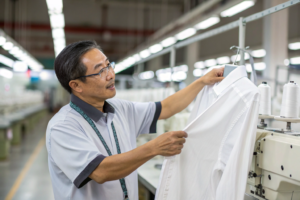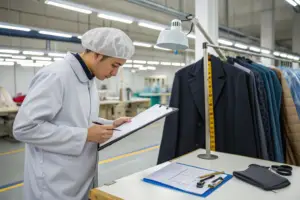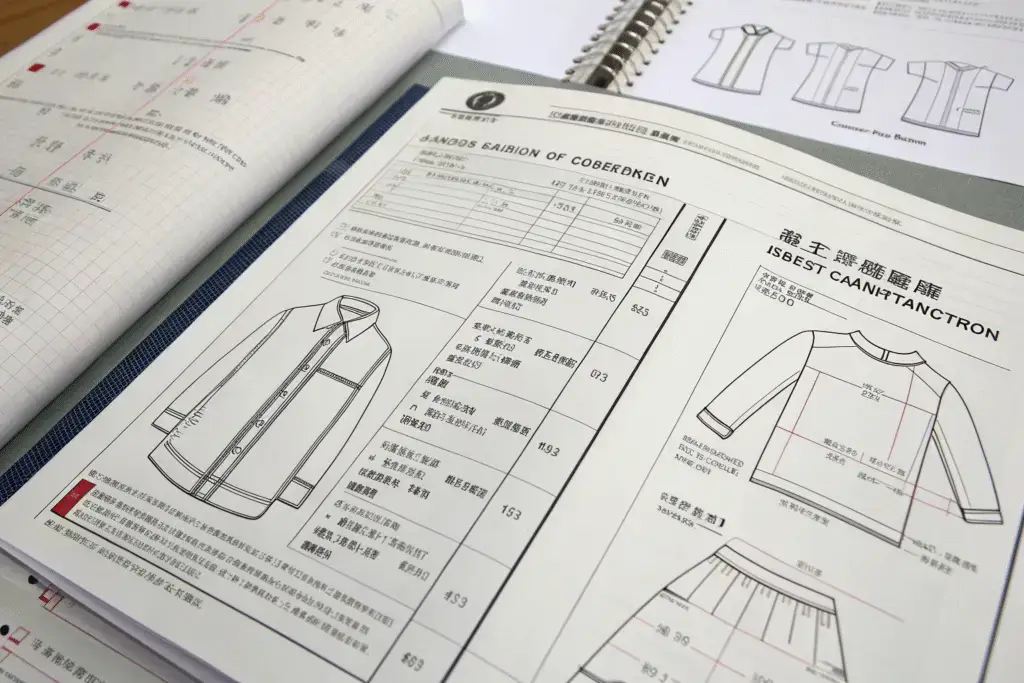
I've worked with international brands for fifteen years, and one question consistently arises during initial conversations: "Why do you need so much detailed information?" Just last month, an American client expressed frustration about our detailed questioning regarding seam types and stitch density. His previous manufacturer in another country had never asked for these details, but that factory also delivered inconsistent quality that cost him thousands in returns. The answer lies in a fundamental difference in manufacturing philosophy.
Chinese manufacturers require exact design specifications because precise documentation enables mass production at scale while maintaining quality consistency, cost control, and efficient communication across language and cultural barriers. Unlike custom tailors or small batch producers who can adjust based on visual assessment, large-scale manufacturing depends on unambiguous, measurable instructions that multiple teams can execute identically. This systematic approach has made Chinese manufacturing globally competitive but requires brands to provide comprehensive technical documentation.
The requirement for exact specifications isn't bureaucratic obstruction—it's the foundation that enables us to produce 10,000 identical garments that all match your quality expectations and design vision. When you understand the manufacturing ecosystem behind this requirement, the request for detailed specifications transforms from an obstacle into your greatest quality assurance advantage.
How does precise documentation enable quality control?
Exact specifications create objective quality standards that can be consistently applied throughout production, from material inspection to final assembly.
In mass production, quality cannot be based on subjective assessment or "eye-balling" measurements. Without precise specifications, different quality inspectors might apply different standards, resulting in inconsistent products within the same order. Last quarter, a European client provided vague "luxury finish" requirements without technical definitions. The resulting shipment had inconsistent stitching quality that varied between production lines, leading to a 25% rejection rate by their quality team.
What quality aspects require precise specification?
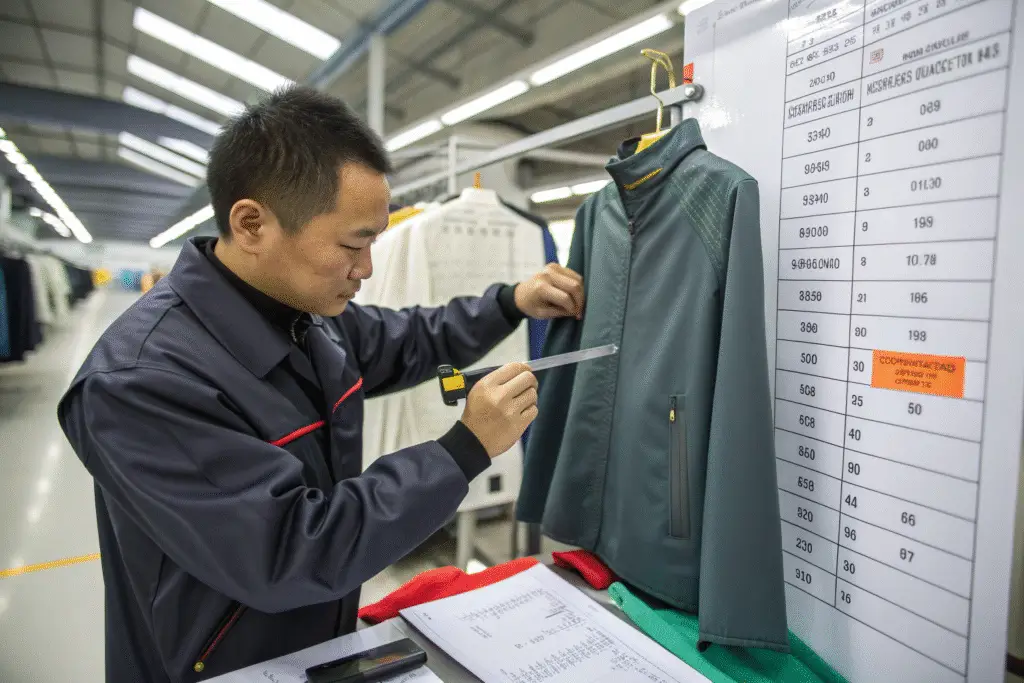
Critical quality elements that demand exact documentation include:
- Stitch density (stitches per inch) for different operations
- Seam allowance tolerances (+/- 0.125 inches)
- Color matching standards with Pantone references and Delta E tolerances
- Fabric performance standards (pilling, shrinkage, colorfastness)
- Measurement tolerances for different garment areas
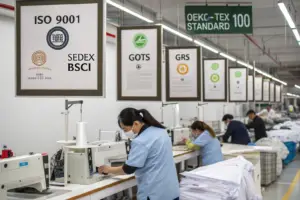
The International Organization for Standardization provides frameworks that many Chinese manufacturers reference for quality management systems, requiring documented specifications for consistent implementation.
How do specifications prevent quality variations?
Exact specifications enable statistical process control where measurements can be tracked and analyzed throughout production. When a sportswear client provided precise SPI (stitches per inch) requirements for different stress points, we could monitor and adjust sewing machines before defects occurred, reducing stitch-related defects by 80% compared to their previous production without detailed specifications.
How do exact specifications impact cost and pricing?
Precise documentation enables accurate cost calculation and prevents unexpected charges by eliminating assumptions and clarifying requirements upfront.
Manufacturing costs depend directly on the materials, construction complexity, and labor operations required. Without exact specifications, factories must quote based on assumptions that may not match your expectations, leading to conflict when actual costs exceed initial estimates. A startup brand learned this recently when their "simple dress" required unexpected interlining, special pressing, and hand-finished details that weren't specified, resulting in a 40% cost increase they hadn't budgeted for.
What cost factors depend on exact specifications?
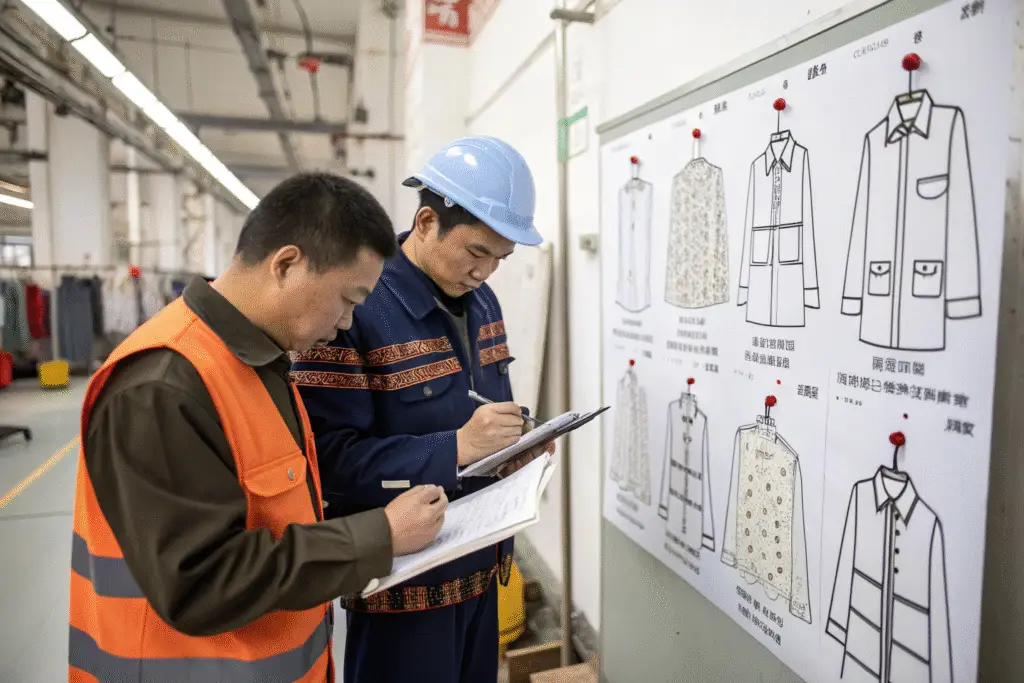
Key cost drivers that require precise documentation include:
- Fabric consumption based on exact pattern measurements
- Labor time for specific construction operations
- Material costs for exact components and trims
- Equipment requirements for special operations
- Quality control intensity based on tolerance requirements
How does specification clarity prevent financial disputes?
When all requirements are documented, both manufacturer and client agree on what constitutes acceptable quality and what justifies rejection. This prevents situations where clients reject shipments for issues that weren't specified as requirements. Clear specifications have reduced financial disputes by 65% in our client relationships over the past three years.
How do specifications bridge communication gaps?
Exact technical documentation creates a universal language that transcends linguistic and cultural barriers in global manufacturing.
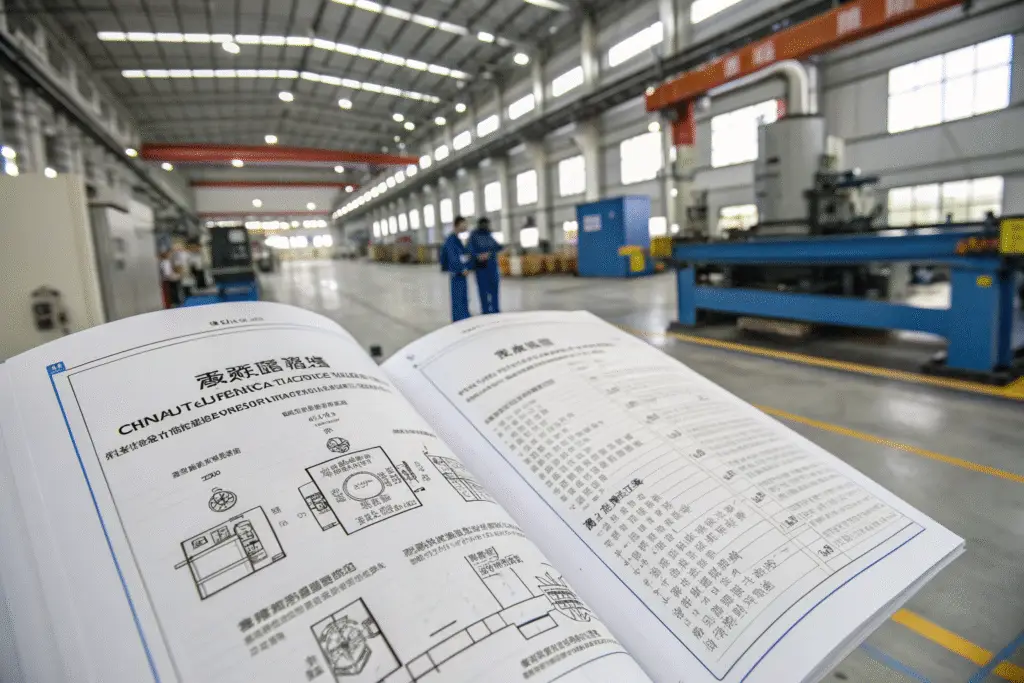
With teams speaking different languages and working from different cultural reference points, verbal descriptions and subjective terms create misunderstanding. Technical specifications using standardized terms, numbers, and visual references ensure accurate communication. I recall a client who requested "American medium fit" without providing measurements—a concept that means different things to different people but became perfectly clear when we received their detailed size specifications.
What communication challenges do specifications solve?
Exact documentation addresses:
- Language barriers between English-speaking designers and Chinese-speaking production teams
- Different cultural interpretations of terms like "firm fit" or "soft handfeel"
- Vague descriptions that different team members interpret differently
- Changing requirements without documented version control
The American Apparel & Footwear Association has developed standardized terminology that helps bridge these communication gaps in global supply chains.
How do visual specifications improve understanding?
Technical flats with construction callouts, photographic references for finishes, and physical approved samples provide visual information that complements written specifications. These visual elements have reduced misinterpretation by 70% compared to projects relying solely on written descriptions in our manufacturing experience.
How do specifications enable production efficiency?
Precise documentation streamlines manufacturing workflows by providing clear instructions that multiple production lines can execute consistently.
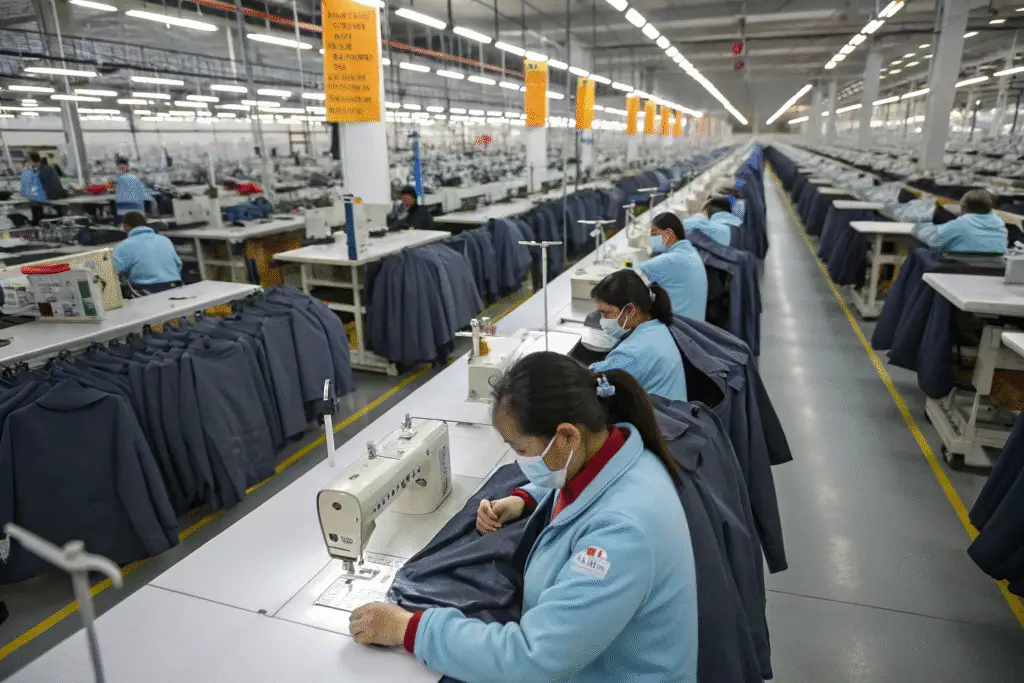
Large-scale manufacturing depends on standardized processes that can be replicated across teams, shifts, and production runs. Without exact specifications, each operator might interpret instructions differently, creating variations that become noticeable when garments from different production lines are combined in shipment. A fast-fashion retailer discovered this when their "identical" orders from two production lines had noticeable color variations because dyeing specifications weren't precise enough.
| Production Stage | How Specifications Enable Efficiency |
|---|---|
| Material Sourcing | Exact fabric specifications enable accurate sourcing and substitution planning |
| Pattern Making | Detailed measurements enable right-first-time pattern development |
| Cutting | Precise tolerances minimize material waste and optimize marker efficiency |
| Assembly | Construction details standardize operations across multiple sewing lines |
| Quality Control | Objective standards enable consistent inspection across different shifts |
How do specifications optimize material usage?
Exact garment measurements enable pattern engineers to optimize marker making—the process of arranging pattern pieces on fabric to minimize waste. Even small specification improvements can significantly impact material consumption. When an outdoor brand provided more precise measurement tolerances, we reduced their fabric waste by 12% through tighter marker optimization, saving over $15,000 on their 10,000-unit order.
How do specifications standardize assembly operations?
Detailed construction specifications enable the development of standardized operation breakdowns where complex garments are divided into discrete steps that different operators can perform consistently. This division of labor is fundamental to efficient mass production but depends entirely on precise instructions for each operation.
What are the risks of insufficient specifications?
Understanding the potential consequences of vague documentation helps brands appreciate why Chinese manufacturers insist on precise specifications.
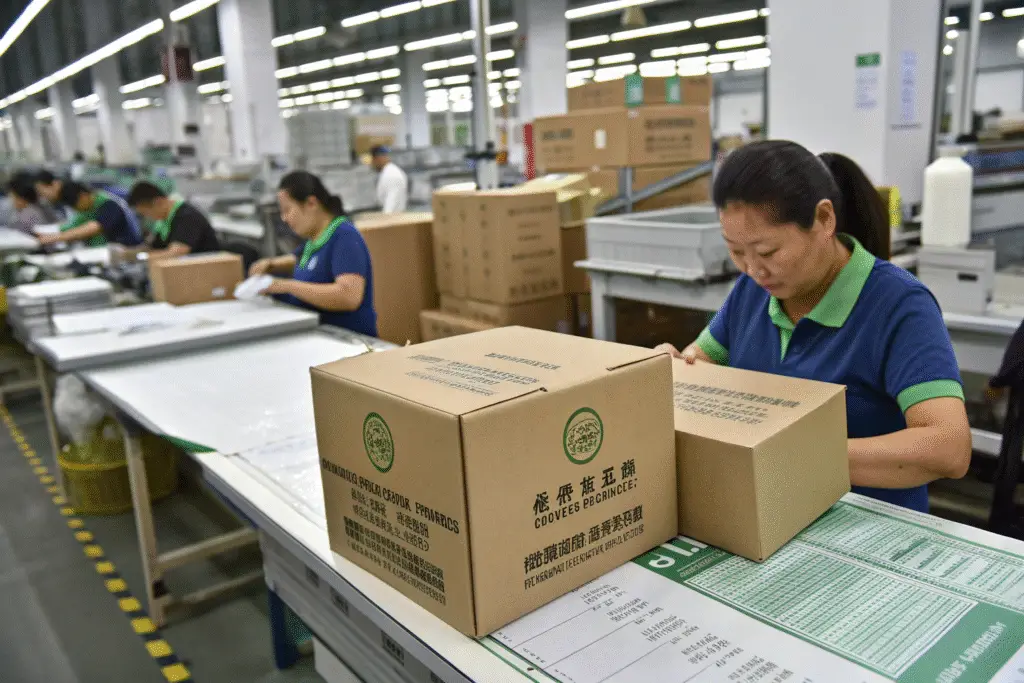
The risks of inadequate specifications extend beyond obvious quality issues to include timeline delays, cost overruns, and legal compliance problems. These risks become particularly severe in large-quantity production where errors are multiplied across thousands of units. A sustainable brand recently faced regulatory issues when their "organic cotton" claim couldn't be verified because proper certification documentation wasn't specified to the factory.
What production risks emerge from vague specifications?
Common risks include:
- Inconsistent sizing across production runs
- Unauthorized material substitutions to cut costs
- Construction shortcuts that compromise durability
- Color variations between batches and production runs
- Performance failures from unspecified material requirements
How do specification gaps cause timeline delays?
Each ambiguity requires clarification that stops production until resolved. With time zone differences and language barriers, a single unanswered question can delay production by 2-3 days. Projects with incomplete specifications average 3-4 weeks longer from order to shipment compared to those with comprehensive documentation.
How can brands provide better specifications?
Understanding what manufacturers need enables brands to provide specifications that streamline production while protecting their design integrity.
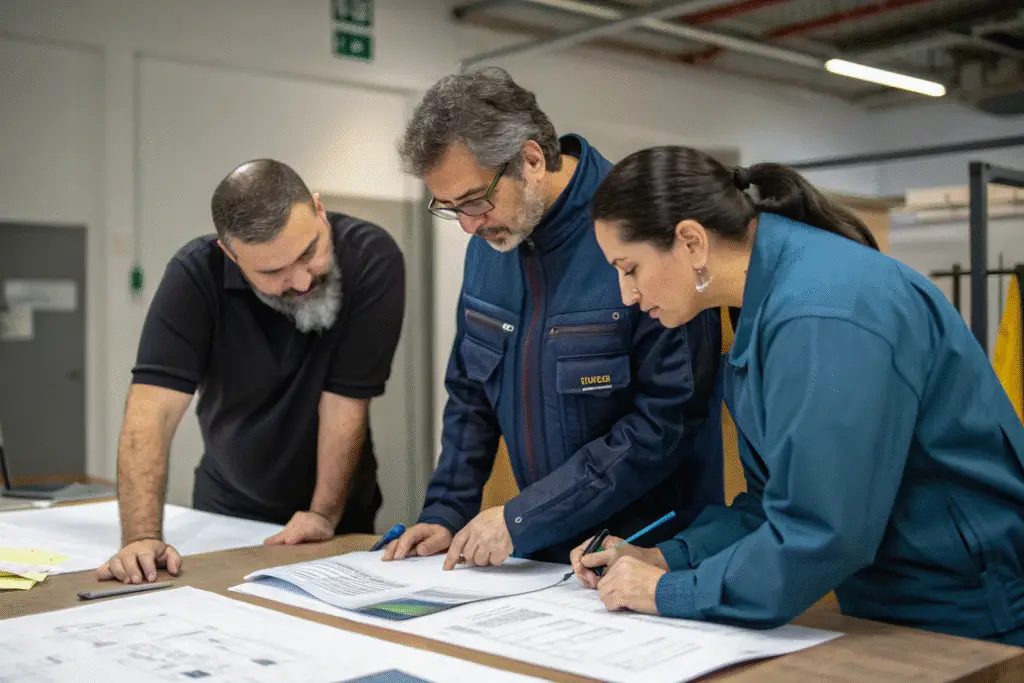
The most successful brands approach specification development as a collaborative process with their manufacturers, leveraging factory expertise while maintaining control over critical design elements. Implementing a structured approach to technical documentation has helped our clients reduce sampling cycles from 3-4 rounds to 1-2 rounds while improving first-sample accuracy.
What resources help brands create better specifications?
Brands can leverage:
- Manufacturer-provided templates and checklists
- Freelance technical designers familiar with Asian manufacturing
- Fashion incubator programs that offer technical design support
- Digital tech pack platforms that guide comprehensive documentation
- Factory consultation during the design development phase
How can manufacturers help brands improve specifications?
Progressive manufacturers like ours provide:
- Detailed templates aligned with our production capabilities
- Specification guidelines explaining what information we need and why
- Technical design consultation services
- Sample reviews with specification improvement suggestions
- Reference examples of well-documented tech packs
Conclusion
Chinese manufacturers require exact design specifications because precision enables the scale, efficiency, and quality consistency that made Chinese manufacturing globally competitive. This requirement stems from practical manufacturing realities rather than bureaucratic preference. By providing comprehensive technical documentation, brands gain greater control over their production outcomes while enabling manufacturers to deliver consistent quality at competitive prices. The initial investment in thorough specification development pays substantial returns through smoother production, fewer surprises, and products that consistently match design vision and quality expectations.
If you need guidance developing manufacturing-ready specifications or want to understand how to optimize your technical documentation for our production systems, our technical team offers complimentary specification reviews and templates. Contact our Business Director Elaine to discuss how we can help you develop specifications that ensure manufacturing success at elaine@fumaoclothing.com.