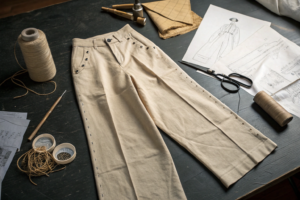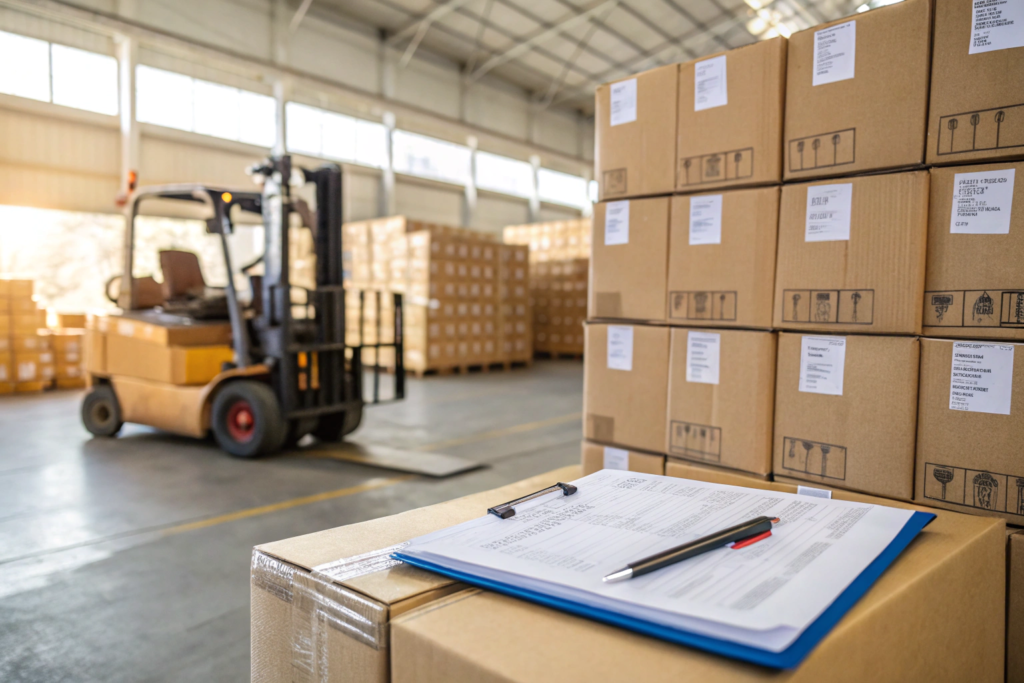
A brand owner in Boston once chose the cheapest freight option she could find. She saved $400 on a 2,000-unit linen pant shipment. The container was transshipped through three ports. It sat in a Panama warehouse for eleven days. The tracking number went dark. She had no idea where her pants were for three weeks. Her launch date came and went. Her website displayed "Coming Soon" while her customers went to a competitor. She told me later, "The $400 I saved in freight cost me $12,000 in lost sales." Logistics is not a cost center. It is a revenue protection strategy.
The best logistics option for shipping linen wide-leg pants to the USA depends on your order volume, your urgency, and your risk tolerance. For bulk orders over 3,000 units, Full Container Load sea freight with a reliable forwarder is the most cost-effective at $0.80 to $1.20 per unit. For smaller orders of 300 to 1,000 units, Less than Container Load or consolidated air freight works well. For urgent restocks of 100 to 500 units, express air freight is the only option that protects the selling season. The "best" choice is the one that aligns your landed cost with your in-store date.
I ship thousands of linen pants to the USA every month. I know the routes, the hidden fees, and the bottlenecks. I want to give you a clear decision framework so you never lose a season to a bad logistics choice.
What Are the Main Shipping Methods and Their True Costs?
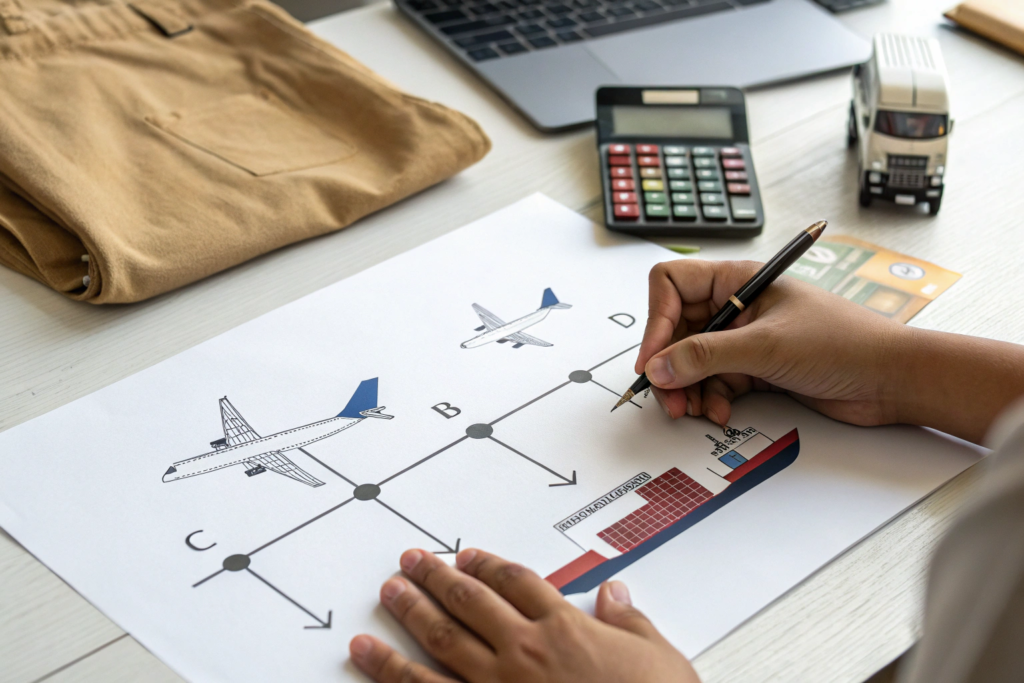
You have three main routes to get linen pants from my factory door in Shanghai to your warehouse door in the USA. Sea freight. Air freight. Express courier. Each has a different cost structure, speed, and headache level. The wrong choice costs money. The right choice makes logistics invisible.
Sea freight is the cost champion at $0.80 to $1.50 per unit for bulk orders, with a transit time of 18 to 25 days port-to-port. Air freight is the speed champion at $3.50 to $5.50 per unit, with a transit time of 5 to 8 days door-to-door. Express courier services like DHL, FedEx, and UPS are the flexibility champion for small urgent orders at $6 to $12 per unit, with a transit time of 3 to 5 days door-to-door.
These are not just prices. They are trade-offs between money and time. Let me break down the real costs with a realistic example.
How Much Does Sea Freight Actually Cost for a Bulk Linen Order?
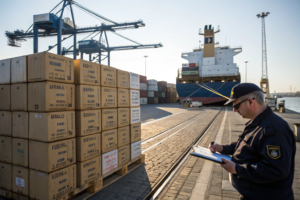
Sea freight has many hands touching the cargo. The base ocean freight is just one line item. The full cost includes origin charges, destination charges, and customs brokerage. Here is a realistic cost breakdown for a 3,000-unit linen wide-leg pant order, packed in 150 cartons, roughly 10 cubic meters, shipping LCL from Shanghai to Los Angeles.
| Cost Component | Cost Type | Estimated Cost (USD) | Cost Per Unit (3000 units) |
|---|---|---|---|
| Origin Terminal Handling | Fixed per CBM | $120 | $0.04 |
| Export Customs Clearance | Fixed per shipment | $85 | $0.03 |
| Ocean Freight (LCL) | Per CBM | $450 | $0.15 |
| Destination Terminal Handling | Fixed per CBM | $180 | $0.06 |
| US Customs Clearance & Broker | Fixed per shipment | $150 | $0.05 |
| US Import Duty (2.8%) | % of FOB value | $714 | $0.24 |
| Final Trucking to Warehouse | Fixed per shipment | $350 | $0.12 |
| Total Logistics Cost | $2,049 | $0.69 |
The total logistics cost is about $0.69 per unit. This is why sea freight is the dominant choice for bulk. The cost per unit becomes very small when spread across thousands of pants. But the time cost is significant. Door-to-door, this LCL shipment takes about 28 to 35 days. You must plan your production calendar around this. The money saved is real. The time invested is real. A brand that can plan ahead saves money. A brand that is reacting to a trend pays for speed.
If you upgrade to a Full Container Load, the cost per unit drops even further. A 40-foot High Cube container holds roughly 20,000 linen pants. The total logistics cost might be $6,000. That is $0.30 per unit. But you need to be a brand selling 20,000 units of one style. Most of my clients are in the 1,000 to 8,000 unit range. For them, LCL sea freight is the sweet spot. At Shanghai Fumao, I coordinate the LCL consolidation. I combine shipments from multiple clients into one container. This gets you a better rate than booking alone. It is a small advantage of working with a factory that ships volume weekly.
When Does Air Freight Become the Smarter Financial Choice?
Air freight looks expensive. $4.00 per unit versus $0.69 per unit. The instinct is to avoid it. But there are situations where air freight is not an expense. It is an investment with a high return.
If you have a hot-selling item that sold out in April and you need 500 units for a May restock, sea freight takes 5 weeks. The pants arrive in June. The peak window is closed. Air freight takes 8 days. The pants arrive in mid-May. They sell at full price. The extra $1,650 in air freight cost is recovered by selling 500 units at a $78 retail price instead of a $49 markdown price. The math works.
Here is the break-even calculation. Sea freight saves you about $3.50 per unit compared to air freight. If a late shipment forces you to mark down the pants by $20 per unit, air freight is cheaper if the delay risk is above 17.5%. In the real world, if you have even a 20% chance of missing the peak season window, air freight is the smarter financial choice. I advise my clients to use a hybrid model. Ship 80% of the order by sea for cost efficiency. Ship 20% by air to arrive early and cover the launch. This gives you inventory for the marketing push while the bulk shipment floats across the Pacific. A brand in Los Angeles used this strategy last summer. Her air shipment arrived May 1st. She launched. She sold out 30% of her stock in the first week. The sea shipment arrived May 20th. She never ran out of inventory. The air freight premium was an insurance policy on her launch momentum.
What Is DDP and Why Is It a Logistics Game-Changer?
I wrote about DDP in another article, but in the context of logistics, it deserves its own explanation. DDP stands for Delivered Duty Paid. It is not a shipping method. It is a shipping responsibility. Under DDP, the factory is responsible for everything from the factory floor to your warehouse floor. Freight, customs, duties, trucking. One price. One point of contact. One entity to blame if something goes wrong.
DDP is the best logistics option for brands that want zero logistics headaches. You pay a single landed cost per unit. The factory manages the forwarder, the customs broker, the duty payment, and the final delivery. There are no surprise port fees. No calls from a broker you have never met. No need to find a trucking company. The pants arrive at your door. You unload them. The transaction is complete.
I offer DDP to all my US clients. Most of them take it after one experience with managing freight themselves.
How Does DDP Eliminate the "Hidden Fee" Panic?
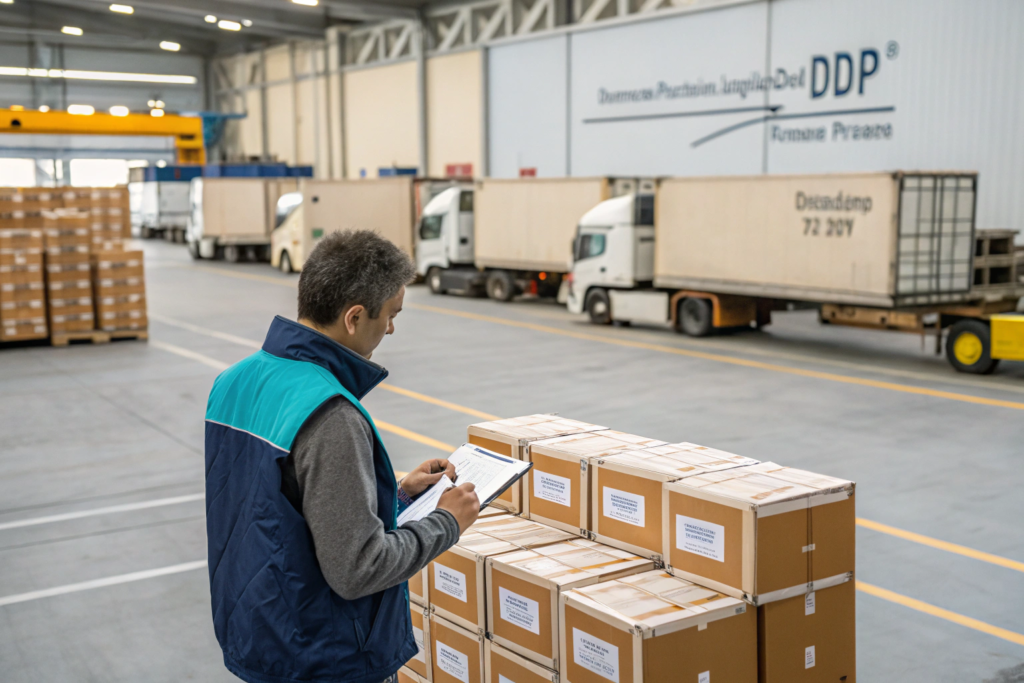
The FOB scenario is full of hidden fees. The factory quotes you a price at the Shanghai port. The forwarder sends you a separate invoice. The customs broker sends you another invoice. The trucker sends you another invoice. The port charges storage because the broker was slow. The total is always more than you budgeted. I have heard this story a hundred times.
Under DDP, the hidden fees are my problem, not yours. I quoted a client in Chicago a DDP price of $11.80 per unit for her 3,000 linen pants. The shipment was randomly selected for a customs exam at Long Beach. The exam fee was $450. The storage during the exam was $320. The total unexpected cost was $770. She never knew. She never paid a cent. The DDP price was the DDP price. I absorbed the exam cost into my margin on the shipment. This is the value of DDP. You buy certainty. You budget exactly what you will pay. Your profit margin is protected from the randomness of global logistics. For a small brand, this certainty is worth more than the theoretical savings of managing freight yourself.
What Are the DDP Options for Different Order Sizes?
DDP works for all order sizes, but the carrier changes.
| Order Size | DDP Method | Transit Time | Estimated DDP Cost per Unit |
|---|---|---|---|
| 50 - 200 units | DDP by Express (DHL/FedEx) | 4 - 7 days | $8.00 - $14.00 |
| 200 - 800 units | DDP by Consolidated Air | 8 - 12 days | $5.00 - $8.00 |
| 800 - 3,000 units | DDP by LCL Sea | 25 - 35 days | $1.50 - $3.00 |
| 3,000+ units | DDP by FCL Sea | 20 - 28 days | $0.80 - $1.50 |
For a sample order or a 100-unit market test, DDP by express courier is fast and simple. You pay one price. The pants are on your doorstep in a week. For a bulk production run, DDP by sea is cost-effective and secure. I use a dedicated US customs broker who knows textile classification. They pre-file the ISF. They clear the goods before the ship even docks. The delivery appointment is booked while the container is at sea. The final mile is a well-choreographed handoff. My DDP clients never talk to a forwarder. They talk to me. I talk to the logistics chain. This is the single biggest quality-of-life improvement for a brand owner. It turns logistics from a part-time job into a notification email that says, "Your pants arrive Thursday."
How Should You Ship Small Orders and Samples?
Not every shipment is a container. The sample stage, the market test stage, the urgent restock stage. These require fast, small-package shipping. The logistics for a 1kg package are different from a 500kg pallet. The carriers are different. The cost structures are different. You need a different playbook.
For samples and small orders under 50 units, express courier services are the only practical choice. DHL, FedEx, and UPS offer door-to-door tracking, fast customs clearance, and delivery within 3 to 7 days. The cost is high per unit but acceptable for the low quantity. A 3kg sample package costs about $35 to $50 to ship. A 30kg box of 50 pants costs about $250 to $350.
The key with small shipments is to avoid the "brokerage surprise." This is a common trap for first-time importers.
How to Avoid Surprise Brokerage Fees on Express Shipments?
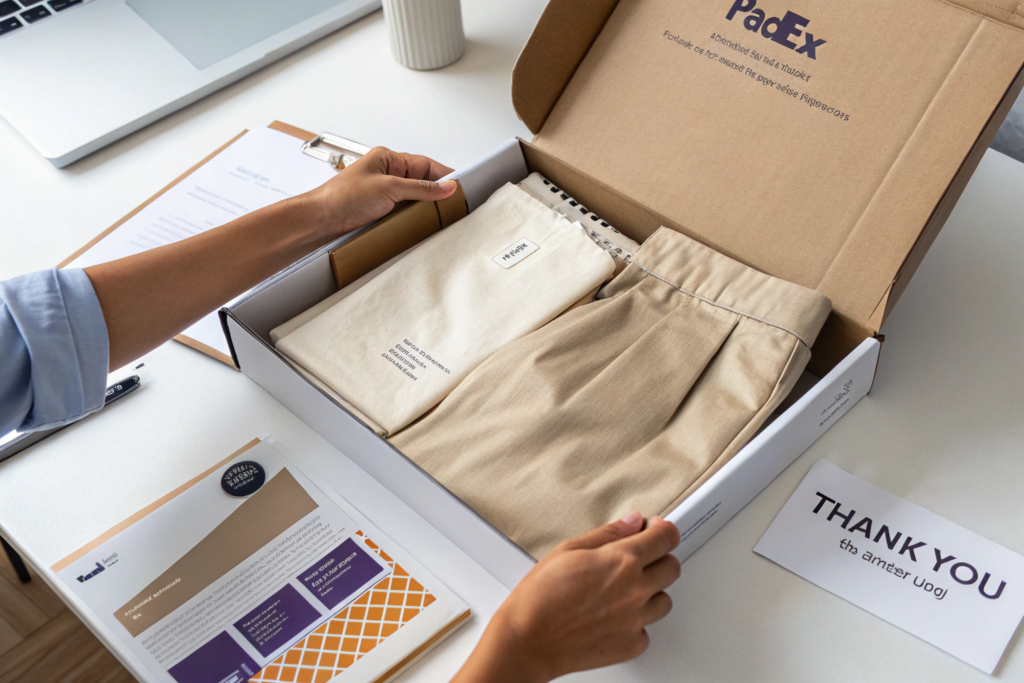
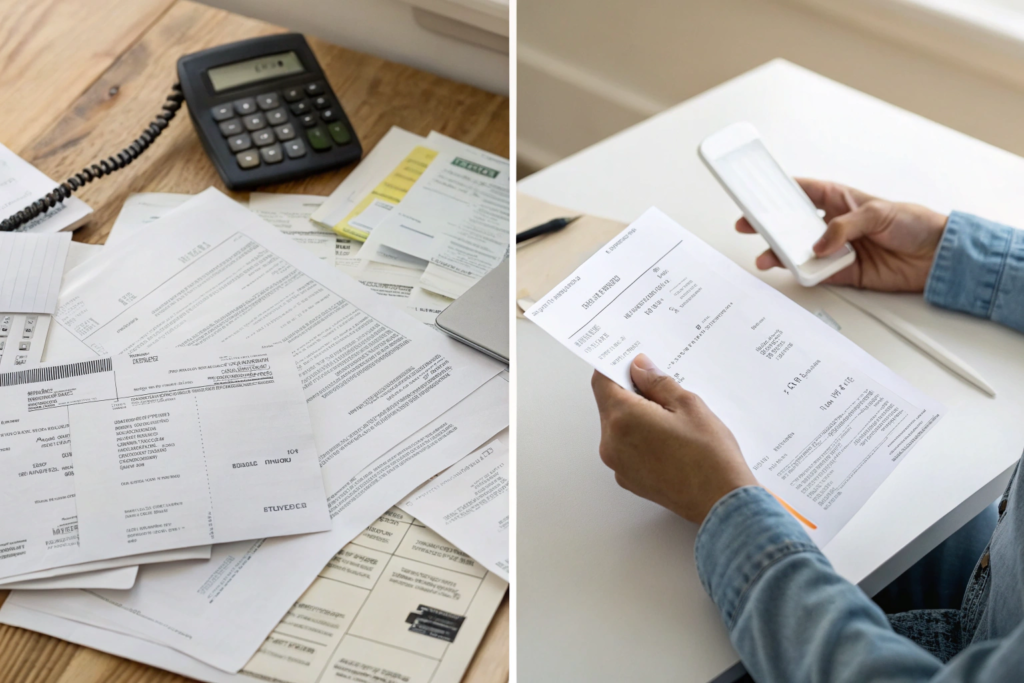
When a package arrives in the USA via DHL or FedEx, the carrier acts as the customs broker. They clear the goods. They pay the duty. Then they send you a bill for the duty plus a "disbursement fee" or "brokerage fee." This bill arrives two weeks after the package. It is a surprise. It can be $50 to $100 on a small shipment.
You can avoid this surprise by choosing DDP shipping for small orders. I include the duty and brokerage in the shipping quote. You pay one price. The invoice is closed. There is no follow-up bill. Alternatively, if you have your own FedEx or DHL account, you can request that the duty and tax be billed to your account directly. The carrier still charges a small advancement fee, but you see it immediately, not two weeks later in a paper letter.
I recommend DDP for all small orders. The price is transparent. The process is clean. A client in New York ordered 30 sample pants from us on DDP. The price was $8.50 per pant plus $95 shipping, all in. The package arrived. The transaction was closed. He never received a mystery invoice. He told me, "I wish everything in my business was this simple." That is the goal.
How to Choose Between a Freight Forwarder and a DDP Factory Service?
You have two ways to handle logistics. You hire your own freight forwarder. Or you use the factory's DDP service. Both work. Both have advocates. The choice depends on your volume, your experience, and your desire for control versus simplicity.
Choose a freight forwarder if you import more than 10 containers per year, you have a dedicated logistics employee, and you want hands-on control of every cost line. Choose the factory's DDP service if you import fewer than 5 containers per year, you are a small team, and you value a single point of accountability over micromanaging the logistics chain. For 90% of my clients, DDP is the better choice.
Let me give you the honest pros and cons from the factory side.
What Are the Hidden Risks of Managing Your Own Forwarder?
The risk is fragmentation of responsibility. The forwarder is responsible for transport. The factory is responsible for the product. If something goes wrong, they blame each other. The factory says, "We delivered to the forwarder's warehouse on time. The delay is their fault." The forwarder says, "The factory gave us the wrong paperwork. The customs hold is their fault." You are in the middle. You have no way to verify who is telling the truth.
Under DDP, the factory owns the entire chain. If there is a delay, there is no argument about who is responsible. I am responsible. I fix it. A delayed truck is my problem. A customs query is my problem. A port strike is my problem. You have one person to call. This alignment of responsibility is the single most powerful argument for DDP. When the factory's money is on the line for the freight, the service level changes. I have a direct incentive to choose a reliable forwarder, to prepare flawless paperwork, and to respond immediately to customs issues. A factory that ships FOB does not share that incentive. Their job ends at the Shanghai port.
When Does It Make Sense to Use Your Own Forwarder?
It makes sense when you have scale. If you are a brand importing 20 containers a year, you can negotiate a forwarder contract directly. You get pricing leverage. You build a relationship with a specific broker who knows your product line. You might have a customs bond and a continuous entry program that speeds clearance. The cost savings at that volume can be significant.
It also makes sense if you have complex multi-country logistics. You might have some goods from China, some from Vietnam, and some from India, all consolidating in a US 3PL. A single forwarder manages that entire flow. In that case, the factory DDP for each origin would be too fragmented.
But for the typical apparel brand importing 2,000 to 8,000 linen pants per season from one primary factory, the DDP model is simpler and often cheaper when you factor in the cost of your own time. I tell my clients to start with DDP. Get a season under your belt. Understand the landed cost. If your volume grows to a point where direct forwarder negotiation makes sense, I am happy to switch to FOB and work with your forwarder. I am flexible. The shipping method should serve the brand, not the factory's preference. At Shanghai Fumao, my shipping manager works seamlessly with both our DDP forwarder and our clients' designated forwarders. The process is the same. The accountability is what shifts.
Conclusion
The best logistics for shipping linen wide-leg pants to the USA is the one that puts your pants on the shelf at the right time for the right cost. Sea freight is the cost backbone of the apparel industry, delivering bulk orders at a fraction of a dollar per unit. Air freight is the emergency lever that rescues a season when speed is the only currency. Express courier is the nimble option for samples and small tests. And DDP is the service wrapper that transforms a chaotic multi-party logistics chain into a single, predictable transaction.
The decision is not permanent. A brand might use express DDP for the first 100-unit market test, air DDP for the 500-unit early launch restock, and sea DDP for the 3,000-unit core order. The logistics mix shifts with the brand's growth. What should not shift is the commitment to a delivery date. The selling season is a hard deadline. The logistics must bow to it, not the other way around.
If you want a logistics plan that is built for your specific order size and your specific launch date, let's talk. Our Business Director, Elaine, can prepare a side-by-side comparison of sea, air, and DDP options for your exact linen wide-leg pant order. Email her at elaine@fumaoclothing.com. Tell her your ideal in-hands date. She will show you the options, the costs, and the transit times. You pick the one that fits your brand's rhythm. We will make sure the pants arrive on time, every time.