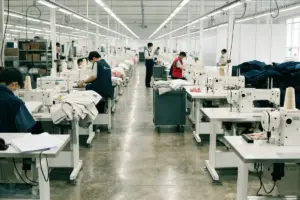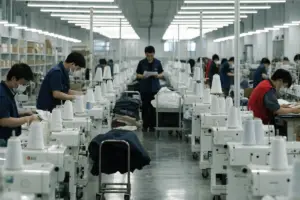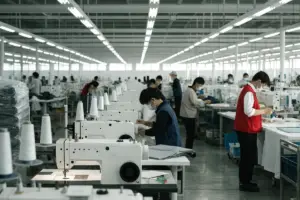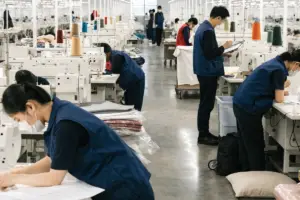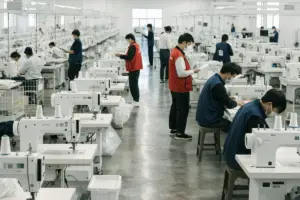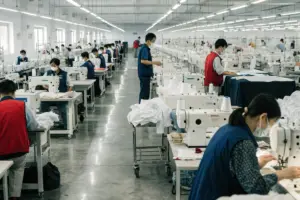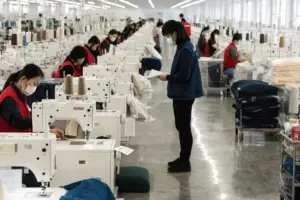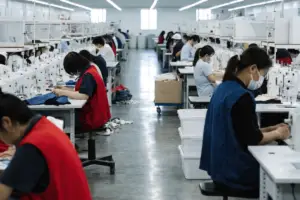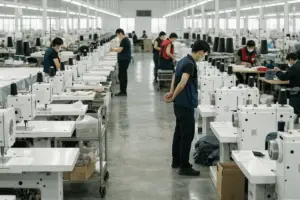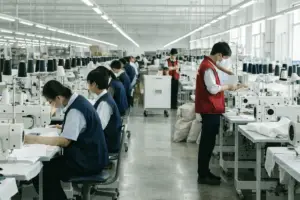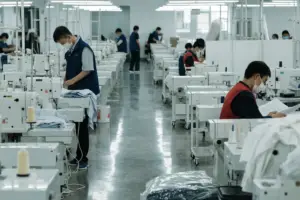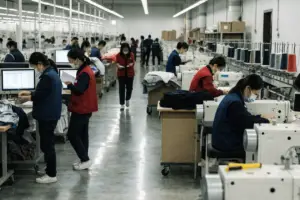
When I first helped brands scale from 100 pieces to 10,000, I thought it was just about bigger orders. But real scaling demands smarter systems, better coordination, and relentless focus on quality at every stage.
Manufacturing custom clothing at scale requires efficient processes, skilled labor, advanced machinery, strict quality controls, and strong communication between brand and factory.
It’s not just about producing more—it’s about producing better, faster, and more consistently.
How to Scale Custom Clothing Production Efficiently?
Early on, I saw brands crash when they tried to grow orders without growing their systems. Scaling custom clothing is about precision planning, not just bigger numbers.
To scale custom clothing production efficiently, streamline workflows, invest in flexible manufacturing, build strong vendor relationships, forecast demand accurately, and prioritize communication at every step.
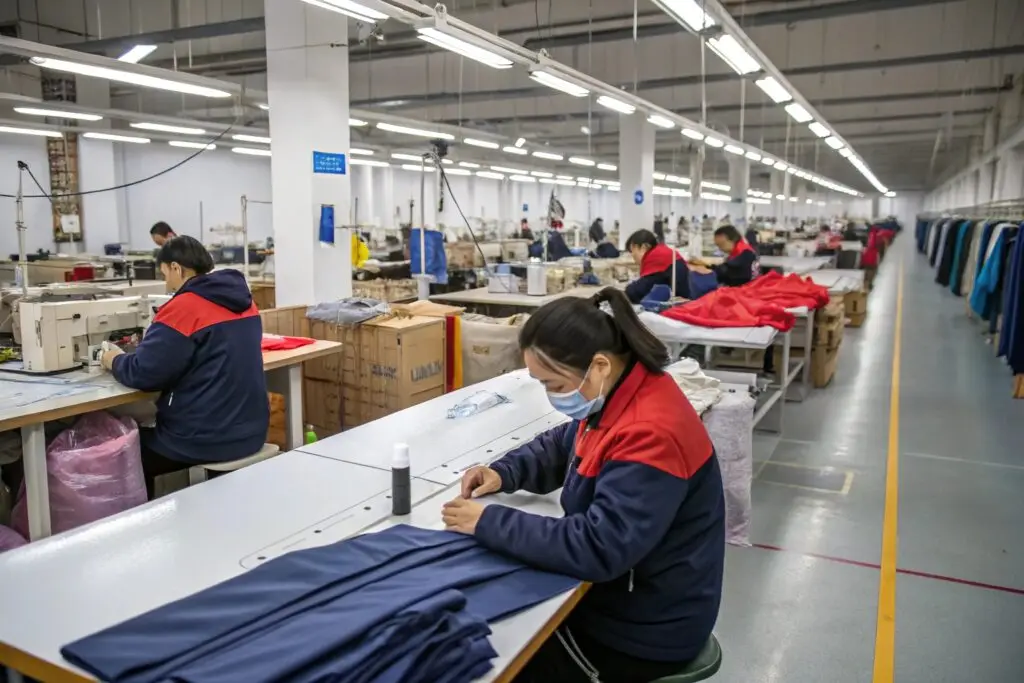
What strategies make custom clothing scalable?
| Strategy | Why It Works |
|---|---|
| Modular Production Lines1 | Faster adaptation to design variations |
| Pre-Approved Materials | Reduce sourcing delays |
| Tech Pack Standardization2 | Clear communication across vendors |
| Batch Processing | Efficient handling of different SKUs |
| Dedicated QC Checkpoints3 | Early error detection |
At our factory, we also set up semi-automated systems—keeping customization options open without slowing down production timelines.
How can brands help factories scale smarter?
- Freeze design specs before production starts
- Plan colorways and size splits early
- Approve all branding elements (tags, labels) upfront
- Allow reasonable lead times for sampling and pre-production
Good scaling feels smooth because it’s designed, not improvised.
Key Challenges in Large-Scale Garment Manufacturing
At first, I thought more orders simply meant hiring more workers. But true scale introduces new, hidden challenges that can quietly break a growing brand.
The key challenges in large-scale garment manufacturing include managing complex logistics, maintaining consistent quality, sourcing enough raw materials, labor force management, and ensuring timely delivery.
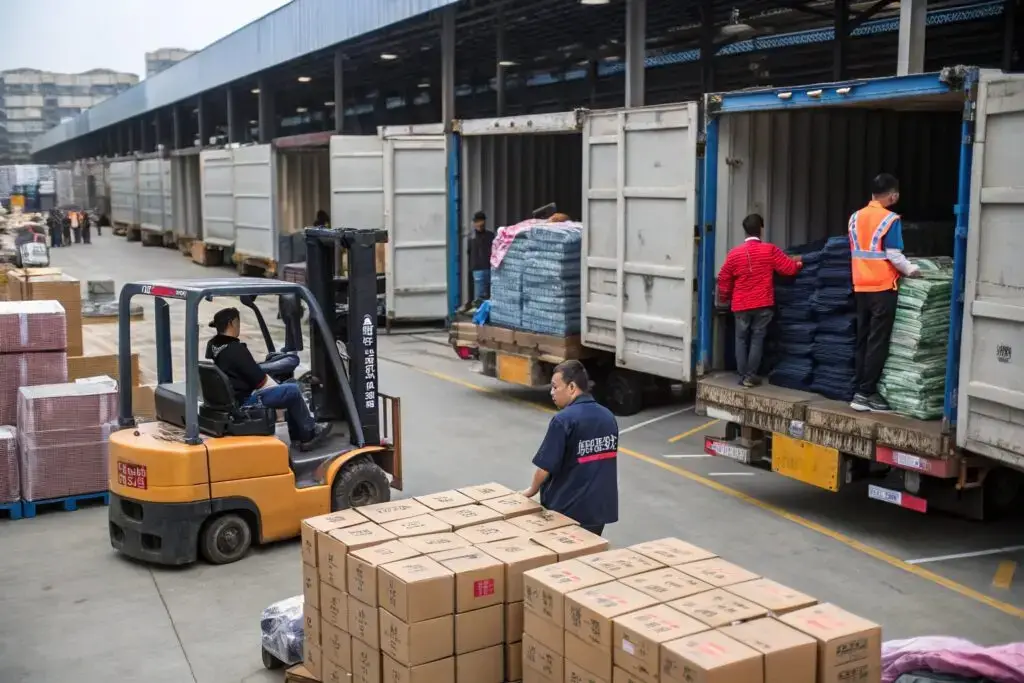
What hurdles appear when scaling garment production?
| Challenge | Why It Becomes Critical |
|---|---|
| Fabric Availability4 | Bulk orders strain supply chains |
| Workforce Consistency | Quality varies with inexperienced workers |
| Communication Gaps5 | Small miscommunications scale into big problems |
| Infrastructure Limits | Machines and space get overloaded |
| Quality Control Bottlenecks6 | Errors multiply if checks aren’t scaled |
Scaling fast without solving these risks leads to:
- Higher defect rates
- Missed delivery windows
- Damaged brand reputation
That’s why smart factories like ours double QC teams and pre-plan production shifts when scaling major orders.
How can brands and factories solve scaling challenges together?
- Agree on contingency plans for sourcing disruptions
- Build flexible labor pools
- Invest early in better tracking and reporting software
- Stay transparent about challenges during production
Scaling is a partnership—not just a purchase order.
What Equipment Is Needed for Mass Apparel Production?
I used to think good sewing machines were enough. But at true scale, specialized equipment becomes the backbone of speed, precision, and cost control.
Mass apparel production requires industrial sewing machines, cutting tables, spreading machines, embroidery and printing equipment, pressing stations, and automated packaging systems.
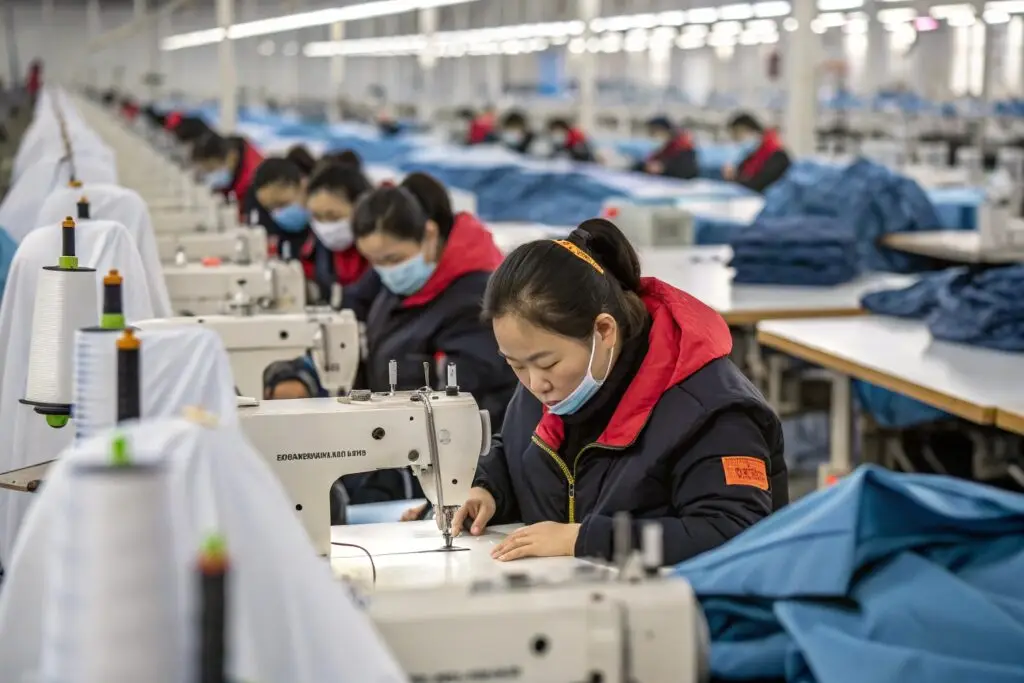
What are the must-have machines for large-scale garment factories?
| Equipment Type | Purpose |
|---|---|
| Automatic Spreading Machines | Layer and prepare fabric rolls quickly |
| CNC Fabric Cutting Machines7 | Precision cuts at high speed |
| Specialized Sewing Machines8 | Flatlock, overlock, buttonhole, bartack |
| Heat Transfer Presses | Apply graphics and labels efficiently |
| Automated Packaging Lines9 | Fold, bag, and label garments at speed |
At our factory, upgrading to CNC cutting alone increased daily output by 30%—while reducing fabric wastage by 10%.
How does the right equipment impact scaling?
- Faster turnaround without sacrificing precision
- Lower unit cost through labor and material efficiency
- Higher consistency across thousands of garments
- Better ability to handle last-minute order changes
Technology isn’t a luxury—it’s a necessity at scale.
How to Maintain Quality While Scaling Production?
Scaling without a quality plan is like building a skyscraper on sand. No matter how fast you grow, it will collapse if the base isn’t solid.
To maintain quality while scaling production, implement layered quality control, train workers regularly, use standard operating procedures (SOPs), and ensure clear communication between all departments.
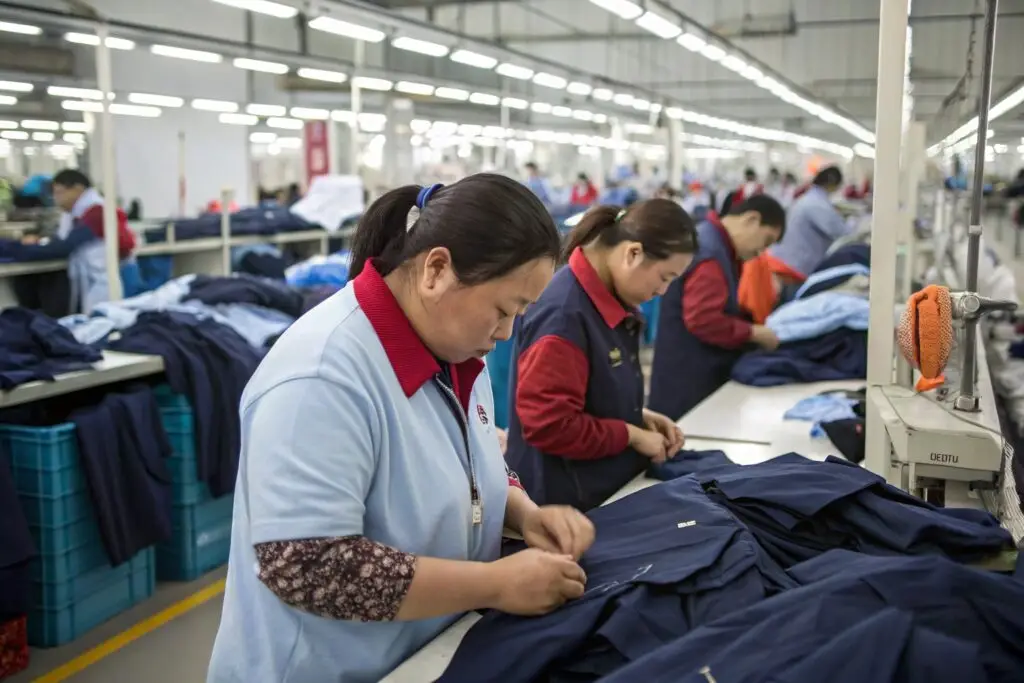
What systems keep quality high during mass production?
| System | How It Protects Quality |
|---|---|
| Inline Inspections | Spot errors early during stitching |
| Pre-Final Inspections | Catch issues before bulk shipment |
| SOPs for Each Product Line10 | Ensure consistency even across shifts |
| Worker Skills Training | Keep craftsmanship standards uniform |
At our facility, we embed QC officers directly into each production line, not just at the end. Prevention beats rework every time.
What can brands do to support quality at scale?
- Provide clear, detailed tech packs and visual references
- Approve first articles (pilot samples) before full production
- Allow pre-shipment inspections by third parties or brand reps
- Schedule reorders and new launches carefully to avoid rush pressure
Quality isn’t an add-on. It’s engineered into every step when you plan to scale.
Conclusion
Manufacturing custom clothing at scale isn’t just about pushing more products out the door. It’s about building smart systems, investing in the right tools, maintaining strong partnerships, and treating quality as the foundation of growth. Scale isn’t a goal—it’s a responsibility.
-
Explore how Modular Production Lines enhance efficiency and adaptability in custom clothing production. ↩
-
Learn how Tech Pack Standardization streamlines communication and reduces errors in the production process. ↩
-
Discover the importance of Dedicated QC Checkpoints in ensuring quality and minimizing production errors. ↩
-
Understanding fabric availability challenges can help brands mitigate supply chain issues and ensure smoother production processes. ↩
-
Improving communication can prevent costly errors and enhance collaboration between brands and factories, leading to better outcomes. ↩
-
Exploring solutions for quality control bottlenecks can enhance product quality and reduce defect rates in production. ↩
-
Explore how CNC Fabric Cutting Machines can enhance precision and efficiency in garment production, leading to significant output improvements. ↩
-
Discover the various types of Specialized Sewing Machines and their roles in enhancing the quality and efficiency of garment manufacturing. ↩
-
Learn about the advantages of Automated Packaging Lines in speeding up the packaging process and reducing labor costs in garment factories. ↩
-
Learn about the importance of Standard Operating Procedures in maintaining consistency and quality across production lines. ↩