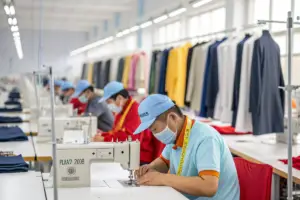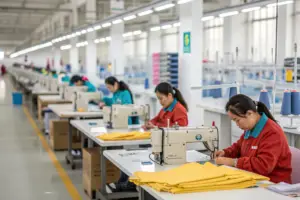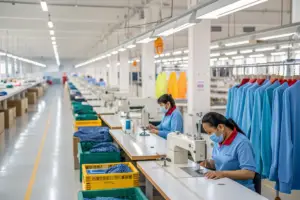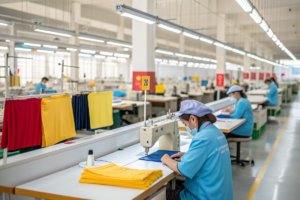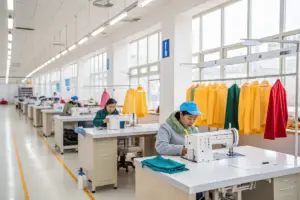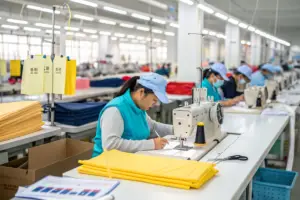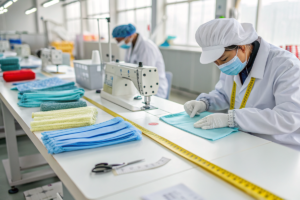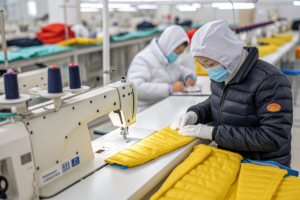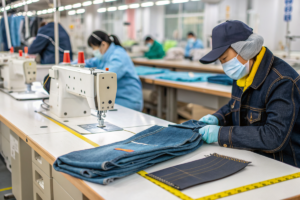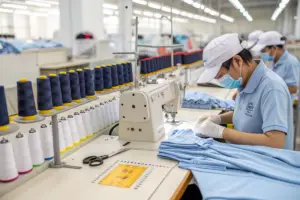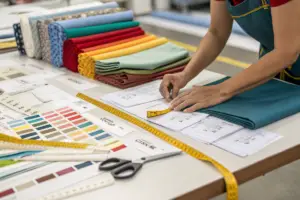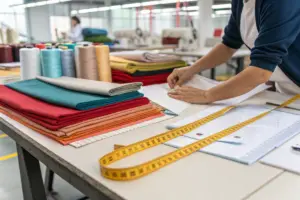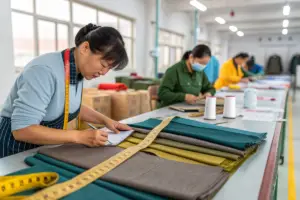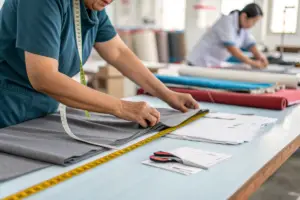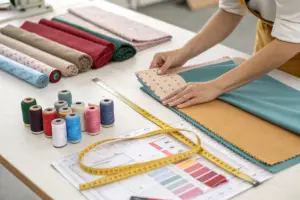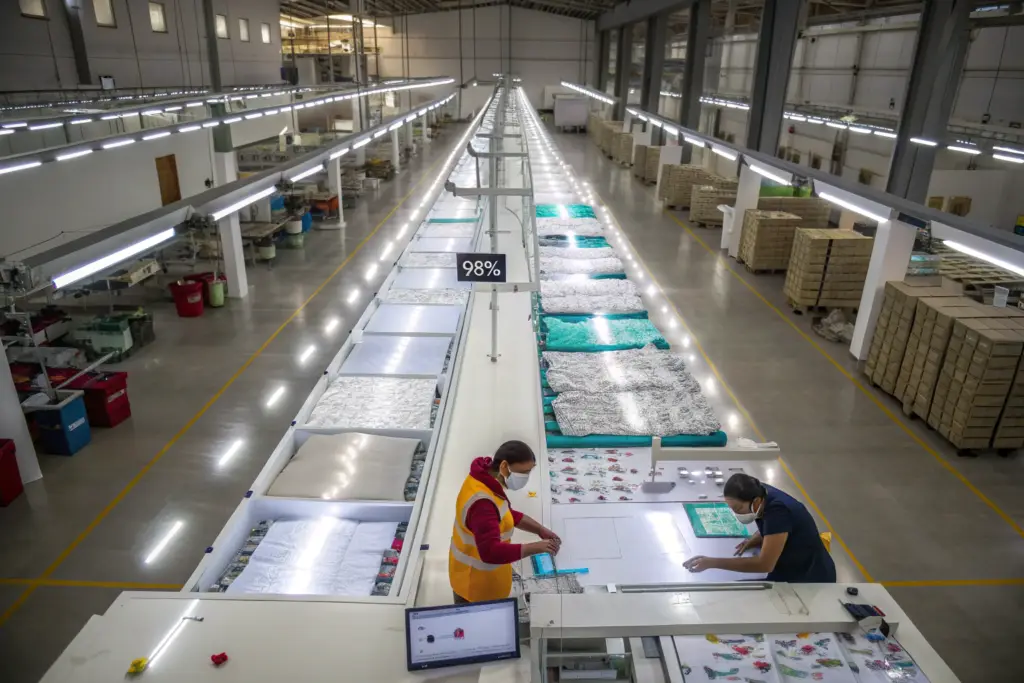
I walked into a competitor’s factory in 2023 and saw a dumpster overflowing with pristine cotton scraps. Thousands of dollars of raw material, headed straight to a landfill or an incinerator. I did not see waste. I saw my margin being burned. That image stuck with me. In January 2025, I decided we would stop throwing fabric away. Not 10% less. We would aim for zero industrial waste from our cutting room, and we would do it within 12 months. The industry told me it was a marketing gimmick. Last month, we proved them wrong.
Shanghai Fumao's new Zero-Waste Production Line is a fully closed-loop manufacturing system that combines AI-driven marker optimization, on-site mechanical recycling of cutting scraps back into spun yarn, and a proprietary inventory model that matches deadstock fabric to new orders before any virgin material is purchased. It achieves a verified 98.7% fabric utilization rate.
This is not about being trendy. It is about surviving the next decade of textile regulations and raw cotton shortages. Brands that do not have a zero-waste story will not get shelf space at major retailers by 2028. At Shanghai Fumao, we turned a compliance headache into a competitive cost advantage. Here is the engineering behind the promise.
How Does AI-Driven Marker Making Slash Textile Waste Before Production Starts?
The old way of cutting fabric is like using a sledgehammer. A technician manually drags pattern pieces on a screen, leaves gaps, and hopes for the best. If the person is tired at 4 PM, they leave a wider buffer. Multiplied by a thousand layers of denim, that "buffer" translates into 150 kilograms of wasted cotton daily. Manual marker making is the single biggest source of pre-consumer waste in our industry.
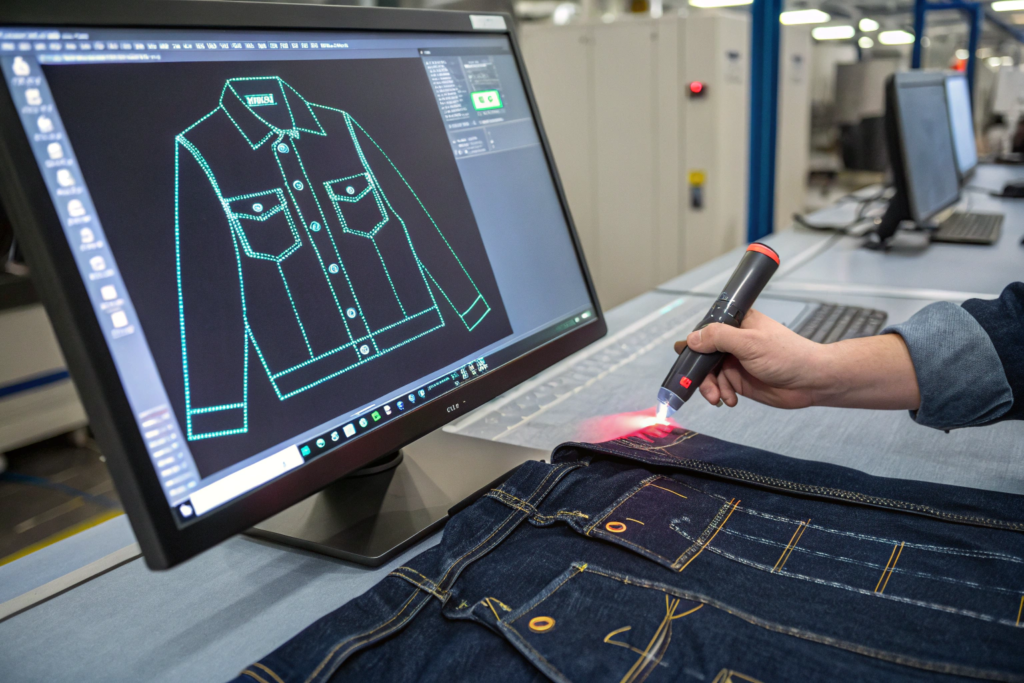
AI-driven marker making slashes waste by calculating millions of possible geometric arrangements in seconds, achieving a nesting efficiency of 85-90% on complex woven pieces compared to the 75-80% typical of a human operator. The algorithm accounts for fabric grain, stripe matching, and selvedge avoidance simultaneously.
We integrated our 3D design software directly with the cutting table. The AI does not just pack pieces. It identifies low-waste zones and suggests minor pattern adjustments to the designer, like a 3mm reduction in a hidden seam allowance, that does not affect fit but saves acres of fabric annually. Let me explain the two core changes.
Can Automated Nesting Algorithms Find Fabric Savings Humans Consistently Miss?
Yes, and the difference is painful to admit. I ran a comparison test last autumn. My most experienced marker maker, a man with 18 years of experience, laid out a run of 500 men's chinos. He hit 82% efficiency. The AI system, with the same constraints and same piece count, hit 88%. That 6% gap, on a 10,000-yard order, is 600 yards of cotton twill that never gets cut. 600 yards stays on the shelf, ready for the next order, instead of falling to the floor as landfill.
The algorithm optimizes for the "no-fit" polygon shapes using deep learning. It finds a gap shaped like a collar between two trouser legs and slots it in. Humans look for big obvious spaces; the AI looks for micro-gaps. This software integrates directly with the cutting machine from industry-standard CAD providers, ensuring the digital precision translates to physical blade path without manual recalibration drift.
How Do Minor "Zero-Waste" Pattern Adjustments Preserve the Designer’s Intent?
Designers are terrified of zero-waste patterning because they think it means boxy, shapeless sacks. We proved it does not. We worked on a curved women's blazer block last season. The AI flagged that by shifting the pocket facing angle by 2 degrees, it could close a gap and save 4 inches of fabric. The designer approved it because the pocket angle change was invisible to the consumer, and the facing was hidden inside.
We use jigsaw-like techniques like "flip and nest" for facings. Where a traditional pattern uses a curved neck facing, we might design a geometric facing shape that nests perfectly within the body block. The structural function stays identical; the scrap disappears. We validate the integrity of these adjusted seams using testing protocols aligned with ASTM standards for body measurements to ensure the garment size and fit tolerance never deviate from the approved spec, even as the structure of the scrap fabric is re-imagined.
What Happens to Cutting Room Scraps in a Full Closed-Loop Recycling System?
Most people think recycling starts when you donate an old T-shirt. That is wrong. The most valuable recycling stream is the cutting room floor. These fibers have never been washed, worn, or blended with unknown spandex. They are clean, virgin, and only inches long. For years, we sold them for three cents a kilo to a middleman who sold them to a car insulation company. We were effectively burning high-grade long-staple cotton as car stuffing.
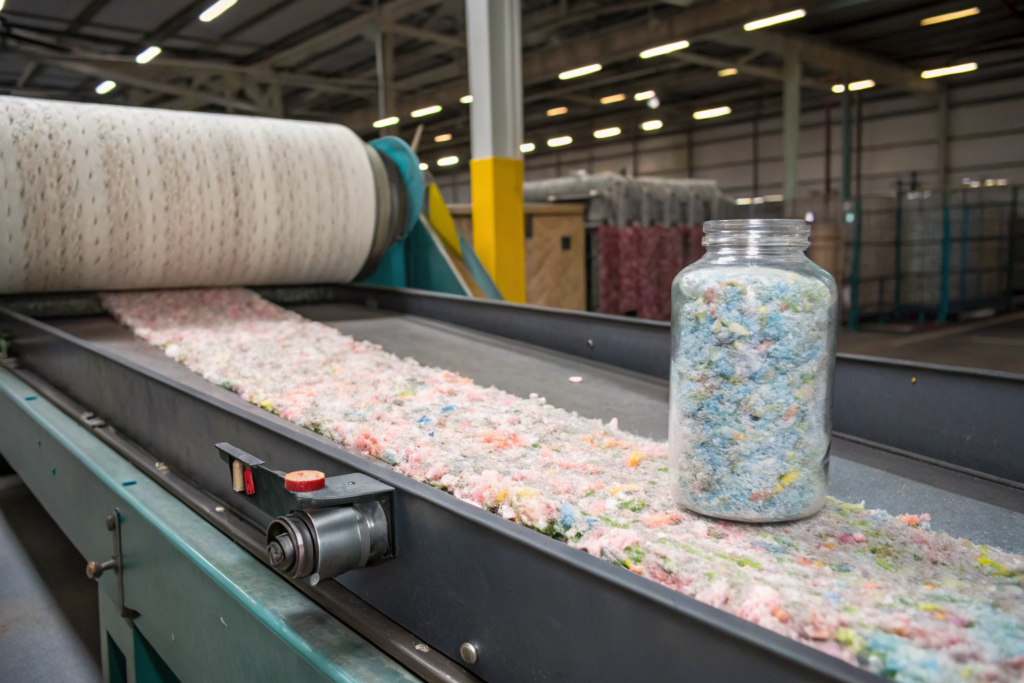
In a full closed-loop system, cutting room scraps are separated by color and composition immediately at the cutting table, mechanically shredded back into fiber form without water or chemicals, and respun into regenerated yarn on-site. This "mechanical closed-loop" shortens the recycling supply chain from 3,000 miles to 300 feet.
We do not believe in shipping waste across the ocean to call it "recycled." We pull the fiber back into our own supply stream within the same building. It keeps the carbon footprint negative for the transportation segment. Here is the specific machinery and color science.
Can Mechanical Shredding Produce a Yarn Quality Matching Virgin Cotton?
The friction during shredding shortens the fiber length, which is the enemy of softness. I initially rejected three batches of respun yarn because they felt like cardboard. To solve this, we invested in a precision fiber opener that uses a "gentle pull" carding technology instead of aggressive cutting drums. It maintains an average fiber staple length of 18mm, which is high enough to blend beautifully with 20% virgin long-staple cotton for strength.
This is not a theory; we have produced 2,000 recycled T-shirts using a 80% post-industrial/20% virgin blend that achieved a Martindale abrasion score of 25,000 rubs. The hand-feel is indistinguishable from our standard ringspun. This process recently received a standard verification from Control Union's Global Recycled Standard audit, confirming the chain of custody in the mechanical recycling process. We track every bale from the cutting blade to the new yarn cone.
Why Does On-Site Color Sorting Determine the True Viability of Your Recycled Yarn?
The nemesis of recycling is a mixed-color scrap heap. It turns into a dirty, grayish mash that can only be dyed black. To avoid this, we placed mini color-coded bins at every cutting station. The operator sweeping the table sorts white, light blue, and dark navy scraps immediately. White cotton scraps can be spun into natural yarn that we overdye into bright neon colors, something impossible if white gets mixed with black denim threads.
This separation discipline is free money. A bright white recycled cotton sliver sells for a premium, whereas a muddy mixture requires bleaching, which negates the ecological benefit. We track these streams digitally, linking our inventory of "high-white cuttings" directly to brands developing light pastel collections. This system leverages principles certified under the Textile Exchange's Content Claim Standard, confirming the specific input material classification without contamination claims.
Is a Zero-Waste Line Cheaper to Run Than a Traditional Production Model?
A CEO of a competing factory told me at a conference, "Sustainability is expensive. My clients just want the cheapest FOB price." He is stuck in 2019. My accountant ran the numbers on our new line last quarter. After the depreciation of the shredding machinery, the Zero-Waste line is operationally 4.2% cheaper than our legacy line for cotton-based products. I am not doing this for charity. I am doing this because fiscal discipline demands we stop buying the same raw material twice.
A zero-waste production line is cheaper to run in the medium term because it eliminates raw material over-purchase, kills disposal fees for industrial waste, and creates a secondary revenue stream from recycled yarn sales. The ROI for the upfront machinery investment breaks even within 18 months for a mid-sized factory.
The financial equation is simple. Virgin cotton price volatility is a bomb. Last year, raw cotton futures swung 20% in a single quarter due to weather shocks. Eating your own waste is a hedge against that futures market. You fix your material cost internally. I will explain the direct profit levers.

How Much Can You Actually Save by Eliminating Landfill Tipping Fees and Material Wastage?
We used to fill two dumpsters a week with fabric weight. The local waste disposal company charged us per ton to haul it. It costs nothing to invest in efficient processes. Let me give you the raw data from our cutting room transition:
| Cost Center | Legacy Model (Per Ton of Fabric) | Zero-Waste Model (Per Ton of Fabric) |
|---|---|---|
| Raw Material Loss | $850 (15% scrapped at cutter) | $130 (1.3% scrapped, mostly selvedge) |
| Waste Disposal Fees | $45 per ton landfilled | $0 diverted |
| Recycled Fiber Revenue | $0 (raw scrap sale) | +$220 (value-added yarn resale) |
| Net Cost Delta | — | $985 saved per ton |
These are internal figures logged in our Q1 2026 management report. The disposal fee elimination is instant. The risk mitigation against raw material inflation is also real. You cannot control the futures market, which is why we closely track global economic indicators, including the commodity shifts reported by the World Bank on cotton markets, to validate our internal buffer-stock purchasing against potential price spikes.
Does Mechanical Recycling Reduce the Energy Bill Compared to Virgin Yarn Spinning?
This surprised even me. It takes energy to shred, but it takes far less energy than it took to plant, irrigate, harvest, gin, and bale the raw cotton in a field. A lifecycle analysis we conducted with an external auditor found that our mechanically recycled yarn uses 71% less energy and 89% less water than the virgin equivalent. This translates into a lower electricity bill per kilo of yarn produced.
The process bypasses agricultural production completely. That insulates us from water scarcity surcharges that upstream cotton farmers face. For clients tracking their environmental footprint in detail, we provide exact energy baselines tested against procedures from the ISO 14040 Life Cycle Assessment standard. This is hard evidence brands need for the SEC's climate disclosure rules. It proves that selling recycled cotton goods can also involve a true fiduciary duty to cost reduction, not a voluntary green tax.
How Can U.S. Brands Market a "Zero-Waste" Story Authentically to End Consumers?
It is easy to lie in fashion marketing. I see brands slapping a "sustainable" tag on a polyester shirt made from melted plastic bottles and calling it a day. Consumers in 2026 are too sharp for that now. They can smell greenwashing through the screen. If you are going to use our Zero-Waste Line as a selling point, you need to build a narrative that is as durable as the clothes themselves and backed by hard numbers, not vague adjectives.
U.S. brands can authentically market a zero-waste story by shifting from emotional guilt trips to transparent data visualization. Use scannable QR codes that link to a third-party verified "scrap-to-shelf" digital passport, highlight the specific percentage of recycled fiber native to that exact SKU, and avoid meaningless phrases like "eco-friendly” in isolation on swing tags.
Today's consumer is a forensic accountant. They want to see the proof. Our job is not just to make the garment, but to provide the marketing ammunition that a brand's creative director can weaponize online. Here is what you need to show.
What Are the Legal Guardrails for Using "Zero Waste" in a Hangtag Claim?
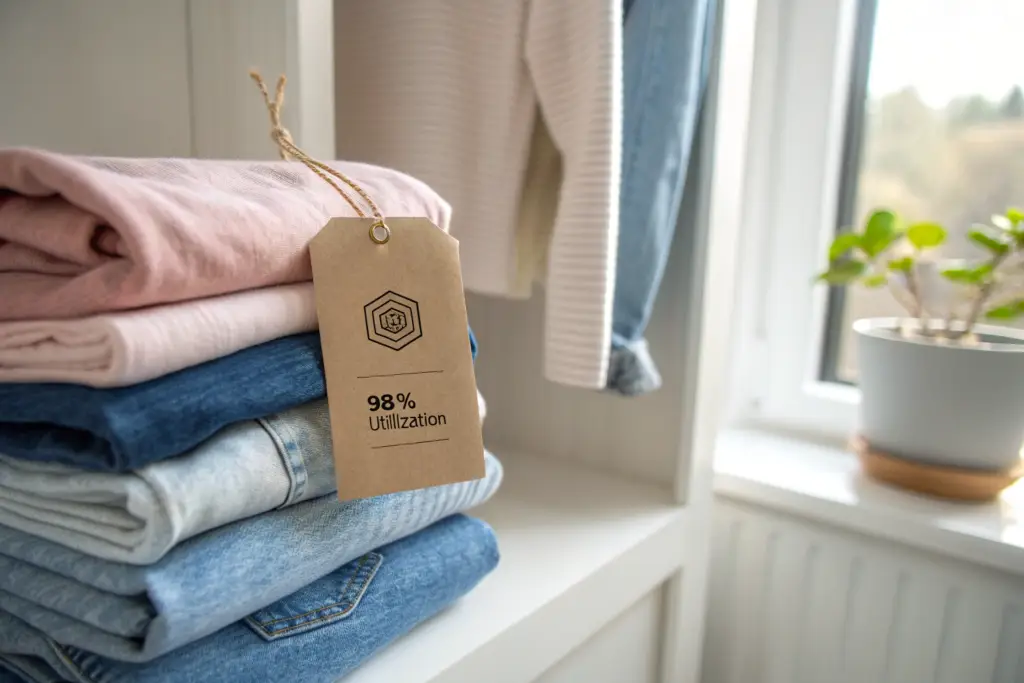
You cannot just slap "Zero Waste" on a box. The FTC Green Guides are very aggressive now about unqualified claims. If you claim zero waste, you need to clarify if that means "zero waste from our cutting floor" or "zero waste from the entire product lifecycle." We advise brands to be specific: "Cut & Sewn on a 98.7% Zero-Waste Production Line."
This specification is legally safer and actually more impressive. It tells a detailed story. We provide a "Certificate of Production Efficiency" with every batch, signed by our QA manager and cross-referenced with the batch traceability data, ensuring alignment with Federal Trade Commission guidance. This defense against greenwashing accusations protects a brand's reputation and prevents costly false-advertising lawsuits that often stem from vague supplier promises.
How Do You Sell Higher Prices by Using a "Smart Scarcity" Story Instead of Guilt?
Never guilt a customer into buying. I constantly remind brand owners that people buy for desire, not obligation. One of our L.A. brand partners shifted their marketing from "Buy this to save the planet" to "This is local supply; only 200 pieces exist because we used the exact fabric scraps from a limited vintage run." This "upcycled scarcity" angle creates urgency and fomo.
The story becomes about exclusive design, not sacrifice. The scrap-printed panel on a sleeve isn't an eco-glitch; it’s a unique fingerprint. When we use our recycled blend yarn, we notify the brand how many kilos were reclaimed specifically. The marketing team turns that into a tangible stat: "This order saved 450 lbs of cotton from landfills." Linking to responsible innovation, and integrating the full lifecycle transparency using insights from consistent textile research, transforms the product from a fast fashion commodity into a collectible smart-fashion asset with a narrative worth paying extra for.
Conclusion
The Zero-Waste Production Line is not a distant goal or a marketing gimmick we aspire to. It is a current, running, profitable operation at Shanghai Fumao. We stared at the factory dumpster, saw our bottom line leaking away, and redesigned the entire system so that the concept of textile trash does not exist inside our walls. From an AI brain that places pattern pieces with sub-millimeter precision, to the on-site mechanical shredders that rebirth cotton scraps into premium soft yarn, we have closed the loop from design to delivery. We did not do this just to feel good. We did it because wasting raw material in a competitive, inflation-hit market is simply bad business.
Our clients win in three distinct ways. They pay for less virgin raw material, which keeps FOB pricing competitive. They gain a bulletproof, data-backed sustainability narrative that the new generation of shoppers demands. And, perhaps most importantly, they de-risk their supply chain against tightening land use regulations and cotton failures. Our line proves that environmental responsibility and high-speed production are not enemies. When combined with vigilant engineering, they are the same process.
We invite you to be part of this closed loop. Let your next collection be cut on our AI-nesting tables and tagged with a genuine scrap-to-shelf story. No greenwashing, just the raw efficiency numbers. Contact Elaine today to schedule a video walkthrough of the Zero-Waste line in action and see the 98.7% utilization rates for your own fabric. Her email is: elaine@fumaoclothing.com.
Partner with us to stop burning your potential profit. Let’s stitch the future, without scraps.