I watched a 26-year-old former fitness instructor build a six-figure apparel brand in 14 months. She started with $8,000 in savings. She had no fashion design training. No retail connections. No warehouse space. What she had was a clear understanding of her customer, a specific niche, and a factory partner willing to produce small quantities with her own label sewn in. She sold her first batch of 150 custom leggings to her Instagram followers in four days. She used the profit to fund a second production run of 300 units. By month eight, she was ordering 1,000 units per style. By month fourteen, she had quit her fitness instructor job and was running her brand full-time. She did not invent a new fabric. She did not patent a new design. She private labeled an existing product with her own brand identity, and she built a loyal community around it. The custom private label model made her business possible.
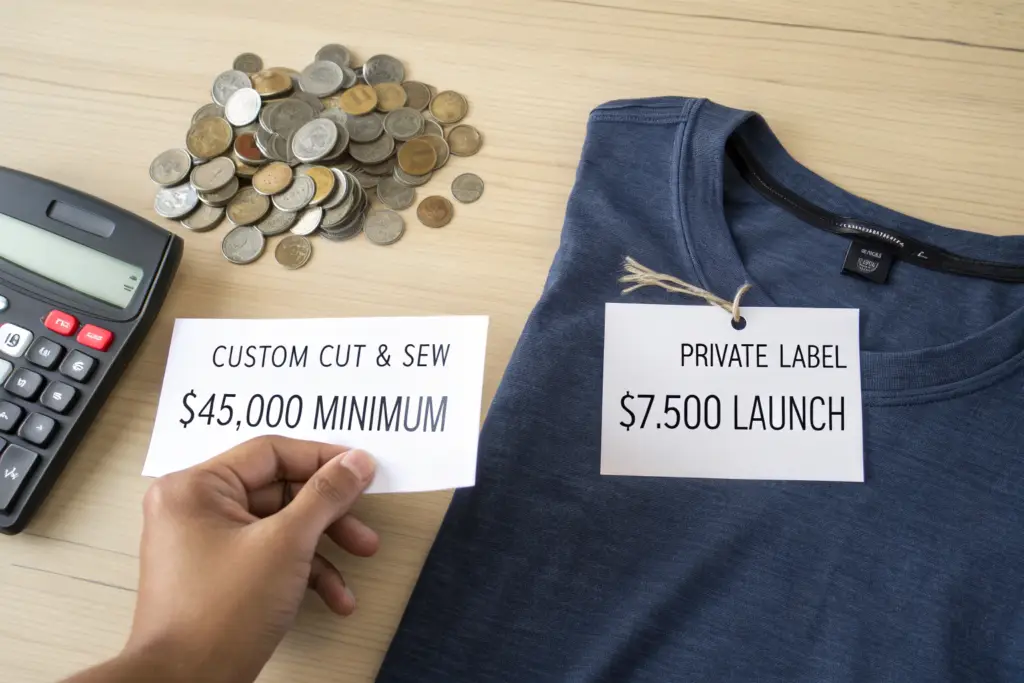
The custom private label apparel market is highly profitable for new entrepreneurs because it eliminates the three largest costs that kill startup fashion brands: product development, minimum order quantity barriers, and inventory waste. In the private label model, the entrepreneur selects from existing garment styles and fabric options, customizes the labels, hang tags, and packaging, and orders production quantities as low as 100 units per style. The development cost is near zero because the factory already has the patterns, the fabric sourcing, and the construction specifications. The MOQ is accessible because the factory can combine the entrepreneur’s small order with other clients using the same base style. The inventory risk is contained because the entrepreneur can test a design with a small batch before committing to a large production run. The private label model allows an entrepreneur to launch a clothing brand with $5,000 to $10,000 instead of the $50,000 to $100,000 required for a fully custom cut-and-sew collection.
The private label model is not a shortcut to easy money. It is a structural advantage that removes the traditional barriers to entry in the apparel industry. The entrepreneur does not need to find a textile mill, develop a pattern, or negotiate with a cutting room. The factory has already done that work. The entrepreneur focuses on what actually creates value: identifying a customer, building a brand, and marketing the product. I want to share exactly how this model works, why the unit economics are so favorable, and how new entrepreneurs can use it to launch a profitable brand faster than any previous generation.
How Does the Private Label Business Model Dramatically Lower Startup Costs Compared to Full Custom Manufacturing?
A brand owner I met at a trade show told me he spent $52,000 before he sold his first shirt. He hired a freelance designer to create original patterns. He paid a pattern maker to draft and grade the designs. He sourced custom fabric from a mill that required a 2,000-meter minimum. He paid for sampling, fitting, and revisions. By the time his first production run was ready, he had burned through his entire startup budget on development. He had no money left for marketing. The shirts were beautiful. Nobody knew they existed. His experience is typical of the full custom manufacturing path. It rewards those with deep pockets and punishes those without them.
Private label manufacturing dramatically lowers startup costs by eliminating the entire product development phase. The factory has already invested in the pattern design, the fabric sourcing, the sizing grade, and the construction testing. The entrepreneur selects a base style from the factory’s catalog, chooses from available fabric options and colorways, and customizes the branding elements: the woven label, the hang tag, the care label, and the packaging. The cost to launch a private label brand is typically $5,000 to $15,000, compared to $40,000 to $100,000 for a fully custom collection. The per-unit cost may be slightly higher than a custom production run at high volume, but the total startup capital required is an order of magnitude lower. This capital efficiency allows entrepreneurs to test a market, validate a brand concept, and generate revenue before committing to custom development. The private label model turns apparel entrepreneurship from a capital-intensive gamble into a lean, testable business.
The math is compelling. An entrepreneur with $10,000 can launch a private label brand with 200 units across three styles, have money left for basic marketing, and generate revenue within 60 days. The same entrepreneur on the custom path would still be waiting for pattern samples while their savings account drained to zero. Speed to market is a financial advantage, not just a convenience.
What Specific Development Costs Does the Factory Absorb That a Startup Would Otherwise Pay Out-of-Pocket?
The factory absorbs five specific development costs in a private label arrangement. First, pattern development. A professional pattern maker charges $200 to $500 per style for a graded pattern. For a collection of six styles, the cost is $1,200 to $3,000. Second, sample making. Each sample costs $100 to $300 in labor and materials. A startup might need three rounds of samples to get the fit right, totaling $1,800 to $5,400 for six styles. Third, fabric sourcing. A custom fabric order from a mill requires a minimum order of 1,000 to 3,000 meters. At an average cost of $4 per meter, the fabric alone ties up $4,000 to $12,000 before a single garment is sewn. Fourth, fabric testing. Shrinkage, colorfastness, and pilling tests cost $500 to $1,500 for a collection. Fifth, trim development. Custom buttons, custom zipper pullers, and custom printed linings require mold fees and minimum order quantities that add $1,000 to $3,000 in upfront costs. The private label factory has already paid these costs and amortized them across multiple clients. The startup pays none of them. The savings represent the difference between a business that can launch and one that cannot. The private label cost structure is the primary reason new entrepreneurs can enter the apparel market with limited capital.
Why Is the “No MOQ” or Low MOQ Private Label Factory the Single Greatest Enabler of New Brand Testing?
The minimum order quantity is the gatekeeper of the apparel industry. A custom factory that demands 1,000 units per style per color is demanding that the entrepreneur risk $20,000 to $40,000 on a single design that has never been tested in the market. The entrepreneur must guess correctly. If they guess wrong, the inventory sits in a warehouse, and the business dies. Low MOQ private label factories remove this risk. An entrepreneur can order 50 to 100 units of a style, test it with real customers, and use the sales data to decide whether to reorder. A $2,000 test batch replaces a $20,000 gamble. We saw this play out with a brand that tested three hoodie styles with 80 units each. One style sold out in five days. One sold steadily over three weeks. One sold only 12 units. The entrepreneur reordered the winner, kept the steady seller, and discontinued the loser. The total test cost was $4,800. If she had been forced to order 1,000 units of each style, she would have lost $18,000 on the failed style. The low MOQ model turns product development from a speculative bet into an evidence-based process. The low MOQ private label advantage is the single greatest structural advantage available to new apparel entrepreneurs today.
What Unit Economics Make Private Label Apparel a High-Margin Business from Day One?
A private label brand owner I work with shared her unit economics with me last quarter. She sells a premium French terry sweatshirt. The landed cost, including the garment, the custom label, the hang tag, the poly bag, and the freight allocation, is $14.20. She sells it direct-to-consumer on her website for $78. Her gross margin is 82%. After deducting her Shopify subscription, her email marketing software, her payment processing fees, and her shipping costs, her net margin is still above 55%. She is not a pricing genius. She is operating the standard private label margin model that has worked for decades. Buy a quality base garment at wholesale cost. Add your brand identity. Sell it at a price that reflects the brand value you have created. The difference between the manufacturing cost and the perceived value is the entrepreneur’s profit.
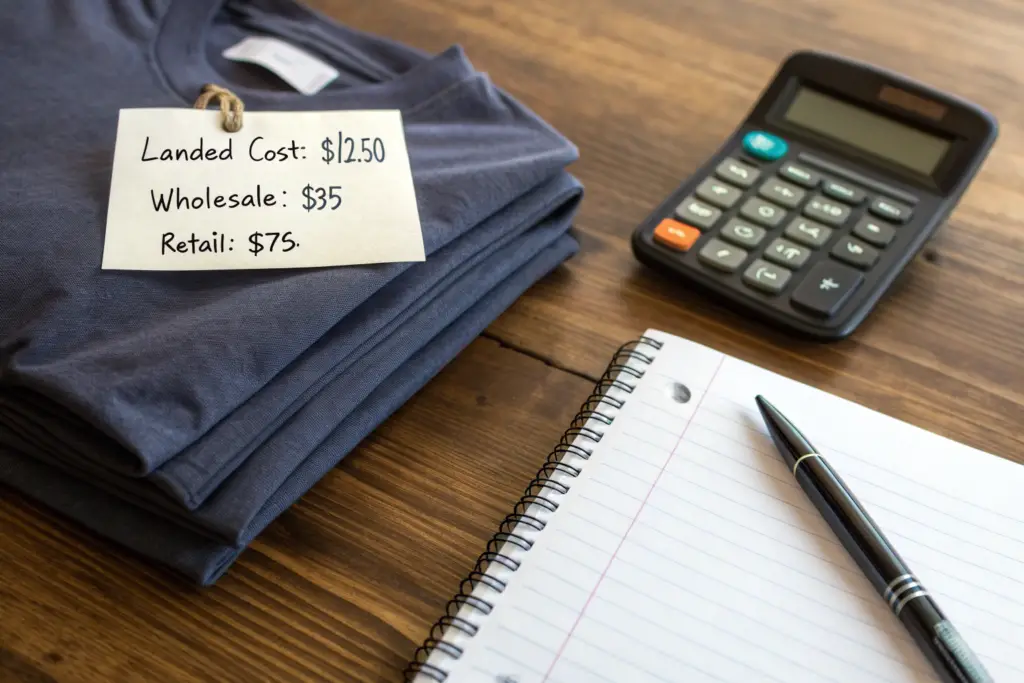
Private label apparel delivers high margins because the entrepreneur captures the full value of the brand markup without sharing it with a middleman. The landed cost of a private label garment typically ranges from $6 to $20 depending on the garment category and fabric quality. The direct-to-consumer retail price typically ranges from $35 to $150, reflecting a 3x to 8x markup over landed cost. The gross margin covers the entrepreneur’s marketing costs, operating expenses, and profit. The net profit margin for a well-run private label brand typically ranges from 25% to 45%, which compares favorably to most consumer product categories. The margin structure is sustainable because the entrepreneur owns the brand relationship with the customer. The customer is buying the brand’s identity, community, and values, not just the physical garment. The value is created in the brand, not in the manufacturing, and the entrepreneur keeps the full value of what they created.
The unit economics work because the private label model separates the commodity cost of the garment from the premium value of the brand. The same hoodie that costs $14 to manufacture can sell for $40, $80, or $140 depending on the strength of the brand that is attached to it. The entrepreneur’s job is to build the brand. The factory’s job is to provide the garment at a competitive cost. Each party does what they do best.
How Does the “Landed Cost to Retail Price” Multiplier Compare Between Private Label and Major Commercial Brands?
Major commercial brands typically operate on a 4x to 6x multiplier from landed cost to retail price. A Nike hoodie that costs $16 to land sells for $80 to $100. The multiplier covers the brand’s marketing, athlete endorsements, retail distribution, and corporate overhead. A private label brand can operate on a 5x to 8x multiplier because the cost structure is leaner. The private label entrepreneur does not pay for athlete endorsements, flagship retail stores, or a corporate headquarters. The marketing is organic social media and influencer partnerships. The distribution is direct-to-consumer through a Shopify store. The overhead is a laptop and a small warehouse corner. The higher multiplier translates into higher margins at the same retail price, or the ability to offer a lower retail price while maintaining healthy margins. The direct-to-consumer margin advantage is a structural competitive advantage that private label brands enjoy over traditional retail brands.
What Is the Breakeven Point for a Small Private Label Run After Accounting for Marketing and Shipping?
The breakeven calculation is straightforward. Take the landed cost per unit. Add the marketing cost per acquisition. Add the shipping cost. Add the transaction fee. The total is the cost per unit sold. Compare this to the retail price. The difference is the net profit per unit. Divide the total startup investment by the net profit per unit. The result is the number of units you must sell to break even. A typical first-run private label scenario works like this. Landed cost: $12 per unit. Marketing cost per acquisition: $8 per unit (a realistic number for a new brand learning Facebook ads). Shipping cost: $5 per unit (subsidized by the customer paying a portion). Transaction fee: $3 per unit. Total cost per unit sold: $28. Retail price: $64. Net profit per unit: $36. Total startup investment for 200 units: $2,400 in product cost, plus $1,000 in branding and website setup, totaling $3,400. Breakeven point: $3,400 divided by $36 equals 95 units sold. The remaining 105 units in the production run are pure profit, generating $3,780. The entrepreneur recovers their investment and makes a profit on the first production run. The startup breakeven analysis for private label shows why the model is so attractive. The numbers work on small volumes.
How Can a New Entrepreneur Build Brand Equity on Top of an Existing Factory Style Without Looking Generic?
A brand owner I work with sells a basic crewneck sweatshirt for $85. The same sweatshirt, from the same factory, with the same fabric, is sold by another brand for $35. The difference is not the garment. It is the brand experience wrapped around it. Her sweatshirt arrives in a custom box with a handwritten thank-you note. Inside the box, the sweatshirt is folded around a lavender sachet. The hang tag tells the story of the factory where it was made. The care label includes a QR code that links to a video of the sewing team. The garment is physically identical to the $35 version. The customer pays $85 because she is buying membership in a brand world, not just a piece of cotton fleece.
New entrepreneurs build brand equity on factory base styles by investing in five layers of brand experience that transform a generic garment into a branded product. Layer one is physical branding: the custom woven label, the hang tag, the care label, and the packaging. Layer two is visual storytelling: professional product photography, lifestyle imagery, and a cohesive Instagram aesthetic that creates an aspirational world around the product. Layer three is community building: the founder’s personal story, the brand’s values, and a private community of customers who feel connected to the mission. Layer four is detail obsession: a signature color palette, a custom trim treatment, a unique fold technique. Layer five is customer experience: the unboxing moment, the thank-you note, the surprise gift. The factory provides the garment. The entrepreneur provides the five layers. Together, they create a product that feels entirely original, even if the base style is available to other brands.
The brand is what the customer buys. The garment is what the customer wears. The two are connected but distinct. A generic garment with a strong brand sells. A beautiful garment with no brand sits on a clearance rack. The private label entrepreneur who understands this distinction wins.
What Are the Highest-Impact Branding Touchpoints That Justify a 5x Price Premium Over the Base Garment Cost?
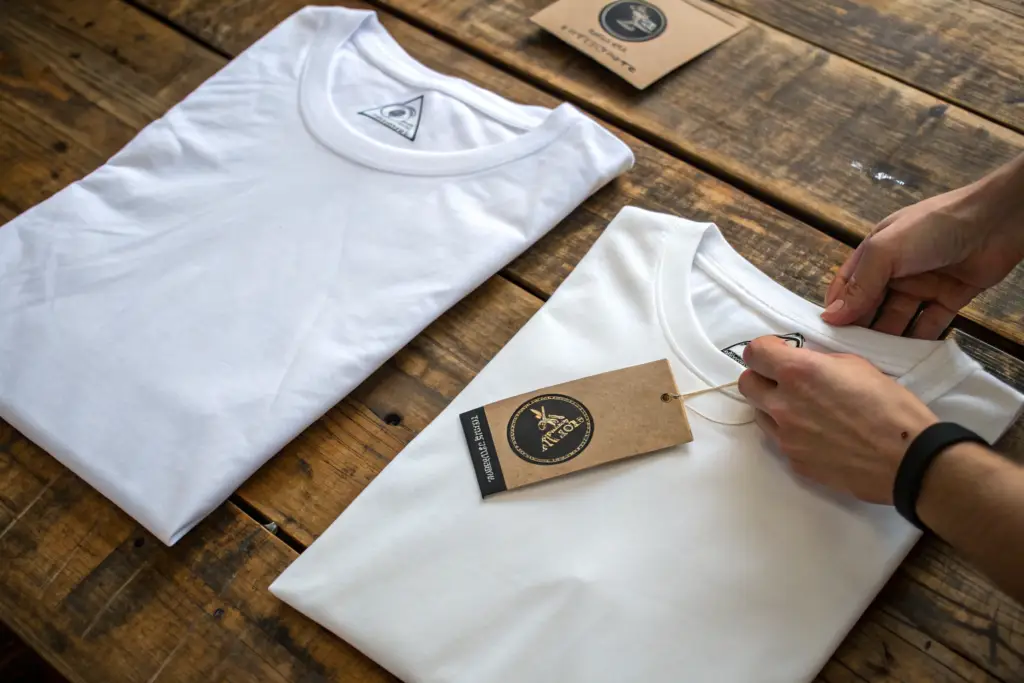
The five highest-impact branding touchpoints, ranked by their effect on perceived value, are the following. First, the unboxing experience. A customer who opens a custom-branded box with tissue paper, a sticker, and a personalized note feels they have received a premium product regardless of the garment cost. Second, the product photography. Photos that show the garment on a model in an aspirational setting, a city street, a mountain trail, a sunlit apartment, create a lifestyle association that justifies a higher price. Third, the founder story. A brand with a clear why, a personal mission, a specific problem being solved, connects emotionally with customers who share those values. Fourth, the community proof. Customer photos, reviews, and social media posts from real people wearing the product provide social validation that a new brand needs. Fifth, the detail finish. A custom woven label with a soft hand feel, a hang tag printed on textured recycled paper, a care label with a QR code, these small touches signal that the brand cares about every aspect of the product. The branding touchpoints that increase perceived value are well understood in consumer psychology. The private label entrepreneur who executes on all five will sell at a premium. The one who executes on none will compete on price.
The unboxing moment is the point of highest emotional engagement between the customer and the brand. The customer has anticipated the delivery. They open the package with excitement. If the experience is beautiful and surprising, they pull out their phone and film it. That video, shared to their social media, is free marketing that is more persuasive than any advertisement. The unboxing kit must include these elements. A custom-printed shipping mailer or box with the brand logo. The garment folded neatly and wrapped in branded tissue paper. A woven label sewn into the garment that looks and feels premium. A hang tag that tells the brand story or the product’s origin. A small unexpected gift: a sticker pack, a postcard, a fabric swatch, a discount code for a friend. The cost to add these elements is $1.50 to $3.00 per unit. The marketing value of one customer unboxing video that generates 500 views is easily worth $50 to $100 in equivalent advertising spend. The unboxing experience design is one of the highest-return investments a private label brand can make.
Conclusion
The custom private label apparel market is highly profitable for new entrepreneurs because it solves the fundamental problem that has always made starting a clothing brand expensive and risky. It removes the product development cost barrier by using factory-developed styles. It removes the minimum order quantity barrier by allowing test batches as low as 50 to 100 units. It preserves the brand margin by allowing the entrepreneur to capture the full value of the brand markup. And it provides the blank canvas on which a skilled entrepreneur can build a brand identity that transforms a generic garment into a premium product.
The fitness instructor who built a six-figure brand did not succeed because she found a magical factory. She succeeded because she understood her customer deeply, built a brand that her customer wanted to belong to, and used the private label model to launch with $8,000 instead of $80,000. The model gave her access. Her execution turned access into profit.
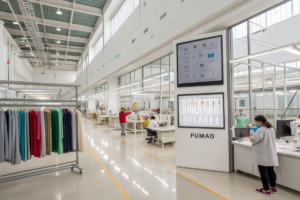
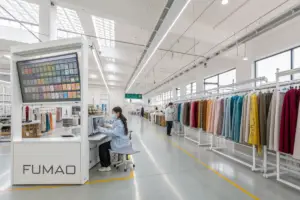
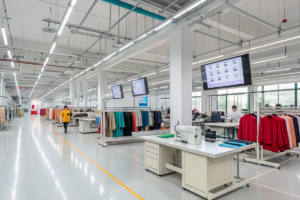
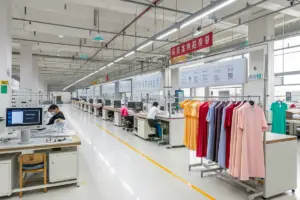
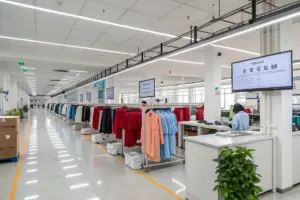
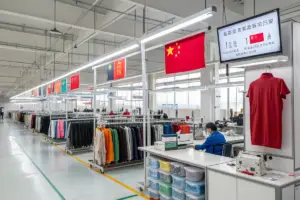
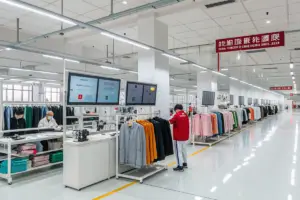
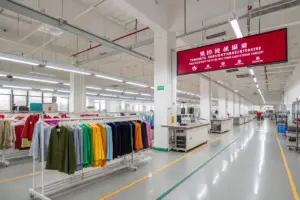
At Shanghai Fumao, we offer a private label program specifically designed for new entrepreneurs and emerging brands. Our program includes a curated catalog of base styles across knitwear, woven garments, and outerwear. Each style is available with multiple fabric options and a range of branding customization: woven labels, hang tags, care labels, and packaging. Our MOQ starts at 100 units per style, with the flexibility to mix sizes and colors within that quantity. We provide tech pack support, fabric swatch sampling, and pre-production sample approval. We ship DDP to your door.
If you are an entrepreneur who wants to launch a clothing brand without the traditional barriers, or if you are an existing brand looking to expand into new product categories through private label, we can help. At Shanghai Fumao, we will send you our private label catalog, walk you through our branding options, and provide a landed cost estimate for your target product. Contact our Business Director, Elaine, at elaine@fumaoclothing.com. She can share a sample private label production timeline and a branding specification form that will help you define exactly how your brand will appear on the finished garment. The custom private label market is waiting. Your brand is the missing piece.