Organic cotton clothing is one of the fastest growing segments in the apparel industry. I have seen demand rise sharply over the past few years. Many of my clients ask me how to source it properly from China. The answer is not as simple as ordering regular cotton. You need to understand certifications, supply chains, and pricing differences. Let me share what I have learned from years of sourcing organic cotton for American and European brands.
To source organic cotton clothing from China, you need to find factories with GOTS or OCS certification, verify their supply chain from farm to finished garment, request certification documents, and be prepared to pay 20 to 40 percent more than conventional cotton. Start with certified mills in Zhejiang and Shandong provinces.
I will explain what organic cotton certifications to look for. I will share where to find certified factories. I will help you understand the cost differences. I will guide you through the sourcing process step by step.
What Certifications Do You Need for Organic Cotton?

Certifications are the most important part of organic cotton sourcing. Without the right certificates, you cannot call your product organic. You might even face legal problems in your market.
GOTS is the most recognized global standard for organic textiles. OCS is another common certification. Both require third party audits. GOTS covers processing and social criteria. OCS focuses on organic content only.
Here is a comparison of the main organic cotton certifications.
| Certification | Scope | Audit Frequency | Cost Range | Recognition Level |
|---|---|---|---|---|
| GOTS | Full supply chain | Annual | - | Highest globally |
| OCS 100 | 100% organic content | Annual | - | High |
| OCS Blended | Blended organic | Annual | - | High |
| OEKO-TEX | Chemical safety | Annual | - | Very high |
| USDA Organic | Farm level | Annual | - | High in USA |
How to Verify a Factory Has Valid GOTS Certification?
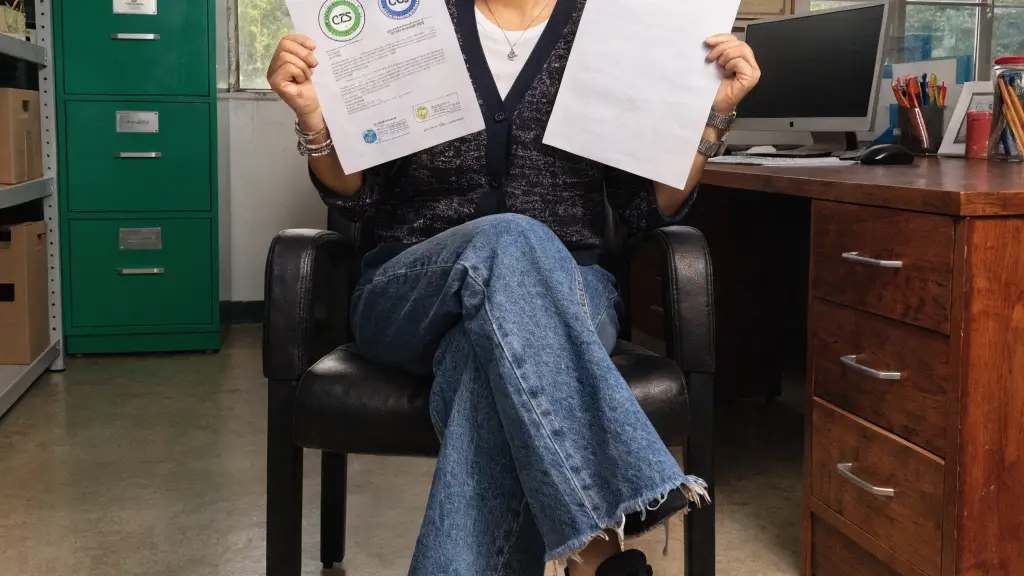
Ask for the factory GOTS certificate and the scope certificate. Check the issue and expiry dates. Verify the certificate number on the GOTS public database. Make sure the scope covers the specific products you want. Some factories have GOTS for yarn but not for cut and sew. Request the transaction certificate for your specific order. At Fumao Clothing, we hold valid GOTS certification and can share our full documentation. Learn more at GOTS and Textile Exchange.
What Is the Difference Between GOTS and OCS?
GOTS covers the entire textile supply chain including social criteria. OCS only verifies organic content. GOTS is more rigorous and recognized by more brands. OCS is simpler and cheaper. Many factories have both. If you sell to premium European or American brands, GOTS is usually required. If you sell in lower price segments, OCS may be enough. At Fumao Clothing, we hold both certifications to serve different client needs. Learn more at Trade.gov and SBA.gov.
Where to Find Organic Cotton Suppliers in China?

Not every Chinese factory can produce organic cotton clothing. You need to search specifically for certified manufacturers. Some regions specialize in organic textile production.
The best regions for organic cotton production are Zhejiang, Shandong, and Jiangsu. These provinces have the highest concentration of GOTS certified factories. Shanghai also has many certified manufacturers.
Here are the top regions and what they specialize in.
| Province | City | Specialty | Certification Density | Average MOQ |
|---|---|---|---|---|
| Zhejiang | Hangzhou, Shaoxing | Knitwear, t-shirts | Very high | 500-2000 pcs |
| Shandong | Qingdao, Weifang | Woven shirts, denim | High | 1000-3000 pcs |
| Jiangsu | Suzhou, Wuxi | Premium garments | High | 500-2000 pcs |
| Guangdong | Guangzhou, Shenzhen | Fast fashion | Medium | 1000-5000 pcs |
| Shanghai | Shanghai | High end fashion | Very high | 300-1000 pcs |
How to Search for GOTS Certified Factories Online?
Search on Alibaba using the GOTS certification filter. Use keywords like GOTS certified garment factory or organic cotton manufacturer. Check the company profile for certification documents. Send a message asking for their GOTS scope certificate. Visit the GOTS website directory. Use LinkedIn to find certified factory managers. Ask for referrals from other buyers. At Fumao Clothing, we openly share our certifications. Contact Elaine at elaine@fumaoclothing.com for organic cotton sourcing.
Can You Trust a Factory That Says They Are Certified?
Never trust verbal claims. Always ask for the actual certificate. Verify the number on the certifying body website. Check the audit date. Some factories share expired certificates. Some claim certification for yarn but not for finished garments. Do a video call to see their production line. Ask for references from other clients. At Fumao Clothing, we provide full certification documentation and welcome factory audits.
How Much More Does Organic Cotton Cost?
Organic cotton costs more. How much more depends on many factors. Your clients need to understand this. They pay more because the supply chain is more expensive and the yield is lower.
Organic cotton garments cost 20 to 50 percent more than conventional cotton. Fabric alone costs 30 to 60 percent more. Finished garments cost 20 to 40 percent more due to separate production line requirements.
Here is a cost comparison for a basic organic cotton t-shirt.
| Cost Component | Conventional Cotton | Organic Cotton | Difference |
|---|---|---|---|
| Fabric per yard | .00 | .00 | +67% |
| Fabric per t-shirt | .00 | .70 | +70% |
| Cut and sew labor | .50 | .80 | +20% |
| Trims and labels | .40 | .50 | +25% |
| Certification fee spread | .00 | .30 | +.30 |
| Packaging | .20 | .30 | +50% |
| Total FOB per piece | .10 | .60 | +48% |
| Total DDP per piece | .50 | .50 | +44% |
How to Explain the Higher Cost to Your Customers?
Explain that organic cotton uses less water and no pesticides. Show the environmental benefit. Position it as a premium product. Many consumers will pay 20 to 30 percent more for sustainable clothing. Use the certification logo on your packaging. Tell the story of where the cotton comes from. Customers appreciate transparency. At Fumao Clothing, we help brands create organic cotton marketing materials to justify the price difference.
How to Reduce Organic Cotton Production Costs?
Order larger quantities to spread certification costs. Combine multiple styles in one production run. Use simpler designs to reduce labor. Order organic fabric in bulk and store it. Work with factories that produce organic exclusively for better efficiency. Build a long term relationship for better pricing. At Fumao Clothing, we offer competitive organic cotton pricing through efficient production scheduling.
How to Manage the Organic Cotton Supply Chain?

The organic cotton supply chain is more complex than conventional. Every step must be documented and certified. If one step loses certification, the whole batch cannot be called organic.
The organic supply chain includes certified farms, ginning, spinning, knitting or weaving, dyeing with approved chemicals, cutting and sewing, and final inspection. Each step must have its own certification documentation.
Here is the organic cotton supply chain from farm to finished garment.
| Supply Chain Step | What Happens | Certification Needed | Risk Level |
|---|---|---|---|
| Organic cotton farming | Cotton grown without pesticides | USDA Organic or equivalent | Medium |
| Ginning | Seeds removed from fiber | Handling certificate | Low |
| Spinning | Fiber turned into yarn | GOTS or OCS | Medium |
| Knitting or weaving | Yarn turned into fabric | GOTS or OCS | Medium |
| Dyeing and finishing | Color and treatments added | GOTS approved chemicals | High |
| Cutting and sewing | Garment assembly | GOTS certified facility | Medium |
| Packing and shipping | Final packaging | Segregation from non-organic | Low |
How to Ensure Traceability in Organic Cotton Production?
Request transaction certificates for each batch. Keep records of all certification documents. Use a third party auditor to verify. Label each production batch clearly. Separate organic from conventional production physically. Document every step with photos and records. At Fumao Clothing, we maintain full traceability for every organic cotton order. We provide documentation at each stage. Contact Elaine at elaine@fumaoclothing.com.
What Are Common Problems in Organic Cotton Sourcing?
Common problems include limited fabric options, longer lead times, higher minimums, limited color availability, and supply chain gaps. Some mills do not have certified knitting or dyeing. Plan ahead for these issues. Order fabrics early. Expect 2 to 4 weeks longer lead time. Accept fewer color options. At Fumao Clothing, we have a dedicated organic cotton supply chain that minimizes these issues.
Conclusion
Sourcing organic cotton clothing from China is possible and profitable. The key is proper certification, verified supply chain, and realistic pricing. At Fumao Clothing, we are a GOTS certified manufacturer with years of organic cotton experience. Contact Elaine at elaine@fumaoclothing.com to discuss your organic cotton clothing project. We handle everything from fiber sourcing to finished garments.
#shanghaigarment #fumao #fumaoclothing #organiccotton #GOTScertified #sustainablefashion #clothingmanufacturer #cottonclothing #organictextiles #madeinchina