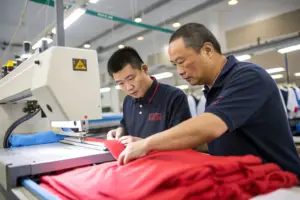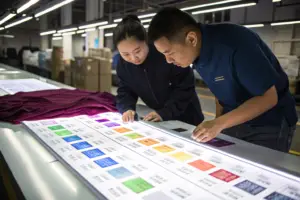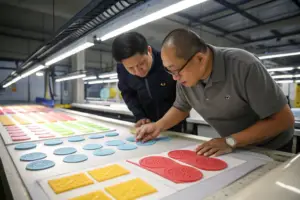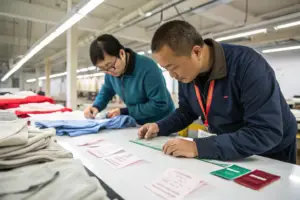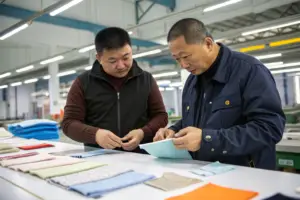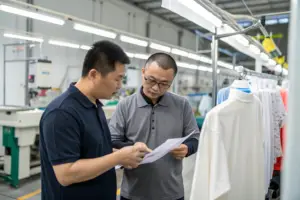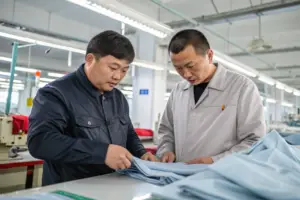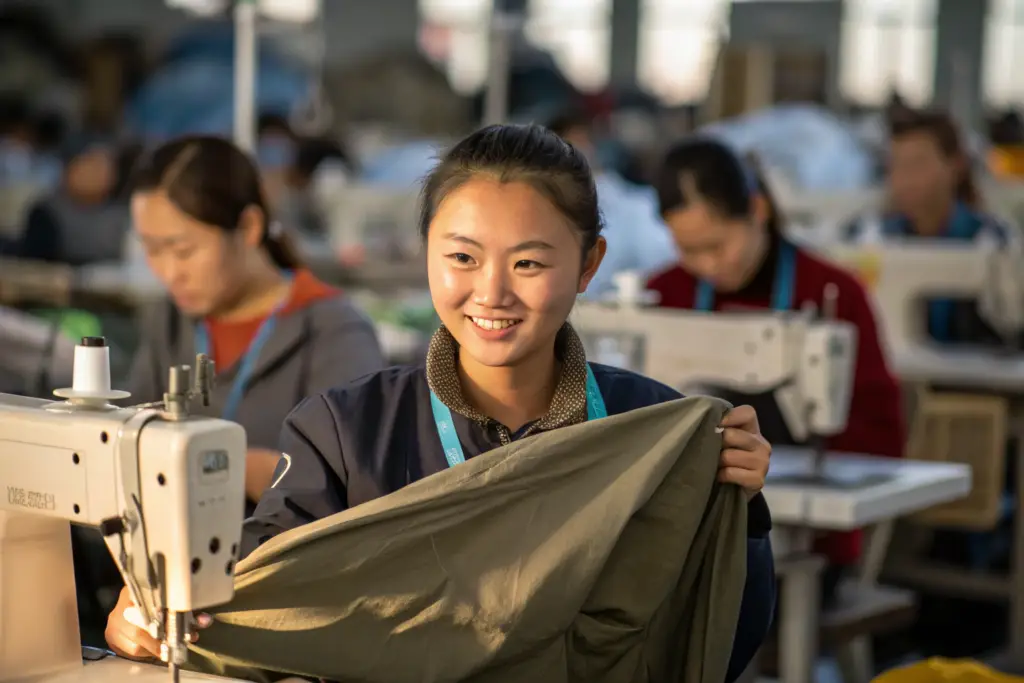
I have walked through hundreds of factories. I have seen banners on the wall that say "Quality is Our Priority." I have seen posters with slogans about zero defects. But I have also seen workers ignore those banners and sew crooked seams because they were rushing to meet a quota. A few years ago, a buyer from Florida told me about his experience with a previous supplier. The factory had a beautiful website and all the right certifications. But when problems happened, the sales rep would blame the sewing department. The sewing manager would blame the fabric. No one took responsibility. The quality was never consistent. The culture was broken.
A genuine and sustainable quality culture is not about posters or certificates on a wall. It is about the people. It lives in the hands of the sewing operator who stops the line because a thread tension feels wrong. It lives in the supervisor who spends extra time training a new worker instead of just pushing for speed. It lives in the manager who tells a client the truth about a delay instead of making excuses. It is a system where every single person, from the cutter to the shipper, feels personally responsible for the garment leaving the building.
My name is [Your Name], and I own Shanghai Fumao. Building this kind of culture has been the hardest and most important work of my life. It took years. It required us to change how we hire, how we train, how we pay, and how we communicate. But the result is that our quality is consistent, order after order. Our clients trust us. Let me share with you the invisible foundations of a real quality culture.
How Do We Empower Workers To Own Quality?
In a factory with a fake quality culture, quality is the job of the QC department at the end of the line. The sewer just sews. If they make a mistake, the QC inspector catches it. In a genuine quality culture, the sewer is the first and most important quality inspector. They have the power and the responsibility to stop production if something is wrong. This shift in mindset is huge.
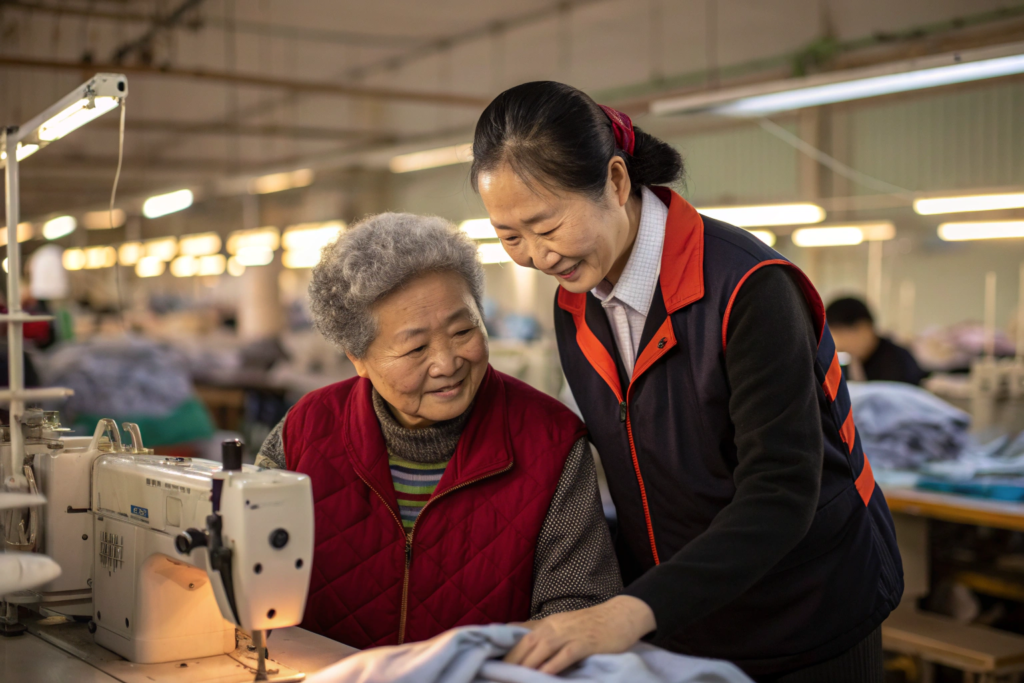
What does it mean to "stop the line" for quality?
"Stop the line" is a concept from lean manufacturing. It means any worker can halt production if they see a defect. In many factories, this is forbidden. Stopping the line hurts productivity and bonuses. But in a genuine quality culture, we encourage it. Last year, a new operator on our line noticed the fabric on a batch of blouses for a Boston client was feeding unevenly. She stopped her machine and called her supervisor. It turned out the pressure foot needed a tiny adjustment. If she had kept sewing, she would have made 50 blouses with wavy seams. Instead, we fixed the problem after just two pieces. We praised her, not punished her. This empowerment comes from employee empowerment principles. You can read about this in management literature from experts like W. Edwards Deming, who revolutionized quality thinking. At Shanghai Fumao, we tell our team: "Your name is not on the paycheck; it's on every garment you make."
How do we train workers to think like owners?
Training cannot just be about how to use a machine. It has to be about why quality matters. We do regular "quality circles." We bring a small group of operators together to look at a returned sample or a common defect. We ask them: "Why do you think this happened? How could we prevent it?" The ideas come from them. A few years ago, a group of operators on our knit line suggested a new way to check collar symmetry. They designed a simple template. We implemented their idea, and collar defects dropped by 70%. When workers see their ideas being used, they feel ownership. This approach is a form of Kaizen, or continuous improvement. The Kaizen Institute offers many resources on this philosophy. This is how you build a culture, not just a checklist.
How Does Leadership Demonstrate Commitment To Quality Every Day?
Workers watch everything the boss does. If the boss only talks about speed and cost, that is what the workers will focus on. If the boss walks past a defect without saying anything, workers learn that defects are acceptable. A sustainable quality culture requires leadership to demonstrate their commitment, visibly and consistently, every single day.
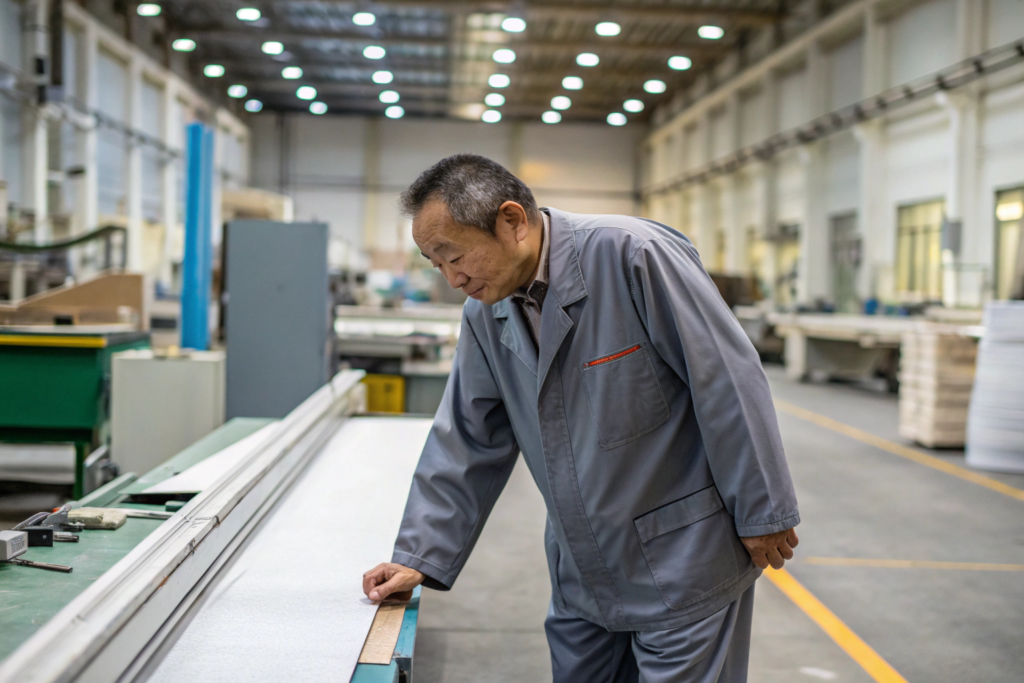
What does "management by walking around" look like in a factory?
I spend at least two hours every day walking our production floor. I am not there to yell. I am there to look, to ask questions, and to listen. I might stop and ask an operator, "How is that fabric sewing? Any issues?" I might pick up a finished garment and check the stitching myself. When the team sees that I care about the details, they care too. This is different from a manager who sits in an office and only comes out when there is a problem. This visibility builds trust. It shows that quality is not just a slogan for the website; it is a personal priority. Leadership expert Simon Sinek talks about this idea of leaders who "eat last" – who prioritize their people. On our floor, the leaders prioritize the product.
How do we handle mistakes from leadership?
This is the real test. Everyone makes mistakes. A few years ago, I personally approved a sample for a client in Seattle. I missed a small detail on the button placement. When the bulk production started, an operator noticed the sample was different from the tech pack. She brought it to me. I had two choices. I could blame the sample maker, or I could admit my mistake. I gathered the team and said, "I missed this. Thank you for catching it." We fixed the pattern immediately. The client never knew there was a problem. But the team saw me admit a mistake. That moment did more for our quality culture than a year of meetings. When leaders are accountable, the whole organization is accountable. This idea is central to a just culture in the workplace, which you can explore further through resources from organizations like the Health and Safety Executive, which discusses this concept in high-reliability industries.
How Do Incentives And Rewards Support Quality, Not Just Speed?
Many factories pay workers purely by the piece. The more they sew, the more they earn. This system is a direct enemy of quality. It encourages speed over care. To build a sustainable quality culture, you have to change the math. You have to make quality pay.
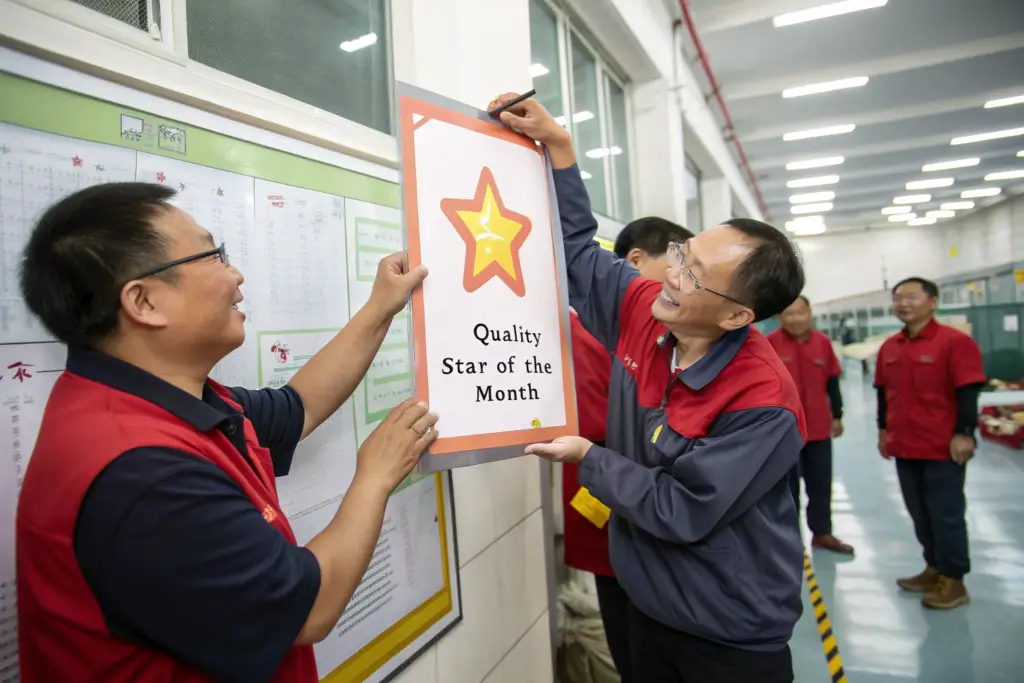
How do we structure compensation to reward quality?
We use a base pay plus a quality bonus system. Every operator has a quality target. If their defect rate is below a certain percentage for the month, they get a significant bonus. We also have team-based goals. If the whole production line achieves its quality target, everyone on the line gets a bonus. This encourages operators to help each other. A fast sewer might slow down to help a newer operator because they know the team bonus depends on everyone's quality. We also have "zero defect" awards for individuals who have perfect quality for an entire month. For a complex order from a Canadian brand last year, our line achieved 99.5% first-pass yield. Every operator on that line received a bonus. They were proud, and they were fairly rewarded. This aligns with research on performance-based incentives from institutions like the Society for Human Resource Management.
What happens when someone makes a mistake?
This is as important as the reward. If a mistake is a learning opportunity, the culture grows. If a mistake leads to public shaming, the culture dies. When an operator makes a defect, we do not yell. Our supervisor sits with them. They look at the garment together. They figure out why it happened. Was the machine not set right? Was the instruction unclear? Was the operator tired? We fix the root cause, not just blame the person. If the root cause is a lack of skill, we provide more training. If it's a machine issue, we call the mechanic. This is a "no-blame" approach to errors. It encourages people to be honest about problems so we can solve them. This philosophy is a key part of a learning organization, a concept popularized by Peter Senge. At Shanghai Fumao, we want our team to feel safe admitting a mistake, because that is the only way we can truly improve.
How Do We Sustain Quality Culture Through Challenges And Growth?
Building a culture is hard. Keeping it alive for years, through busy seasons and slow seasons, through staff changes and new clients, is even harder. It requires constant attention. It requires systems that pass the culture down to every new employee. It requires remembering that quality is never "finished."
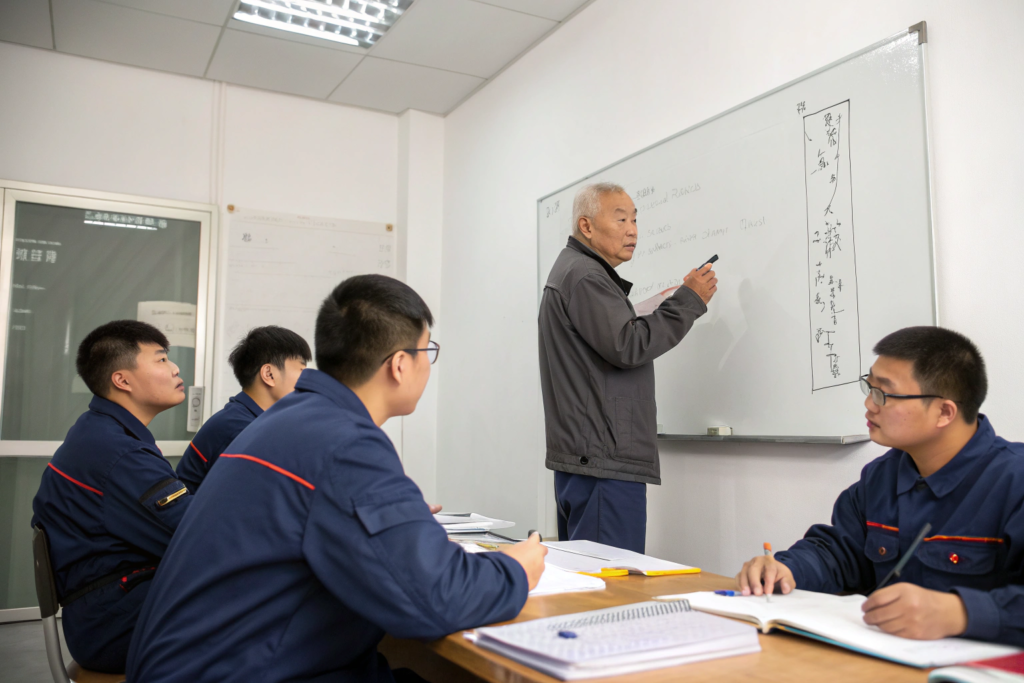
How do we onboard new workers into our quality culture?
New workers learn the machines. But they also learn the culture. Every new hire at our factory spends their first week not just sewing, but watching and learning. They are assigned a mentor, an experienced operator who embodies our values. The mentor teaches them not just how to sew, but how we do things here. They learn that stopping the line for a problem is good. They learn that asking questions is expected. They learn that we care about every stitch. This mentorship program is not expensive, but it is essential. It ensures that as our older workers retire, their knowledge and their attitude live on. This is a form of knowledge management and succession planning. Resources from the Association for Talent Development can provide more insights into effective onboarding.
How do we keep quality front of mind every day?
We do not assume people remember. We remind them. Every morning, each production line has a short "stand-up" meeting. It lasts five minutes. The supervisor might hold up a garment from the previous day and say, "Look at this perfect collar seam. This is our standard." Or they might hold up a defective sample and say, "This is what we are trying to avoid. Let's watch for this today." These small, daily reminders are more powerful than a yearly lecture. We also have visual displays on the floor showing the team's quality performance for the week. People like to see their numbers. They like to see improvement. This constant, gentle reinforcement keeps the culture alive. This idea of visual management is a cornerstone of the 5S system, which you can explore through organizations like the Productivity Press.
Conclusion
A genuine and sustainable quality culture is invisible from the outside. You cannot see it on a website or in a brochure. You can only see it in the results: consistent quality, on-time delivery, and honest communication. It is built by empowering workers to own their work. It is demonstrated by leaders who walk the floor and admit their mistakes. It is sustained by incentives that reward care, not just speed. And it is passed down through mentorship and daily reminders. This culture is the only thing that guarantees your orders will be right, time after time.
At Shanghai Fumao, this culture is our foundation. We have spent over two decades building it. Our operators stop the line when they see a problem. Our supervisors train with patience and respect. Our leadership team is on the floor every day. We reward quality with bonuses and celebrate it with awards. We onboard every new hire into this way of thinking. This is why a luxury brand from New York has trusted us with their most delicate silk dresses for eight years. This is why an activewear company from California knows their technical gear will perform, every time.
If you are looking for a factory that cares as much about your product as you do, let's talk. Let us show you what a genuine quality culture can mean for your brand. Please contact our Business Director, Elaine, at elaine@fumaoclothing.com to discuss how we can build a partnership based on trust and shared commitment to excellence.