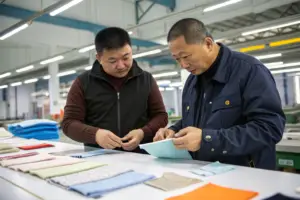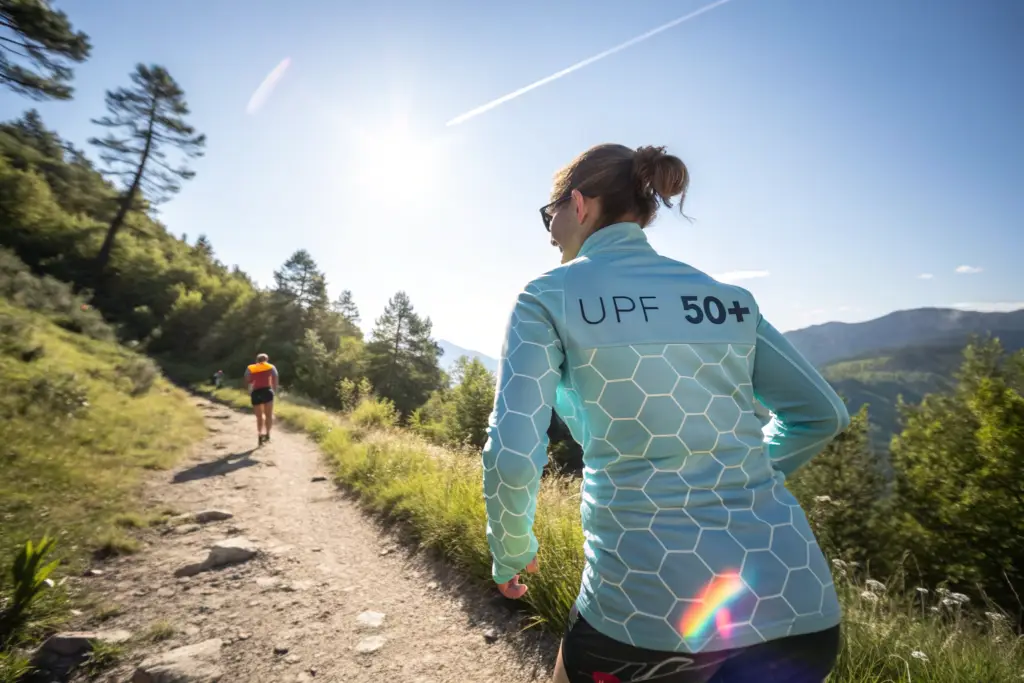
You are designing a new line of trail running shirts, fishing hoodies, or kids' summer camp tees. You are looking at fabric swatches. One is a standard polyester mesh. The other looks identical, but the spec sheet says "UPF 50+." It costs a bit more. You ask yourself: "Does my customer really care about UV protection? Is this feature worth the extra cost, or is it just marketing fluff?" A brand owner in the outdoor space told me, "I added UPF 50+ to my fishing shirts two years ago. It has become the #1 reason customers cite in their five-star reviews."
Yes, UV-protective fabric adds significant, tangible value to outdoor sports and activewear. It transforms a basic garment into a piece of functional health gear. It provides a powerful, science-backed marketing claim, justifies a premium price point, and creates genuine customer loyalty among outdoor enthusiasts, anglers, and parents who are increasingly concerned about sun safety.
At Shanghai Fumao, we have seen the demand for UPF (Ultraviolet Protection Factor) rated fabrics surge in recent years. It is no longer a niche feature for hiking nerds. It is becoming a mainstream expectation for any apparel designed to be worn in the sun. Let me explain the science, the market demand, and how this single feature can elevate your private label outdoor collection.
What Is UPF Rating and How Is Fabric UV Protection Measured?
Most people are familiar with SPF (Sun Protection Factor) for sunscreen. UPF (Ultraviolet Protection Factor) is the equivalent rating for fabrics. It measures how much of the sun's harmful UV radiation (both UVA and UVB rays) can penetrate the cloth and reach your skin. Understanding this rating is the foundation for making a credible product claim.
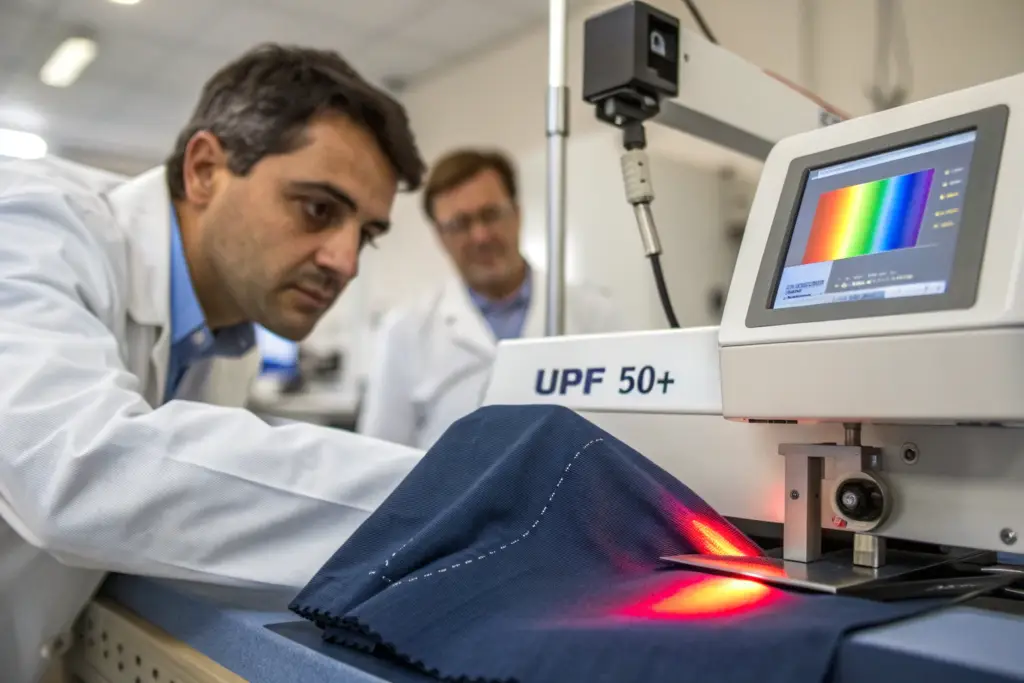
UPF rating measures the amount of UV radiation blocked by a fabric. A fabric with a UPF 50 rating allows only 1/50th (or 2%) of UV radiation to pass through, blocking 98% of harmful rays. The rating is determined through standardized laboratory testing (AATCC 183 or ASTM D6544) that exposes the fabric to a calibrated UV light source and measures the spectral transmittance.
I recall a distributor who was marketing his fishing shirts as "sun protection." A competitor challenged his claim. He had no test reports. He was forced to retract the claim and faced customer backlash. He came to us for his next order. We sourced a certified UPF 50+ fabric from a mill that provided the official AATCC 183 test report. We included a copy of this report with his bulk shipment. He now markets his shirts with confidence and legal backing. This is the difference between a marketing gimmick and a verifiable performance feature. This aligns with industry standards for UV protective textiles.
What Is the Difference Between UPF 30 and UPF 50+?
The rating scale is important for making accurate claims.
- UPF 15-24: "Good" UV protection. Blocks 93.3% - 95.9% of UV radiation.
- UPF 25-39: "Very Good" UV protection. Blocks 96.0% - 97.4% of UV radiation.
- UPF 40-50+: "Excellent" UV protection. Blocks 97.5% - 98.0%+ of UV radiation.
For outdoor sports apparel, UPF 50+ is the gold standard and the most powerful marketing claim. It provides the highest level of protection and offers a clear point of differentiation for a premium product.
How Does Fabric Construction and Color Affect Natural UV Protection?
You do not always need a special chemical finish to achieve UV protection. The fabric itself can provide a natural level of protection. The denser the weave or knit, the higher the natural UPF. A tightly woven polyester microfiber offers more protection than a loose, open mesh. Darker colors also absorb more UV radiation than lighter colors, providing higher natural protection. A black polyester jersey might naturally achieve UPF 30, while a white version of the same fabric might only be UPF 10. However, for consistent, guaranteed UPF 50+ performance, especially in lighter colors and stretch fabrics, specialized yarns or finishes are required.
How Is UPF 50+ Performance Achieved in Stretch Sports Fabrics?
Achieving a consistent UPF 50+ rating in lightweight, stretchy activewear fabrics is a technical challenge. Stretch fabrics are designed to have "open" spaces between the yarns to allow for breathability and movement. Unfortunately, these gaps also allow UV light to pass through. This is where advanced textile engineering comes into play.
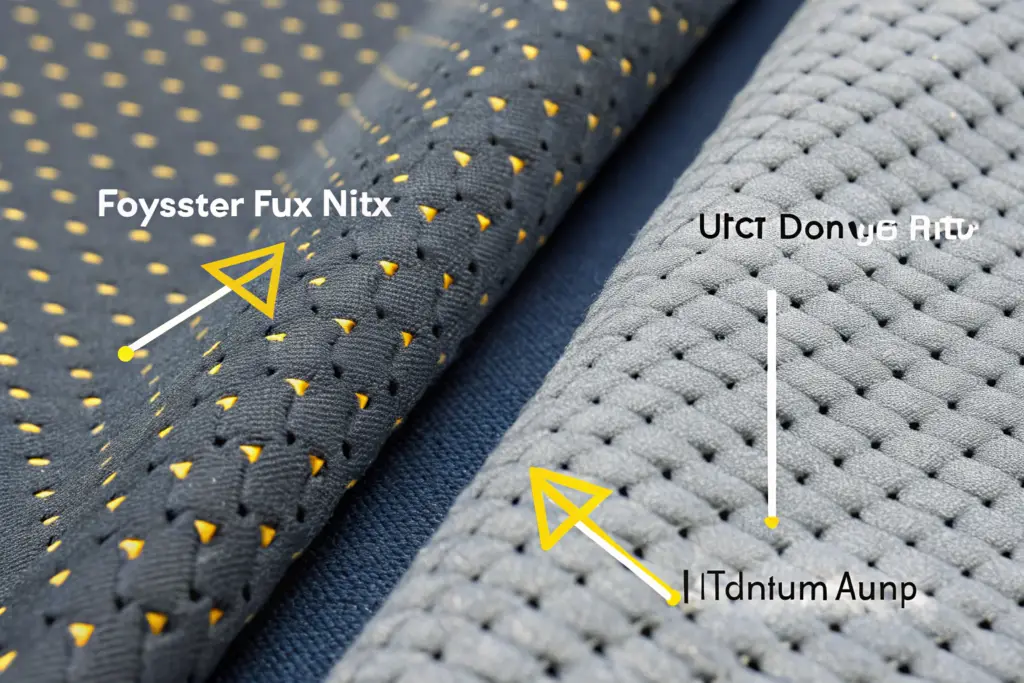
UPF 50+ performance in stretch sports fabrics is achieved through two primary methods: incorporating inorganic UV-blocking additives (like Titanium Dioxide) directly into the polymer melt during fiber extrusion, or applying a durable UV-absorbing finish to the finished fabric. The most durable and wash-resistant method is the use of "Dope-Dyed" or additive-embedded yarns.
We source our certified UPF 50+ fabrics from mills that specialize in this technology. The Titanium Dioxide (TiO2) particles embedded in the polyester or nylon fibers act as microscopic mirrors, scattering and reflecting UV radiation away from the skin. Because the additive is inside the fiber, the UV protection is permanent. It will not wash out or wear off, unlike some topical finishes. This is a critical quality point. A brand should always ask: "Is the UPF rating guaranteed for the life of the garment?" With embedded yarn technology, the answer is "Yes."
Does the UPF Protection Wash Out Over Time?
This is the most common customer question, and your answer can build or erode trust. If the UV protection comes from a topical finish, it can degrade over time with repeated washing and exposure to chlorine or salt water. The protection diminishes. If the protection comes from the fiber itself (dope-dyed or embedded additives), it is permanent and will not wash out. The garment provides the same UPF 50+ protection on the 100th wear as it did on the first. We always recommend and source fabrics with permanent, embedded protection for our private label partners. This allows them to make a stronger, more trustworthy marketing claim and build long-term brand loyalty.
Can You Have Both UPF Protection and Breathability?
Absolutely. This is a common misconception—that protective fabric must be thick and hot. The technology of embedding UV-blockers into micro-denier yarns allows for fabrics that are simultaneously lightweight, breathable, moisture-wicking, and highly protective. A 100% polyester mesh with a tight knit construction and UV-embedded yarns can be incredibly cool and airy while still blocking 98% of UV rays. This is the sweet spot for performance activewear and outdoor wear. The key is the quality of the yarn and the engineering of the knit structure.
Why Is UPF Fabric a High-Value Marketing Feature for Outdoor Brands?
In the crowded outdoor and activewear market, you need features that justify your price and differentiate your brand. "Soft" and "comfortable" are table stakes. "UPF 50+ Sun Protection" is a specific, science-backed benefit that solves a real problem for a specific customer. It speaks directly to their lifestyle and their concerns.
UPF protection is a high-value marketing feature because it taps into the growing consumer awareness of skin health and sun safety. It provides a clear, tangible benefit that justifies a premium price. It is especially powerful for categories like fishing shirts, hiking apparel, kids' summer wear, and swim cover-ups, where sun exposure is prolonged and obvious.
A brand we work with repositioned their basic long-sleeve rash guard as a "UPF 50+ Swim & Sun Shirt." They added the certification badge to their product photos. They educated their customers on the benefits. Their sales of that SKU doubled in one season. The garment itself was largely unchanged, but the story and the perceived value had been transformed. This is the power of building a product around a technical performance feature. This aligns with consumer trends in health-conscious activewear.
How Should a Brand Legally and Ethically Market UPF Claims?
You cannot just say a shirt provides sun protection. In the US and EU, making a UPF claim is a regulated statement. You must have the test reports from an accredited lab to back it up. The FTC (Federal Trade Commission) closely monitors environmental and health benefit claims. Making an unsubstantiated UPF claim is considered deceptive marketing and can result in fines. As a private label partner, we provide our clients with the necessary fabric test reports and a declaration of conformity so they can market their UPF products legally and ethically. This is part of our commitment to brand protection.
What Types of Outdoor Sports Benefit Most from UPF Apparel?
While any sun-exposed activity benefits, certain categories see an immediate and strong ROI from adding UPF fabrics:
- Fishing Apparel: Anglers are on the water for hours, getting direct and reflected UV exposure from the sun and the water. UPF hoodies and gloves are essential gear.
- Trail Running & Hiking: Long-sleeve UPF shirts provide protection without overheating, reducing the need for constant sunscreen reapplication.
- Kids' Summer Camp & Swimwear: Parents are highly motivated to protect their children's sensitive skin. UPF swim rash guards and tees are a huge selling point.
- Golf & Tennis: Participants spend hours in the midday sun. UPF polos and visors offer a performance edge.
Focusing your UPF product development on these high-synergy categories yields the best return.
How Do We Source and Certify Genuine UV-Protective Fabrics?
The market is unfortunately flooded with cheap, uncertified fabrics that make dubious "UV protection" claims. As a brand, you cannot afford to trust a supplier's word. You need a manufacturing partner with a rigorous, documented sourcing process. The value of the feature is only as good as the integrity of the supply chain behind it.
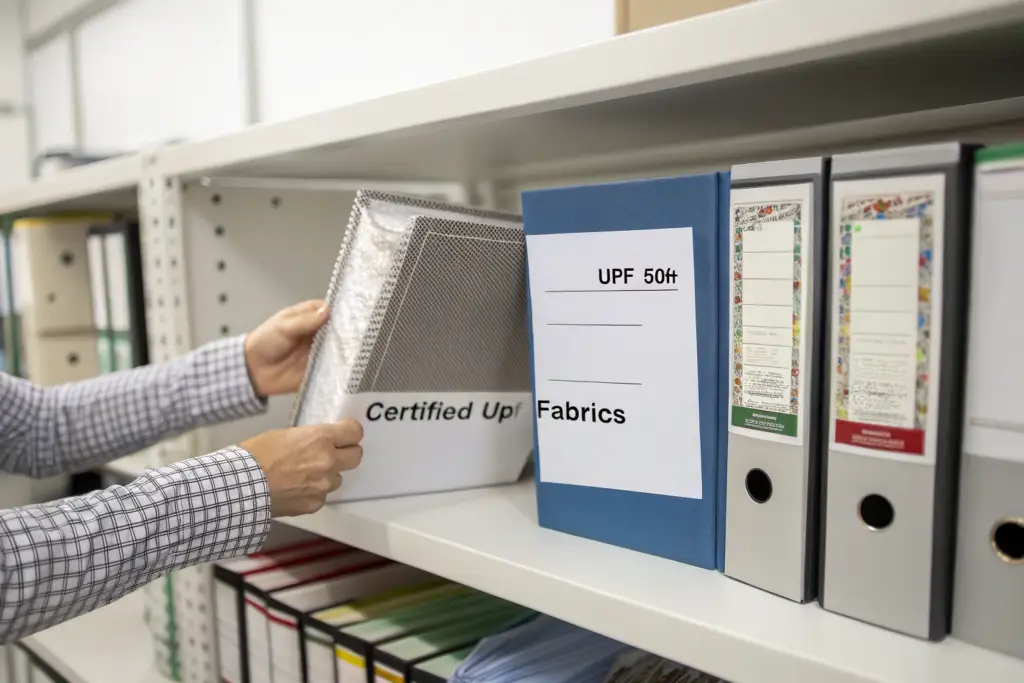
Fumao sources genuine UV-protective fabrics exclusively from vetted mills that provide current, third-party AATCC 183 or ASTM D6544 test reports. We maintain a library of certified UPF fabrics. For every order, we provide the corresponding test documentation to our B2B partners, creating a transparent chain of custody from the mill to the finished garment.
A client recently asked us to verify the UPF claim of a fabric they had sourced independently. The mill had sent them a "certificate" that was just a PDF with a logo. We contacted the testing lab listed on the report to verify the report number. The lab had no record of it. The certificate was a fake. We helped the client source a genuinely certified fabric from our network. This due diligence saved them from a potential legal and reputational disaster. This is the value of an experienced clothing manufacturer.
What Documentation Should a Brand Receive to Back Up UPF Claims?
To confidently market a UPF product, a brand should receive from its manufacturer:
- The Mill's UPF Test Report: A copy of the official report from an accredited lab (like SGS, Intertek, or Bureau Veritas) showing the specific fabric style, color, and its tested UPF rating.
- A Batch Certificate: For each bulk fabric order, a certificate confirming that the fabric comes from the same production lot as the tested sample.
We provide both of these documents to our private label partners as part of our standard quality control and compliance package.
Does UPF Protection Add Significant Cost to the Garment?
It depends on the method. Fabrics with topical finishes are only marginally more expensive but offer less durable protection. Fabrics with embedded yarn technology are more expensive—typically adding 10-20% to the raw material cost. However, this cost is almost always recouped through a higher retail price point. The market has demonstrated that consumers are willing to pay a premium for verifiable, durable sun protection. The added feature enhances the garment's value proposition and provides a clear point of differentiation from cheaper, non-protective alternatives. It is an investment in brand quality and positioning.
Conclusion
In the world of outdoor sports and activewear, UV-protective fabric is far more than a marketing buzzword. It is a genuine performance feature that addresses a real and growing consumer concern for skin health and sun safety. Adding a certified UPF 50+ fabric to your collection transforms a basic shirt into a piece of functional gear, justifying a premium price and fostering deep customer loyalty.
At Shanghai Fumao, we understand the science, the sourcing, and the compliance requirements behind this powerful feature. We help our B2B partners navigate the complexities of the UPF supply chain, ensuring they receive genuinely certified materials and the documentation they need to market their products with confidence and integrity.
If you are ready to add the value of sun protection to your next outdoor or activewear collection, let's talk. Our Business Director, Elaine, can share our library of certified UPF fabrics and explain how we document the chain of custody. Please email Elaine at: elaine@fumaoclothing.com.