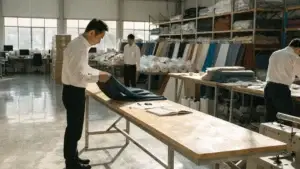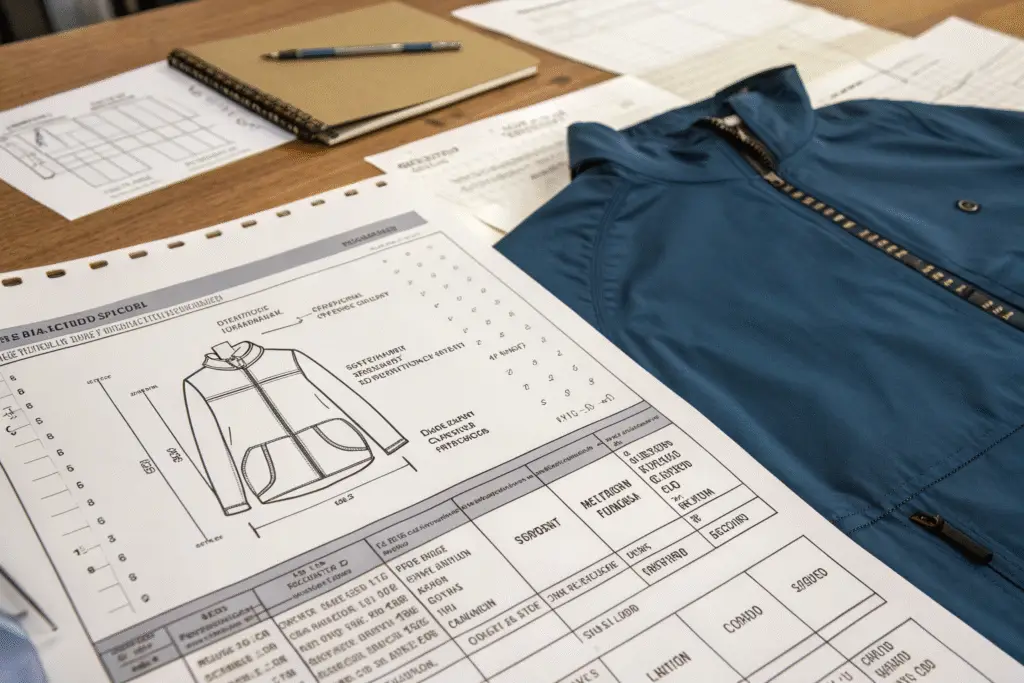
I'll never forget the panic in my client's voice when he called me about his first major production disaster. He had sent a perfect sample shirt to a previous manufacturer with instructions to "make 5,000 exactly like this." The resulting shipment had inconsistent sizing, wrong fabric, and construction flaws that made 60% of the units unsellable. His $85,000 investment was jeopardized by one critical misunderstanding: a reference sample alone is insufficient for bulk production.
No, a reference sample garment is not enough for bulk production. While a physical sample provides valuable visual and tactile reference, it cannot communicate the precise specifications, tolerances, material requirements, and construction details necessary for consistent mass manufacturing. The sample shows what to produce but fails to document how to produce it consistently across thousands of units and multiple production runs.
The fundamental limitation of relying solely on a reference sample is that it represents only one perfect specimen, while bulk production requires systems that can replicate that perfection thousands of times. A sample is a destination, but tech packs are the roadmap that ensures every garment arrives at that same destination regardless of which operator sews it or which production line manufactures it. Let me explain why this distinction matters so much for your production success.
What critical information does a reference sample miss?
A physical garment reveals the final product but conceals the manufacturing intelligence required to recreate it consistently at scale.
When you examine a finished garment, you see the external result but not the internal specifications that created it. This missing information becomes the source of variations in bulk production. Last month, a client provided a beautifully tailored blazer but no technical documentation. Our team had to reverse-engineer the pattern and construction, which resulted in three sampling rounds to capture the internal structure and pressing techniques that made the original sample so perfect.
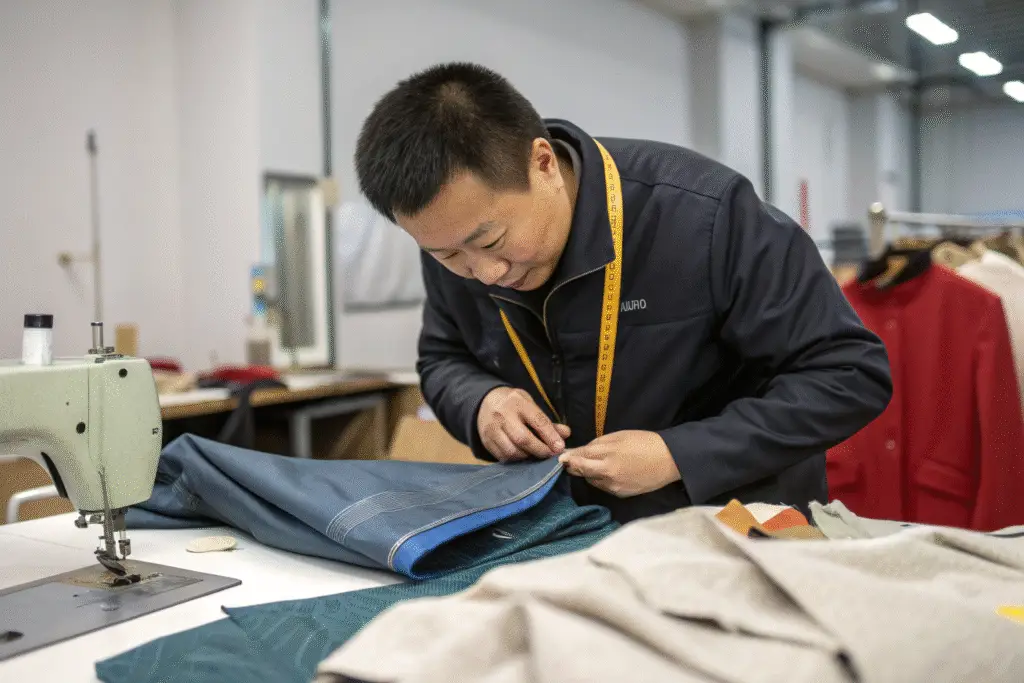
Critical hidden elements include:
- Seam allowance widths (typically 0.25" to 1.5")
- Interlining types and fusible applications
- Internal reinforcements and stay tapes
- Stitch density variations for different operations
- Understitching and internal finishing techniques
These hidden elements dramatically affect the garment's drape, durability, and appearance but are completely invisible in a finished sample.
How do material specifications get lost in translation?
A sample shows the final fabric but doesn't specify:
- Exact composition percentages and fiber quality
- Fabric weight (GSM or ounces per yard)
- Width and shrinkage properties
- Performance characteristics (stretch, recovery, colorfastness)
- Approved suppliers and alternative options
One of our clients discovered this when their "identical" production used fabric with different shrinkage properties, resulting in garments that became misshapen after first wash.
How does production scalability suffer without documentation?
Mass manufacturing requires standardization that a single reference sample cannot provide, leading to inconsistencies across production lines and over time.
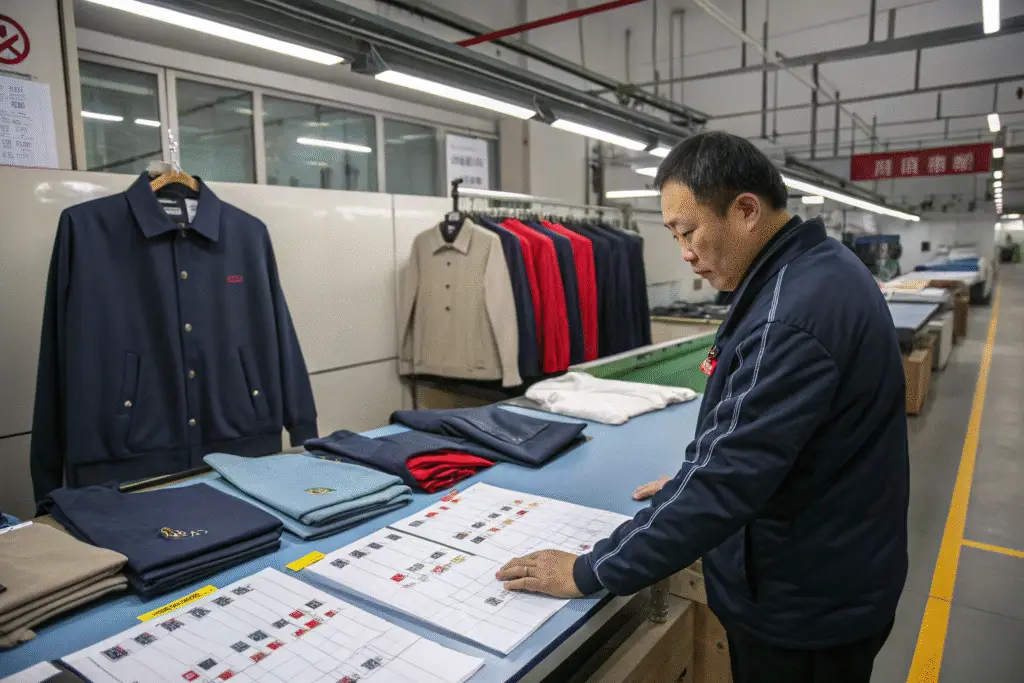
The challenge of bulk production isn't creating one perfect garment—it's creating thousands of identical perfect garments. Without detailed specifications, small variations between operators, machines, and material batches accumulate into noticeable inconsistencies. A sportswear brand learned this painfully when their 10,000-unit order had visible variations between garments produced in our Factory A and Factory B, despite both using the same reference sample.
How do operator interpretations create variations?
Without standardized specifications, different sewing operators may:
- Interpret construction sequences differently
- Use personal judgment on stitch tension and quality
- Apply slightly different pressing techniques
- Make micro-adjustments based on their experience
These individual interpretations, while each reasonable, create noticeable variations when garments from different operators are mixed in shipment.
What happens during reproduction without documentation?
When reordering successful styles, manufacturers must reference the original specifications rather than trying to recreate them from memory or samples. A children's wear client discovered that their perfect-selling trousers couldn't be reproduced accurately because the factory that made the original sample had closed, and no technical documentation existed.
What are the cost implications of sample-only production?
The apparent savings from skipping technical documentation disappear quickly through multiple sampling rounds, production errors, and quality inconsistencies.
Many brands perceive tech pack development as an unnecessary expense until they experience the true costs of sample-only production. The financial impact extends beyond direct costs to include missed selling seasons, damaged brand reputation, and lost customer trust. We recently calculated that clients who start with proper technical documentation save an average of $4,200 per style in sampling and error correction costs.

How do sampling costs accumulate without specifications?
Each additional sample round costs:
- Sample making fees: $150-$500 per sample
- Material costs: $50-$200 per sample
- Shipping and handling: $75-$150 per round
- Time delay: 2-3 weeks per sampling cycle
- Opportunity cost: Missed selling seasons and cash flow delays
Projects starting with only reference samples average 3.2 sampling rounds compared to 1.4 rounds for documented projects.
Beyond sampling, production errors create:
- Material waste from incorrect cutting
- Labor costs for rework or complete remanufacturing
- Shipping costs for rejected units
- Chargebacks from dissatisfied retailers
- Lost future business from damaged reputation
| Cost Category | Sample-Only Approach | Tech-Pack Supported Approach |
|---|---|---|
| Average Sampling Rounds | 3.2 rounds | 1.4 rounds |
| Sampling Cost Range | $900-$2,800 | $400-$1,200 |
| Production Error Rate | 8-12% | 2-4% |
| Timeline Variance | +/- 4 weeks | +/- 1 week |
How does quality control suffer without specifications?
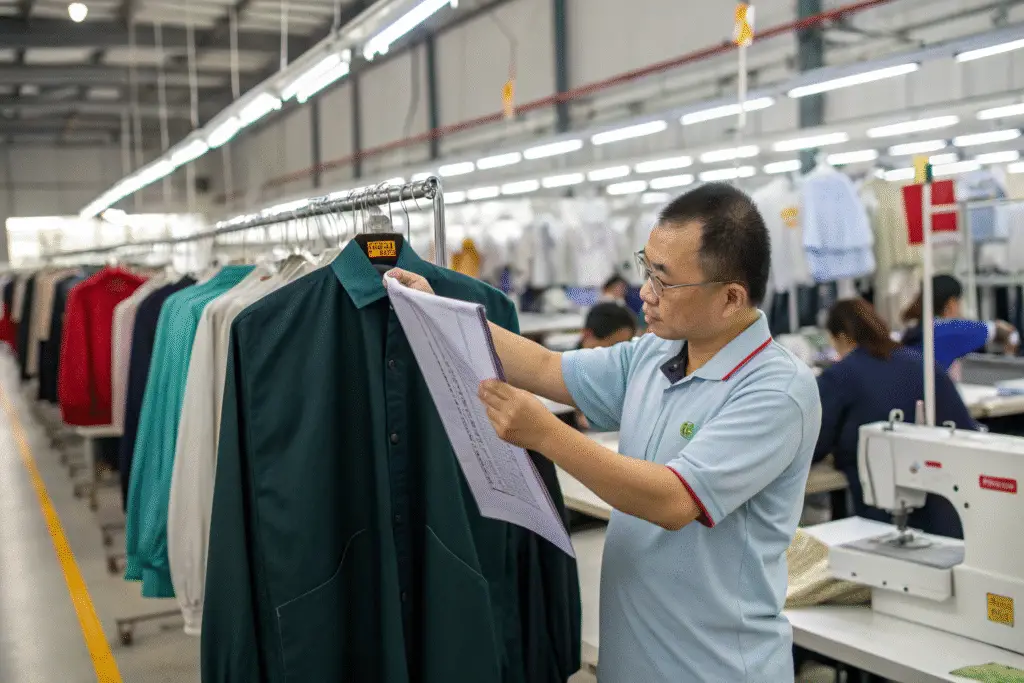
Quality inspection becomes subjective and inconsistent without the objective standards that detailed specifications provide.
Effective quality control requires measurable pass/fail criteria that inspectors can apply consistently. A reference sample provides visual guidance but cannot establish the precise tolerances and standards needed for systematic inspection. A luxury brand client discovered this when their "high-quality finish" standard resulted in different rejection rates between our day shift and night shift quality teams due to subjective interpretation.
What quality elements become subjective without documentation?
Critical quality aspects that require objective standards include:
- Measurement tolerances for different garment areas
- Stitch density requirements (stitches per inch)
- Color matching tolerances (Delta E values)
- Performance standards (seam strength, pilling resistance)
- Acceptable flaw types and sizes in fabrics
The American Society for Testing and Materials provides standardized test methods that manufacturers use when specifications define clear requirements.
How does inspection consistency suffer?
Without documented specifications, different inspectors may:
- Apply different measurement tolerances
- Have varying interpretations of "acceptable" flaws
- Focus on different quality aspects based on personal preference
- Make inconsistent decisions on borderline cases
This inconsistency leads to either overly strict rejection of acceptable garments or overly lenient acceptance of defective ones.
What is the ideal combination approach?
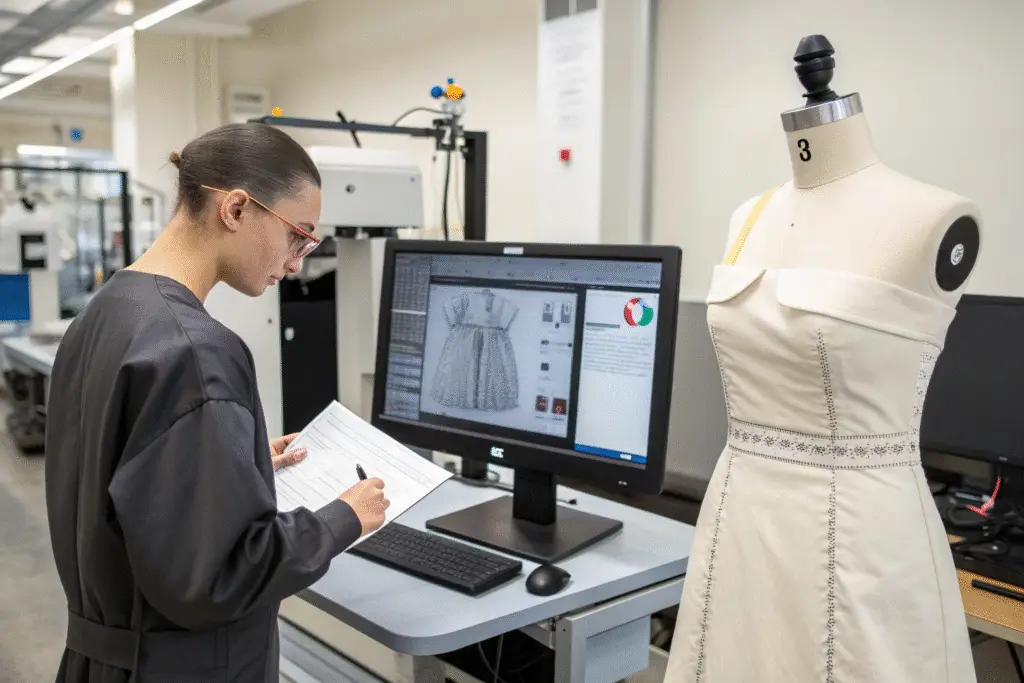
The most successful manufacturing partnerships use reference samples as supplemental visual aids to comprehensive technical documentation, not as replacements.
The optimal approach recognizes the unique value of both tools: the tech pack provides the precise, measurable specifications for manufacturing, while the reference sample offers tangible examples of aesthetic qualities, handfeel, and overall appearance. Implementing this combined approach has helped our clients reduce time-to-market by 30% while improving first-sample accuracy rates to over 85%.
How should samples and tech packs work together?
The ideal workflow includes:
- Tech pack as primary instruction document with all specifications
- Reference sample as visual and tactile supplement
- Marked samples with callouts referencing tech pack sections
- Approved swatches physically attached to tech pack
- Photographic documentation of sample details
What percentage of information comes from each source?
In our experience, approximately:
- 70% from tech pack (measurements, materials, construction)
- 20% from reference sample (drape, handfeel, aesthetic qualities)
- 10% from ongoing communication and clarification
This balance ensures comprehensive instruction while maintaining manufacturing efficiency.
How can you transition from sample to documentation?
Practical steps help brands evolve from sample-dependent to documentation-driven manufacturing without disrupting current operations.
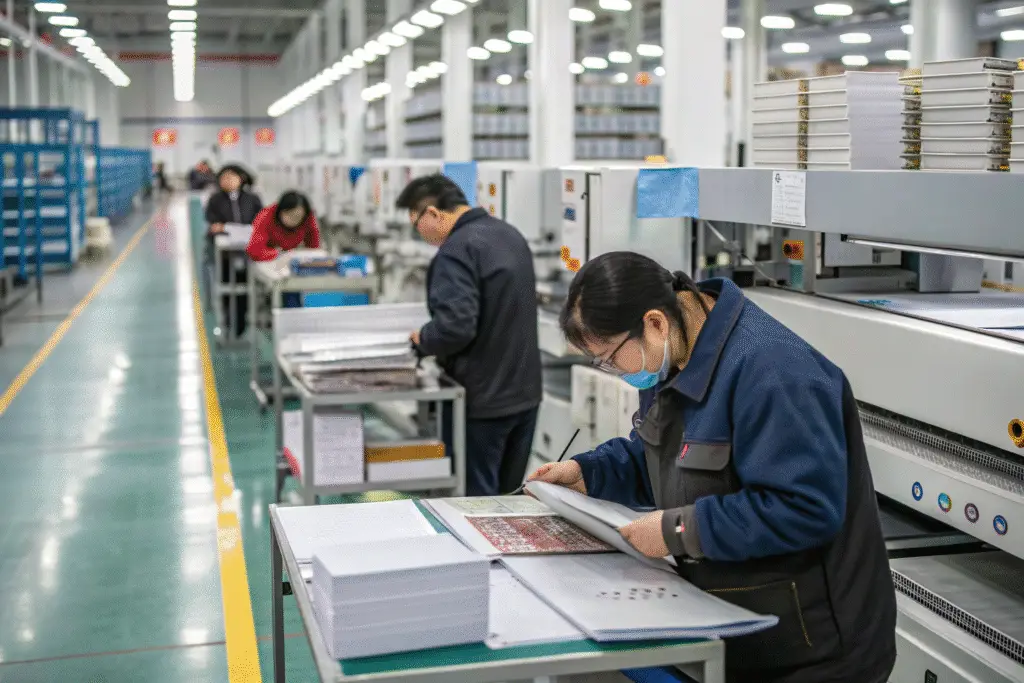
Moving toward technical documentation doesn't require starting from scratch or delaying current production. Progressive manufacturers like ours help clients develop documentation from existing samples and gradually build their technical capabilities. We recently helped a growing brand document their entire 15-style collection over six months while continuing production, transforming their manufacturing process from chaotic to controlled.
What are the first steps for documentation?
Begin with:
- Photographing existing samples from all angles
- Measuring key garments to create basic spec sheets
- Documenting current materials with suppliers and compositions
- Creating simple technical flats from existing garments
- Developing a basic tech pack template for future styles
How can manufacturers help with documentation?
Progressive manufacturers offer:
- Sample analysis and reverse-engineering services
- Tech pack development from existing garments
- Documentation templates aligned with their capabilities
- Training on technical specification requirements
- Gradual implementation plans that fit production schedules
Conclusion
While a reference sample provides invaluable visual and tactile reference, it cannot replace comprehensive technical documentation for bulk production. The sample shows the destination, but only detailed specs provide the roadmap that ensures every garment in your production run arrives at that same destination consistently. Investing in proper documentation ultimately saves time, money, and frustration while protecting your brand reputation through consistent quality.
If you've been relying on samples alone and want to transition to more reliable manufacturing documentation, our technical team can help you develop the necessary specs from your existing samples. Contact our Business Director Elaine to discuss a practical documentation strategy that fits your production schedule at elaine@fumaoclothing.com.