If you're running a fashion rental business, sourcing like a traditional fashion brand is the quickest way to fail.
Traditional production focuses on trends, volume, and margins—but rental models need durability, flexibility, and service-readiness.
When we work with rental clients at Fumao Clothing, one of the first things we address is their supply chain. Using traditional methods often leads to overproduction, underperformance, and unhappy customers. Let’s explore how and why rental demands a new mindset.
What is the traditional rental model?
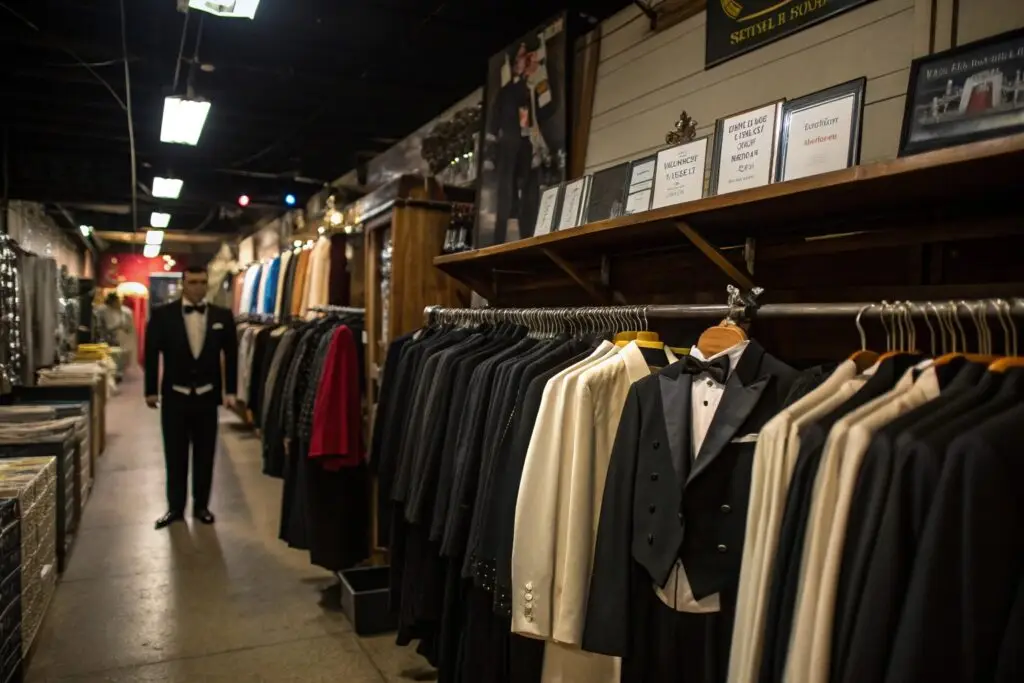
Historically, rentals operated in a very limited framework—suits, tuxedos, or costumes—using outdated supply and service structures.
Traditional rental models relied on limited stock rotation, poor digital integration, and one-size-fits-all logistics—not suited for today’s fast, scalable, and customer-driven fashion rental platforms.
Why does the old-school rental model1 fail in modern fashion markets?
Decades ago, rental meant special occasion items: prom dresses, tuxedos, or wedding costumes. Inventory was stored on-site, managed manually, and hardly optimized. But consumer expectations have evolved. They want convenience, freshness, and flexibility. The traditional model can’t deliver that.
One of our clients used to store their entire inventory in local showrooms. When they expanded online, they couldn’t keep up with demand—garments were missing, damaged, or incorrectly sized. They needed better production, tracking, and replenishment processes. That's where we came in.
What makes traditional garment production2 incompatible with fashion rental needs?
Traditional manufacturers aim for mass appeal and minimal cost. But rental platforms need items that endure 20+ wear cycles, resist frequent washing, and hold their shape. Most factory outputs simply aren’t made for this.
Here's a comparison:
| Criteria | Traditional Production | Rental-Optimized Production |
|---|---|---|
| Fabric Durability | Low–Medium | High |
| Style Flexibility | Seasonal Trends | Timeless Essentials |
| Minimum Order Quantity | High | Flexible |
| Stitch & Finish Quality | Basic | Reinforced |
| Returns/Recycling System | None | Integrated |
How does a sustainable business model differ from traditional business models?
Sustainability isn’t just about fabric—it’s about system design. And rental demands a completely different one.
Sustainable business models prioritize durability, circularity, and total lifecycle performance—unlike traditional models built on linear, high-churn sales cycles.
How does a sustainable fashion rental3 business work in practice?
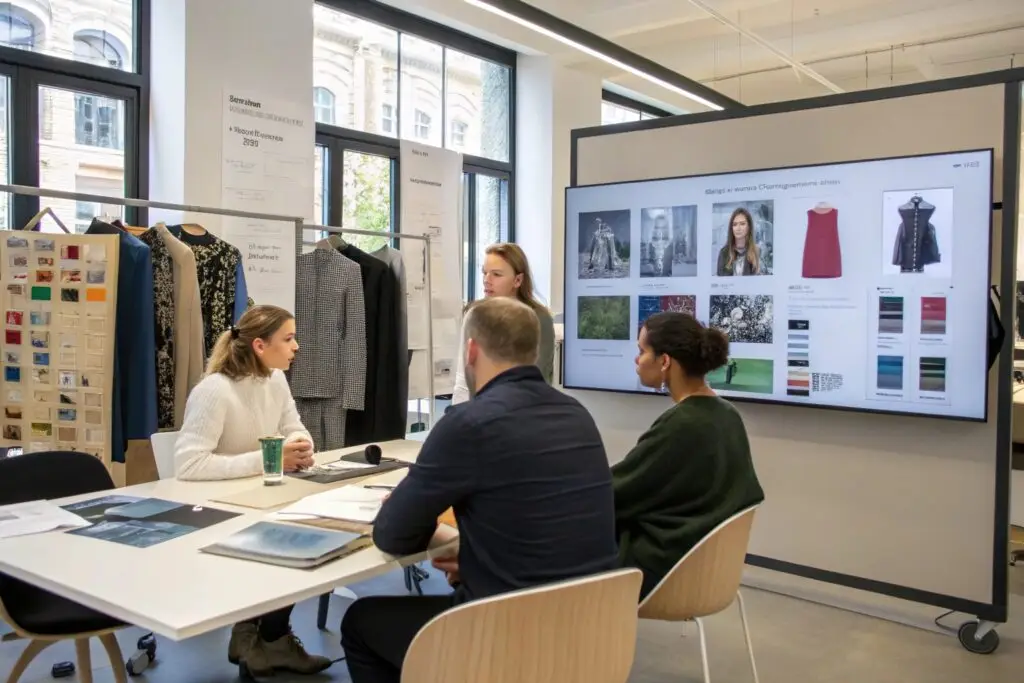
It starts at the design table. Instead of chasing quick trends, rental businesses build collections around modular, long-wearing styles. The supply chain must include wear testing, repair options, and end-of-life recycling.
A rental company we partner with in Scandinavia created a circular loop4: every garment was tagged, tracked, cleaned, repaired, and eventually repurposed into accessories. That ecosystem gave them 3x longer usage per item and positioned them as ESG leaders.
Why can’t fast fashion production5 support sustainable rental goals?
Fast fashion is based on churn. It prioritizes low cost over longevity. Garments are often made from virgin polyester, sewn quickly, and designed to fail within months. This structure is fundamentally at odds with sustainability goals.
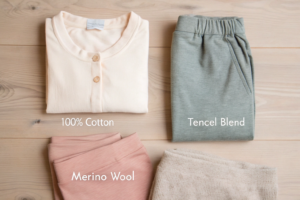
At Fumao Clothing, we’ve helped rental brands switch from synthetic blends to natural or recycled materials that can withstand 30+ wears. These materials also reduce water usage, emissions, and plastic pollution. Fast fashion just can’t compete on that level.
Here’s a system-level comparison:
| Model Element | Traditional Model | Sustainable Rental Model |
|---|---|---|
| Supply Chain Length | Long, opaque | Short, transparent |
| Return System | None | Centralized and trackable |
| Lifecycle Focus | First wear only | Multi-wear, multi-stage usage |
| Customer Education | None | Built into platform experience |
What is the business model of Rent the Runway?
Rent the Runway (RTR) is one of the most well-known players—but even they’ve evolved beyond traditional thinking.
Rent the Runway uses a subscription-based rental model, supported by data-driven inventory management, reverse logistics, and a focus on garment durability and repair.

How does RTR balance scale and sustainability6?
RTR offers multiple pricing tiers for different usage frequencies. Subscribers can rent items for short or long periods, then return, exchange, or buy them. Their operations center processes thousands of garments daily—cleaning, inspecting, and prepping them for the next cycle.
To support that, they’ve partnered with designers who build pieces specifically for rental. These designs use reinforced stitching, adaptable fits, and fabrics that handle commercial laundering. RTR has shown the industry that success in fashion rental is impossible without specialized production.
What supply chain lessons7 can new rental businesses learn from RTR?
One key lesson is integration. RTR owns much of its logistics—from cleaning centers to inventory tech. While that’s hard for small businesses to replicate, they can adopt similar principles:
- Work with suppliers (like Fumao Clothing) that understand wear-cycle demands.
- Use garment barcoding for tracking.
- Set repair thresholds to determine reuse vs. recycling.
- Build forecasting models to avoid overproduction.
We helped one client in the U.S. adopt a similar mini-system using QR codes and batch wear reports. Their inventory ROI8 rose by 48% in 9 months.
How to start a fashion rental business?
Jumping into fashion rental requires more than passion. It takes a redefined supply chain and smart planning.
Starting a rental business means choosing the right product categories, sourcing rental-grade garments, setting up reverse logistics, and investing in digital tools to manage rotation, care, and returns.

What’s the first step in launching a successful fashion rental brand9?
Start with your niche. Are you targeting eventwear? Officewear? Kids? Each has different sourcing and logistics needs. From there:
- Choose garment types with high rotation potential.
- Partner with suppliers (like Fumao Clothing) who can deliver quality, repairable garments.
- Design for durability first—style second.
- Set up cleaning and inspection workflows.
- Use software to track wear cycles and forecast restocking.
I’ve helped startups avoid costly mistakes like ordering trend-heavy stock that was unusable after one season. Instead, we create capsule wardrobes10 with core pieces that can serve various customers, over and over.
How do I ensure profitability in the rental fashion model?
You need to look beyond the per-piece margin. Profitability depends on wear-rate, retention, and logistic efficiency. Each garment should be tracked like an asset, not a disposable product.
Here’s a profitability framework11 we use:
| KPI | Target Metric |
|---|---|
| Avg. Rentals per Garment | 20+ |
| Cleaning Cost per Wear | <15% of rental fee |
| Loss/Damage Rate | <10% |
| Reorder Cycle Time | 30–45 days |
One U.S. client switched to DDP sourcing through us, drastically reducing delays and customs issues. That alone boosted seasonal readiness and allowed them to respond faster to inventory needs.
Conclusion
The rental fashion revolution won’t succeed by copying traditional fashion models. It demands a new mindset, built around reusability, lifecycle value, and flexible production partnerships. It’s time to rethink how we make clothes—for real.
-
Understanding the shortcomings of the rental model can help businesses adapt to modern consumer needs and improve their offerings. ↩
-
Exploring the challenges faced by traditional garment production can provide insights into necessary innovations for rental platforms. ↩
-
Explore this link to understand the principles and practices behind sustainable fashion rental, a growing trend in eco-conscious consumerism. ↩
-
Learn about the circular loop concept in fashion, which enhances sustainability by extending the lifecycle of garments and reducing waste. ↩
-
This resource will provide insights into the negative effects of fast fashion on sustainability, highlighting the need for change in the industry. ↩
-
Exploring sustainability practices can help rental businesses minimize their environmental impact and enhance their brand value. ↩
-
Understanding supply chain strategies from successful companies can provide valuable insights for new rental businesses to thrive. ↩
-
Learning about inventory ROI strategies can significantly boost profitability and efficiency in rental operations. ↩
-
Explore this link to gain insights on the essential steps and strategies for establishing a thriving fashion rental business. ↩
-
Learn how capsule wardrobes can enhance customer satisfaction and operational efficiency in rental fashion. ↩
-
This resource will provide you with a detailed understanding of profitability metrics crucial for rental fashion success. ↩