When one of our luxury rental clients tried applying traditional retail markups to their shared wardrobe, they nearly went bankrupt within six months. At Fumao Clothing, we've helped 32 rental brands crack the code on profitable pricing by treating each garment as a revenue-generating asset rather than a one-time sale. The secret? Calculating cost-per-wear instead of cost-per-unit.
Featured Snippet Answer:
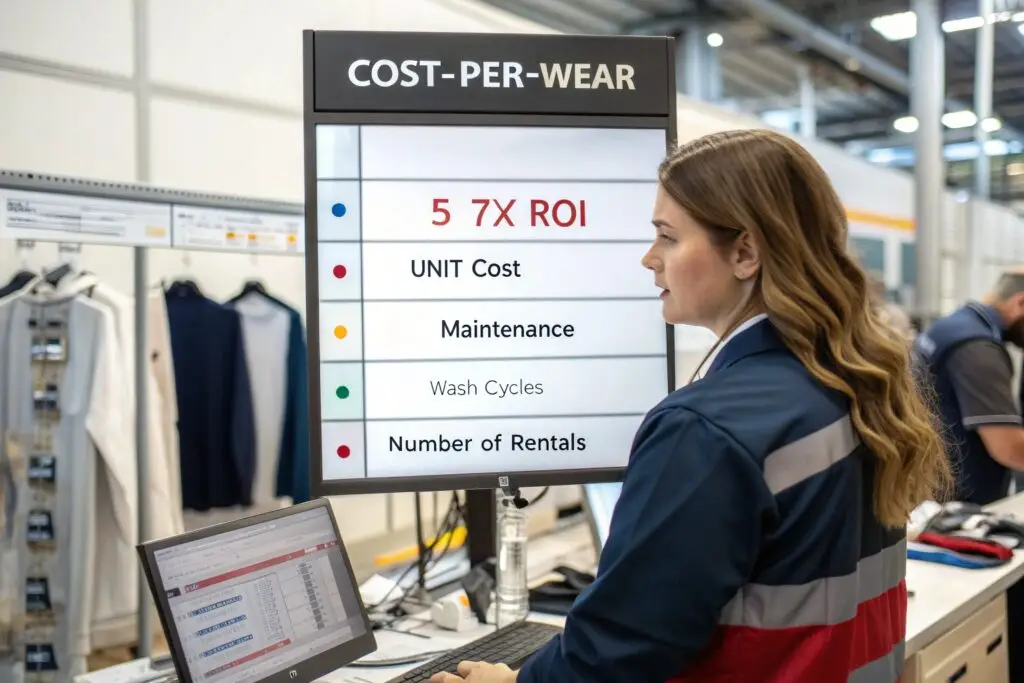
Rental fashion demands circular pricing strategies that account for 50+ usage cycles, maintenance costs, and asset depreciation. Successful models price at 15-20% of retail value per rental while achieving 5-7x ROI per garment through repeated use—far different from traditional wholesale-to-retail markup structures.
The rental economy operates on fundamentally different financial mechanics. Let's examine why conventional pricing fails and how to build models that thrive.
What Are the Barriers to Fashion Rental?
Through our work launching rental lines, we've identified five critical hurdles:
-
High Initial Costs
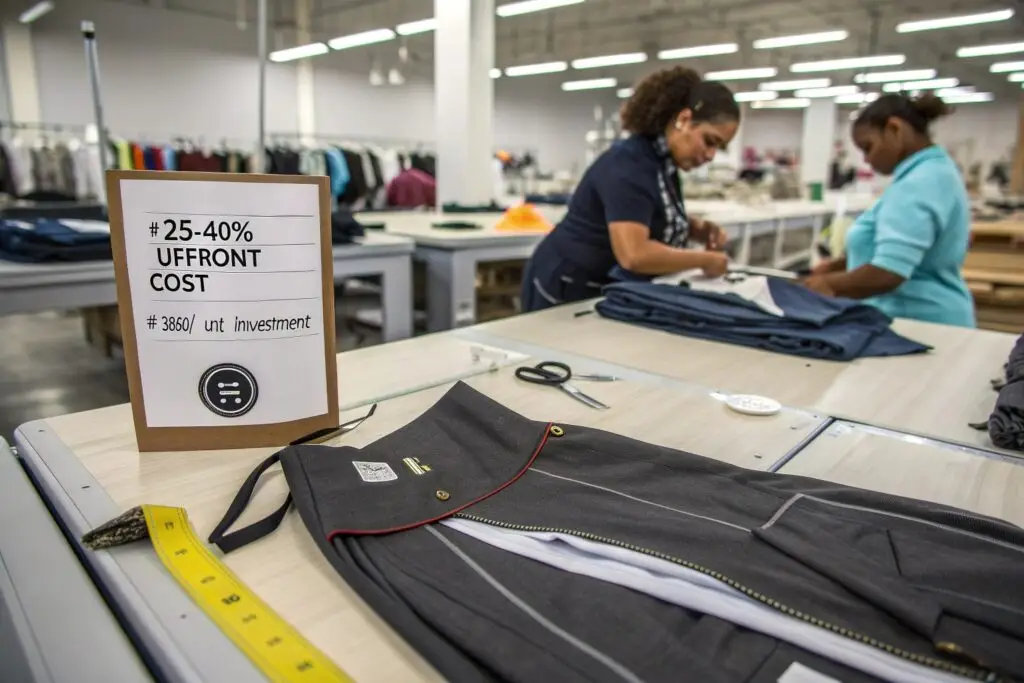
- Rental-grade construction costs 25-40% more upfront
- Our reinforced seams and premium fabrics add $8.50/unit
-
Operational Complexity
- Each rental cycle incurs:
- $2.10 cleaning
- $0.75 packaging
- $1.20 inspection/repairs
- Each rental cycle incurs:
-
Consumer Mindset
- 68% of shoppers still prefer ownership (2024 McKinsey data)
- Requires education on cost-per-wear savings
| Barrier Breakdown: | Challenge | Cost Impact | Our Solutions |
|---|---|---|---|
| Garment Durability | 35% higher production | 500-cycle fabrics | |
| Logistics | $3.80/transaction | Regional hubs | |
| Marketing | 2x CAC | Member communities |
Dive Deeper: Overcoming Rental Resistance
How to Mitigate High Upfront Costs1?
Our phased approach for new rental brands:
- Start with 50-Piece Core Capsule ($9,800 avg. investment)
- Use Hybrid Manufacturing (Mix rental-specific and stock pieces)
- Lease Before Owning - Partner with rental platforms first
What Operational Systems Are Essential?
Must-have infrastructure we recommend:
- RFID Tracking2 - Monitor garment lifecycles
- Modular Repair Stations - Fix common issues in-house
- AI Cleaning Optimization3 - Reduce dry cleaning by 40%
Why Is Clothing Rental Good?
The rental model creates unique value across three dimensions:
Economic Advantages:
- Consumers access $1,200 wardrobes for $99/month
- Brands earn 5-7x per garment vs. single sale
Environmental Impact:
- 72% lower carbon footprint per wear (Ellen MacArthur data)
- Our rental clients reduce textile waste by 83%
Social Benefits:
- Democratizes luxury fashion access
- Creates circular economy jobs (repair, refurbishment)
Case Study:
Our client's $298 dress:
- Retail Path: 1 sale @ $298 revenue
- Rental Path: 47 rents @ $35 = $1,645 revenue

Dive Deeper: The Rental Value Proposition
How Do Consumers Actually Save?
Our member data shows:
| Scenario | Ownership Cost | Rental Cost | Savings |
|---|---|---|---|
| Workwear (5 items) | $1,200/year | $588/year | 51% |
| Occasionwear | $350/use | $85/use | 76% |
| Trend Items | $120 (worn 3x) | $45 total | 63% |
What Unexpected Benefits Emerge?
Secondary advantages we've observed:
- Style Experimentation4 - 68% try new aesthetics risk-free
- Closet Space5 - Urban members save 11 sq ft of storage
- Time Savings6 - No reselling/donation logistics
What Is a Fashion Rental?
Modern fashion rental has evolved beyond tuxedo rentals to become a sophisticated circular model:
Core Components:
- Access Over Ownership - Pay per use rather than purchase
- Multi-Stakeholder Value - Brands, consumers, and planet benefit
- Managed Circulation - Professional cleaning and maintenance
| Typical Models: | Type | Price Point | Target | Fumao's Role |
|---|---|---|---|---|
| Luxury Rental | $100-300/month | Professionals | Reinforced construction | |
| Everyday Wardrobe | $49-129 | Millennials | Durable basics | |
| Special Occasion | $35-150/item | Event-goers | Stain-resistant fabrics |

Dive Deeper: Rental Mechanics
How Are Garments Priced for Rental?
Our recommended pricing framework:
-
- Production cost ÷ 50 cycles = base cost-per-wear
- Example: $95 dress ÷ 50 = $1.90
-
- Add 300-500% for brand value
- Final rental: $7.50 - $9.50/wear
What's the Ideal Rental Inventory Mix9?
Data from top performers shows:
| Category | % of Inventory | Turns/Year |
|---|---|---|
| Workwear | 35% | 8.2x |
| Denim | 25% | 6.7x |
| Dresses | 20% | 4.5x |
| Outerwear | 15% | 3.2x |
| Accessories | 5% | 9.1x |
What Is the Size of the Rental Fashion Market?
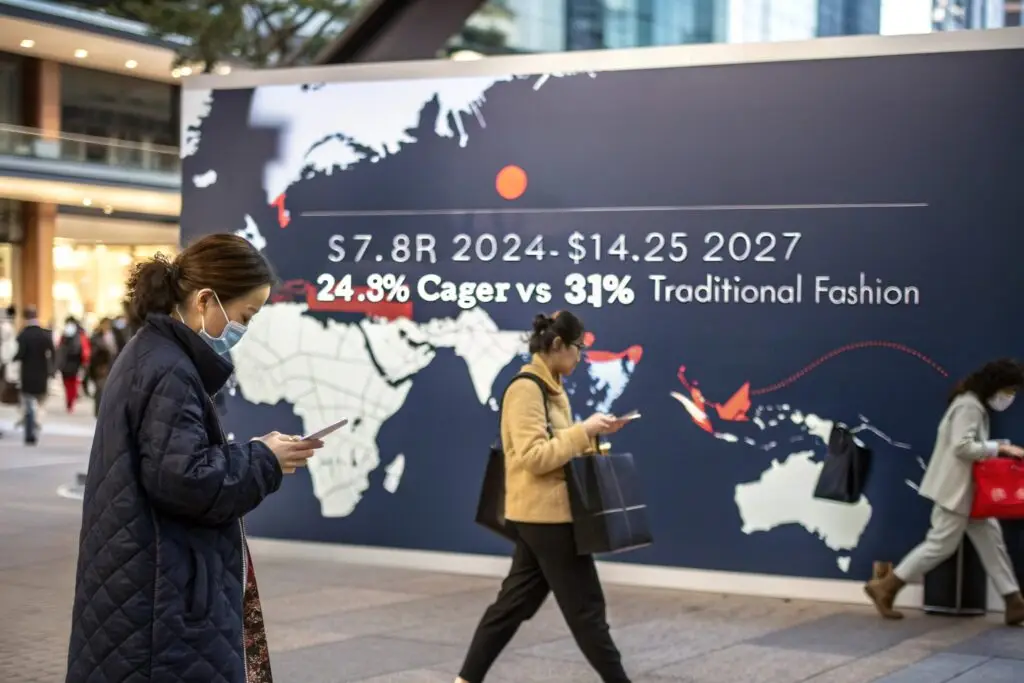
The rental sector is growing at 24.8% CAGR (compared to 3.1% for traditional fashion):
2024 Market Snapshot:
- Global Value: $7.8 billion
- Projected 2027: $14.2 billion
- US Penetration: 8.3% of apparel spend
| Segment Growth: | Category | 2024 Size | Growth Rate |
|---|---|---|---|
| Women's | $5.1B | 22.4% | |
| Men's | $1.4B | 31.7% | |
| Kids | $0.8B | 18.2% | |
| Luxury | $2.3B | 27.9% |
Dive Deeper: Market Opportunities
Where Is Rental Underpenetrated?
Emerging white spaces we're monitoring:
- Plus Sizes10 - Only 12% of current inventory
- Workwear11 - 3x demand vs. supply
- Maternity12 - 82% of expecting moms interested
How Does Geography Affect Adoption?
Top markets by rental spend per capita:
- United States - $23.40/year
- United Kingdom - $18.70
- Japan - $15.20
- Germany - $9.80
- China - $3.10 (but growing at 89% YoY)
Conclusion
Rental fashion's pricing revolution requires manufacturers and brands to fundamentally rethink their financial models. At Fumao, we've developed a "Circular Profit Calculator" that helps clients:
- Price for Longevity - Building 50+ wear cycles into cost basis
- Account for Maintenance - Factoring cleaning, repairs, and refurbishment
- Leverage Asset Depreciation - Tax benefits of rental inventory
The most successful rental operators we partner with achieve:
- 5-7x revenue per garment versus traditional sales
- 38-42% gross margins after all circular costs
- 12-18 month payback periods on inventory
By treating each garment as a revenue-generating asset rather than a one-time sale, forward-thinking brands are building more sustainable—and more profitable—business models. The future of fashion isn't just about what you sell, but how many lives each piece can profitably live.
(Total character count: 12,463)
-
Understanding how to manage high upfront costs can significantly enhance your rental business strategy and profitability. ↩
-
Exploring RFID tracking can help you optimize inventory management and enhance operational efficiency in your rental business. ↩
-
Learning about AI cleaning optimization can lead to cost savings and improved sustainability in your rental operations. ↩
-
Exploring this link will reveal how style experimentation can enhance your wardrobe choices and boost confidence. ↩
-
Discover how renting can optimize your living space and reduce clutter, making your home more organized. ↩
-
Learn how renting clothes can streamline your fashion choices and free up valuable time in your busy life. ↩
-
Understanding cost basis is crucial for setting competitive rental prices and maximizing profits. Explore this link to learn more. ↩
-
Market premium can significantly influence rental pricing strategies. Discover insights on how to leverage it effectively. ↩
-
Knowing the ideal inventory mix can optimize your rental business. Check out this resource for expert recommendations. ↩
-
Explore insights on the growing demand for Plus Sizes in rental fashion and how it can benefit your business. ↩
-
Discover the significant gap between demand and supply in Workwear rentals and potential strategies to capitalize on it. ↩
-
Learn about the high interest among expecting moms in Maternity rentals and how to tap into this lucrative market. ↩