Many rental fashion brands struggle to stay profitable due to high production costs and fast wear-and-tear on garments.
To optimize production costs for rental fashion, focus on smart fabric choices, balanced quality control, small-batch efficiency, and reliable manufacturing partners. These areas significantly impact longevity, cost-efficiency, and scalability.
If you run a rental-based fashion business, it’s easy to get trapped in the loop of overproduction, quality complaints, or high return damage rates. But with the right sourcing strategy and supplier partnerships, there’s a better path forward.
Smart Fabric Choices to Reduce Rental Garment Costs
Rental garments need to endure many washes and wears — but many brands still choose fabrics that don’t last.
The key to reducing rental garment costs is selecting durable, easy-to-maintain fabrics that can withstand frequent laundering, resist pilling, and reduce repair frequency.
What are the best low-maintenance fabrics that survive high turnover and frequent washes?
When we manufacture for rental fashion brands, one of the most common mistakes we see is poor fabric selection. Choosing trendy but fragile materials like viscose or 100% silk might appeal visually, but they break down after only a few wears and cleanings. That drives up replacement costs.
Instead, we recommend the following:
| Fabric Type | Benefits for Rentals | Cost Efficiency |
|---|---|---|
| Polyester blends1 | Wrinkle-resistant, colorfast, durable | High |
| Recycled Nylon2 | Lightweight, fast-drying, flexible | Moderate |
| Tencel/Lyocell3 | Breathable, biodegradable, soft feel, yet stronger than cotton | Moderate |
| Twill-weave Cotton | Resilient structure, holds shape well | Medium |
These are ideal not just for durability, but also for stain resistance and ease of laundering — two huge factors in the rental business. As a B2B clothing manufacturer, we always suggest performance-driven textiles that lower lifetime cost per unit.
How can technical textiles reduce cost per wear and increase lifecycle?
Let’s say a rental brand sells subscription dresses. One dress worn and washed 30 times should ideally look and feel like new every time. This is where technical blends like spandex-poly or coated twill fabrics excel.
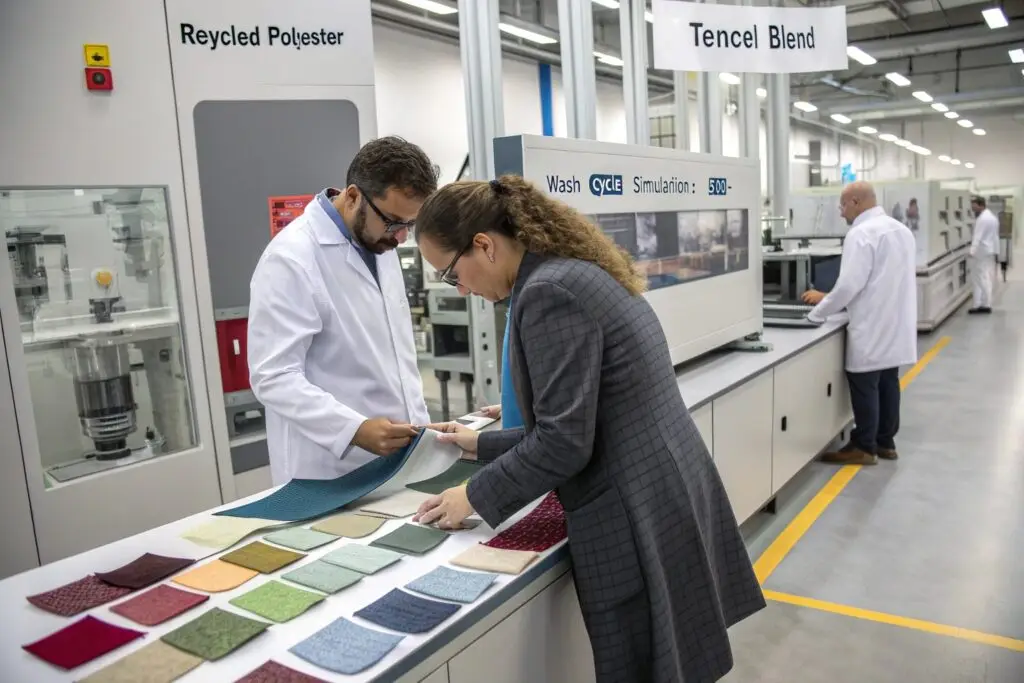
We help our clients test abrasion resistance, pilling resistance, and wash shrinkage using certified methods like ASTM or ISO. This lab-based approach ensures that their designs last across dozens of rental cycles without degrading. In the long term, this increases ROI per garment.
How to Balance Quality and Durability in Rentals?
Fast fashion dies fast in the rental industry. Too much focus on aesthetics leads to customer dissatisfaction over time.
To balance quality and durability, brands should align material science with design intent — selecting finishes, stitching, and closures that match the wear cycle of rentals.
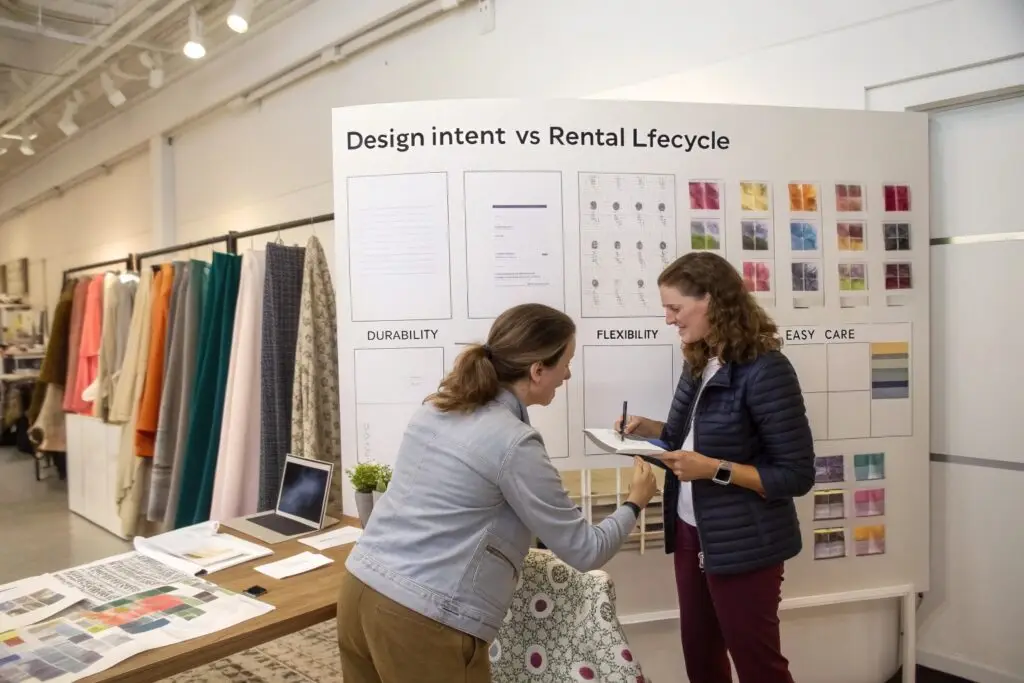
What are the top design pitfalls that lower garment lifespan in rental fashion?
One major design error we see is excessive use of delicate embellishments4. Sequins, lace, beads — they may look attractive, but they’re prone to damage. Zippers that aren’t reinforced also tend to break mid-cycle. Another red flag? Using stretch fabrics without accounting for recovery loss after multiple washes.
Here are some suggestions we give to brands during tech pack development:
- Seam Reinforcement: Use double-stitching in high-tension areas like waistlines or underarms.
- Closure Durability5: Opt for YKK zippers or durable snap closures over decorative fastenings.
- Fabric Weight Matching: Match lighter fabrics with interfacing to prevent structural distortion.
By making these subtle upgrades, brands can preserve the look and feel of rentals, even with weekly usage.
How do garment testing protocols ensure long-term rental value?
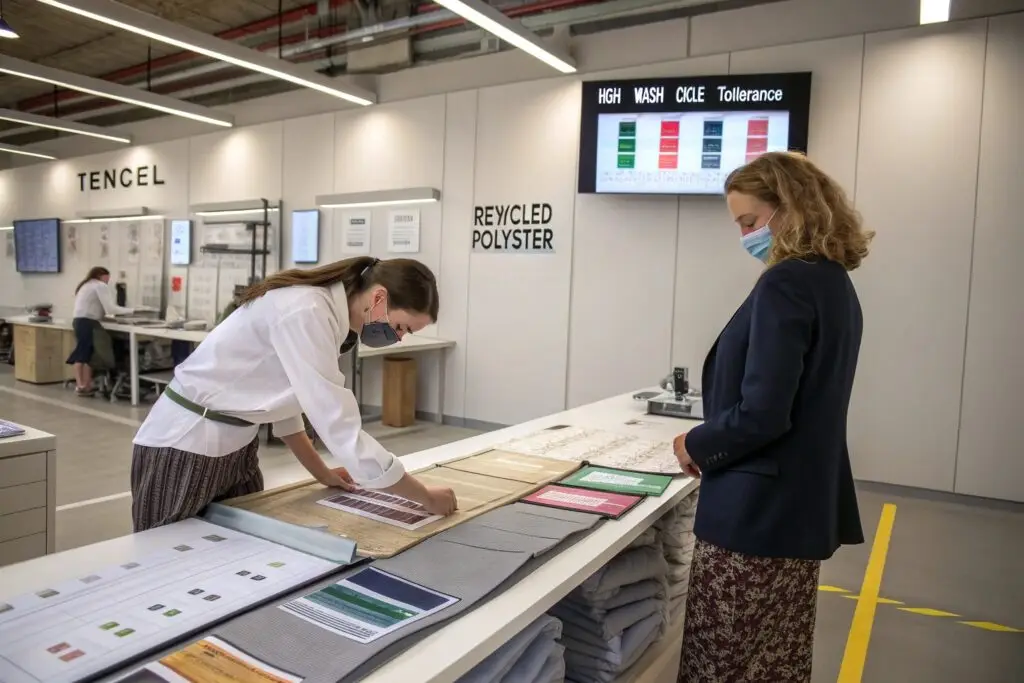
We implement a QC checklist that includes tensile strength, colorfastness, pilling, and seam slippage. Our in-house tests simulate 20+ washes to determine material fatigue. This kind of predictive quality control6 saves our partners from premature returns and complaints.
Brands working with our factory gain access to our performance test reports and can co-develop thresholds that match their customer satisfaction KPIs.
Cost-Saving Tips for Small-Batch Fashion Production
Not every rental brand can afford large MOQs. But small-batch runs don’t have to be expensive — if you’re strategic.
Small-batch rental production becomes cost-effective when brands use digital patterns, shared stock fabrics, and streamlined MOQ management with experienced manufacturers.
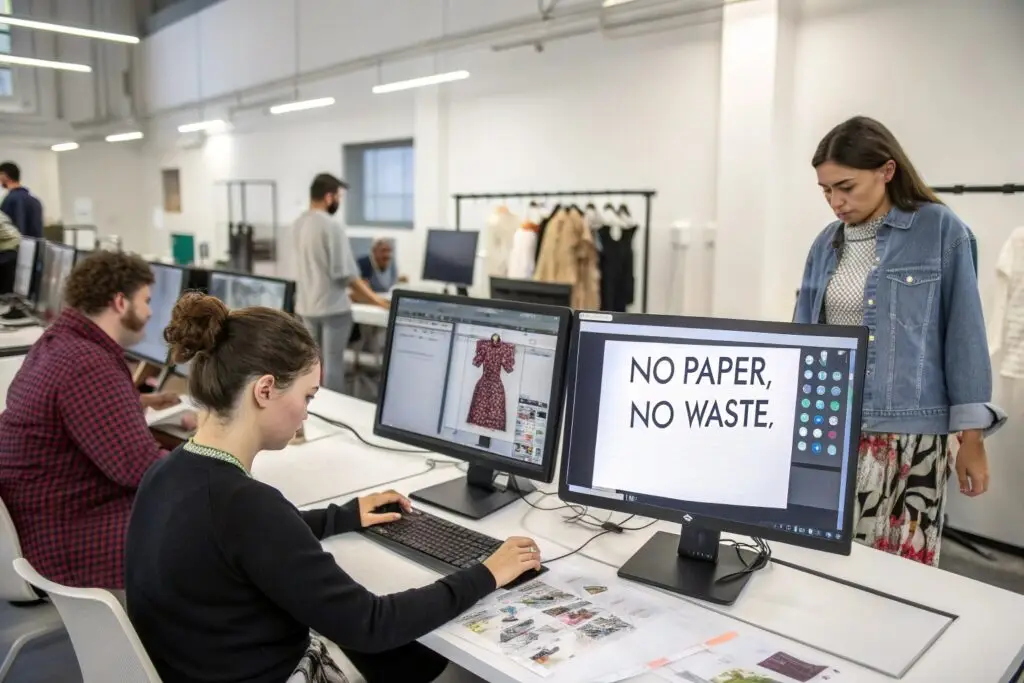
As a clothing factory, we’ve worked with brands ordering as little as 200 units per style. The trick is to simplify. For instance, by sticking to stock fabric options instead of custom dye lots, you skip minimum dye order costs. Digital patternmaking also speeds up sample approval and lowers revision charges.
Our factory offers shared-line production where we group similar orders from multiple brands. This reduces machine idle time, saves setup costs, and gets you lower unit pricing.
We also advise sticking to a lean SKU matrix7. Instead of 12 styles, start with 3 strong silhouettes and rotate prints or colors. This lets you negotiate better unit costs while still offering variety.
What tools or platforms help simplify the small-batch production8 workflow?
We recommend tools like CLO3D9 for virtual prototyping, which cuts your sample rounds in half. Tech pack automation software like Techpacker or Zedonk helps ensure accurate specs, reducing miscommunication with factories. These small tweaks reduce overhead and speed up go-to-market timelines.
We also accept DDP (Delivered Duty Paid) orders to simplify your logistics. You focus on marketing; we handle delivery and compliance.
Best Manufacturers for Sustainable Rental Apparel
Not all factories understand rental fashion. It’s not just about sewing — it’s about lifecycle thinking.
The best manufacturers for rental apparel are those offering fabric performance insight, quality testing, and flexible production capabilities with strong compliance.
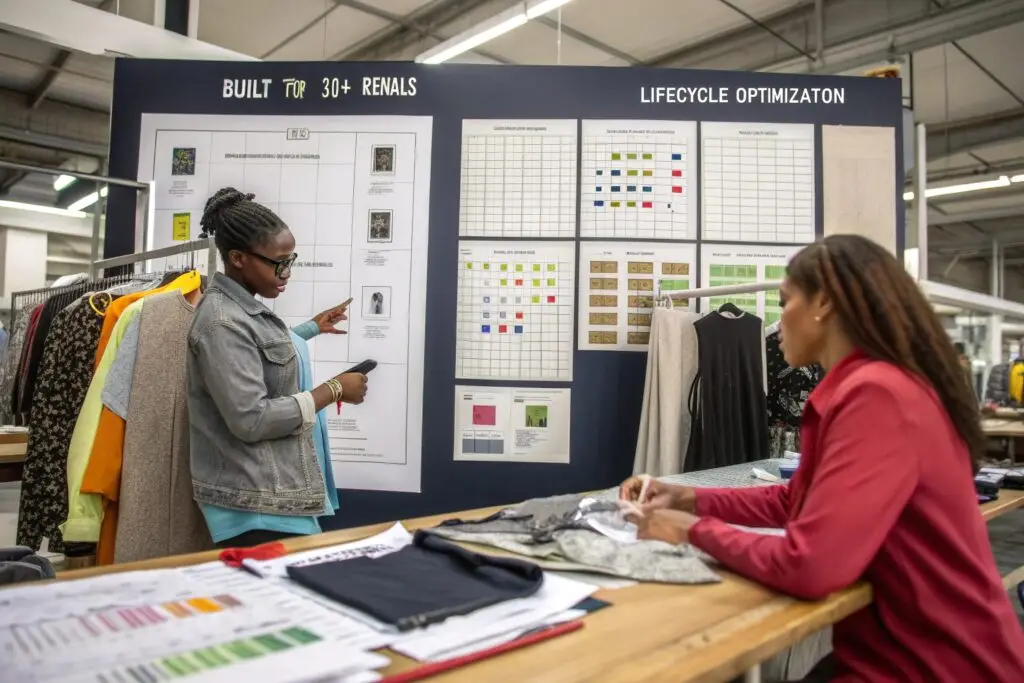
What key questions should you ask before choosing a manufacturing partner for rental fashion?
Many rental fashion founders overlook due diligence on their suppliers. Before signing on, we suggest you ask:
- Do you provide testing for wash durability10, seam strength, and colorfastness?
- Can you provide references from other rental brands?
- Are you certified for sustainable fabric sourcing11 (e.g. GRS, OEKO-TEX)?
- What is your lead time for small-batch orders12?
- Do you offer DDP shipping and customs handling?
We’ve helped rental brands in Europe and North America build capsule collections optimized for repeat use. Our in-house lab and long-term fabric mill partners let us verify every claim on durability and compliance.
How can partnering with the right supplier improve rental brand margins?
Choosing the right supplier reduces remakes, shortens production time, and boosts product longevity. When our clients partner with us, they save on bulk reorders by getting it right the first time. We’ve seen up to 40% fewer returns after switching to our QC-led manufacturing model.
Moreover, our customizable logos and rare fabric sourcing options give your brand a competitive edge in design — without sacrificing resilience. We handle everything from sourcing to finishing in one integrated process.
Conclusion
Optimizing rental fashion costs is not about cutting corners. It’s about strategic sourcing, durable design, and working with a partner who understands your business model — like us at Fumao Clothing.
-
Explore how polyester blends can enhance durability and cost efficiency in rental fashion, making them a smart choice for manufacturers. ↩
-
Discover the advantages of recycled nylon, including its lightweight and fast-drying properties, perfect for high-turnover rental garments. ↩
-
Learn about Tencel/Lyocell’s breathability and strength, which contribute to its longevity and comfort in rental clothing. ↩
-
Understanding the impact of delicate embellishments can help brands make informed design choices that enhance garment durability. ↩
-
Exploring closure durability can guide brands in selecting the right fastenings to improve garment longevity and customer satisfaction. ↩
-
Learning about predictive quality control can help brands implement effective testing protocols to ensure long-term rental value and reduce returns. ↩
-
Understanding the lean SKU matrix can help you optimize your product offerings and improve cost efficiency in your brand. ↩
-
Explore this link to discover effective strategies and tools that can streamline your small-batch production process, saving time and costs. ↩
-
Learn how CLO3D can revolutionize your design process by reducing sample rounds and enhancing accuracy in prototyping. ↩
-
Understanding wash durability testing can help ensure your products maintain quality and longevity, crucial for rental fashion success. ↩
-
Exploring sustainable fabric sourcing can enhance your brand’s eco-credentials and attract environmentally conscious consumers. ↩
-
Knowing the factors that influence lead time can help you plan better and meet customer demands efficiently. ↩