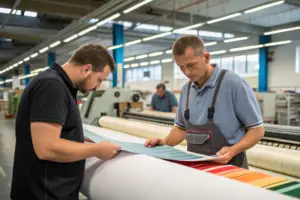
We all want a product that lasts—but most failures happen long before it hits the factory.
Lifecycle planning should begin at the design stage because over 70% of a product’s environmental and cost impacts are determined before production even starts.
You can’t fix a bad design with good marketing or last-minute tweaks. Whether it's a clothing line, rental apparel, or customized fashion, the design phase sets the tone for everything else. Let me explain why this matters to you as a buyer, manufacturer, or brand owner.
What is the main purpose of the design phase in the systems development life cycle?
Most people think design is about looks. But in business, it’s about systems, cost, and long-term function.
The design phase in the system development life cycle defines how the final product or system will function, ensuring it meets user needs, budget constraints, and long-term goals.
How does early design influence the long-term cost, function, and adaptability of a product system?
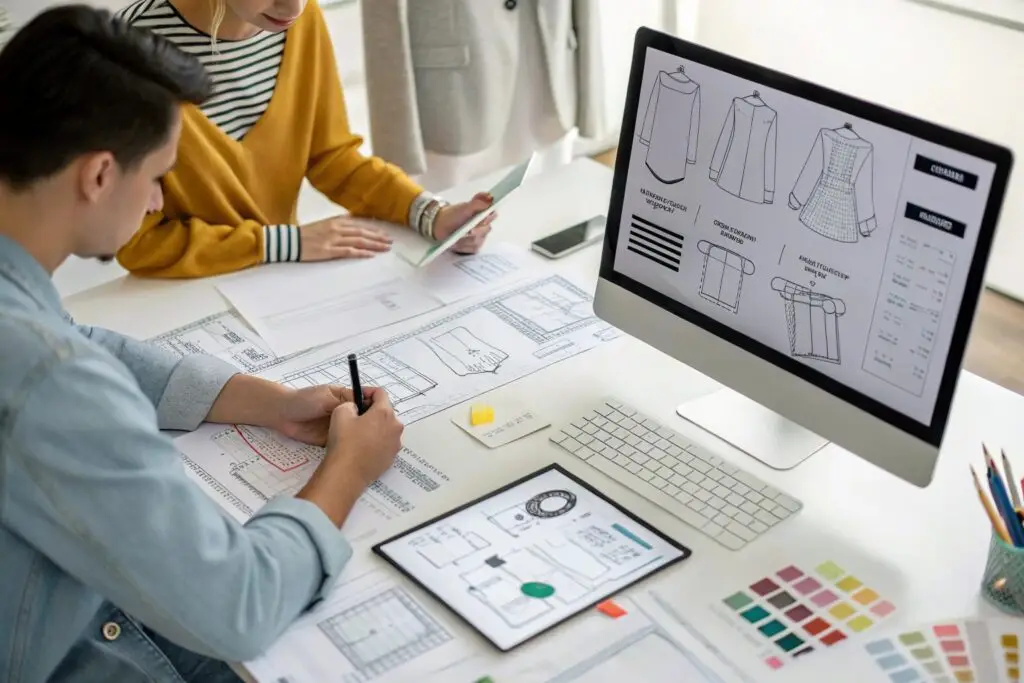
Let’s say you’re creating a rental fashion line1. If you don’t design it with durability and laundering in mind, you’ll end up replacing garments every 3–4 wears. That’s not sustainable, and it kills your profit margin. In my business, I always push clients to consider how each stitch and seam impacts the garment’s ability to last through dozens of uses.
We build a lifecycle map2 during design: how many washes, how easily it can be repaired, how it fits multiple body types. In software or systems, it’s the same principle—what you decide early on affects every update, every patch, every maintenance cycle.
Why does the design phase matter more than the implementation or testing phases?
A bad design, no matter how well-executed, leads to problems. I’ve had clients come to me after wasting thousands on production, only to realize their patterns were inefficient, their fabric choice wrong for the target market, or their packaging failed customs regulations. All of this could’ve been fixed in the design phase.
You can fix execution, but not a flawed concept. That’s why we invest heavily in pre-production sampling3, mockups, and 3D fittings before we ever touch the production line. You should do the same with your systems—test your logic at the design level.
What is the most important stage in the project life cycle?
Every stage has its role—but only one sets the foundation.
The design stage is the most important in the project life cycle because it defines scope, costs, risks, and direction—every later phase builds upon its success or failure.
How does the design stage determine whether a project stays on time, under budget, and within scope?
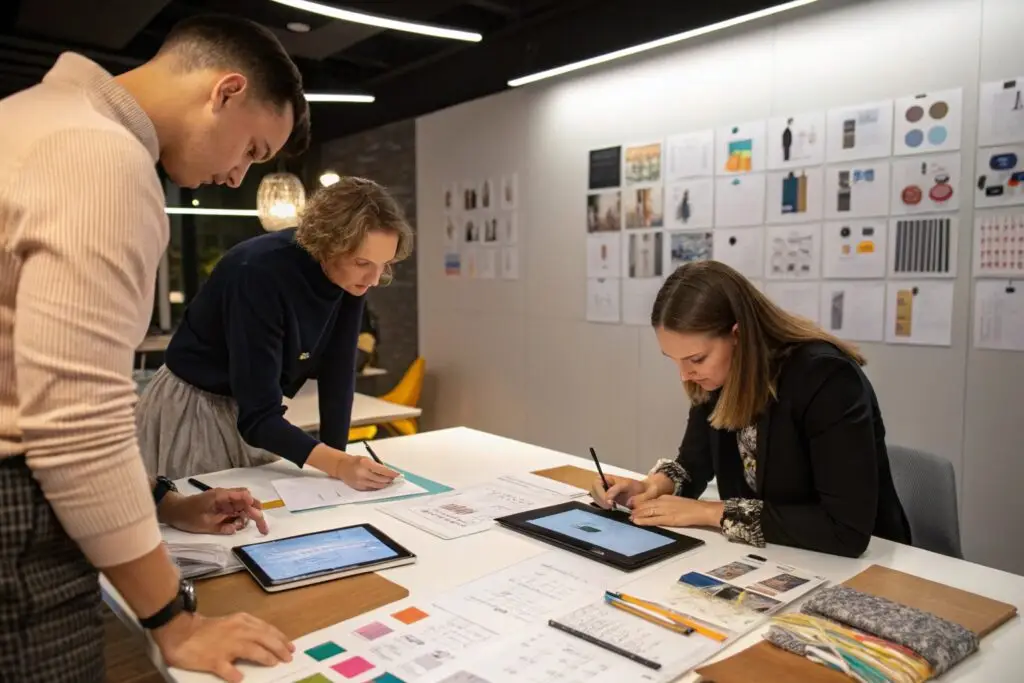
When I work with international brands, one thing is always true: the ones that plan well at the start rarely hit production disasters later. They’ve outlined fabric yield, supplier timelines, tech pack revisions, and compliance checks—all during the design phase4.
That’s no accident. By locking in clear specs early, you avoid scope creep5, late-stage redesigns, and supplier misunderstandings. That’s why I coach clients to spend 30% of their total project time just on pre-production planning6. It might feel slow, but it saves money and time in bulk orders.
Why do poorly planned design phase4s lead to long-term operational problems?
I remember a buyer who came to me from Vietnam. Their first shipment failed customs because the dye used didn’t match export requirements. The reason? The supplier wasn’t consulted early during design. No MSDS forms were filed. That simple mistake cost them an entire season’s launch.
Design isn’t just a blueprint—it’s your legal, financial, and operational insurance. Every detail missed becomes a domino that can crash the entire project.
Why is the design phase important in SDLC?
In software, garments, or systems, the design phase connects ideas to execution.
The design phase in the SDLC is crucial because it converts conceptual needs into actionable blueprints, ensuring systems are both functional and efficient.
How does a clear design bridge the gap between business needs and technical execution?
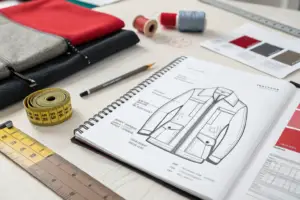
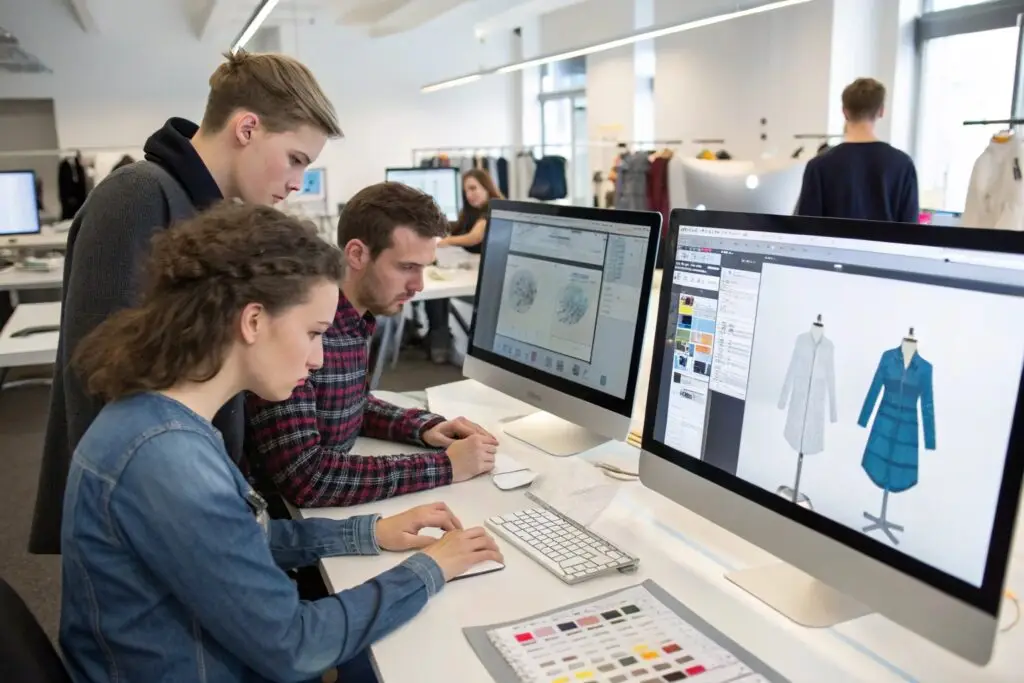
You wouldn’t let a tailor cut fabric before seeing a pattern, right? The same applies to system design7. In clothing, we translate sketches into tech packs and prototypes. In tech, you convert user requirements into flowcharts and wireframes8.
At Fumao Clothing, we even simulate production runs using digital markers to minimize fabric waste. This data then feeds back into cost estimation and lead time calculation. That’s how we stay lean and accurate.
When you ignore this phase, you end up with mismatched outputs. Your vision doesn’t match what’s made. And when you’re dealing with bulk orders or B2B clients, that mistake costs more than money—it damages trust.
What happens when businesses skip or rush through the design phase9 in development cycles?
Speed is important—but rushing costs more. We had a client once push through a collection in 3 weeks, skipping full samples. End result? 15% return rate due to sizing errors and stitching inconsistencies.
In system design, skipping phase diagrams or use-case planning often leads to security holes, poor scalability, or missed features. Your best bet? Spend the time upfront. Align your designers with your business team. At Fumao, our merchandisers, pattern makers, and factory floor managers meet weekly—even in design—so there are no surprises later.
What is the importance of the life cycle in product design?
Design is not just about starting strong—it’s about finishing smart.
Lifecycle thinking in product design ensures a product is efficient, durable, repairable, and ultimately recyclable, reducing environmental and financial waste.
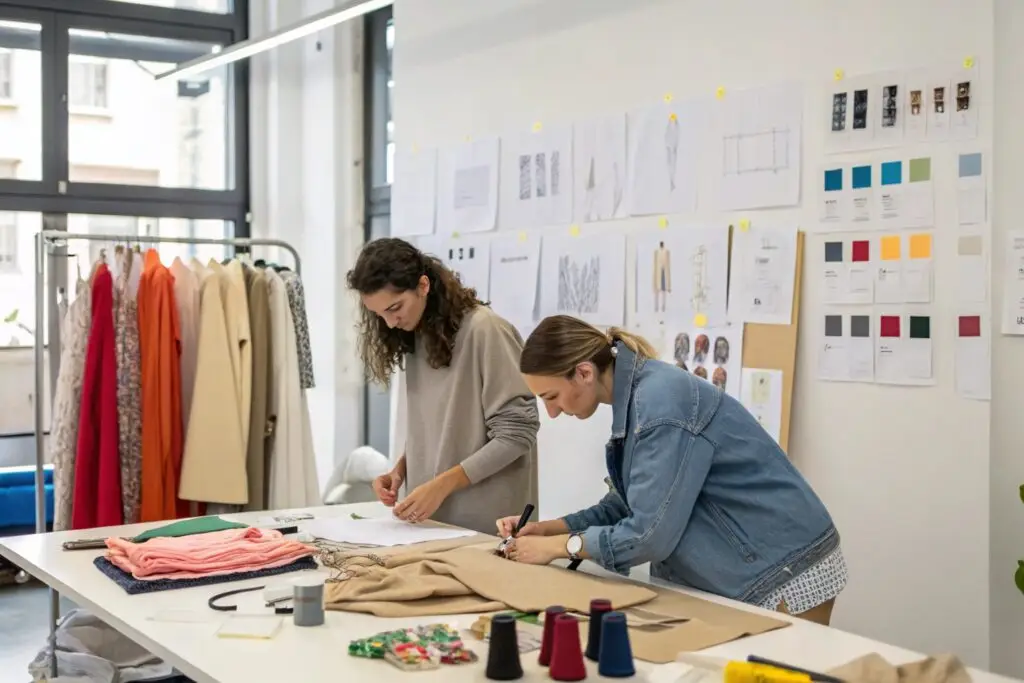
How does lifecycle thinking reshape what materials, techniques, and packaging you choose?
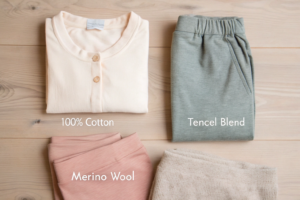
When a client asks me to build a sustainable kidswear line10, I don’t just pick organic cotton and call it a day. I ask: will it survive 20 washes? Can it be repaired? Will the tags biodegrade? Will it shed microplastics? These aren’t marketing questions. They’re design questions.
Here’s a simple breakdown of what lifecycle planning11 looks like in garment production:
| Design Focus | Lifecycle Impact |
|---|---|
| Fabric Choice | Durability, recyclability, comfort |
| Stitching Method | Longevity, repairability |
| Label and Trims | Biodegradability, safety |
| Packaging | Recyclability, logistics compliance |
| Logistics Mode | Carbon footprint, shipping time |
Each decision is a thread in the lifecycle fabric. Ignore one, and the product falls apart—literally or financially.
How can businesses align product lifecycle goals with brand positioning and profitability?
Let me give you an example. One of our clients in Europe wanted to market “zero-waste fashion12.” But their packaging was still plastic-heavy. We redesigned their labels and polybags using compostable material sourced from China. The cost per unit rose by $0.09—but their product margin increased by 20% thanks to premium positioning.
Lifecycle planning supports branding when it’s authentic. At Fumao, we help brands hit both goals: sustainability and scalability. The truth is, customers will pay more for products they trust, especially in the B2B sector where values drive long-term loyalty.
Conclusion
Start your planning early—because the design phase defines your product’s future. Whether you’re building a system, a garment, or a business, every lifecycle begins before the first cut.
-
Explore this resource to learn effective strategies for creating a sustainable and profitable rental fashion line. ↩
-
Understanding lifecycle mapping can enhance your product's durability and adaptability, ensuring long-term success. ↩
-
Discover why pre-production sampling is crucial for avoiding costly mistakes and ensuring product quality before launch. ↩
-
Understanding the design phase's role can help you avoid costly mistakes and ensure project success. ↩ ↩
-
Learning about scope creep prevention can help you maintain project timelines and budgets effectively. ↩
-
Exploring pre-production planning can reveal strategies to save time and money in your projects. ↩
-
Understanding system design is crucial for aligning business needs with technical execution, ensuring successful project outcomes. ↩
-
Learning about flowcharts and wireframes can enhance your understanding of effective system design and user requirements. ↩
-
Exploring the design phase's importance can help prevent costly mistakes and improve project efficiency. ↩
-
Explore effective strategies for developing a sustainable kidswear line that resonates with eco-conscious consumers. ↩
-
Understanding lifecycle planning can enhance your approach to sustainable fashion, ensuring durability and eco-friendliness in your designs. ↩
-
Learn about zero-waste fashion principles to improve your brand's sustainability efforts and attract loyal customers. ↩