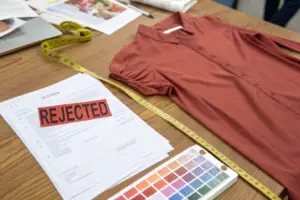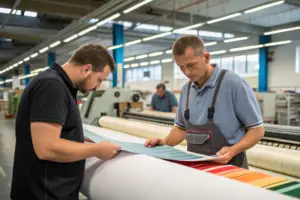
Fashion is changing, and fast. But without knowing where materials come from, circular strategies can easily fail before they start.
Fabric traceability is the backbone of circular fashion because it enables accurate recycling, ensures compliance, and supports ethical sourcing across the product lifecycle.
If we want a world where clothes don’t become waste, we need to know what they’re made of, how they were made, and where they’ve been. Traceability isn't just a technical issue—it's a strategic necessity for rental and resale-driven business models.
Why is circularity important in fashion?
Every second, the equivalent of a garbage truck full of textiles is landfilled or burned. That’s not just a waste of fabric—it’s a waste of opportunity.
Circularity is important in fashion because it keeps materials in use longer, reduces waste, and lessens the industry's impact on the environment and global resources.
How does circular fashion1 benefit both environmental goals and long-term sourcing economics?
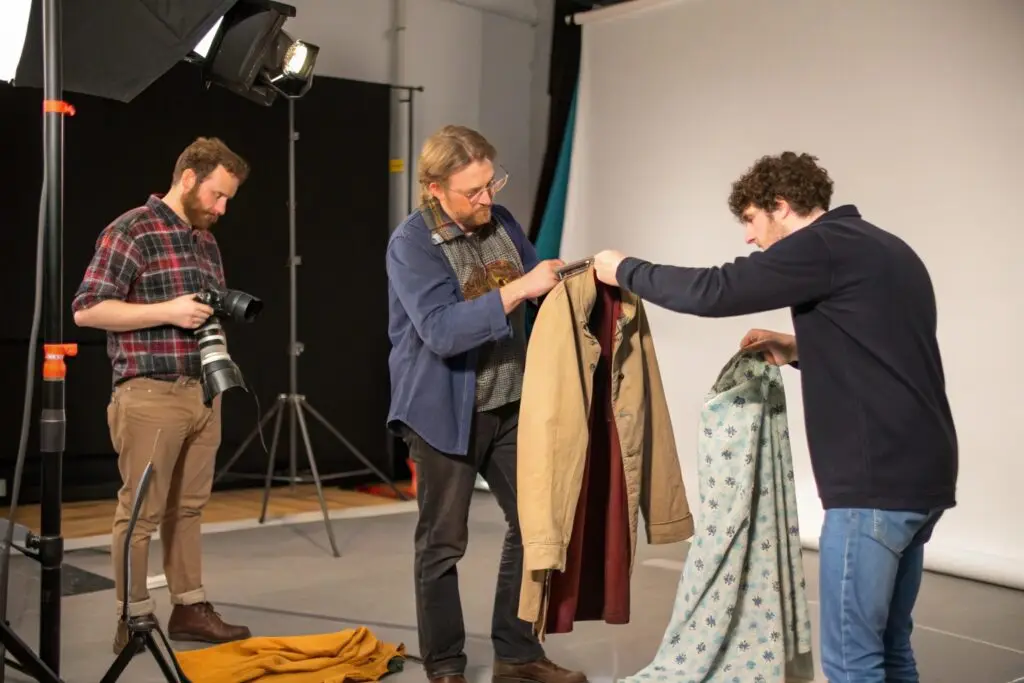
When garments are reused, remade, or recycled, fewer virgin materials are needed. This cuts energy use, lowers emissions, and stabilizes long-term costs. At Fumao Clothing, we help our clients source recyclable fabrics and modular designs. One client in Europe saved over $180,000 per year by launching a repair-and-rent line using our circular cotton blends2. Not only did their environmental scorecard improve, but their customer loyalty metrics rose too.
| Model Type | Fabric Lifespan (avg uses) | Waste Generated | Avg CO2 Savings (%) |
|---|---|---|---|
| Linear (Buy-Use-Toss) | 10 | High | 0% |
| Circular (Rent-Repair-Reuse) | 30–50 | Low | 30–50% |
Circularity isn’t just a green slogan—it’s a model that makes economic sense when done right.
What challenges do brands face when adopting circular models without clear traceability systems?
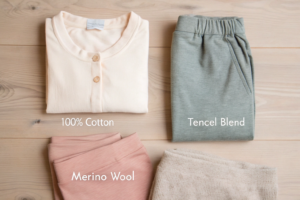
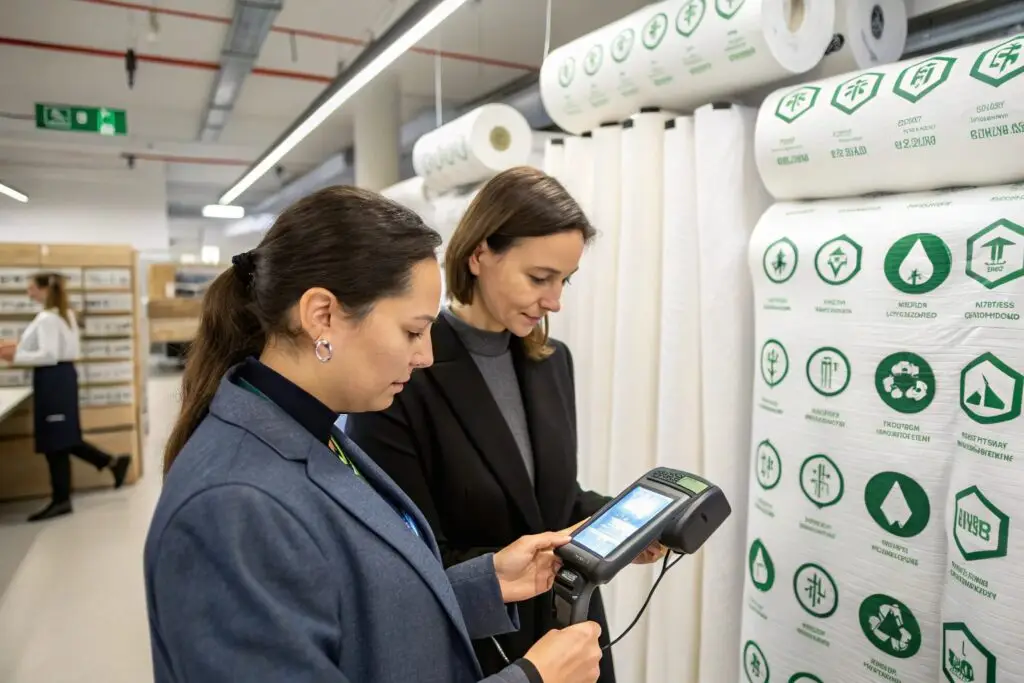
Without clear data on fabric content, origin, and care instructions, circular models often break down. A recycled poly-cotton blend, for example, may not be recyclable again unless the blend ratio is verified. Our clients often ask us for QR-tagged sourcing reports3 and material IDs, so they can track each roll of fabric. This is especially useful when items return from customers after months of wear. One rental brand reduced their landfill discard rate by 60% after switching to traceable, mono-material construction.
What is traceability in fashion?
You can’t manage what you don’t measure. And in fashion, that means knowing where everything comes from—and goes.
Traceability in fashion is the ability to track and verify every step of a garment’s lifecycle, from raw material to end-of-use, ensuring transparency and accountability.
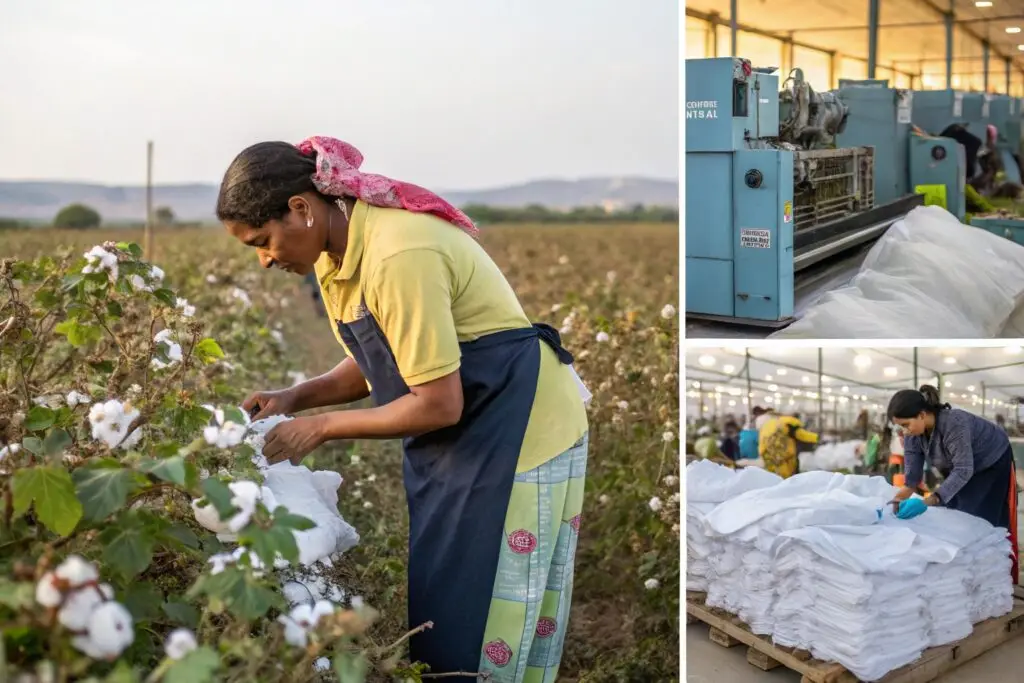
How does fabric traceability4 enable effective circular fashion logistics and post-use processing?
When you know exactly what a fabric is and where it came from, you can sort it properly, recycle it efficiently, or resell it with confidence. Traceability supports sorting automation in warehouses and confirms material compatibility in recycling. At Fumao Clothing, we provide batch-level traceability using digital tags and export documentation. A rental partner we work with tracks fabric wear-and-tear by scanning embedded IDs during returns, enabling faster repairs and informed replacement planning.
What tools or systems can buyers use to enforce traceability across their supplier networks?
Buyers like Ron can use:
- Blockchain platforms5 that log material origin and production stages
- QR Code Systems on care tags, linking to production data
- Digital Passports6 that store fiber, dye, and labor details
- Certifications such as GOTS, GRS, and OEKO-TEX® with trace codes
- Third-Party Audit Trails for shipment and compliance validation
We work closely with clients to integrate these systems. One of our U.S. buyers embedded QR links on all their jackets, giving customers full access to the story behind the fabric. It strengthened customer trust and positioned the brand as a circular leader.
What are the three pillars of circular fashion?
To truly shift from linear to circular, we need more than recycling bins—we need structure.
The three pillars of circular fashion are design for durability, systems for reuse, and infrastructure for regeneration—together, they close the loop in apparel lifecycles.

How does “design for durability” depend on accurate knowledge of fabric properties and sourcing data?
If you want a jacket to last 50 uses, you need to know the tensile strength7, stretch recovery, shrinkage rate, and colorfastness of the fabric. Traceability makes that possible. At Fumao Clothing, we test and document these specs for all fabrics we offer, especially for clients in the rental business. This helps them avoid overdesigning or underengineering key pieces. One brand we support even adjusted their denim GSM (grams per square meter) mid-season based on wear reports tied to traceable IDs.
Why does regeneration infrastructure8 rely on fabric traceability9 more than ever?
Whether it’s mechanical recycling, chemical fiber recovery, or biodegradable composting, each process requires precise inputs. If you can’t confirm a fabric’s blend ratio or dye chemistry, it may contaminate the recycling stream. That’s why traceability isn’t optional—it’s mandatory. Clients who buy from us get lifecycle-ready fabrics, complete with documentation. We’re even piloting a take-back program with QR-coded packing slips for select rental customers to ease garment returns and recycling sorting.
What are the four R's of circular fashion?
Many know “reduce, reuse, recycle”—but circular fashion goes one step further.
The four R’s of circular fashion are Reduce, Reuse, Repair, and Recycle—each stage extending garment life while minimizing resource use and waste.
%[Fashion designers working on textile samples in design studio](https://shanghaigarment.com/wp-content/uploads/2025/06/a-contemporary-fashion-design-studio-where-designe-1024x683.webp"Garment design workspace")
How does traceability empower each of the four R's in practice within the rental fashion sector?
- Reduce: By knowing material efficiency and manufacturing impact, buyers can choose lower-impact textiles
- Reuse: Traceability tracks how often an item is used and alerts when repairs are needed
- Repair: Digital tags help technicians identify original thread and fabric types for accurate fixes
- Recycle: Confirming fiber content ensures correct recycling stream placement
At Fumao Clothing, we provide repair kits with matching fabric specs10 for rental clients. We also offer customized woven tags with QR codes that log each garment’s lifecycle history.
What metrics can brands use to evaluate their performance across the four R's?
To measure how well circular strategies are working, we recommend tracking:
| Metric | Description |
|---|---|
| Wear Count per Garment11 | Average uses before recycling |
| Repair Frequency (%) | Items needing fix after rental cycle |
| Recycling Rate (%) | Share of items successfully recycled |
| Material Origin Trace Score12 | % of garments with verified sourcing chain |
Buyers like Ron use these numbers to make smarter reorder decisions, report on ESG targets, and differentiate from greenwashing competitors. Circularity with traceability isn’t just compliance—it’s competitive edge.
Conclusion
Fabric traceability is not just a detail—it’s the foundation of true circular fashion. When buyers, brands, and suppliers commit to transparency, sustainability stops being a buzzword and becomes a business advantage.
-
Explore how circular fashion can enhance sustainability and economic efficiency, making it a win-win for businesses and the planet. ↩
-
Discover the benefits of circular cotton blends in promoting sustainable practices and reducing waste in the fashion industry. ↩
-
Learn how QR-tagged sourcing reports can revolutionize traceability in the fashion industry, ensuring sustainability and accountability. ↩
-
Understanding fabric traceability is crucial for enhancing sustainability in fashion. Explore this link to learn more about its benefits. ↩
-
Blockchain technology is revolutionizing supply chain transparency. Discover how it can improve traceability in your business. ↩
-
Digital Passports are key to ensuring transparency in fashion. Learn how they can enhance your brand's credibility and sustainability efforts. ↩
-
Exploring tensile strength will provide insights into how it impacts the longevity and performance of fabrics in garments. ↩
-
Learning about regeneration infrastructure can help you understand the processes that make textile recycling effective and sustainable. ↩
-
Understanding fabric traceability is crucial for sustainable practices, ensuring quality and reducing waste in the fashion industry. ↩
-
Explore how repair kits enhance sustainability and garment longevity in the rental fashion industry. ↩
-
Understanding this metric can help brands optimize their rental strategies and improve sustainability efforts. ↩
-
Learn about the significance of traceability in sourcing and its impact on brand transparency and consumer trust. ↩