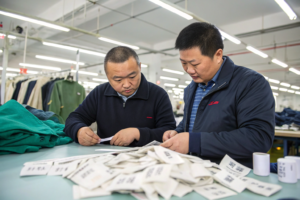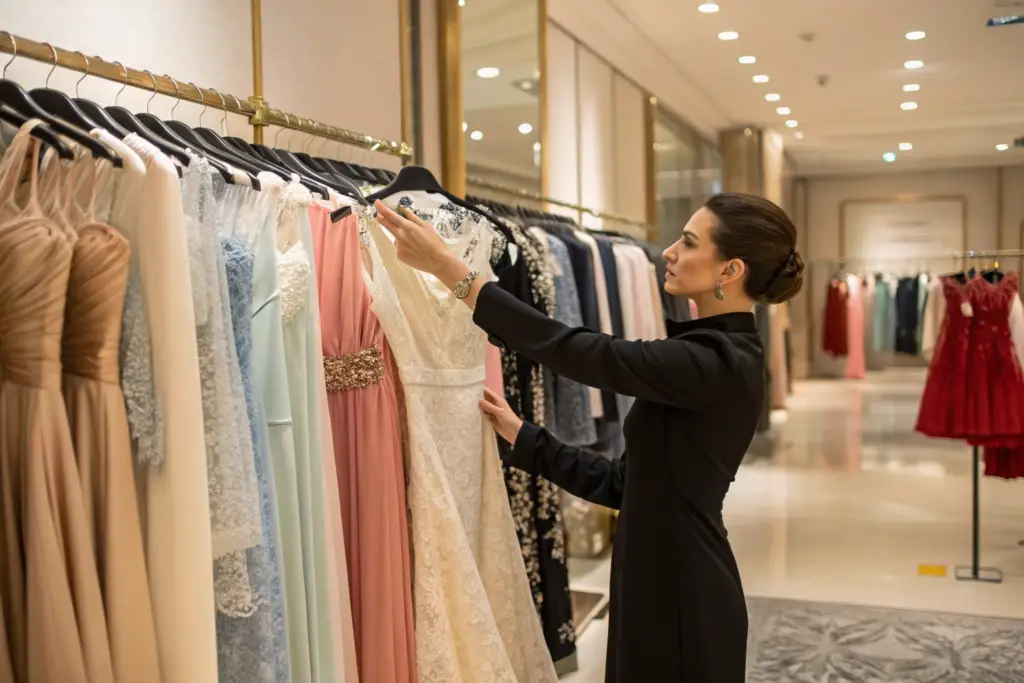
A boutique buyer's reputation is her inventory. Every dress she puts on her rack carries her implicit promise to her customer: "I chose this for you. It is beautiful. It is well-made. It is worth the price." When that promise is broken by a dress that fades, shrinks, fits poorly, or arrives after the selling season has passed, the customer does not blame the factory in Shanghai. She blames the boutique. She may not return. She may not recommend. The buyer's trust, once lost, is almost impossible to regain. This is why boutique buyers are the most demanding, the most discerning, and the most loyalty-driven customers in the wholesale apparel market. They do not buy products. They buy promises they can keep.
US boutique buyers trust Shanghai Fumao Clothing for floral styles because we deliver on five promises that directly protect their reputation and their margin. First, print and fabric quality that holds up to customer scrutiny and repeat washing, verified by reactive digital printing on premium natural fibers. Second, fit consistency across sizes and across seasons, enabled by our graded pattern library and pre-production sample protocol. Third, on-time delivery that respects the hard seasonal deadlines of boutique retail, backed by a milestone-driven production calendar and contractual accountability. Fourth, design exclusivity that prevents the same floral dress from appearing in a competing boutique across town. Fifth, transparent, proactive communication that treats the buyer as a partner whose launch calendar is as important as our production schedule. These five promises, consistently kept across hundreds of orders over more than a decade, are the foundation of the trust our boutique clients place in us.
My name is Elaine. I am the co-owner of Shanghai Fumao. The boutique channel is not our largest by volume, but it is the channel I care about most deeply. I started my career as a pattern maker in a small sample room, and I remember what it felt like to be a small player in a large industry, dismissed by suppliers who prioritized bigger accounts. When I built this factory, I resolved that we would serve boutique buyers with the same quality, the same transparency, and the same respect we offer to our largest distributor clients. In this article, I will show you exactly how we deliver on each of the five promises that matter to boutique buyers, with specific examples and verifiable practices.
How Does Our Print and Fabric Quality Protect a Boutique's Reputation?
A boutique customer is not an anonymous online shopper. She walks into the store. She touches the dresses. She holds them up. She tries them on. She develops a relationship with the boutique owner and trusts her curation. When a dress feels cheap, looks faded, or falls apart after two washes, the customer's trust in the boutique is damaged. The boutique owner loses more than a sale. She loses credibility. The cost of a quality failure in the boutique channel is not measured in return processing fees. It is measured in lost customer lifetime value.
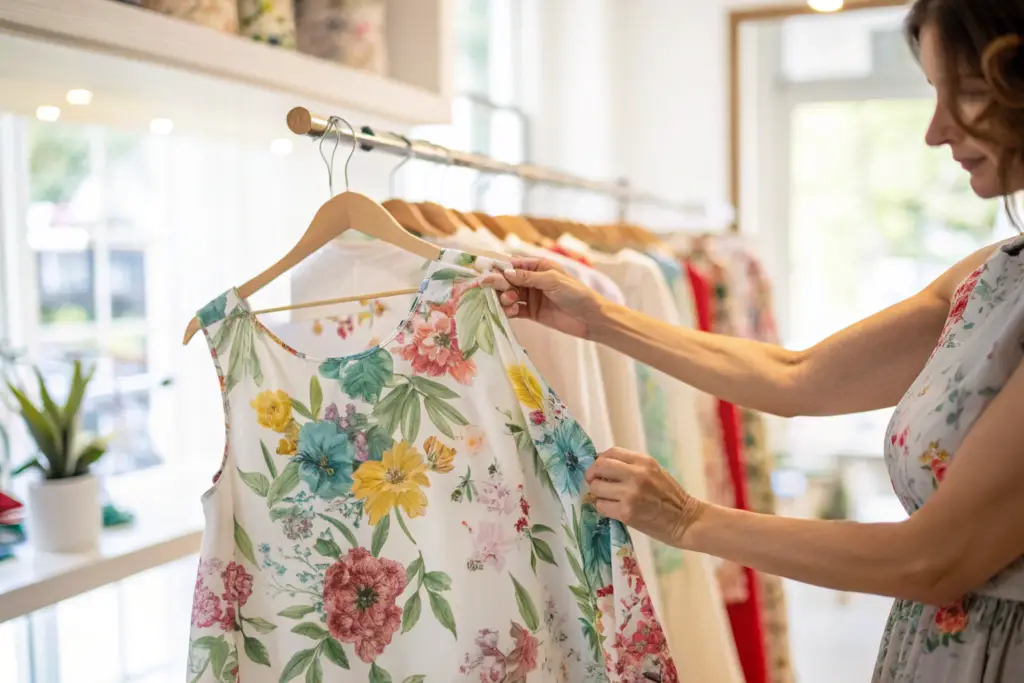
Our print and fabric quality protects a boutique's reputation through three specific, verifiable standards. We use only reactive digital printing on natural fiber bases—linen and cotton—which penetrates the yarn so the print is part of the fabric, not a surface coating that cracks and fades. We pre-wash all our linen and cotton fabrics for shrinkage control, so the customer's dress does not shrink two sizes on the first wash. We inspect every dress for print alignment at the seams and color accuracy against the approved strike-off. A boutique owner can sell our floral dresses with confidence, knowing that the quality her customer experiences on day one will be the same quality she experiences after a season of wear and washing.
What Happens When a Boutique Sells a Dress With a Poor-Quality Print?
I have heard this story from boutique buyers more times than I can count. They sourced a floral dress from a new supplier. The sample was acceptable. The price was attractive. The bulk order arrived. The print was slightly blurry, slightly duller than the sample. They put it on the rack anyway, hoping customers would not notice. Customers noticed. The dress sat. It was marked down. The boutique owner lost margin on that dress, lost the opportunity cost of the rack space it occupied, and lost a small piece of her reputation as a curator of beautiful things.
This is why we treat print quality as a non-negotiable, objectively measurable standard, not a subjective preference. Our reactive digital printing process, calibrated color management, and fabric-specific file optimization—which I detailed in a previous article on what makes our floral prints look premium—are not marketing claims. They are production protocols with measurable outputs. The print on the dress the boutique receives is the same print the buyer approved on the strike-off, within a Delta E color tolerance of less than 1.5. This is a quantifiable guarantee, not a hope. The digital print quality and color consistency for fashion brands article explains the technical standards that make this consistency achievable. We invest in these standards because a boutique owner's reputation is on the line with every dress she sells.
How Does Pre-Washing and Shrinkage Control Prevent the Dreaded "It Shrank" Return?
The "it shrank" return is one of the most damaging to a boutique's customer relationship. The customer loved the dress. She wore it. She washed it according to the care label. It came out two inches shorter and noticeably tighter. She feels cheated. She returns the dress, if the boutique's policy allows, or she never shops there again. The boutique owner, who had no way of knowing the fabric was not pre-shrunk, absorbs the financial and reputational cost.
We pre-wash all our linen and cotton fabrics before cutting. This is a standard step in our production process, not an optional add-on. The fabric is washed, dried, and relaxed. The shrinkage occurs in our factory, not in the customer's washing machine. The residual shrinkage on the finished garment is less than 2%, well within the industry standard for pre-washed natural fibers. We test every fabric lot for shrinkage and provide the test report to our clients. A boutique buyer who sources from us never receives an email from a customer saying the dress shrank. This is not because we are lucky. It is because we removed the cause of the problem before the fabric reached the cutting table. The fabric pre-washing and shrinkage control for garment manufacturing article explains the technical process and its importance for natural fiber garments.
Why Is Fit Consistency Across Seasons So Critical for Boutique Loyalty?
A boutique customer who finds a brand that fits her body becomes a repeat customer for that brand. She comes in each season to see the new prints and the new colorways, confident that the size she bought last season will fit her again this season. This fit loyalty is one of the most valuable assets a boutique can cultivate. It is also one of the most fragile. A single season where the size Medium suddenly fits like a Small, and that customer's trust is broken. She may not give the brand a third chance.
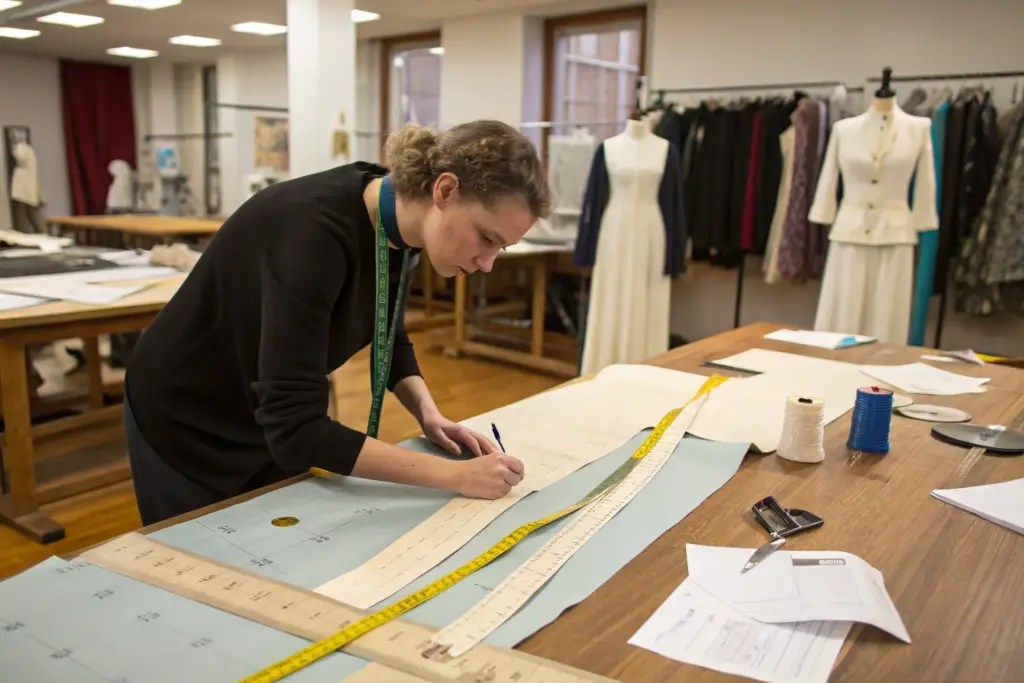
We protect fit consistency for boutique brands through two specific practices. First, we maintain a graded pattern library for each brand we work with. Once a brand's A-line dress block is fitted, approved, and graded across sizes, that block becomes the permanent foundation for that brand's future A-line styles. Second, we produce a sealed pre-production sample for every order, even repeat orders, and measure the bulk production against that sample. If a brand's size Medium A-line dress had a 102cm bust circumference last season, it will have a 102cm bust circumference this season, regardless of the new floral print on the fabric. The customer who loved the fit last season will love the fit again this season.
How Does a Graded Pattern Library Work Across Multiple Seasons?
Most factories treat each order as a new project. The pattern is drafted, the sample is fitted, the order is produced, and the pattern is filed away, sometimes never to be used again. When the brand reorders a similar style next season, the pattern is pulled from the file, but the pattern maker who originally worked on it may have left the factory. The new pattern maker makes adjustments. The fit drifts.
Our pattern library is a living system. Each brand we work with has a dedicated digital pattern file, stored on our CAD server, with the complete grading rules across all sizes. The pattern file is annotated with the fit history: the adjustments made during the initial sampling, the specific measurements of the approved pre-production sample, and any fit feedback received from the brand or from end-customer returns data. When a brand develops a new A-line style, our pattern engineer starts from their approved block. The foundational fit is already established. The development work focuses on the new design elements—a different sleeve, a new neckline, a tiered skirt—not on re-solving the basic bodice and shoulder fit. This system delivers two valuable outcomes for the boutique buyer. First, the sample development process is faster and less expensive because the core fit is pre-approved. Second, the customer who loved the fit of last season's dress will experience the same fit in this season's dress. Fit loyalty is preserved. The pattern library management for fashion brands article explains the operational value of maintaining graded, brand-specific pattern blocks.
What Does the Sealed Pre-Production Sample Mean for a Boutique Buyer?
The sealed pre-production sample is a physical guarantee. It is a sample dress, cut from the actual bulk production fabric, sewn with the actual trims, and approved by the brand owner or designer. It is sealed in a clear bag with a signed and dated approval tag. One copy is kept by the brand. One copy is kept by us.
This sample is the legal and operational definition of what the brand purchased. If the bulk order arrives and the boutique buyer feels the dresses do not match the quality she expected, the sealed sample is the objective reference. She places the bulk dress next to the sealed sample. She compares them. The sample answers the question definitively. This protocol protects the boutique buyer from the "sample drift" that occurs when a factory gradually reduces quality across repeat orders, hoping the buyer will not notice or will not have the evidence to prove it. Our sealed sample protocol makes the quality standard physical, permanent, and undeniable. I have written about this protocol in previous articles on quality control and on what makes Shanghai Fumao different. It is one of the practices our boutique clients tell me gives them the most peace of mind when placing repeat seasonal orders.
How Do We Ensure Boutique-Calendar-Friendly Delivery?
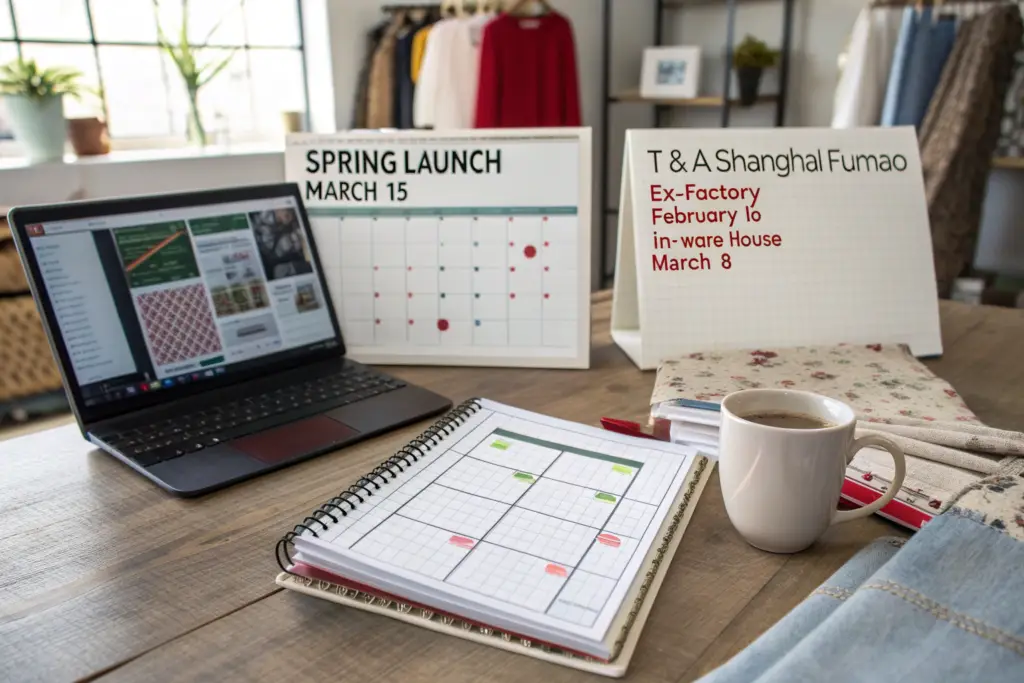
A boutique operates on a hard seasonal calendar. Spring merchandise must arrive by late February or early March. Summer deliveries must be on the floor by May. A shipment that arrives two weeks late does not just delay sales. It misses the peak selling window entirely. The customer who wanted a floral dress for a June wedding has already bought it somewhere else. The boutique owner is left with inventory she cannot sell at full price and a season of lost revenue.
We protect boutique delivery calendars through a combination of a published, milestone-driven production schedule, contractual delivery guarantees with graduated penalties for late shipment, and DDP logistics that keep the entire chain from our factory floor to the boutique's door under our single-point accountability. Our boutique clients do not chase us for updates. The T&A calendar pushes updates to them, and the DDP tracking link shows them exactly where their shipment is at all times. When a delivery date is at risk, we communicate proactively with recovery options—overtime, parallel processing, air freight—before the boutique owner even knows there is a potential delay.
What Happens When a Boutique Misses a Seasonal Delivery Window?
The financial impact of a missed delivery window is severe and often underestimated. A shipment of floral dresses that was scheduled for a March 1st Spring launch and arrives on March 25th has lost three of the most valuable selling weeks of the season. The dresses that do sell face a shorter full-price window before the inevitable mid-season markdowns begin. The boutique owner's open-to-buy budget was committed to these dresses. The revenue they were supposed to generate funded other purchases. The cash flow disruption cascades.
I have written a dedicated article on how to ensure on-time delivery. The principles apply even more acutely to boutique buyers because boutiques lack the inventory buffer and the cash reserves that larger retailers can use to absorb a delayed shipment. Our production calendar is built backward from the boutique's launch date. If a boutique needs Spring merchandise on the floor by March 1st, we calculate the shipping transit time, the customs clearance buffer, the ex-factory date, and the production start date, and we lock those dates into a signed T&A calendar. The calendar is not aspirational. It is contractual. The seasonal delivery planning for boutique apparel retailers provides a framework for aligning production timelines with retail selling windows. We build our production schedules around this framework.
How Does DDP Shipping Remove Logistics Anxiety for Boutique Owners?
Most boutique owners are not logistics professionals. They are curators, stylists, and community builders. Managing a freight forwarder, a customs broker, and a trucking company is not their skill set and not their passion. FOB shipping forces them into this role, consuming time and mental energy that should be spent on their customers and their store.
Our DDP shipping model, which I have detailed in a previous article, removes this burden entirely. The boutique owner pays one price per dress, delivered to her store. She does not receive surprise invoices for customs exams, port storage, or broker fees. She does not coordinate trucking deliveries. She tracks one link and opens one box. This simplicity is particularly valuable for multi-brand boutiques that may be managing shipments from five or ten different suppliers simultaneously. The supplier who delivers a clean, predictable, hassle-free logistics experience earns more of the buyer's open-to-buy budget in future seasons because the buyer knows that ordering from that supplier will not create a cascade of logistics problems. The DDP shipping benefits for small and medium retailers article explains the operational and financial advantages.
What Does Design Exclusivity Mean for a Boutique's Competitive Position?
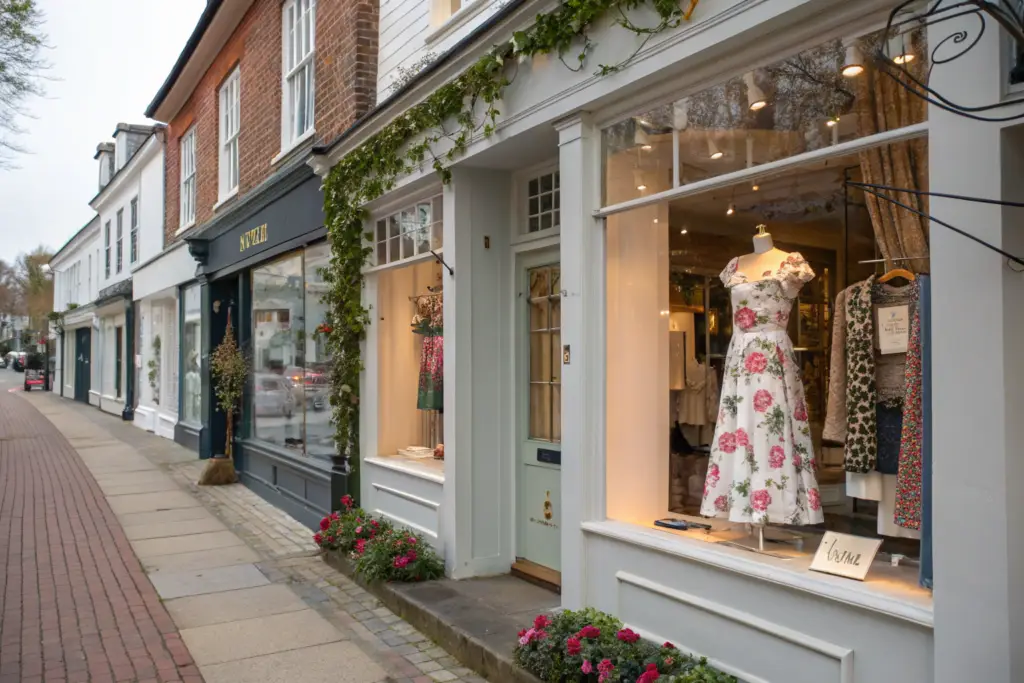
A boutique's value proposition is curation. The customer walks into a boutique because she expects to find pieces she cannot find in every other store, including online. When a boutique buyer discovers that the floral dress she carefully selected from a wholesale catalog is also hanging in the boutique three blocks away, and is also available on three online platforms, her curation promise is broken. The dress becomes a commodity, and the only basis of competition is price. The boutique, which cannot win a price war against online discounters, loses the sale and loses a piece of its identity.
We protect our boutique clients' competitive position by offering exclusive print development as a standard part of our custom manufacturing program. The floral print on a boutique's dress is developed specifically for that brand. It is not a stock print that any buyer can order from a catalog. Additionally, we offer geographic exclusivity agreements for boutique clients in close proximity to each other, ensuring that two boutiques in the same city are not carrying the same print, even if they both order from us. This exclusivity allows the boutique to offer its customers something genuinely unique, which is the foundation of a boutique's pricing power and customer loyalty.
How Does Custom Print Development Compare to Buying Stock Prints?
A stock print is a print the factory already has on file. Multiple brands can order it. There is no development cost and no minimum print run beyond the fabric minimum for the order. The trade-off is that the print is non-exclusive. A custom print is developed from the brand's design concept. The factory's print partner creates the digital file, produces strike-offs, and prints the bulk fabric specifically for that brand's order. The development cost is higher, and there may be a minimum print meterage. The benefit is exclusivity.
For a boutique that competes on uniqueness, the custom print investment is typically recovered through a higher full-price sell-through rate and the ability to command a slightly higher retail price. The customer who finds a unique floral dress in a boutique cannot comparison-shop it online. The boutique owner does not face the uncomfortable conversation with a customer who says, "I saw this same dress at the store down the street for less." The custom versus stock print decision for fashion brands guide provides a cost-benefit analysis framework. For boutique buyers, the strategic value of exclusivity almost always outweighs the incremental cost of custom print development.
How Do Geographic Exclusivity Agreements Work in Practice?
A geographic exclusivity agreement is a commitment we make to a boutique client that we will not sell the same custom print to another boutique within a defined geographic radius, typically the same city or a specific ZIP code range, for a defined period, typically the current selling season. This agreement protects the boutique's investment in developing the print and building a customer base for that style.
We offer this to boutique clients as a standard option on custom print orders. The agreement is documented in the manufacturing contract. If a second boutique in the same city approaches us with an interest in the same print, we decline and offer to develop a different custom print for them. This practice builds extraordinary loyalty because boutique owners know that their supplier is actively protecting their competitive position, not just passively avoiding conflict. The geographic exclusivity in wholesale fashion distribution article explains the legal and commercial framework for exclusivity agreements.
Conclusion
Trust between a US boutique buyer and a Chinese manufacturer is not built by a website, a catalog, or a sales pitch. It is built by the consistent delivery of specific, verifiable promises across multiple orders, multiple seasons, and multiple years. The promise that the print on the dress will be as vibrant after a season of washing as it was on the day it arrived. The promise that a size Medium this season will fit exactly like a size Medium last season. The promise that the delivery will arrive in time for the Spring launch, not three weeks after the peak selling window has closed. The promise that the floral print is exclusive to the boutique, not available to every competitor in town. And the promise that when a question or a concern arises, a knowledgeable, English-speaking product specialist will respond within hours with accurate information, not days later with a vague reassurance.
At Shanghai Fumao, we have earned the trust of boutique buyers by building our entire operation around these promises. We document them in contracts. We verify them with inspections. We communicate them proactively. And when, inevitably, a challenge arises, we solve it collaboratively rather than deflecting blame. If you are a boutique buyer evaluating suppliers for your next season's floral dress buy, I invite you to test our promises against your experience. Request a stock sample. Inspect the print, the seams, the zipper, the hem. Contact one of our existing boutique clients for a reference. Experience our communication firsthand. My name is Elaine. My email is elaine@fumaoclothing.com. Your boutique's reputation is your most valuable asset. We treat it that way.