Linear fashion is reaching its limit. Waste is rising, and consumers are asking harder questions.
Circular fashion helps brands generate more value per garment while aligning with growing sustainability demands—making it a smart investment, not just an ethical choice.
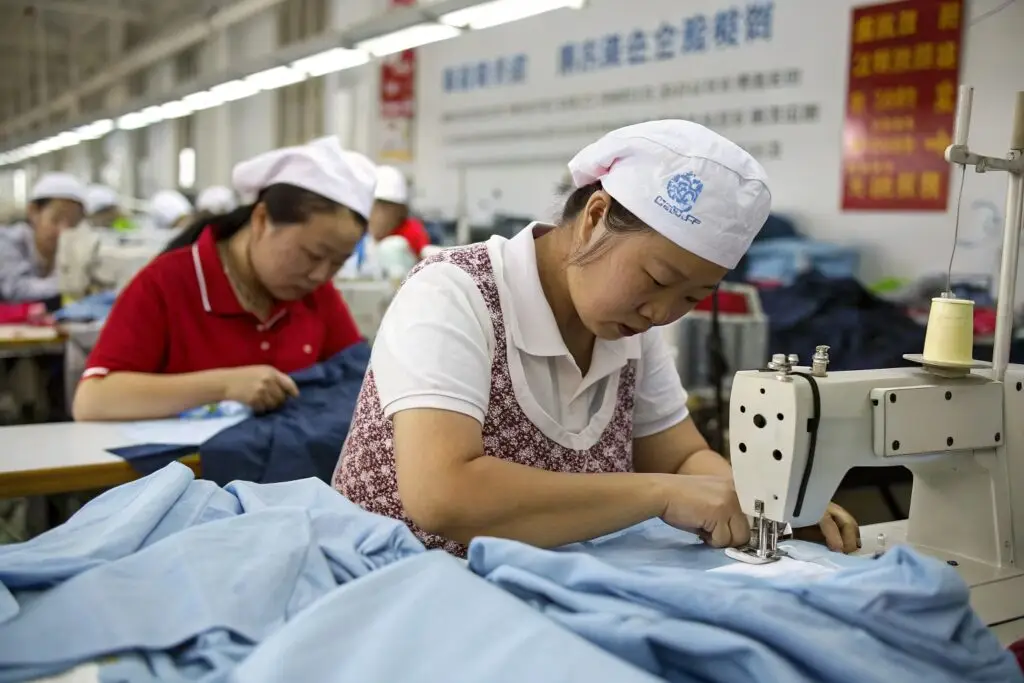
As a manufacturer working closely with fashion brands globally, I see the shift daily. Companies are rethinking not only how they produce, but what happens after the sale. That’s the power of circularity.
Key Business Benefits of Circular Fashion Models?
Sustainability isn't just about carbon offsets anymore. It's becoming a profit lever.
Circular models increase customer retention, reduce production risk, and open new revenue streams like rental, resale, and repair.
How does circularity increase both profit and brand resilience in today’s market?
The circular fashion economy extends a garment’s lifespan. One item might be rented, resold, or repaired—creating multiple income events.
Consider this:
- One bodysuit sold for $10 earns $10.
- That same bodysuit, rented 5 times at $5 each, earns $25.
- Add resale at $7 after rotation, total revenue: $32
Beyond numbers, circularity offers:
- Predictable revenue via subscriptions
- Data insights on real-world usage
- Lower inventory waste
| Benefit | Linear Model | Circular Model |
|---|---|---|
| Revenue per garment | 1x | 3–10x |
| Customer lifetime value | Low | High (recurring touchpoints) |
| Inventory flexibility | Low | Medium–High |
| Product data feedback loop | Absent | Active |
We help brands label items for reuse with QR codes, which link to instructions, usage history, and even re-commerce platforms.
How does circularity improve supply chain efficiency?
With resale and rental, forecasting shifts:
- You produce what will rotate—not everything up front
- SKU redundancy decreases
- Color/size demand is informed by real wear data
Brands reduce overstock, decrease markdowns, and stay closer to true demand.
How Circularity Supports Brand Sustainability Goals?
ESG pressure is rising. And brands can’t just say “we care” anymore.
Circularity helps brands lower emissions, reduce water usage, and shrink landfill impact—all while keeping their product active in the market.
How does rental and resale directly contribute to lowering a brand’s environmental footprint?
Every time a garment is reused, it offsets the need to produce a new one. This reduces:
- Water consumption
- Fabric waste
- Transportation emissions
For example:
- Producing a cotton T-shirt = ~2,700 liters of water
- Renting that T-shirt 5 times = offset of 4 new shirts = ~10,800 liters saved
Some of our clients now print eco-stats on product tags:
“You saved 800L of water by renting this.”
This turns sustainability into a visible, trackable experience for end users.
| Impact Area | Linear Model | Circular Model |
|---|---|---|
| Water Consumption | High per unit | Shared across multiple users |
| Landfill Output | High | Minimal |
| Energy Emissions | Front-loaded | Spread out (per use) |
| Carbon Reporting | Minimal | Integrated into use tracking |
How can small brands align circular systems with their ESG reports?
We help brands:
- Use certified sustainable fabrics
- Implement garment tracking for life-cycle data
- Report number of wears, returns, and refurbishments
Many use this data in stakeholder reports to show year-over-year impact improvements.
Consumer Demand Driving Circular Fashion Growth?
The younger your customer, the more circular their expectations.
Millennials and Gen Zs prioritize sustainability, flexibility, and value—driving demand for brands that offer rental, resale, or trade-in systems.
Why are consumers more willing to rent or buy secondhand than ever before?
Four reasons:
- Affordability: Renting premium pieces is cheaper.
- Ethics: Customers want brands with values.
- Simplicity: Platforms make swaps and returns easy.
- Variety: Circular models offer ever-changing options.
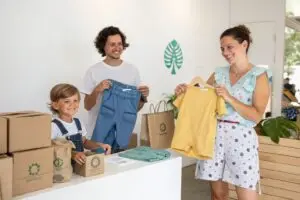
We’ve seen brands offer monthly rentals of kidswear sets. Parents rent 4–5 items for 30 days, then return and repeat. Feedback is overwhelmingly positive because it:
- Saves money
- Avoids clutter
- Feels eco-conscious
| Behavior Metric | 2015 Value | 2025 Projected Value |
|---|---|---|
| Consumers renting apparel | 10% | 45%+ |
| Value of resale market | $18B | $70B |
| Eco-conscious brand loyalty | Moderate | Very high |
How do circular brands build deeper engagement with their audience?
Rental and resale create touchpoints every 30–90 days. With each return or repurchase:
- Brands collect feedback
- Brands offer recommendations
- Brands upsell
Circular models turn buyers into recurring users.
Some of our clients use post-return surveys that ask:
“How many times did your child wear this?”
“Would you like a similar size next month?”
That data feeds future product and marketing strategies.
Investment Trends in Resale, Rental, and Recycling?
Circular fashion is not a niche anymore—it’s venture-backed and growing.
Major brands and VCs are investing in platforms, services, and manufacturing upgrades to support the rise of resale, rental, and textile recycling.
Which segments of the circular fashion economy are seeing the most growth?
1. Rental Services
Startups offering rental subscriptions (Nuuly, Armoire) have attracted Series B/C rounds.
2. Resale Platforms
Companies like ThredUp, Depop, and Poshmark are reshaping secondhand shopping. Brands like Levi’s now have in-house resale.
3. Recycling Tech
Investments in chemical recycling (e.g., Renewcell) are rising. These enable fiber-to-fiber reuse—especially in cotton and polyester.
| Sector | Key Players | Notable Funding/Deals |
|---|---|---|
| Rental | Rent the Runway, Nuuly | IPO + Growth Funds |
| Resale | ThredUp, Vestiaire, Levi’s | $100M+ Series rounds, brand rollouts |
| Recycling | Renewcell, Circ, Infinited | $50M+ in textile tech rounds |
How are traditional manufacturers adapting to support these investments?
We’re investing in:
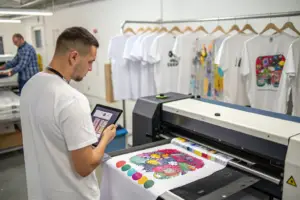
- Low-MOQ digital printing for resale-friendly branding
- RFID tagging for return tracking
- Recyclable packaging for circular logistics
We're also starting garment repair lines, where clients send back items needing minor fixes before resale or donation.
The circular economy isn't future theory—it's active strategy.
Conclusion
Circular fashion is no longer a trend—it's a smart business direction. Brands that embrace rental, resale, and recycling aren’t just helping the planet—they’re building stronger, more flexible, and more profitable models that align with what tomorrow’s buyers already want.