You've received a beautiful sales sample from a potential factory. The stitching looks perfect, the fabric feels great, and you're ready to place your bulk order. But is this sample truly representative of what you'll get in 5,000 pieces? Many brands make the critical mistake of treating a sample as just a visual approval step. In reality, a properly executed sample is your first and most powerful line of defense in garment quality assurance. It's a functional prototype that tests construction, materials, and manufacturability—not just a pretty model.
A garment sample is the foundational step in quality assurance because it serves as the tangible, agreed-upon standard for all subsequent production. It is the physical contract that defines fit, construction, materials, and workmanship, enabling both brand and manufacturer to identify and resolve potential issues before costly bulk production begins. Skipping or rushing this step doesn't save time; it guarantees expensive problems later in the form of rejected goods, delayed shipments, and brand-damaging defects.
At Shanghai Fumao, a prospective client once sent us a "golden sample" from their previous supplier, asking us to match it. Upon disassembly and analysis in our lab, we found the sample itself was flawed: the seam allowances were inconsistent, a key piece of interlining was missing, and the fabric had been pre-shrunk inconsistently. The client had approved this sample, and the factory had used it as the standard, leading to a bulk order where 30% of garments failed their own quality check. We had to start from scratch—developing a correct prototype sample, then a pre-production sample—to establish a reliable benchmark. This story underscores why the sample is where true quality assurance begins.
What Are The Different Types of Samples and Their Specific QA Roles?
Not all samples are created equal. Each type in a professional sampling protocol has a distinct purpose in the quality assurance cascade. Confusing them—like using a development sample as your production standard—is a primary source of bulk quality failure.
Understanding this progression turns sampling from a formality into a strategic quality gate.
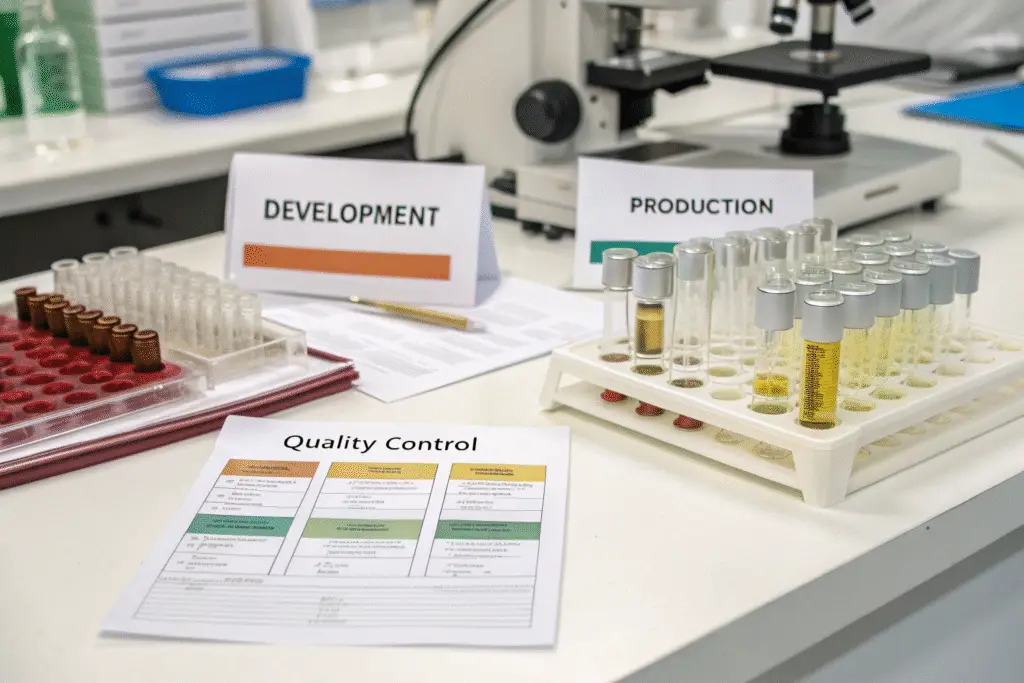
Proto Sample (Development Sample): The Concept Proof
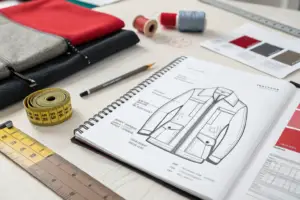
- Purpose: To translate your 2D sketch/tech pack into a 3D form. It tests basic silhouette, proportions, and initial construction feasibility.
- QA Role: First safety check. Does the design work on a body? Are there obvious construction flaws or safety issues (e.g., a too-tight neckline on kids wear)? It uses similar, not final, materials.
- Client Action: Approve overall shape and concept. Request modifications to pattern or construction.
Fit Sample: The Pattern Validation
- Purpose: Made with the correct or closest main fabric, using the refined pattern from the proto stage. It validates the fit and grading (sizing) across the size range.
- QA Role: Critical for consistency. A fit sample should be made in at least three sizes (e.g., S, M, L). This is where you catch if a design element doesn't scale correctly. We measure these samples against the graded spec sheet to within 1/8-inch tolerances.
- Client Action: Approve fit on live models or mannequins in key sizes. This approval locks in the pattern.
Pre-Production Sample (Salesman Sample): The Golden Standard
- Purpose: Made with all correct bulk materials—exact fabric, trims, labels, and packaging. It is sewn in the factory that will do bulk production, using the same methods.
- QA Role: This is the benchmark. It is used for:
- Final design approval.
- Third-party compliance testing (e.g., for flammability, lead content).
- As the physical reference for factory QC inspectors during bulk production.
- Client Action: Meticulous inspection and formal, signed approval. This sample is often sealed and kept by both parties.
Top-of-Production Sample: The Bulk Reality Check
- Purpose: The first few pieces taken off the actual production line.
- QA Role: To verify that bulk production output matches the approved Pre-Production Sample in quality and construction. It's the final confirmation before full steam ahead.
- Client Action: Quick verification against the standard. Any deviation here signals a major production process issue.
How Does a Sample Uncover Hidden Material and Construction Flaws?
A sample is a test subject. Its true QA value comes from subjecting it to rigorous examination—both visual and destructive—that simulates real-world wear and reveals issues invisible on a hanger.
This forensic analysis is what separates professional sourcing from hopeful ordering.
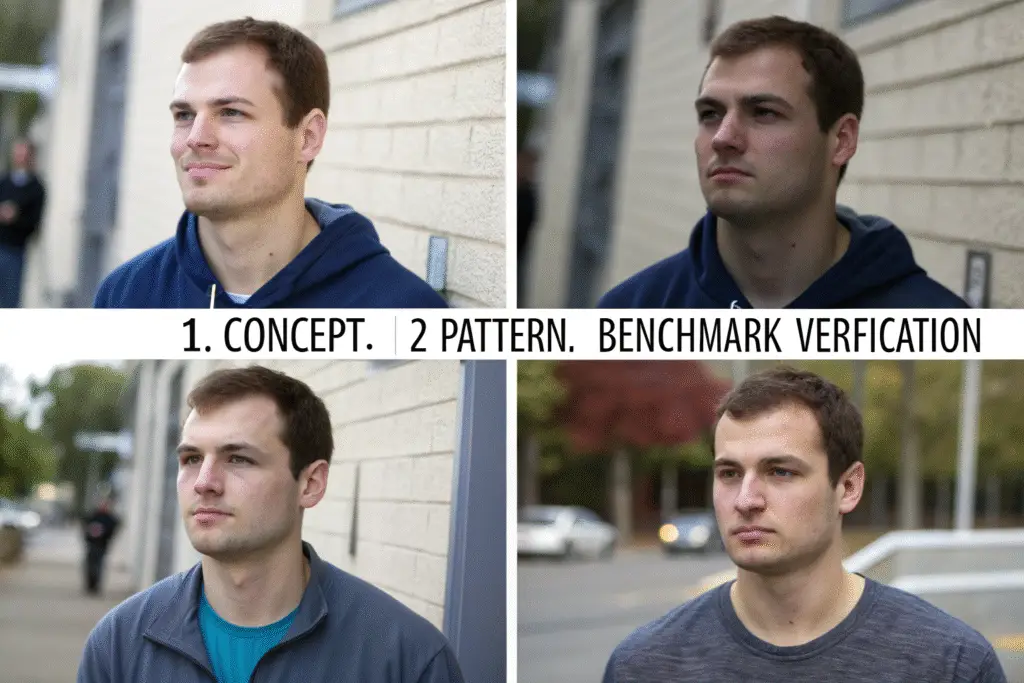
What Should a Technical Inspection of a Sample Include?
At Shanghai Fumao, our product development team conducts a full audit on every sample before it's sent to the client. This includes:
- Seam Analysis: Are stitch density (SPI) and tension correct? Are seam allowances consistent? We check for puckering, tunneling, or skipped stitches.
- Trim & Embellishment Security: We perform pull tests on buttons, snaps, and appliqués. For a recent client's sample, our test found the decorative rhinestones would detach with less than 15 lbs of force—a safety hazard for children. We sourced a better adhesive.
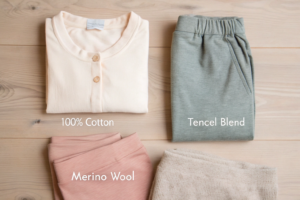
- Fabric Performance Verification: Even in a sample, we can test for pilling (using a Martindale tester on a fabric swatch), colorfastness to rubbing, and dimensional stability (shrinkage) by washing a cut piece.
- Internal Construction Check: We examine the inside: Are seams finished properly? Is interlining correctly fused? Are there any loose threads or raw edges that could cause irritation?
How Can a Sample Reveal "Makeability" Issues?
A sample tests if a design can be efficiently and consistently reproduced. Issues we flag include:
- Overly Complex Assembly: A design that requires assembling 20 small pieces in a specific order is prone to error in bulk. We might suggest consolidating pattern pieces.
- Material Incompatibility: A sample might reveal that the chosen lining fabric is too slippery for the main fabric, causing seam shifting during sewing—an issue that will be magnified in bulk.
- Tolerance Stack-Up: When multiple components with tight tolerances come together, small variations can compound. The sample shows if the cumulative effect is acceptable.
This process is a dialogue. We present findings and solutions, such as recommending a stronger stitch type or a more stable fabric, turning the sample into a collaborative problem-solving tool.
How Does the Sample Establish the Official Quality Standard?
Once perfected and approved, the Pre-Production Sample transcends being a mere garment. It becomes a physical master document. It is the absolute reference that every inspector, sewing operator, and quality manager will use to judge the thousands of units that follow.
Without this unambiguous standard, quality becomes subjective, and consistency is impossible.
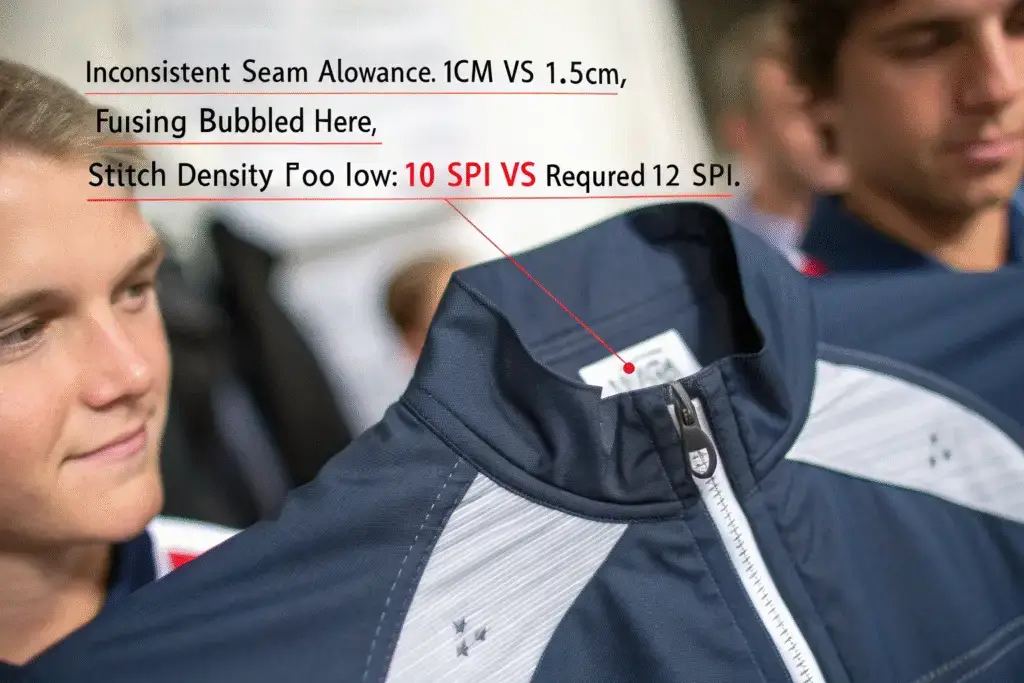
How is the "Golden Sample" Integrated into Production?
- Sealing & Archiving: The approved sample is tagged, signed off by both parties, and often sealed in a clear bag. One copy stays with the client, one with our production management, and one on the factory floor.
- Reference for In-Line QC: Our In-Process Quality Control (IPQC) staff carry checklists and compare garments on the line directly to the sealed sample. They are asking: "Does this seam look like the sample? Does this fabric have the same hand? Is this button attached the same way?"
- Basis for the Inspection AQL: The Acceptable Quality Level (AQL) used during the final Pre-Shipment Inspection is based on deviations from this sample. A defect is defined as "not matching the standard sample."
What Happens When There's a Dispute About Bulk Quality?
The sealed sample is the arbitration tool. If a client questions the quality of bulk goods, we compare the questioned garment directly to the sealed sample. This objective comparison quickly resolves whether it's a legitimate defect or a permissible variation. This process removed all ambiguity for a client who was concerned about the shade of a khaki dye lot. Side-by-side comparison with the sealed sample under standard lighting confirmed it was within an acceptable range.
This system formalizes expectations and protects both parties. It ensures that the "quality" you approved is the "quality" you receive.
What Are The Risks of Bypassing or Rushing The Sampling Process?
The pressure to move fast can tempt brands to skip a sample round or approve a sample with unresolved "minor" issues. This is the most expensive "shortcut" in apparel production. The cost of fixing a problem in sampling is a fraction of the cost of fixing it in bulk.
Sampling is where you pay a little to save a lot.
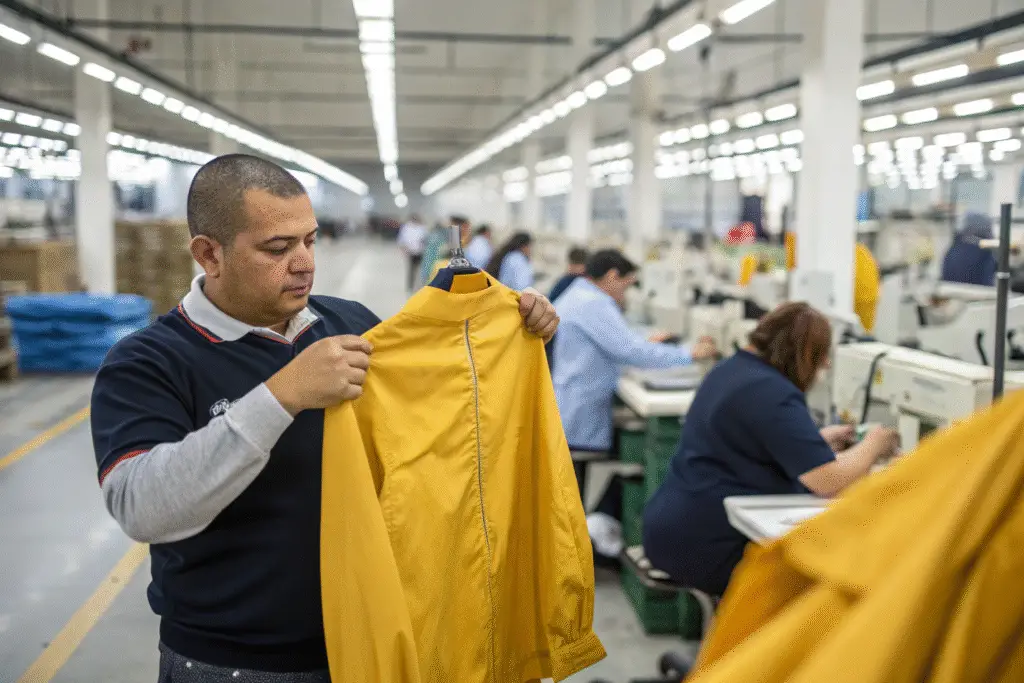
The "It's Good Enough" Sample Approval Trap
Approving a sample with known flaws—like a slightly off color, a trim that's not quite perfect, or a fit that's "close"—sends a disastrous message to the factory: This is the standard. They will replicate the flaw exactly in bulk. We had a client who approved a fit sample where the sleeve was 1 inch longer than spec, thinking they could adjust it later. The factory produced 8,000 units with the long sleeve. The cost of alteration was greater than the total sampling cost for the entire project.
How Inadequate Sampling Leads to Catastrophic Bulk Failure
- Material Substitution: Without a sealed Pre-Production Sample made with exact bulk materials, a factory may substitute a cheaper, inferior fabric or trim in bulk, claiming it's "the same."
- Uncaught Pattern Flaws: A grading error that only appears in size XL won't be caught if you only sample a size Medium.
- Missed Compliance Issues: A sample not tested for flammability or small parts could lead to a full shipment being rejected or recalled by customs.
Investing in a thorough, multi-stage sampling process is the single most effective form of risk insurance for your production budget and timeline. At Shanghai Fumao, we insist on this discipline not to delay projects, but to guarantee their success.
How Can You, The Brand, Maximize The QA Value of Sampling?
Quality assurance is a partnership. Your active, informed engagement during sampling dramatically increases its effectiveness. Being a prepared and decisive client helps the factory help you.
Your role is to provide clear feedback and timely approvals based on rigorous evaluation.
How Should You Evaluate a Sample?
Don't just look at it. Interact with it like a customer would.
- Wear It (or Have Someone Wear It): Move, sit, stretch. Does it pull or gape? Is it comfortable?
- Inspect the Details: Use a bright light. Check inside and out. Feel seams for roughness.
- Test Fastenings: Zip, unzip, button, unbutton multiple times.
- Wash and Dry It (if possible): This is the ultimate test for a Pre-Production Sample. Does it shrink? Does the color bleed? Do trims survive?
- Compare to Spec: Use your calipers and measure key points against the tech pack.
What Constitutes Effective Sample Feedback?
Vague feedback like "make it better" is useless. Effective feedback is specific, actionable, and references the tech pack:
- Poor: "The fit is weird."
- Effective: "Per spec sheet page 3, the chest measurement is 42 inches. The sample measures 44 inches. Please adjust the pattern to bring the chest to 42 inches."
- Poor: "I don't like this color."
- Effective: "The lab dip for color 'Sky Blue' (Pantone 14-4319) was approved. The sample fabric is visibly darker and greener. Please match the approved lab dip."
This precision accelerates revisions and ensures the factory knows exactly what to fix. It demonstrates your professionalism and commands respect.
At Shanghai Fumao, we appreciate and are equipped for this level of detail. It allows us to deliver exactly what you envision, turning the sampling phase into a highly productive collaboration.
Conclusion
The garment sample is the unsung hero of quality assurance. It is the critical bridge between design imagination and manufacturing reality, serving as a test prototype, a problem-solving tool, and, ultimately, the binding physical standard for production. A rigorous, multi-stage sampling process staffed by technical experts is not a cost center; it is your most valuable investment in preventing catastrophic quality failures, ensuring consistency, and protecting your brand's reputation.
To neglect or shortcut sampling is to gamble the success of your entire production order on hope rather than verification. In the precise world of apparel manufacturing, hope is not a strategy.
If you are seeking a manufacturing partner who understands the profound QA role of sampling and executes it with technical rigor and transparency, we are built for this. At Shanghai Fumao, our sampling protocol is engineered to de-risk your production and build a foundation for flawless execution. Contact our Business Director Elaine to begin your next project with a sample that truly sets the standard for quality: elaine@fumaoclothing.com.